AI may solve loneliness, but at the cost of our people skills.
Philip Dulian/picture alliance via Getty Images
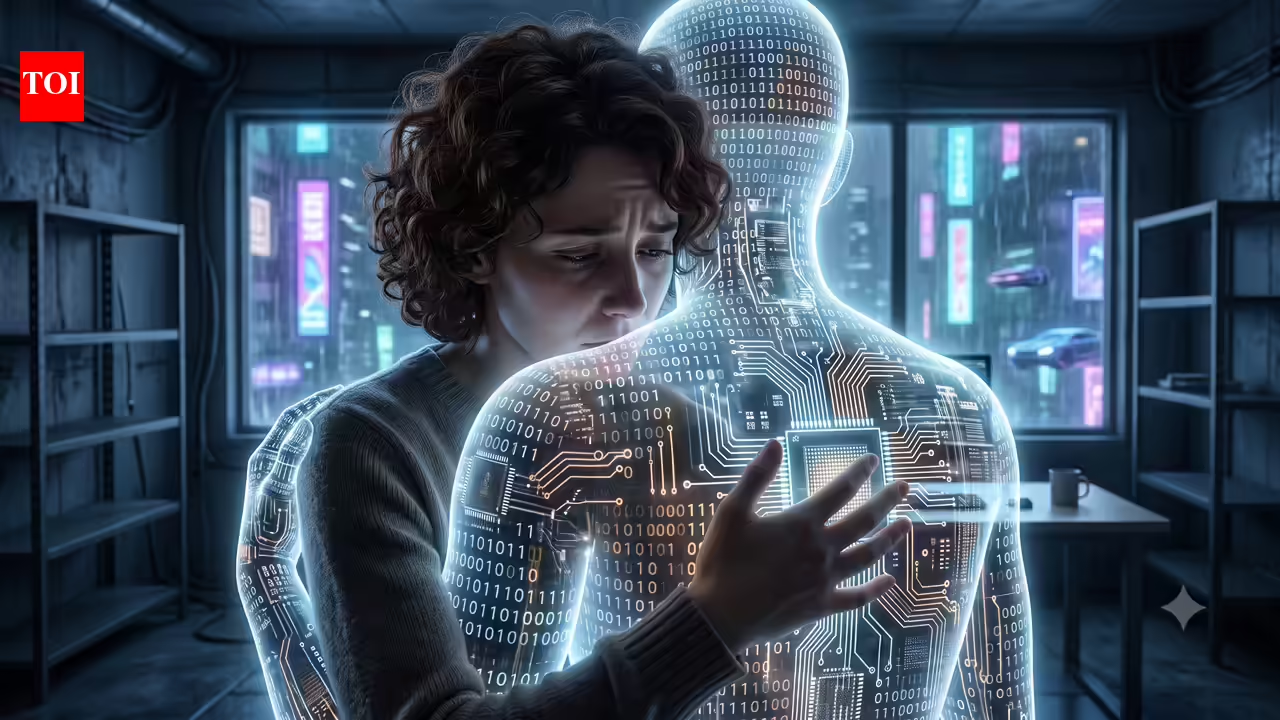
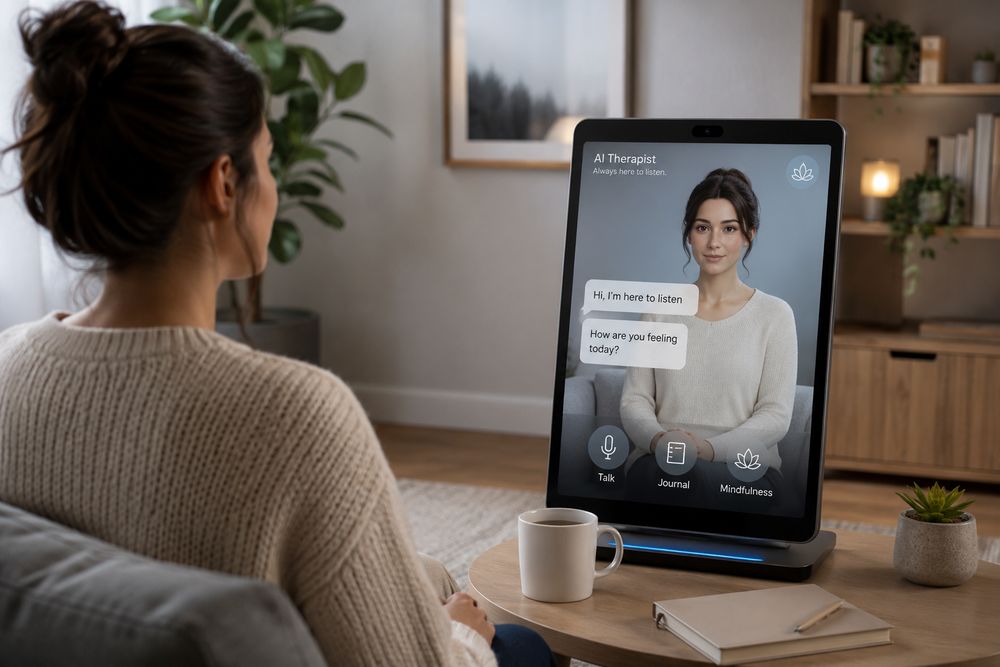
AI companions could be good for your mental health — but bad for your social life.That's the potential trade-off Paul Bloom, the Brooks and Suzanne Ragen Professor Emeritus of Psychology at Yale University, sees as AI companions become increasingly sophisticated."If some future version of Chat or Claude or Gemini could come in and ease the pain of the loneliness of these people, I think it'd be a godsend," Bloom said on an episode of Sam Harris' "Making Sense" podcast that aired Wednesday. "I think it'd be wonderful. It'd be a cure for a terrible disease."But Bloom said the benefits could come with unintended consequences. A chatbot, he said, "never gets bored," "never needs an apology," and "never says, 'Hey, that was inappropriate.'"Spending too much time interacting with companions that never challenge users, he said, "could have a real corrosive effect" and "leave you unable to interact with real people."The hidden cost of AI companionsBloom's warning comes as loneliness and social disconnection remain widespread in the US.The American Psychological Association's latest "Stress in America" survey of 3,199 US adult residents found that 54% say they often or sometimes feel isolated from others, and 69% said they needed more emotional support over the past year than they received.