Talking to strangers can feel daunting, but research shows it has real benefitsPaul Carter / Alamy
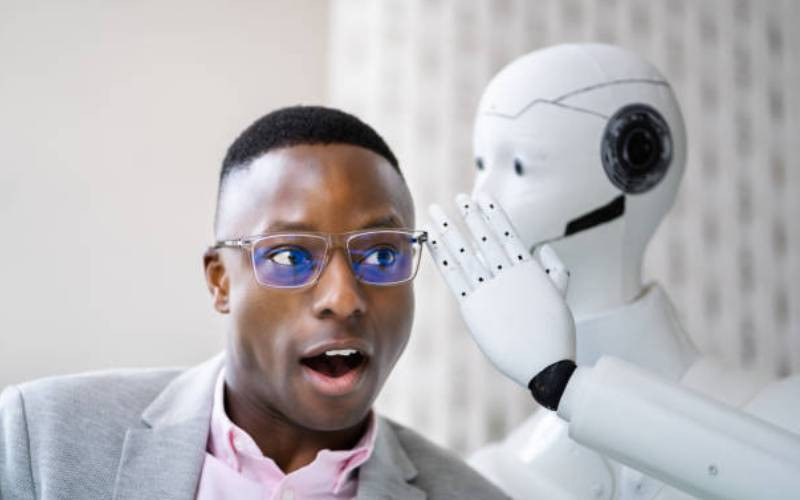
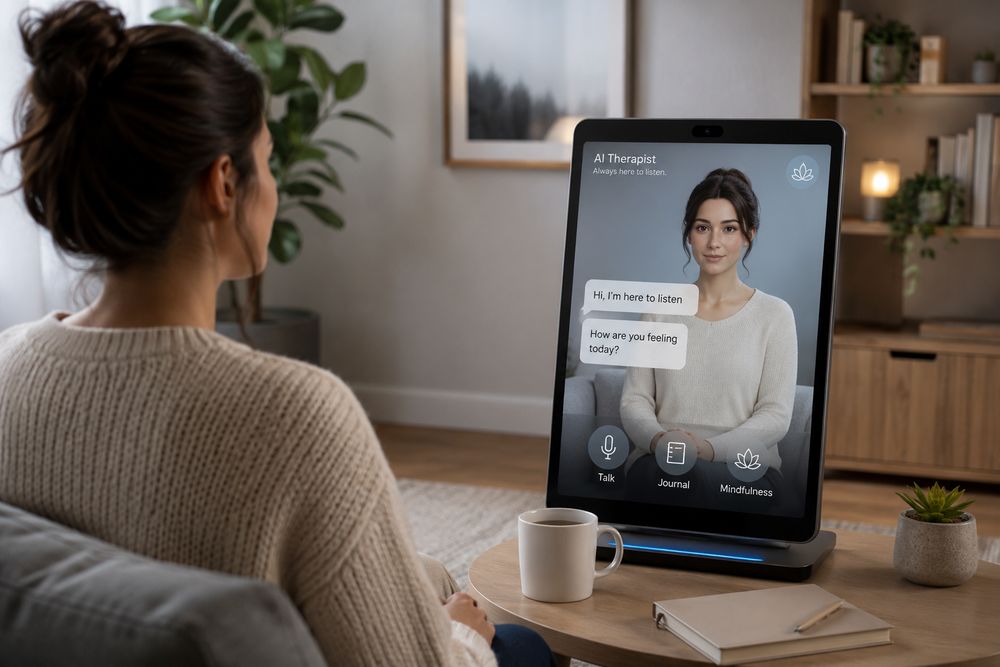
Guaranteed compassion, encouragement and validation? A soothing voice available to massage your ego whenever you feel unsure of yourself? If you could find a living being with these qualities, you’d call them your soulmate, and yet it is exactly what many chatbots are offering an increasing number of users.
But can those exchanges with AI ever achieve the benefits of real, human connection? That’s the question behind a fascinating new study, which has found that chatting with an AI is no match for talking to real human beings, even if they are complete strangers.
The results are good news for anyone, like me, who would like to believe that there are some areas of life that are best served by living people, but the fact remains that many people are turning to AI out of social anxiety. Fortunately, the psychological research can also offer us plenty of ways to go about our real-life conversations more confidently.
Our tendency to feel an unexpected intimacy with our chatbots became obvious far longer ago than many people might realise. In the 1960s, computer scientist Joseph Weizenbaum created an algorithm called ELIZA. Its guiding principle was to turn each of the user’s statements into a follow-up question.