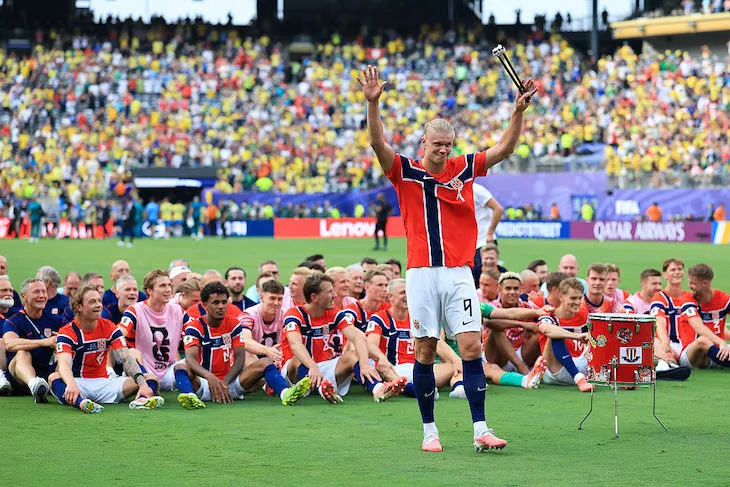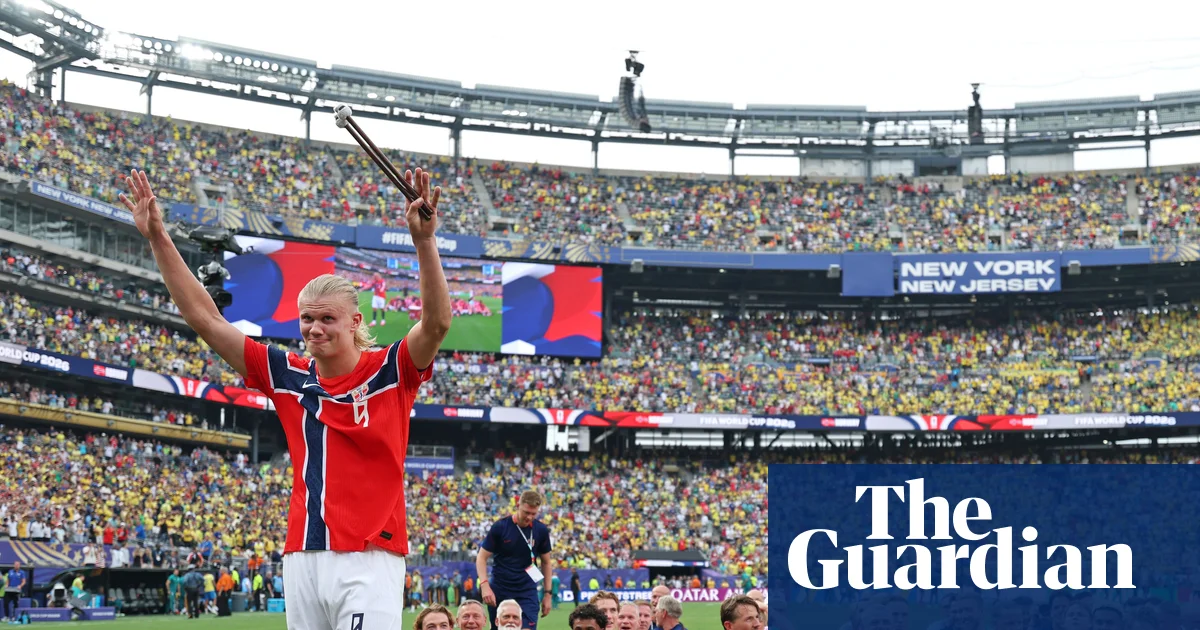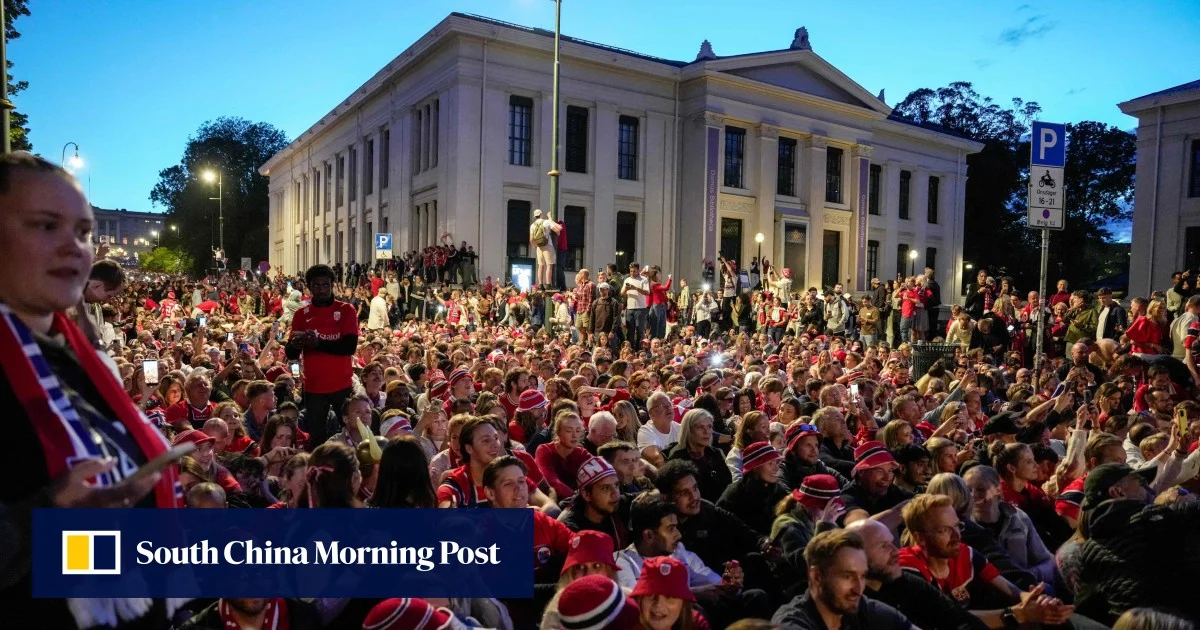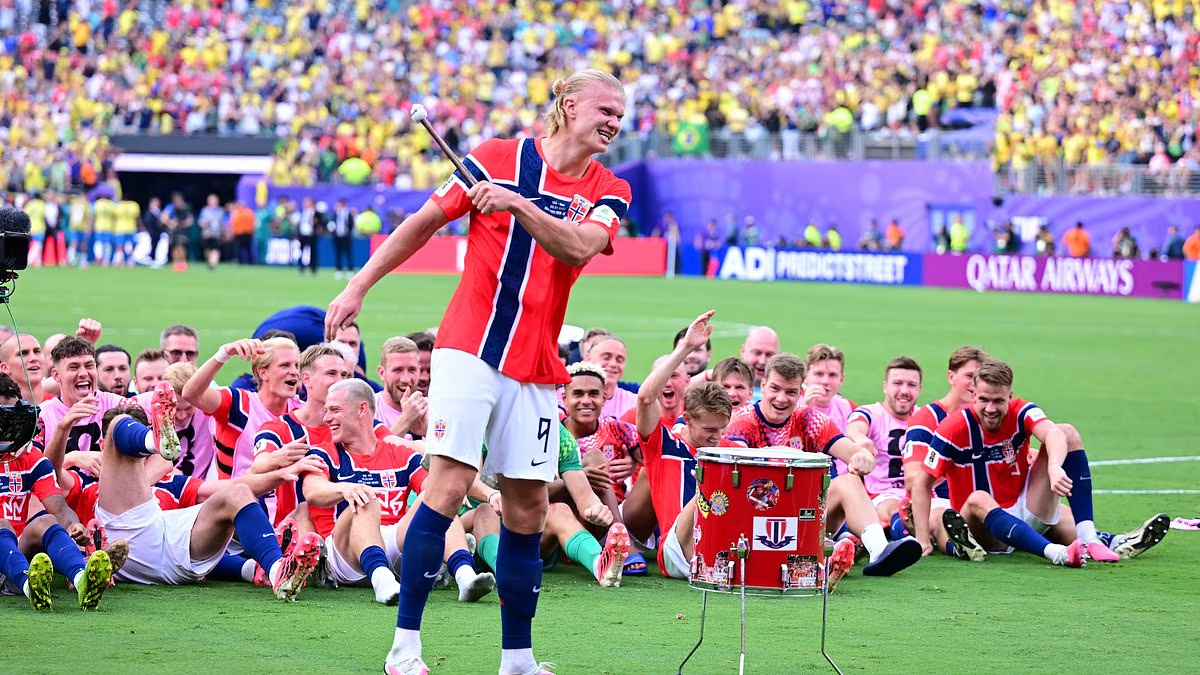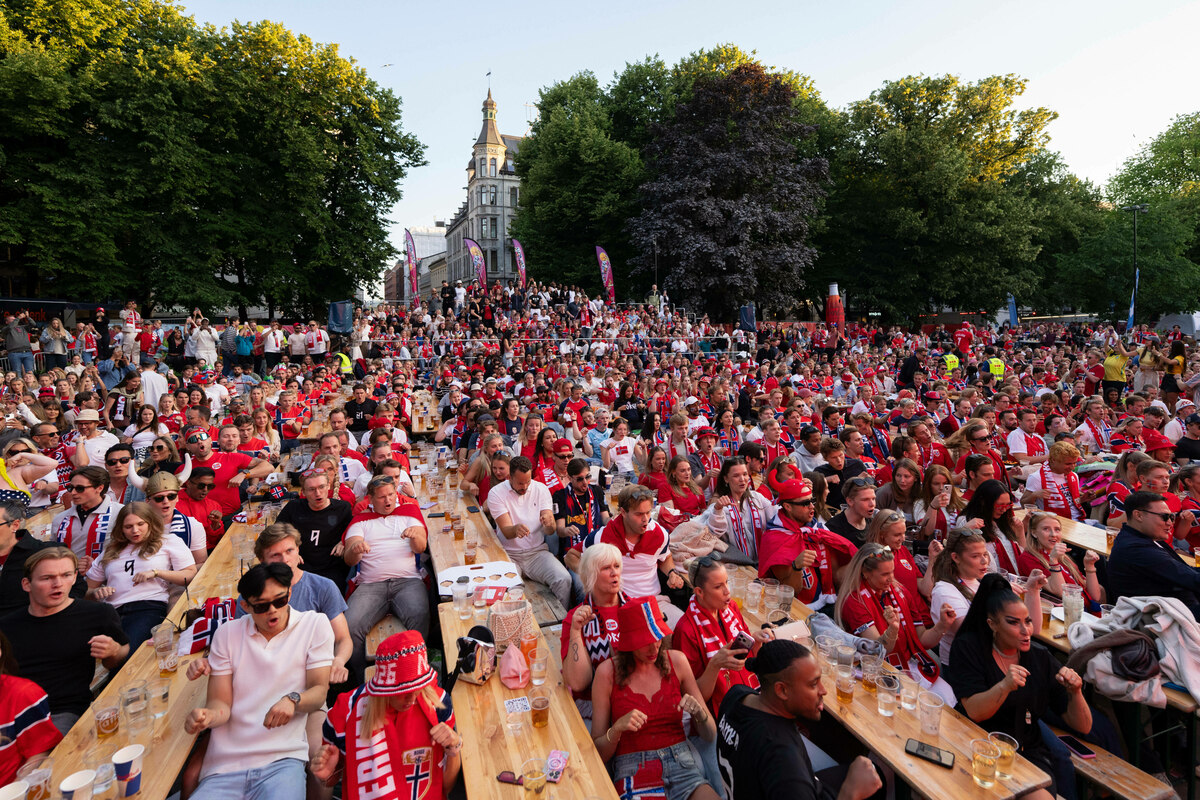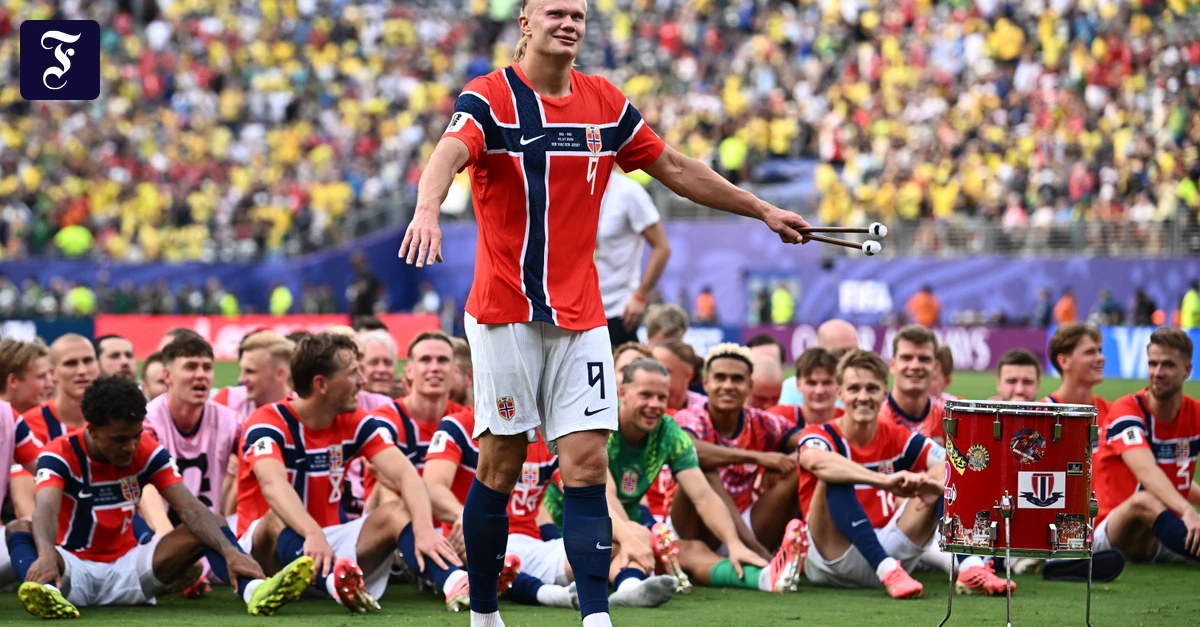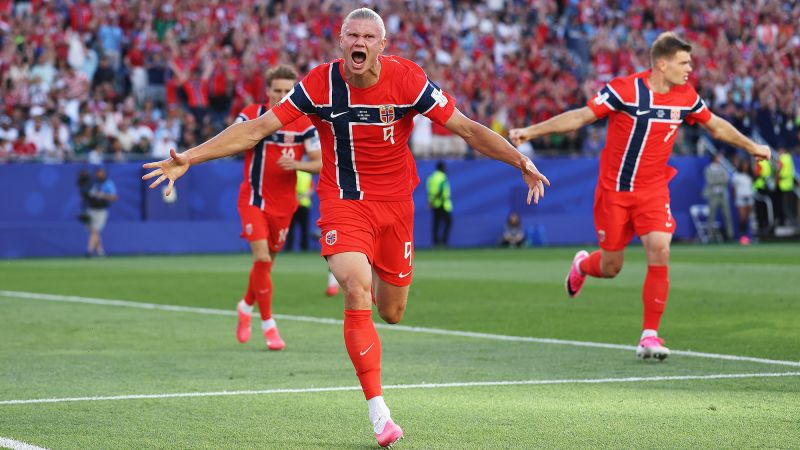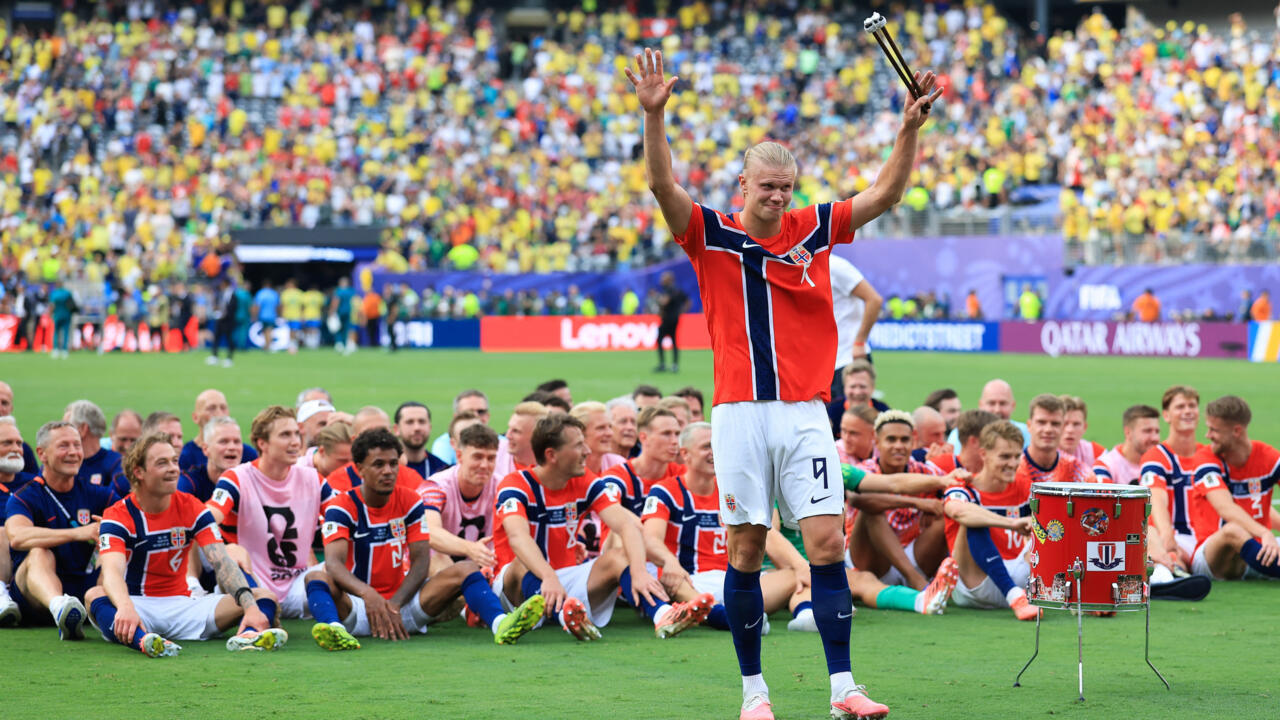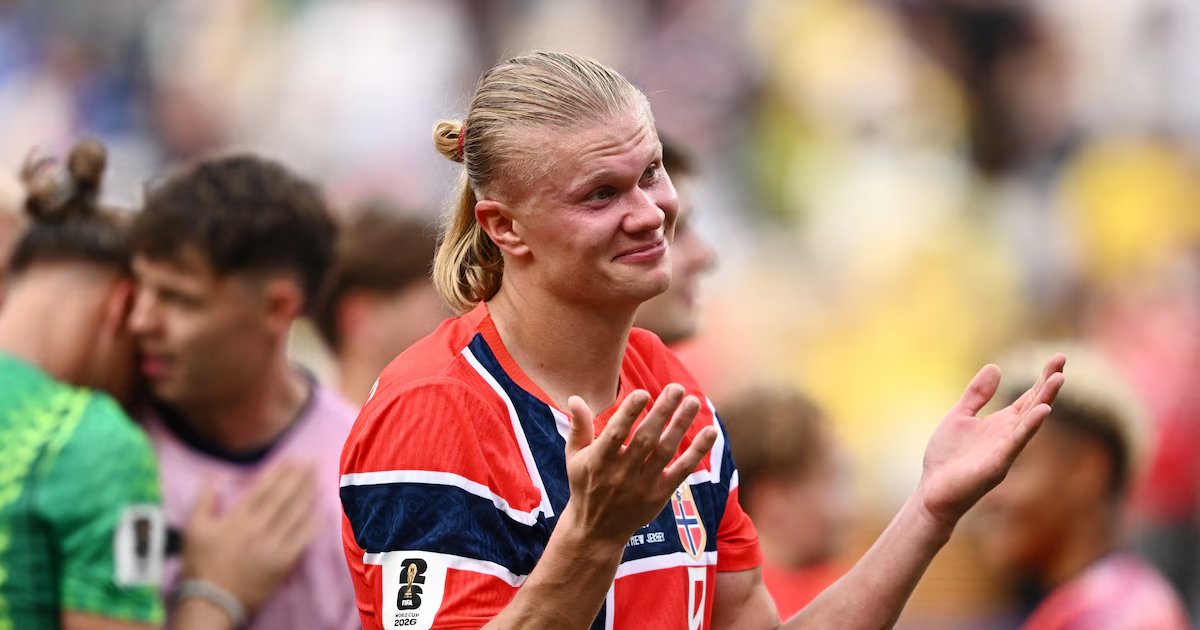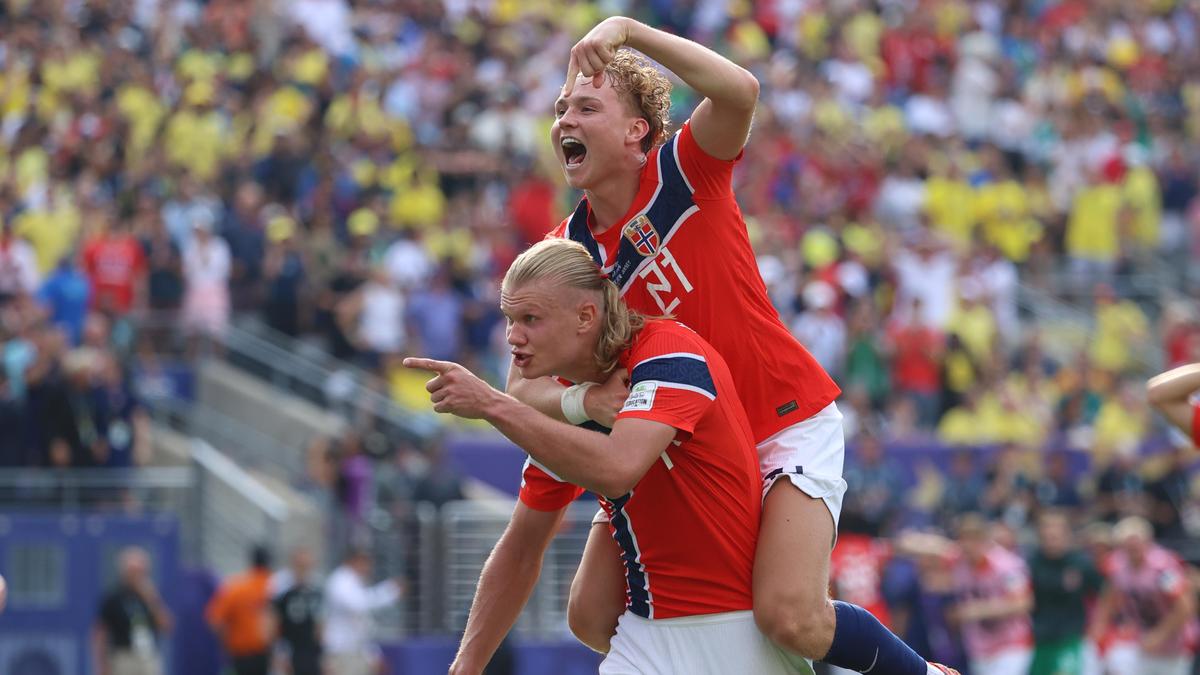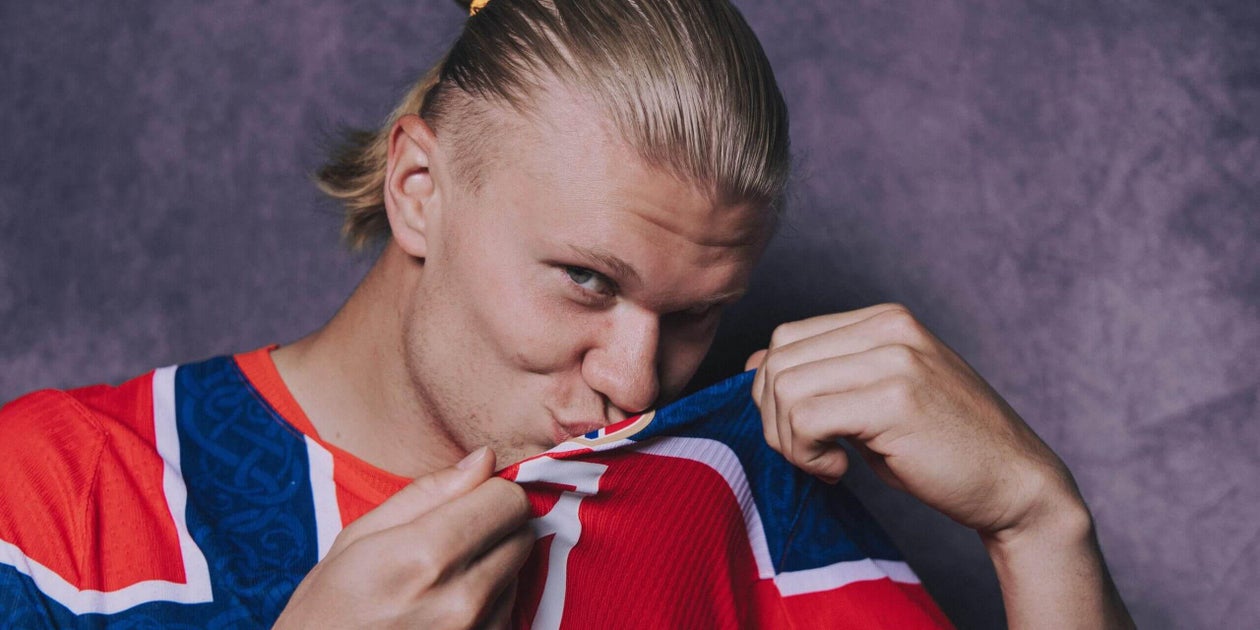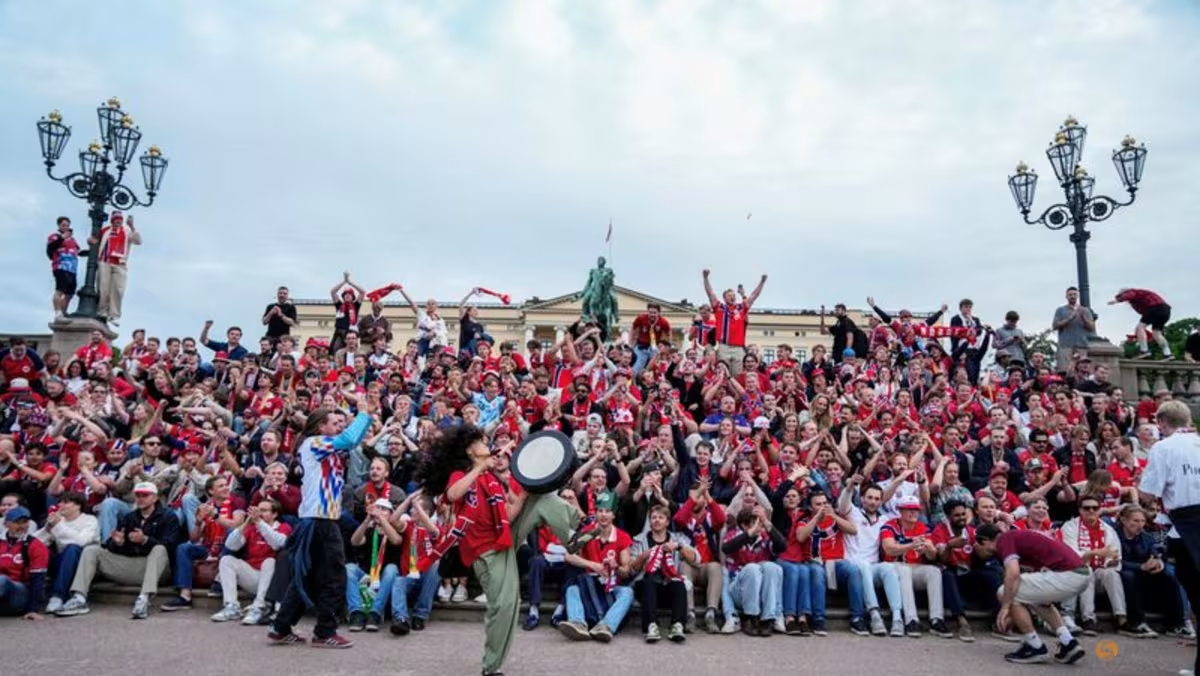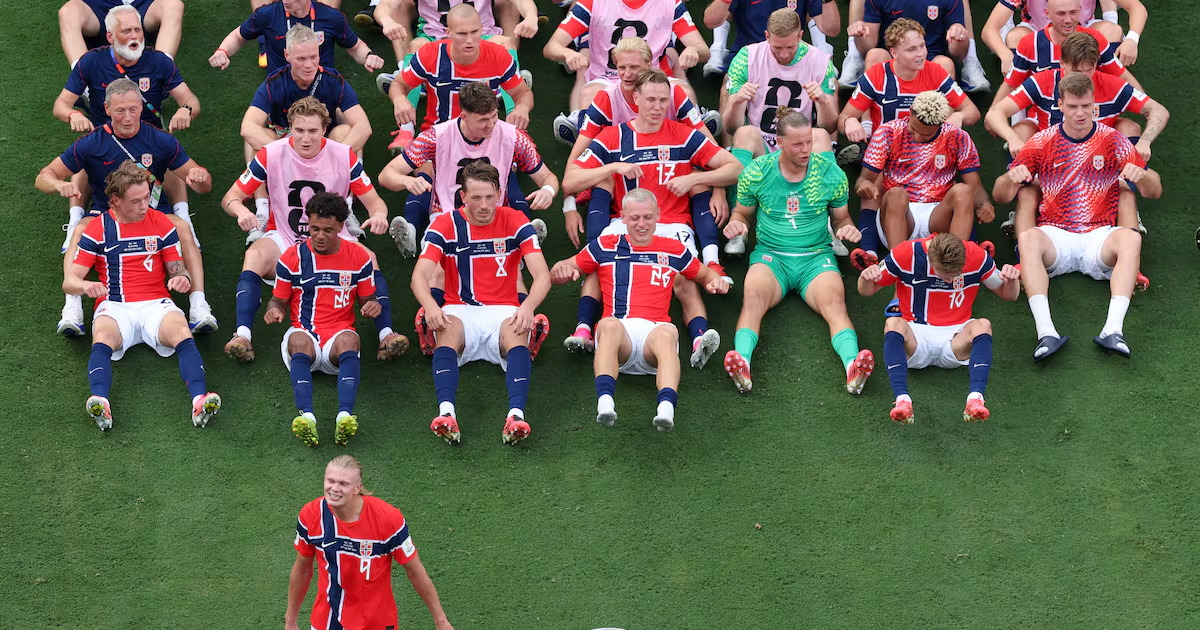
Collective effort and individual flair make Norway a wonderful team to watch, and increasingly hard to beatThis Norwegian team doesn’t lump the ball forward; it plays with finesse, patience, style and a flashing brilliance when the opportunity arises. Photograph: Dan Mullan/Getty Images Samuel McManus Sat Jul 11 2026 - 06:00 • 3 MIN READIn the 14th century, the Black Death killed two-thirds of the Norwegian population. More than 60 per cent of farms, or “gaard”, became desolate, or “øde”. When the population began to rise, the people who took over these farms and made the land bloom again became known as “Ødegaard” – “the people of the desolate farm”, the origin of the extant Norwegian surname.Now, it is Norway’s captain Martin Ødegaard who has led the country back on to the world stage after 28 years of World Cup desolation. A football-hungry country, grown famished in the interim, is celebrating wildly. But how did it happen? Many have pointed to the rules enacted by the Norwegian Football Federation in 2007, de-emphasising results, focusing on enjoyment of the sport and allowing kids to develop their skills free from pressure. Or perhaps it was the top-down, uniform training structure at all age levels as organised by the federation? Or is it the gradual build-up of expertise, expectation and confidence? Four of the current squad are sons of internationals. Their fathers played in a period when Norway were, for a few months, second in the Fifa world rankings. Back then they played “Drillo Ball”, a form of agricultural, route one football with a manic high press named after popular manager, Egil Drillo. The style was as popular in Norway as in Ireland in the late 1980s and early 1990s. But this Norwegian team doesn’t lump the ball forward; it plays with finesse, patience, style and a flashing brilliance when the opportunity arises. None of the above could be considered traditional Norwegian characteristics, a culture that values perseverance, endurance and honesty over all else. So how did it happen?“Dugnad” is a phenomenon one quickly becomes accustomed to when one lives in Norway. The word is directly untranslatable, but in essence it means a “collective, voluntary effort”. If your child’s kindergarten needs a lick of paint, the teachers will call a dugnad and the parents will turn up, brush in hand. Or if you are moving house and need some extra hands, you can call a dugnad.Norway was poor for a long time (in the 1960s it was poorer than Ireland). With its deep fjords, high mountains and long distances, the country was made up of small isolated, rural communities. The only way to survive the harsh environment was to work collectively. Dugnad was, and remains, central to Norwegian society.This is why the “Rø” celebration is so perfectly reflective of Norway, symbolising working synchronistically to overcome a great challenge; the sublimation of the individual into the collective.Norway team celebrate winning against Brazil in the FIFA World Cup 2026 Can you imagine a US crowd doing something similar? Or an English one, for that matter? The only other country’s fans who came close with their “viking clap” were Iceland’s, a country made up of Norwegians who missed the last ship home. Another related Norwegian cultural principle is that of the “Jantelov”, also difficult to translate, but “tall poppy syndrome” comes close. The idea is that one should not stand out from the crowd, even through excellence. Jantelov relates to the culture of dugnad, as it is a way of policing individualism for the benefit of the collective.That doesn’t win football matches. Erling Braut Haaland, a once-in-many-generations player, left Norway when he was 19 for Red Bull Salzburg; Martin Ødegaard when he was 16 for Real Madrid; Oscar Bobb when he was 16 for Manchester City; Antonio Nusa when he was 15 for Club Brugge. [ Messi and Djokovic show age is no impediment to sporting greatnessOpens in new window ]But before that they had normal, Norwegian childhoods during which the principles of dugnad and jantelov were embedded deeply in them. Only later in the hothouses of European football would they learn the virtues of self-expression, of selfishly imposing their wills on the pitch, of the individual artistry required in every successful team. Now, as Norway stride into the quarter-finals, it is these two elements combined: collective effort and individual flair, that make them a wonderful team to watch, and increasingly hard to beat.Norway play England on Saturday at 10pmIN THIS SECTION
The Norwegian football miracle: How did it happen?
Collective effort and individual flair make Norway a wonderful team to watch, and increasingly hard to beat
745 words~3 min read