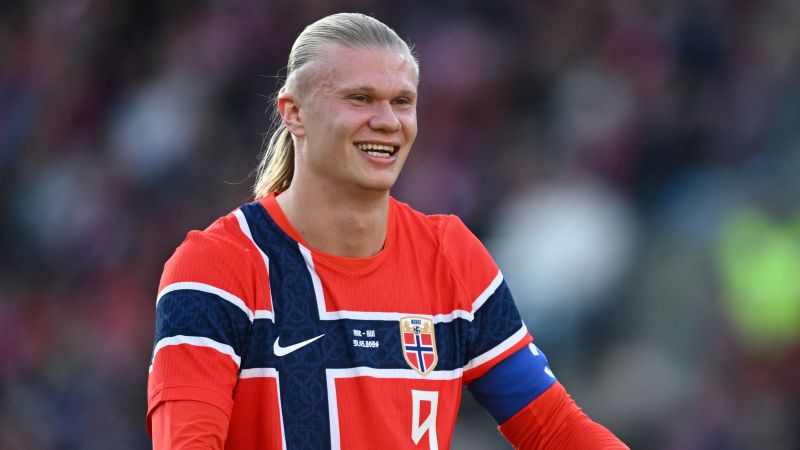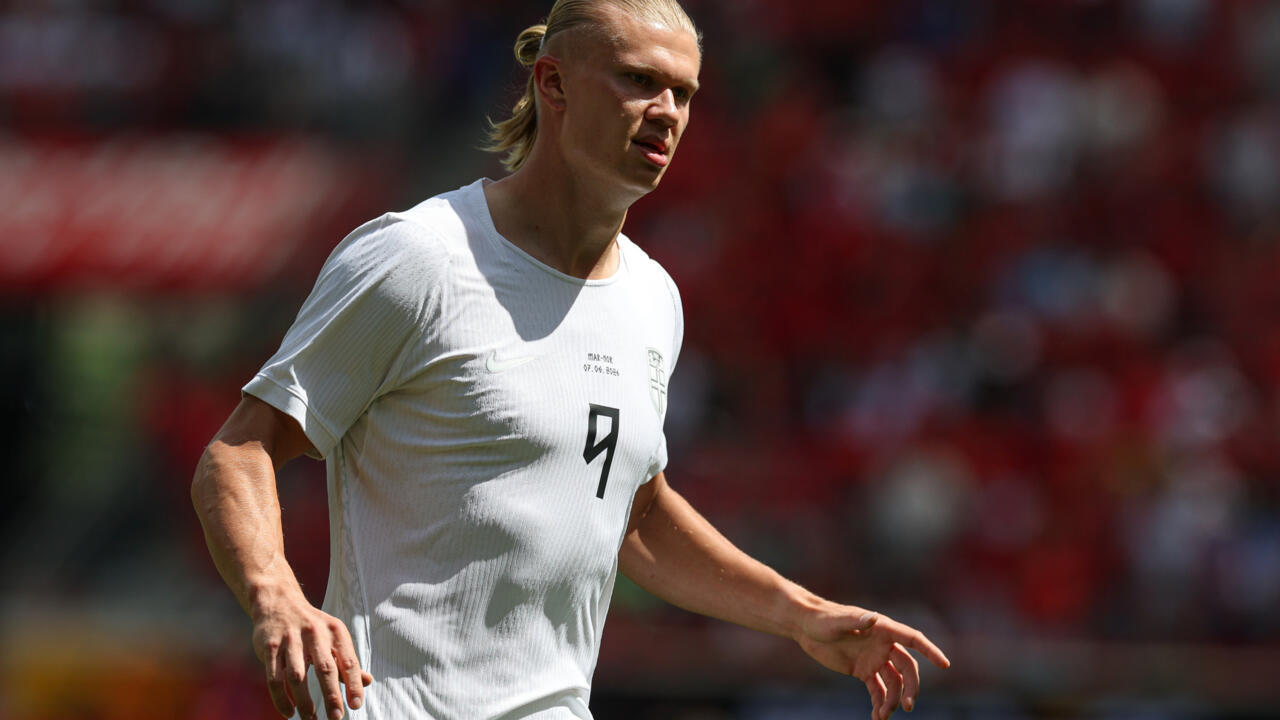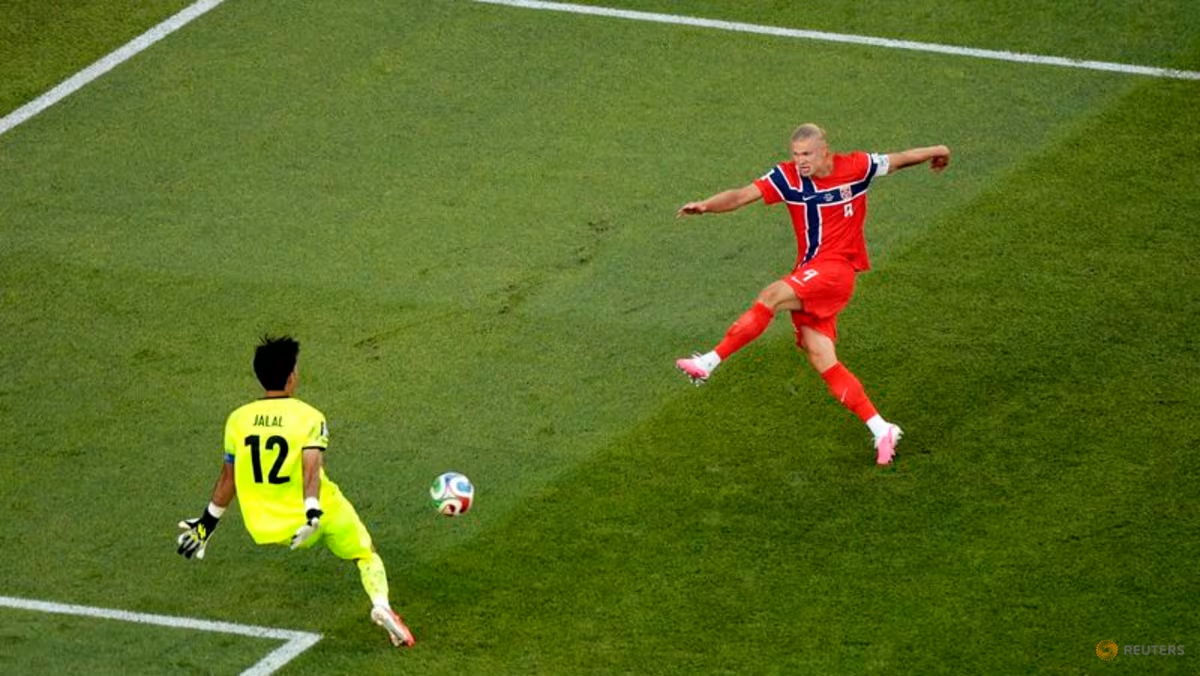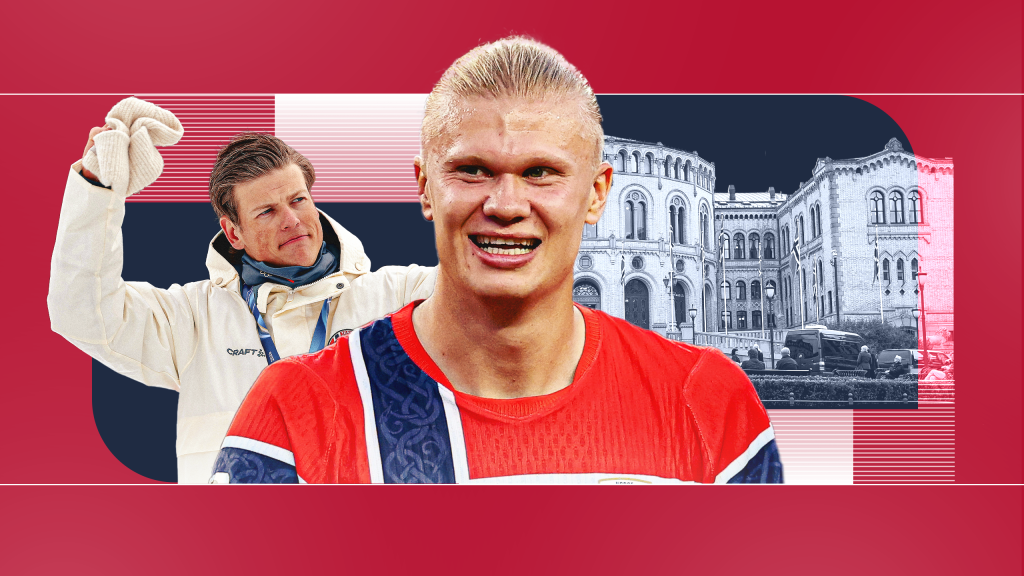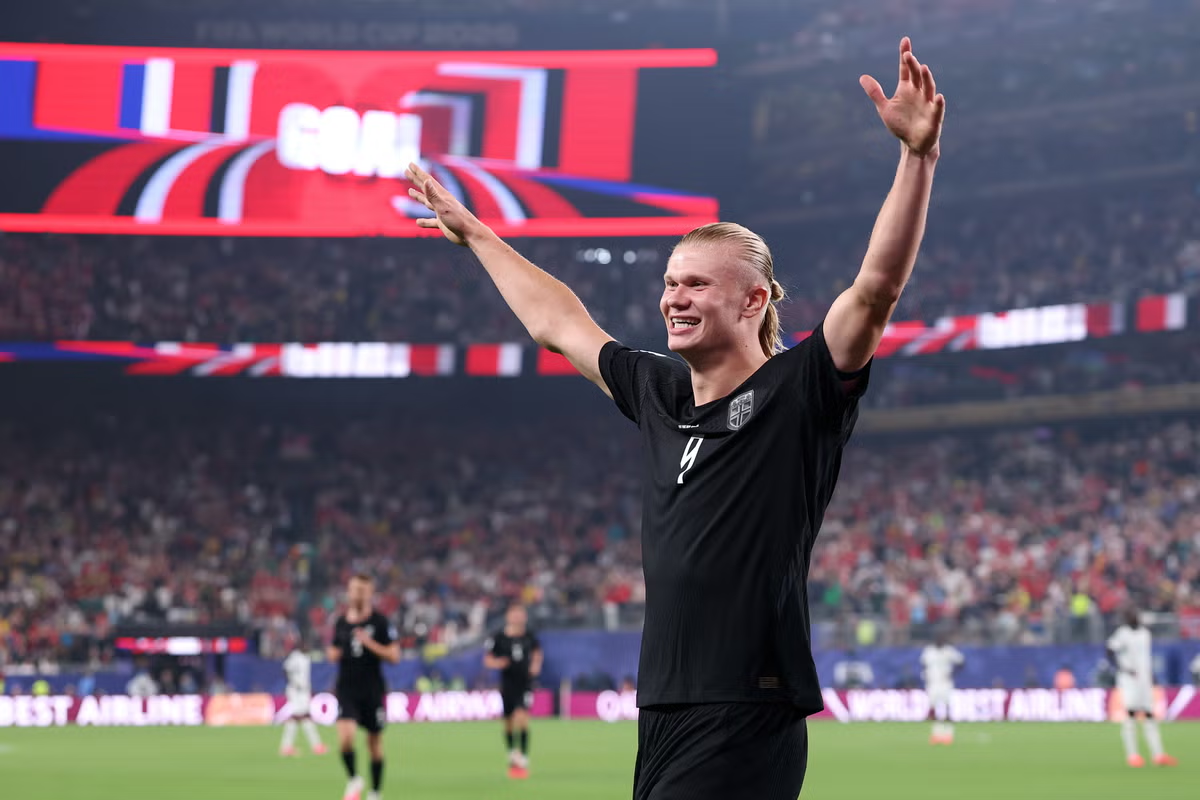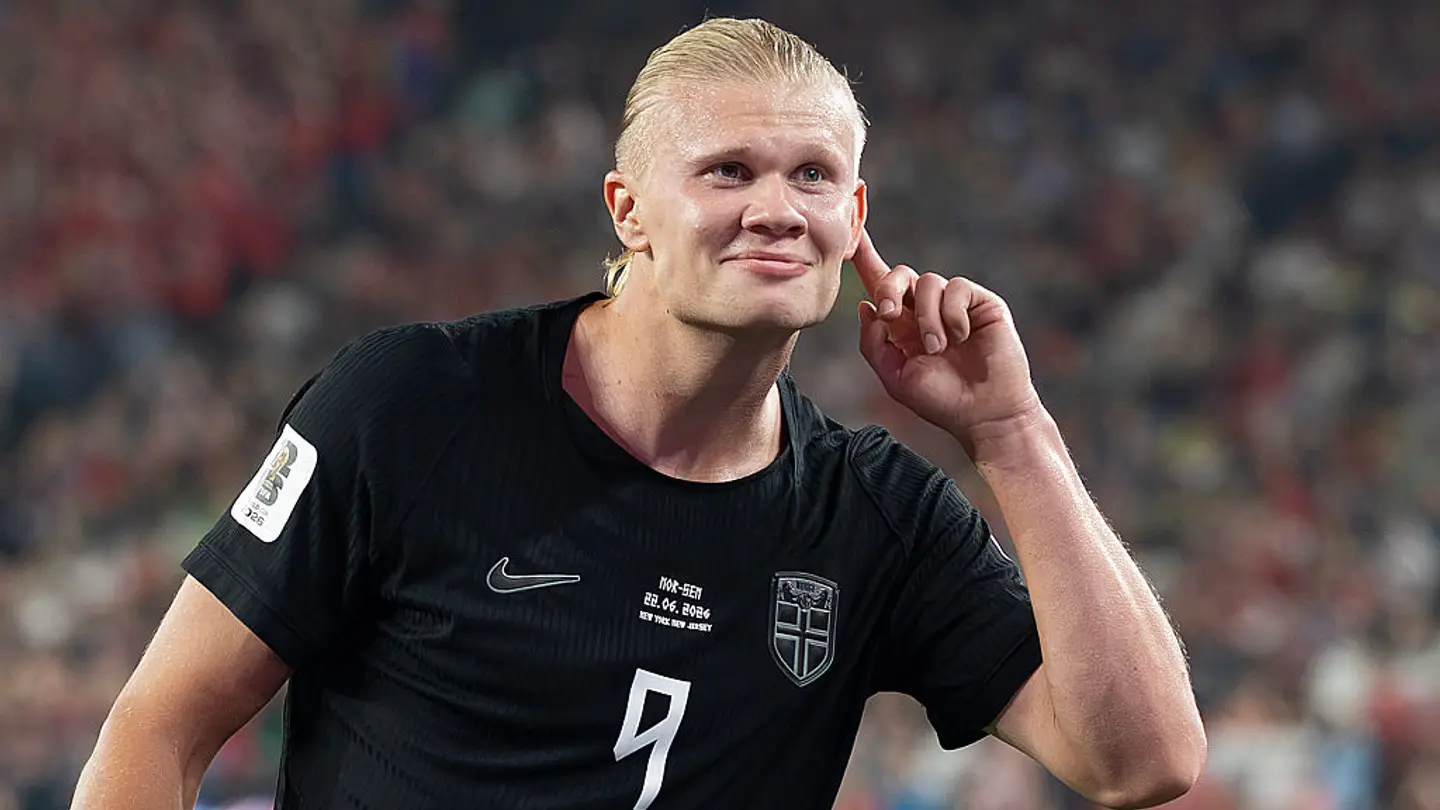
Hakon Grottland can still recite his opening assessment of an 11-year-old Martin Odegaard.“Extreme skills,” read the report, filed to the Norwegian Football Federation (NFF) in 2010. “Two years younger than others. Performs brilliantly. Good touch, good decisions and intelligent positional play.”Odegaard was always special, a standout figure with guidance and invention, but it is no exaggeration to suggest his emergence 16 years ago has also helped revive Norwegian football to the point where many are tipping them to go a long way at this World Cup.Norway won all eight of their qualifying group games to book their place in the tournament at a canter, including two against Italy. They plundered 37 goals in those matches, too. Among that remarkable haul were 16 from the formidable attacking threat that is Erling Haaland, the Manchester City striker. The Scandinavians are one of the most in-form teams in world football.Yet it wasn’t always this way.Norway spent two decades flowing through qualification campaigns after featuring in the 1994 and 1998 World Cups, with their considerable individual promise never enough to deliver.Then, in 2013, the NFF established the Landslagsskolen — National Team School (NTS) — to nurture the country’s best young players. It can justifiably be credited with building Norway’s strongest team in a generation, with most of head coach Stale Solbakken’s 26-man World Cup squad schooled there.The NTS emphasizes culture and collective development. Its role is to identify the best youngsters — boys and girls — aged between 12 and 16 across Norway and then create a pathway for these players into national youth sides.Odegaard, an NTS graduate and now a Premier League-winning captain with Arsenal after spending his formative years at Real Madrid, will also lead Norway when they play their first World Cup finals game since 1998 today (Tuesday) against Iraq in Foxboro, near Boston.Martin Odegaard, then 15, playing for Stromsgodset in 2014 (Vegard Wivestad Grott/AFP via Getty Images)“When we created the National Team School, a lot of it was inspired by our experiences with Martin,” Grottland, now the NFF’s head of player development, tells The Athletic. “Everyone would look at him and say, ‘He has to be a national-team player’. If he didn’t get to that level, it would be our fault.“His brain was something special. He found solutions that no one else saw. Small (physically), but so intelligent.”Odegaard is not alone in benefitting from the NTS.Haaland emerged through the programme long before he shot to stardom, along with Antonio Nusa (now at RB Leipzig), Jorgen Strand Larsen (Crystal Palace) and Andreas Schjelderup (Benfica).“I was the ambassador for this talent camp when I was in the middle of my career,” says Brede Hangeland, the former Fulham and Norway defender who is now an assistant under Solbakken. “That was the first time I met Haaland and Odegaard. I could see they would be good. Martin because of his technical ability and Haaland more because of his attitude.”How so?“I was captain of the national team at the time and most of the 14-year-old boys there could barely look me in the eye,” adds Hangeland. “Not Haaland. I remember asking him what he wanted to become when he was older, and he said, ‘I want to be the best striker in the world’. I’ll never forget that, because, 10 years later, here we are.”Hangeland has his regrets from an international career that spanned 12 years and 91 Norway caps.Despite playing alongside John Carew, John Arne Riise and Morten Gamst Pedersen — all Premier League stars in those days — qualification for a major tournament proved elusive. Norway had household names but those individuals rarely combined to make good teams. “The distance between the best players and the bottom players in the squad was too big,” Hangeland says.Norway was left to pine for the 1990s, when a national team led by the eccentric Egil Olsen beat Mexico in the United States-hosted 1994 World Cup and then famously conquered champions Brazil in France four years later through Kjetil Rekdal’s late penalty. A narrow 1-0 loss to Italy in the round of 16 at that tournament, when Solbakken was in the squad, was the last the World Cup had seen of Norway until now.
How Norway became a World Cup force (and it’s not just about Erling Haaland)
A 'no a**-holes' mindset, overhauling facilities and some superstar players have sparked a stunning transformation
2,046 words~9 min read