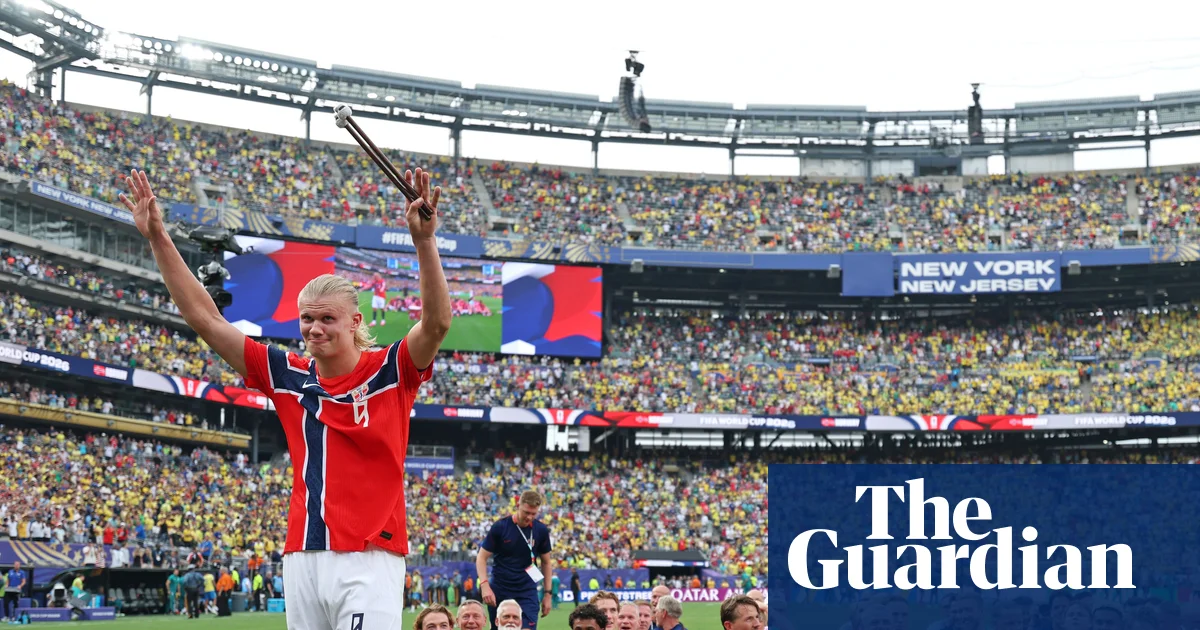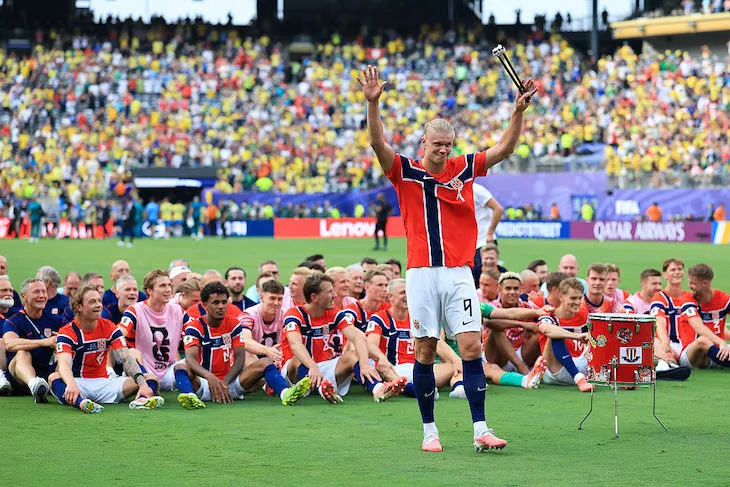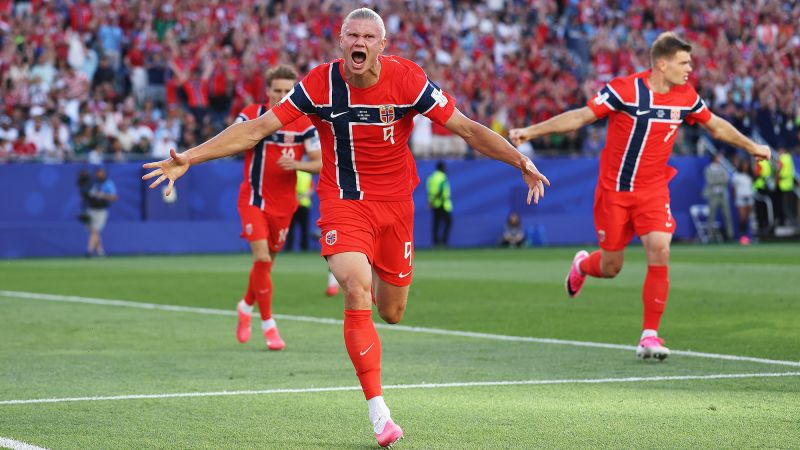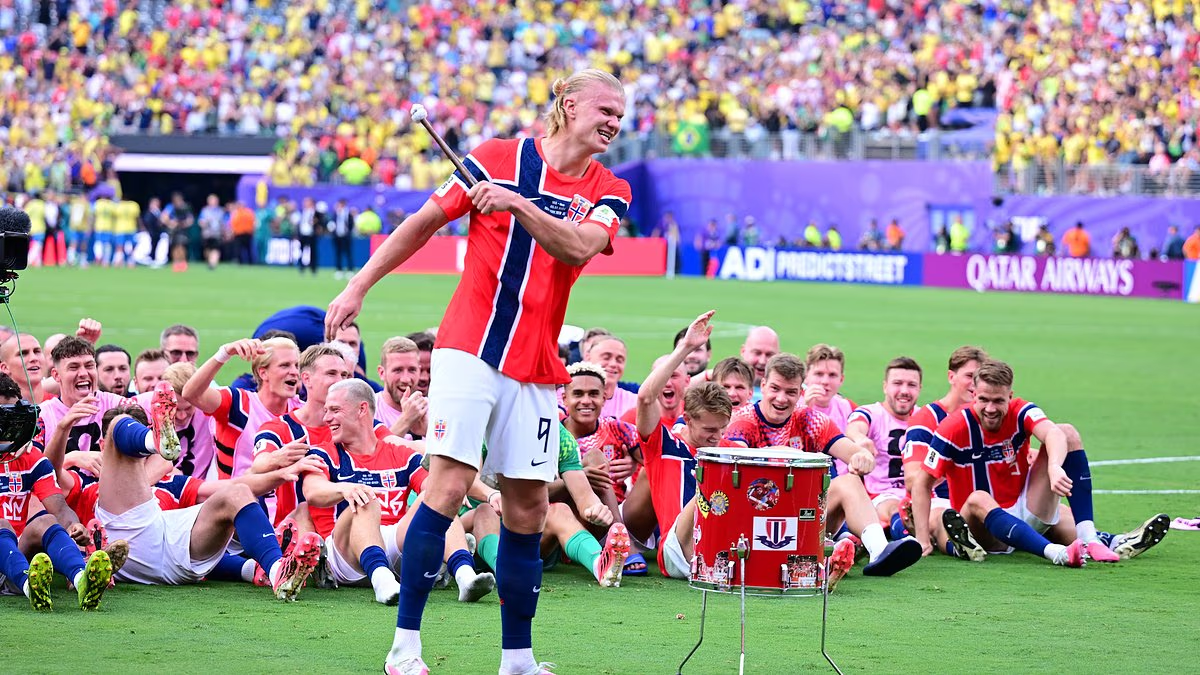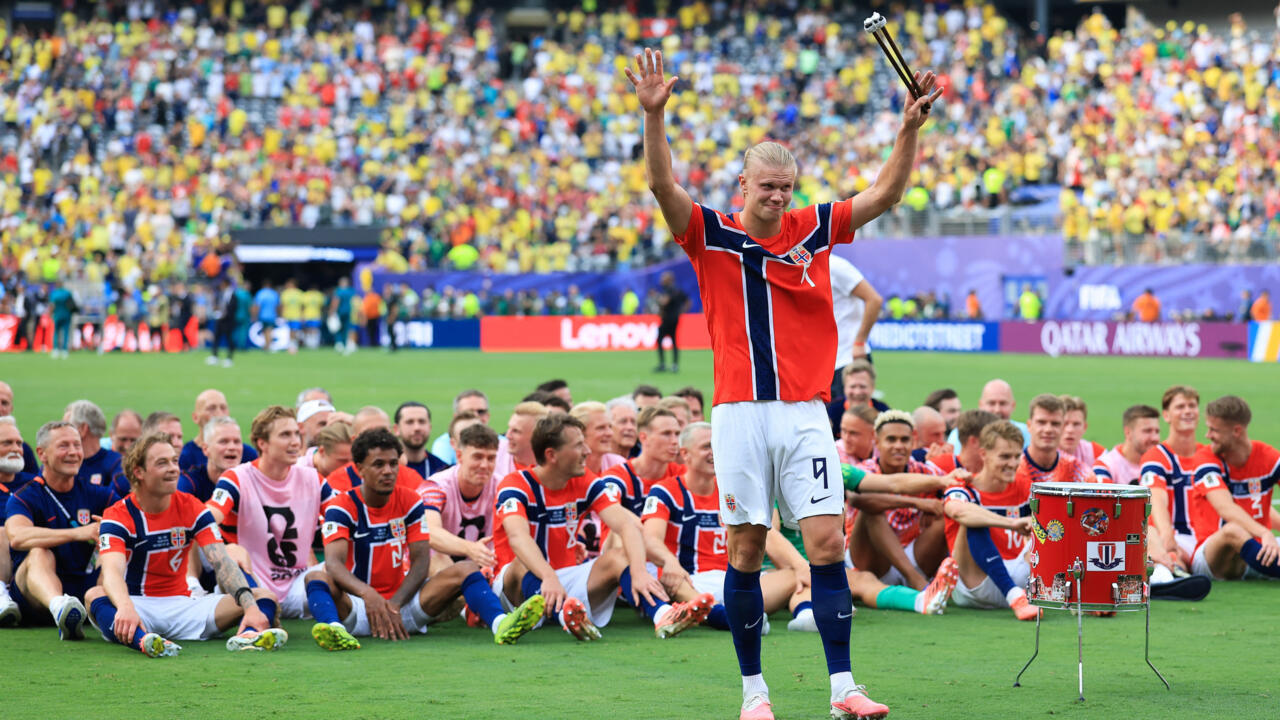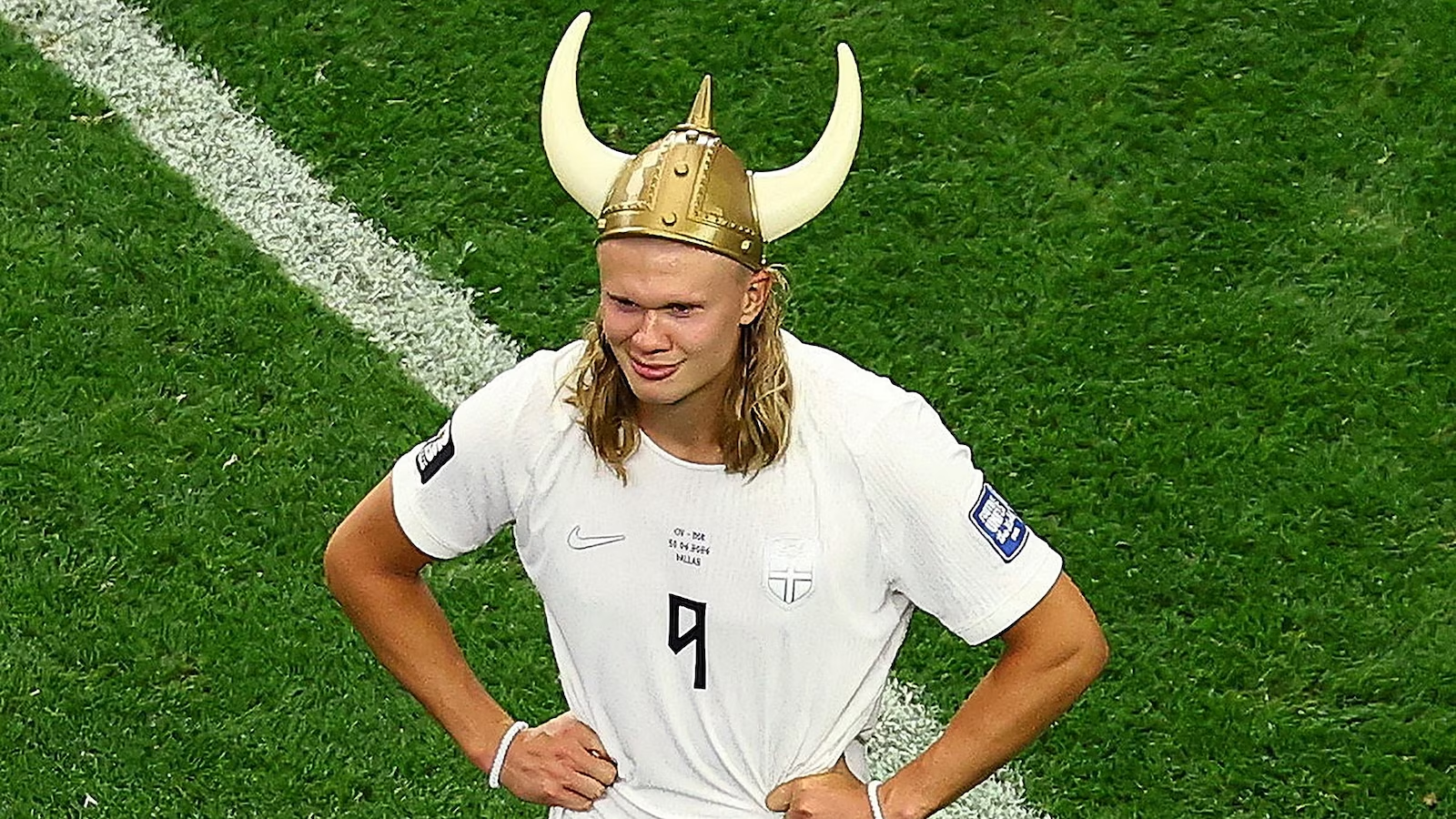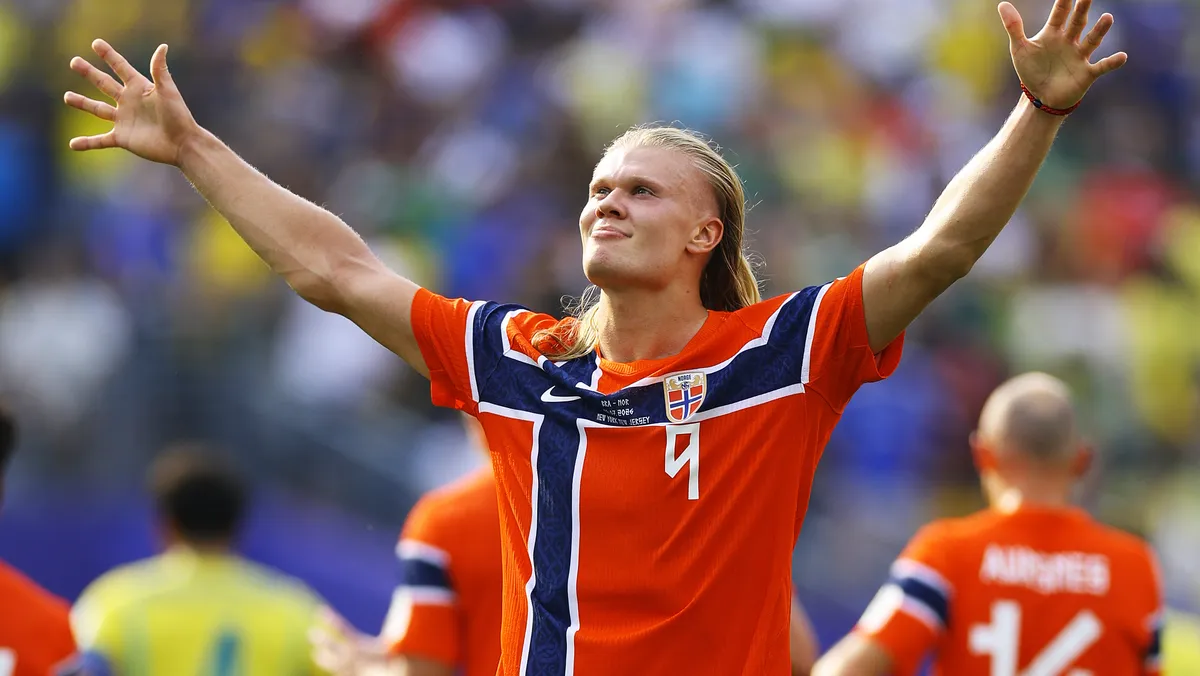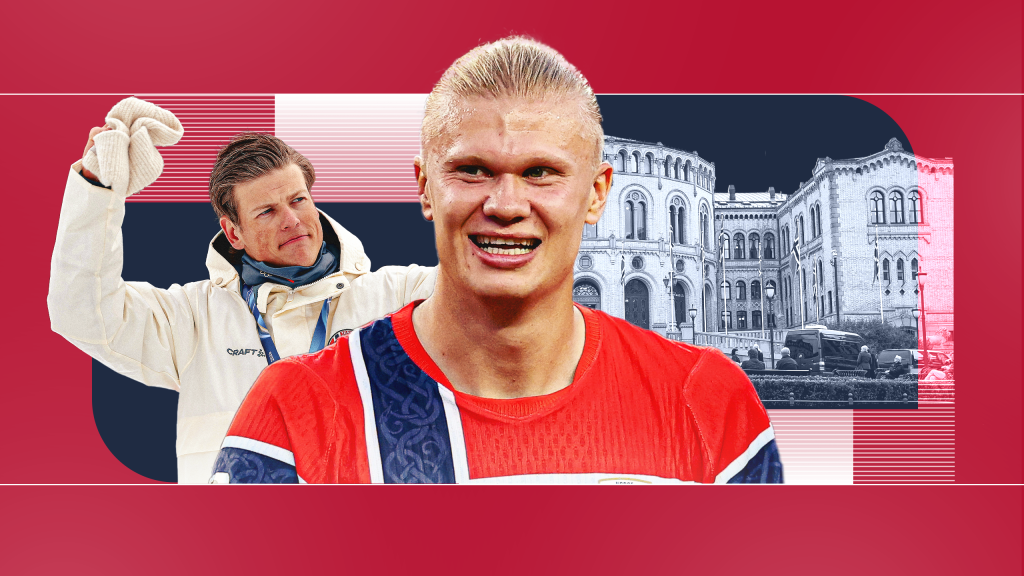
As Norway takes the pitch for the World Cup quarterfinal against England on Saturday, the Scandinavian nation’s world-renowned youth sports model is back in the spotlight. Subsidized by public funds and emphasizing inclusion over competition, the Norwegian approach to children’s sports participation is routinely credited for helping the country of 5.6 million produce generation after generation of elite skiers, runners and now soccer players.
But while Erling Haaland and his band of striking Vikings have taken the 2026 World Cup by storm, Norwegian sports officials have been wringing their hands about the future of the nation’s sports model. Social media and fitness-tracking platforms like Strava have grown popular, especially among Gen Z, who value more individualized athletic pursuits over the traditionally community-based Norwegian sports and recreation systems. Economic uncertainty is threatening public funding for the sports industry, and recently proposed tax reforms may dent the affordability of fitness centers and other sports expenses for everyday Norwegians.
In a public statement released on June 25, Norwegian Sports Federation (NIF) president Zaineb Al-Samarai called the proposed tax reforms “shocking.” Released in June by a government-appointed commission, the comprehensive tax reform is meant to address long-term challenges to the Norwegian economy, including an aging population and increasing geopolitical instability. The proposals include implementing value-added tax (VAT) on commercial sporting events and certain insurance policies, while removing the VAT exemption on fitness centers.