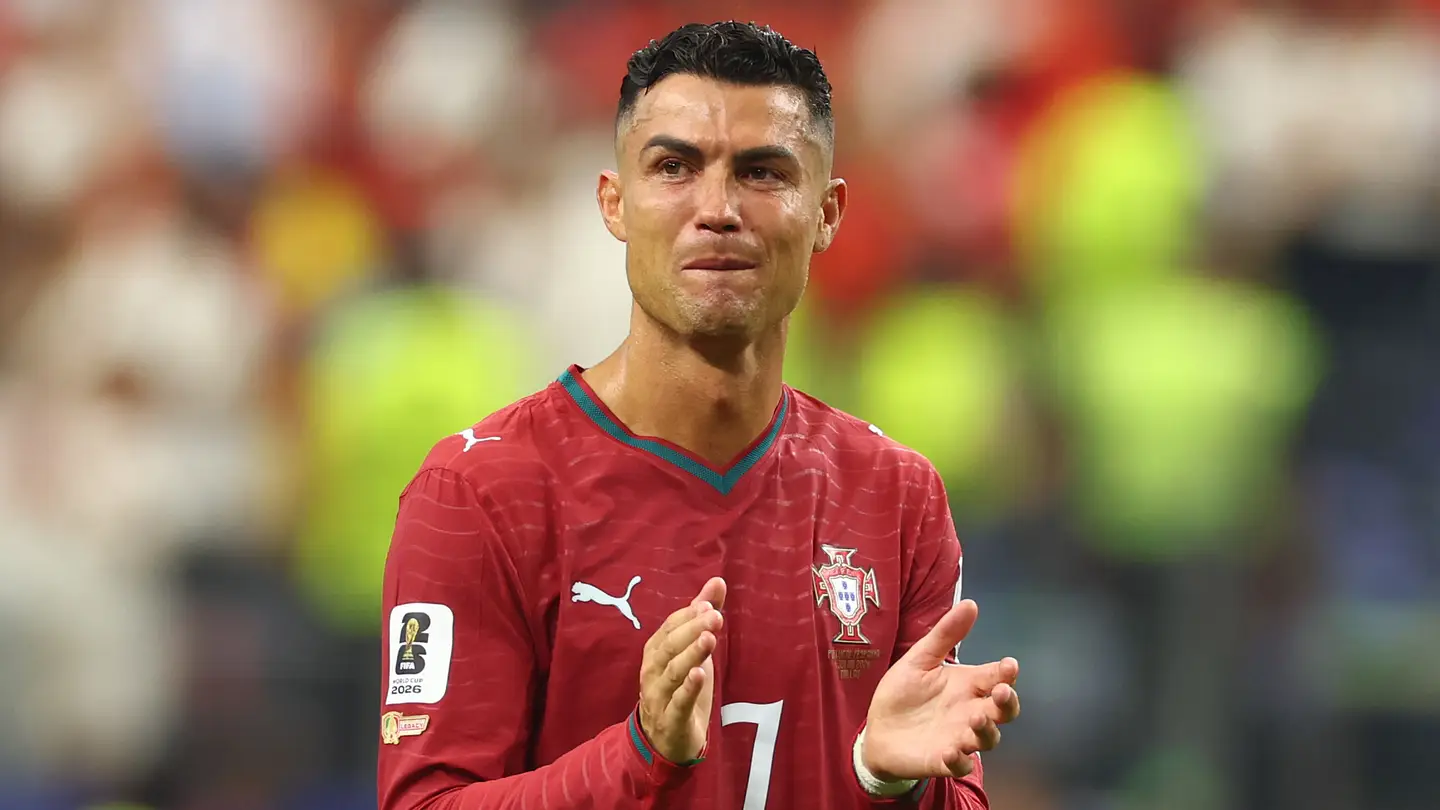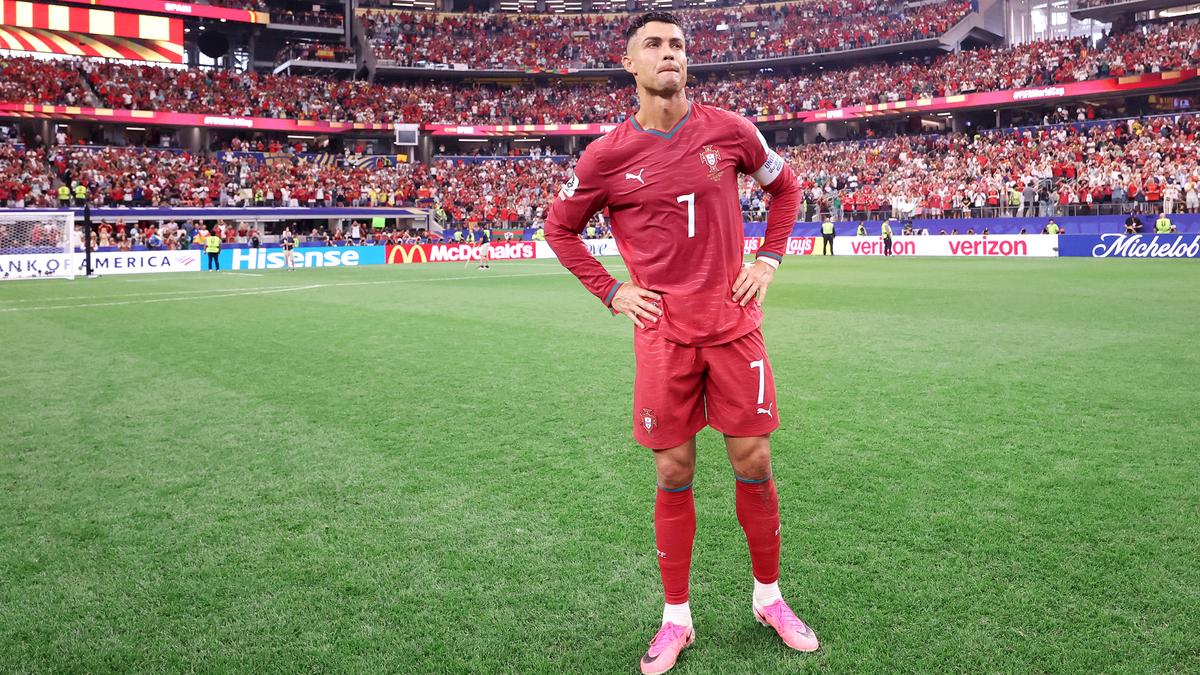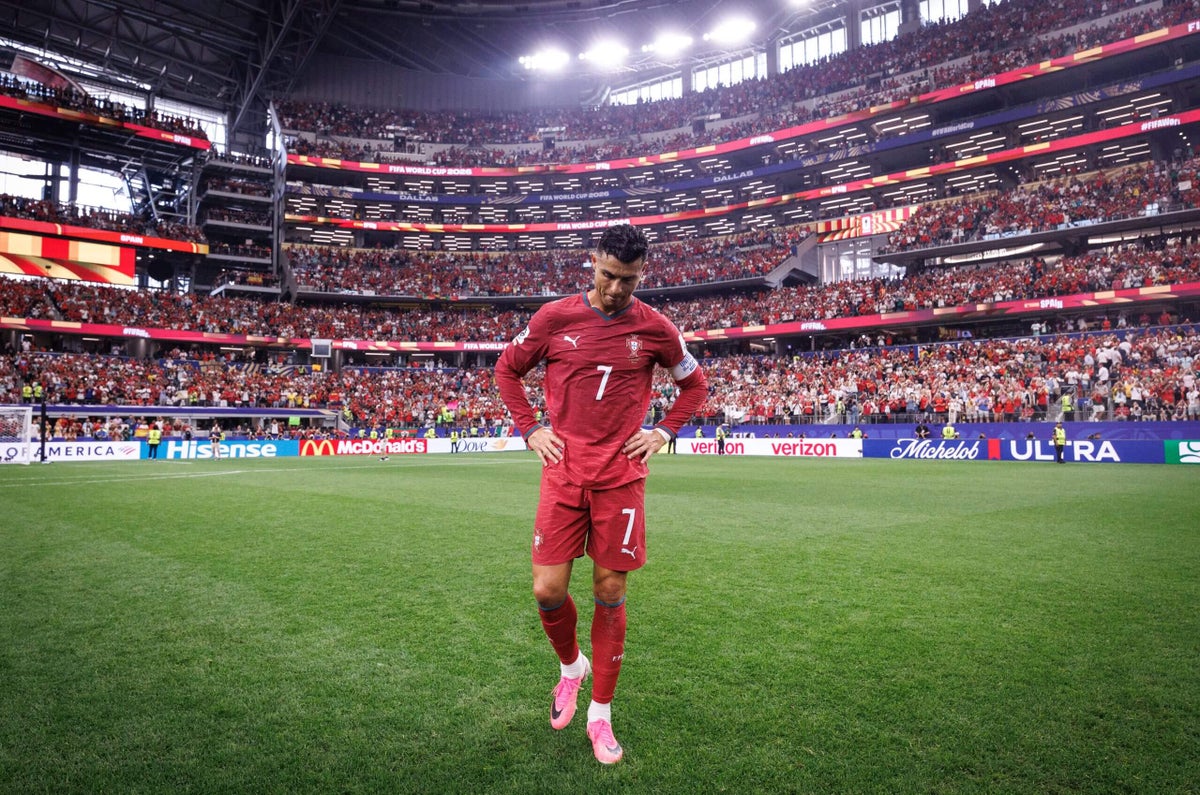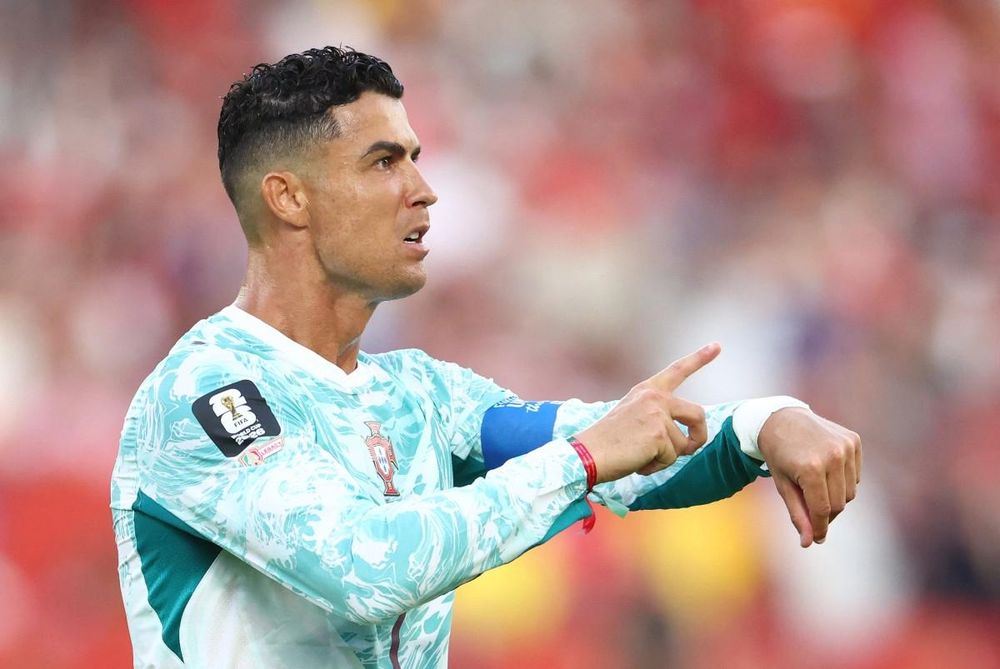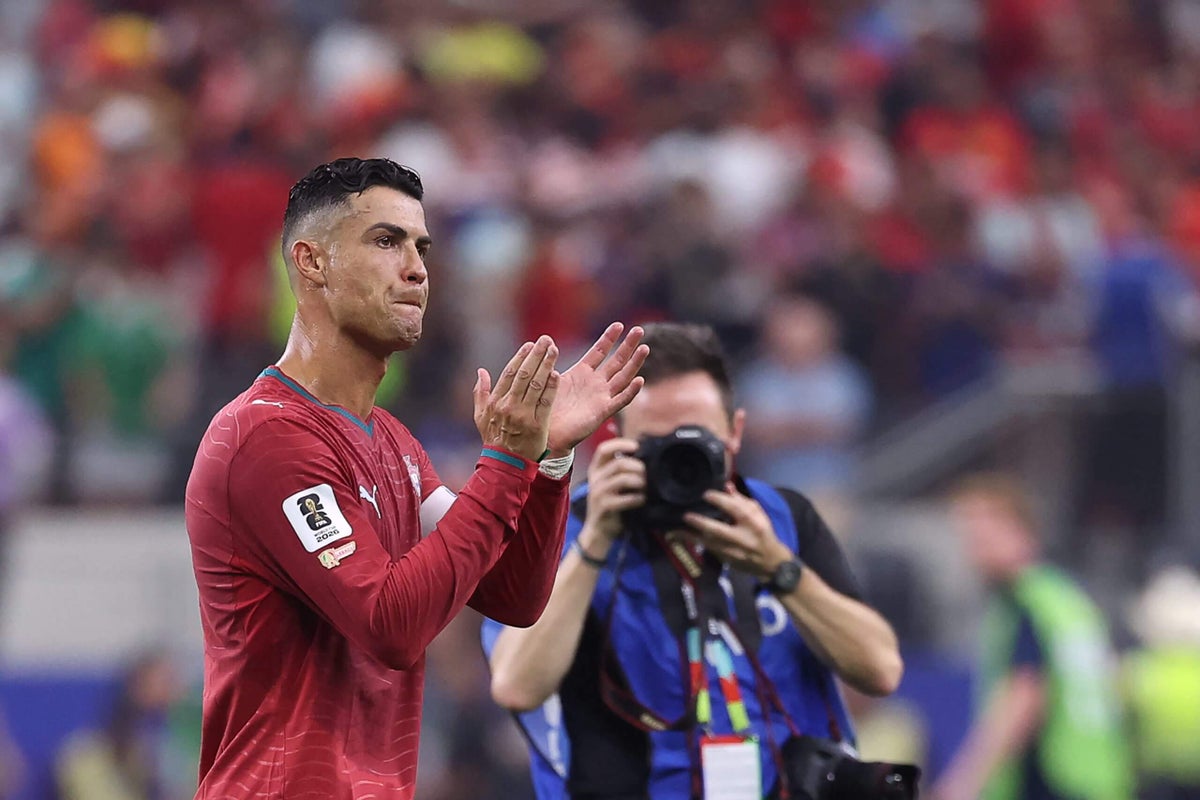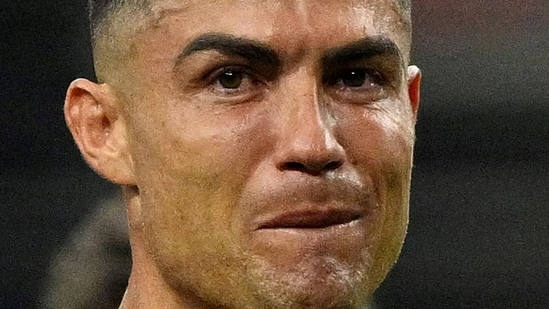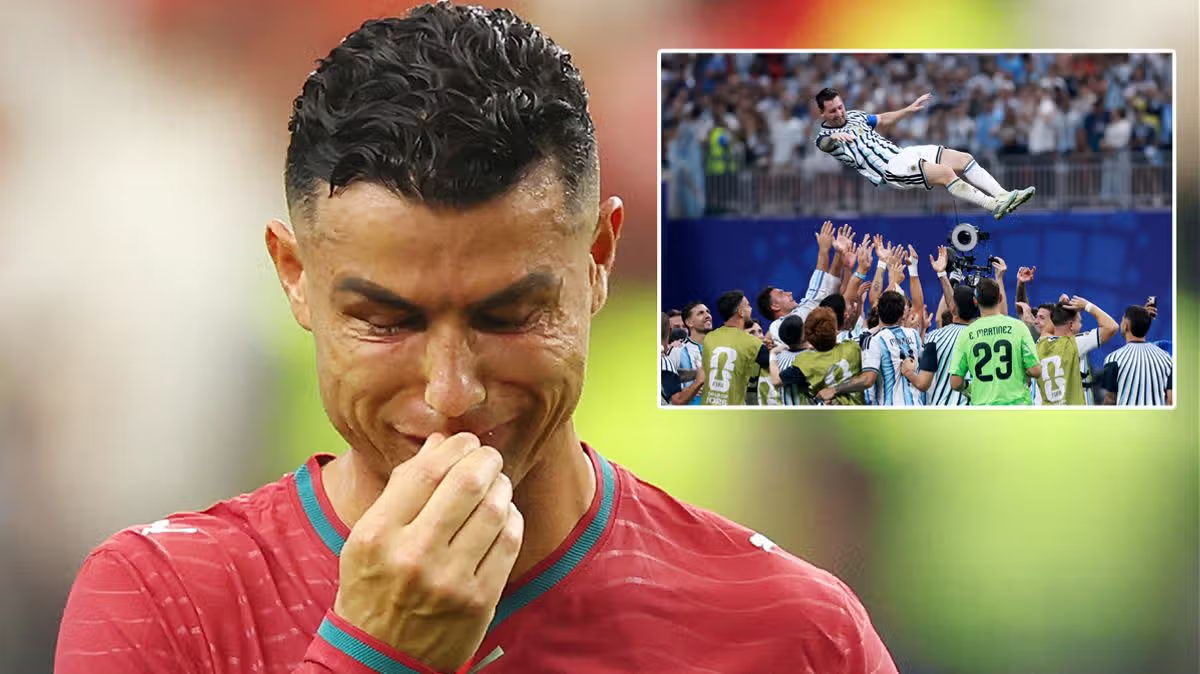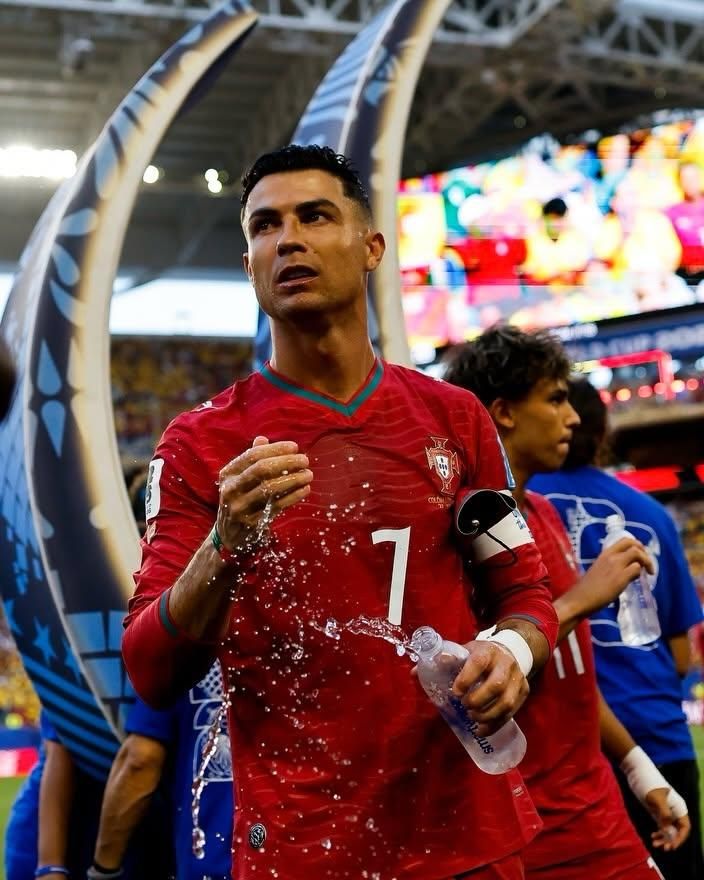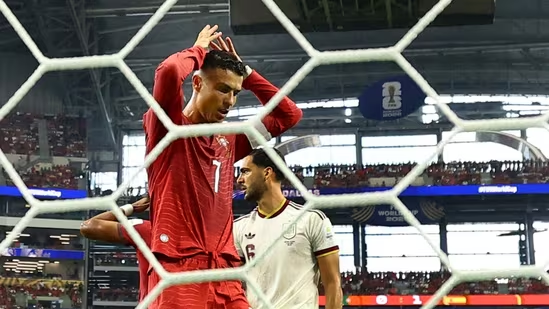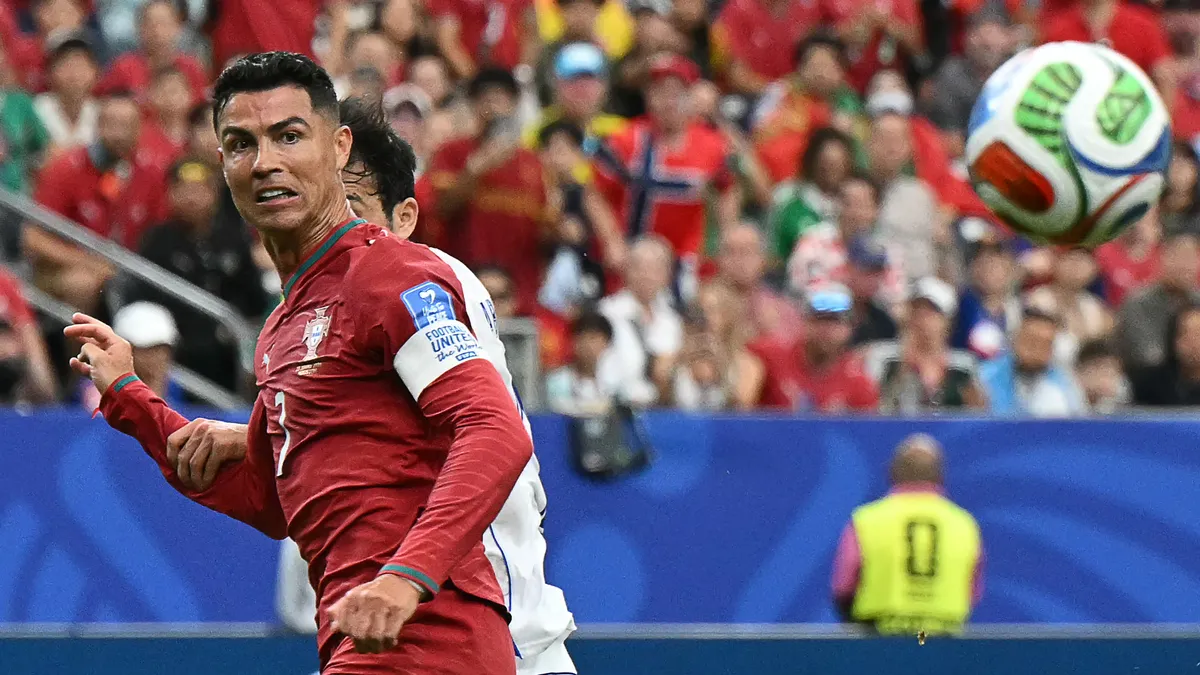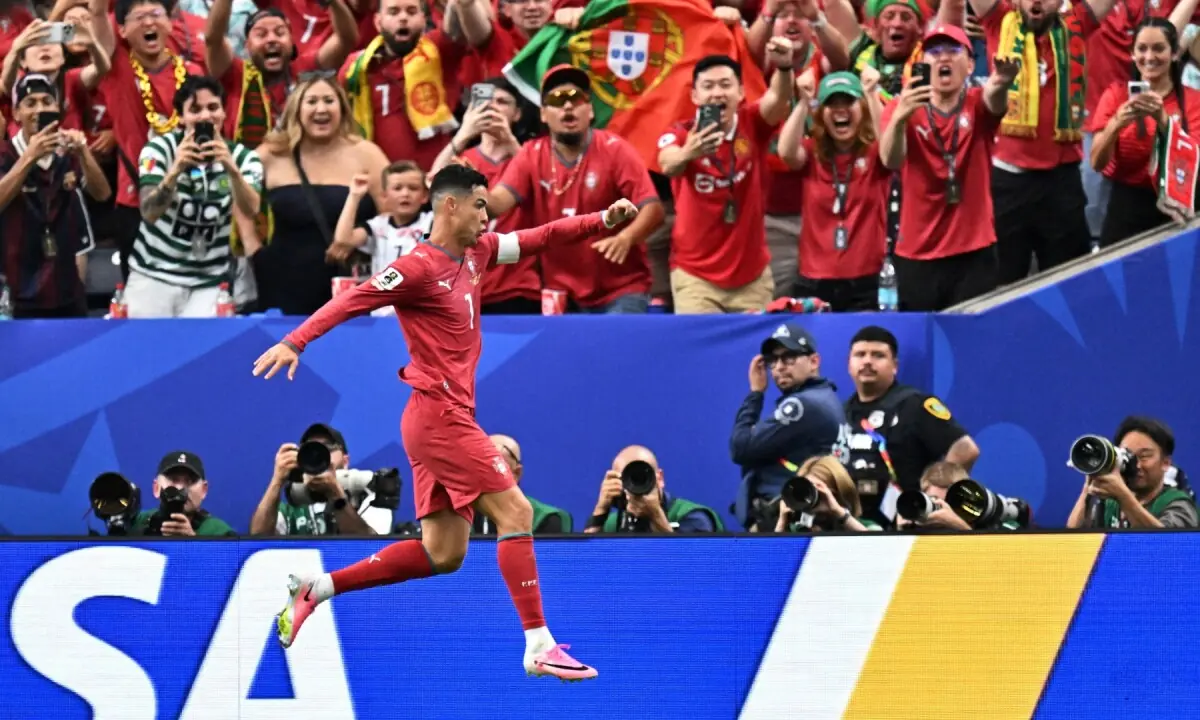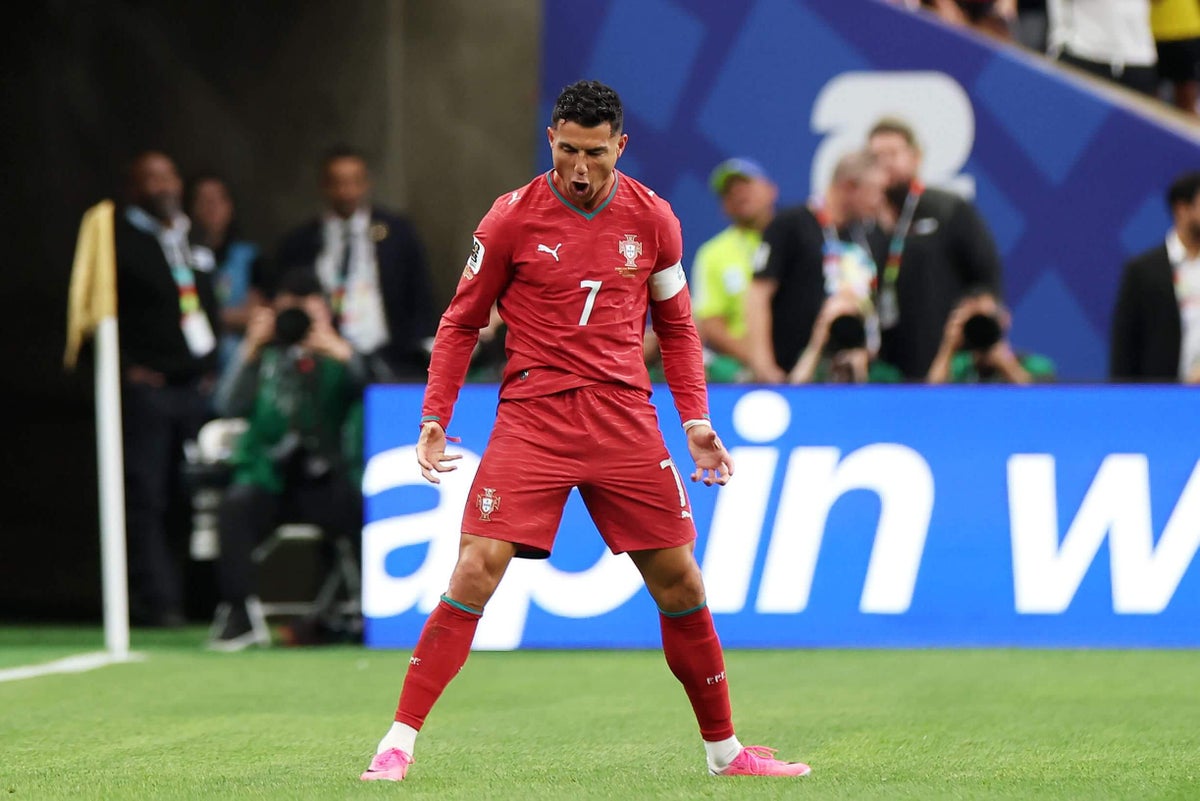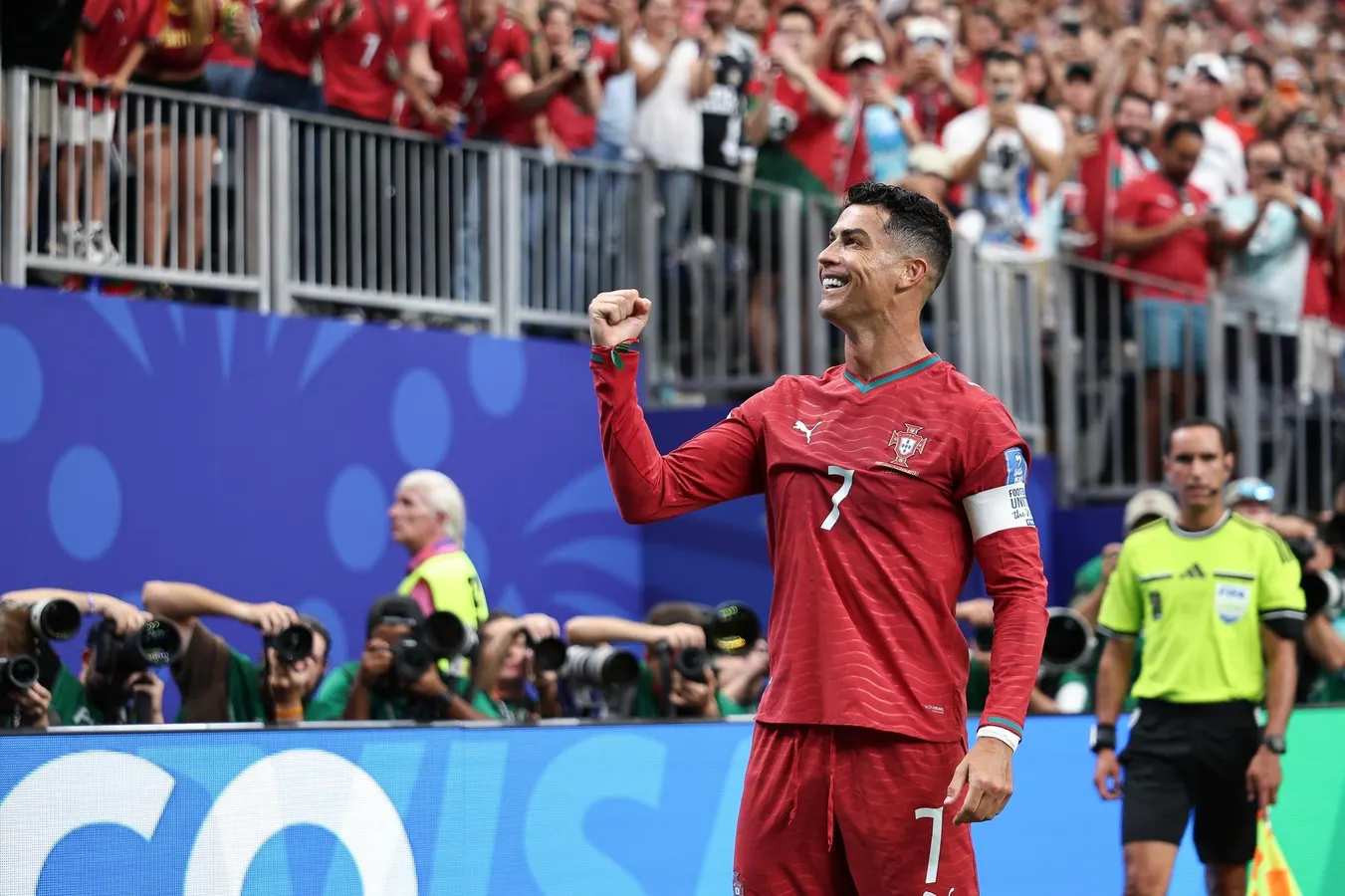
Portugal’s forward Cristiano Ronaldo (L) heads the ball to score his team’s first goal during the Qatar 2022 World Cup Group H football match between Portugal and Uruguay at the Lusail Stadium in Lusail, north of Doha on November 28, 2022. Photo by Kirill KUDRYAVTSEV / AFP.
The final whistle did more than bring another match to its conclusion. It closed an argument that had endured for almost a quarter of a century, an argument that was never really about football but about the possibilities of a human life. For twenty-three extraordinary years, Cristiano Ronaldo invited the world to watch an experiment unfold before its eyes. It was an experiment conducted against one of the oldest assumptions humanity has ever accepted: that people are ultimately confined by the circumstances into which they are born and the limits they first inherit. Some athletes leave behind trophies, while others leave behind records that future generations eventually surpass. Ronaldo leaves behind something far more enduring. He leaves behind an idea.
It is the idea that a human life need not remain what it was at the beginning.
Long before museums preserve his boots, shirts and medals behind polished glass, history may remember Cristiano Ronaldo for something less tangible yet infinitely more significant. He transformed self-improvement from a private discipline into a public spectacle. Every sprint, every leap, every celebration, every tear and every lonely hour spent inside a silent gym became part of a lifelong declaration that destiny is not merely discovered but negotiated. Whether one admired him or questioned him, one truth remained impossible to deny: he never surrendered quietly to circumstance. That relentless refusal may ultimately become his greatest achievement.