Story audio is generated using AI
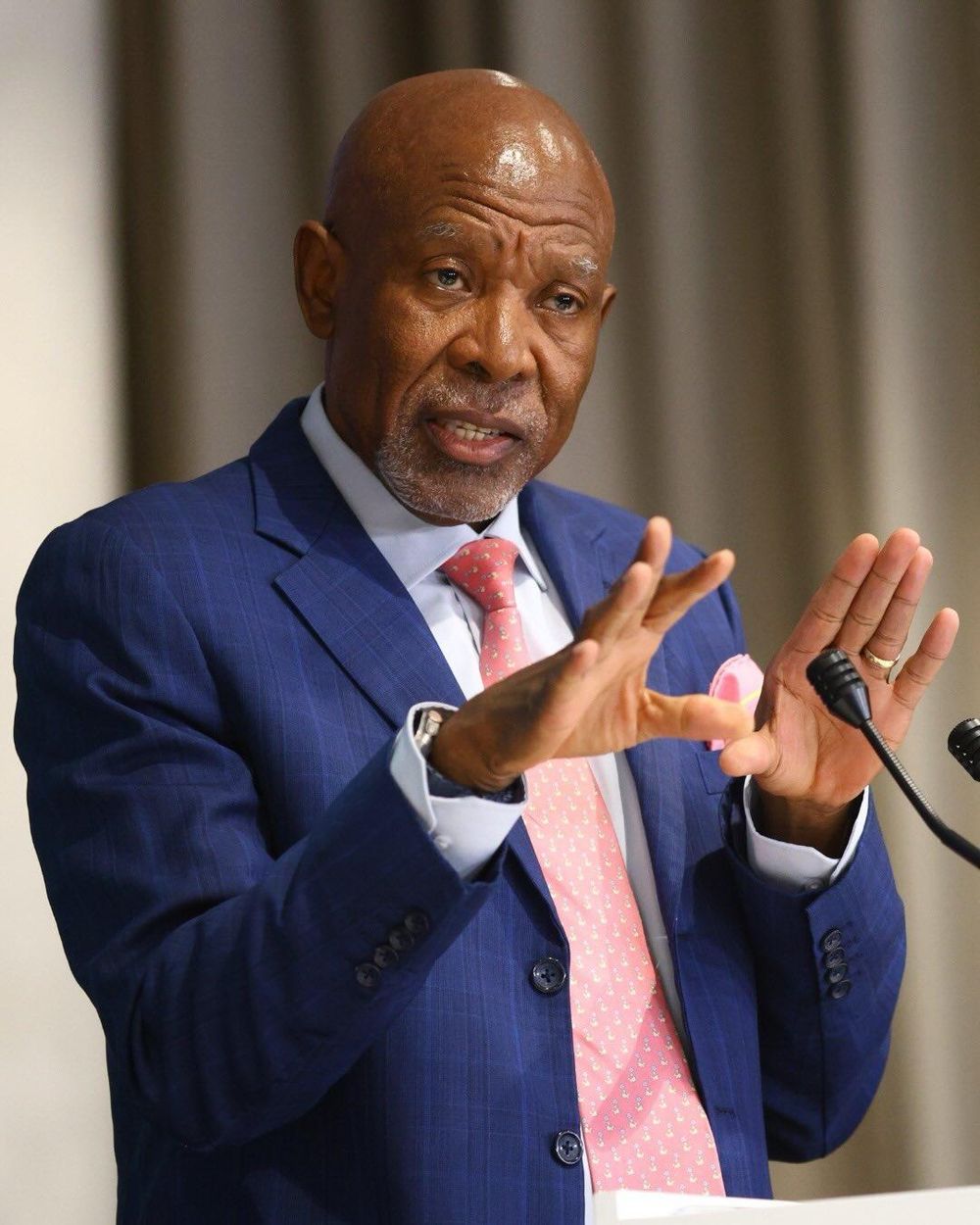
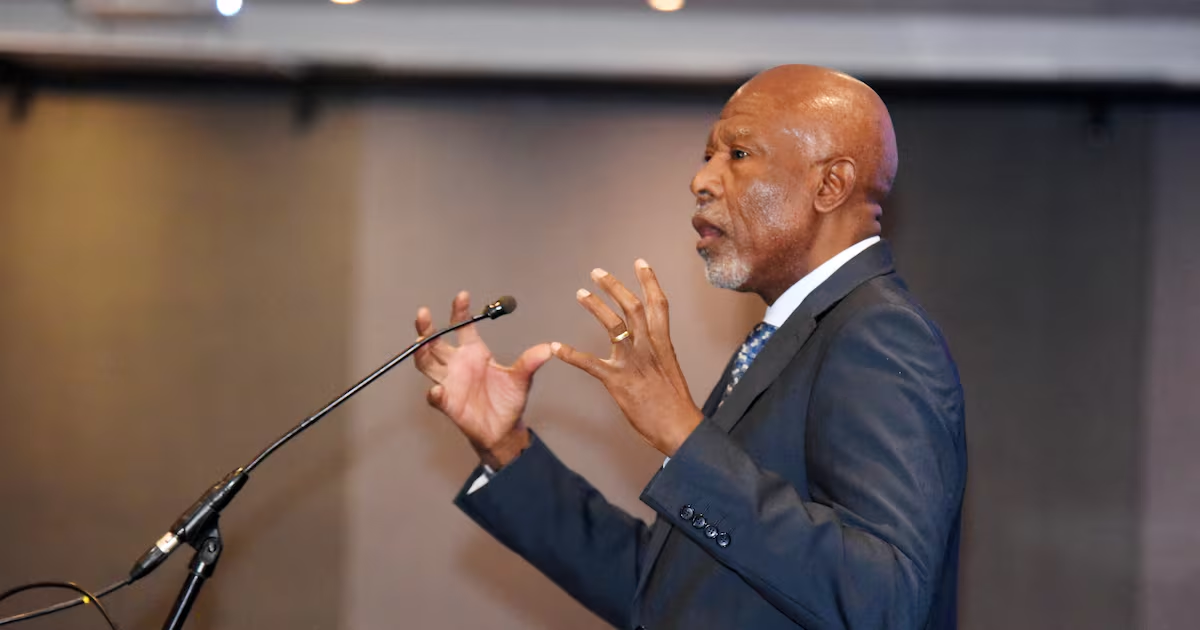
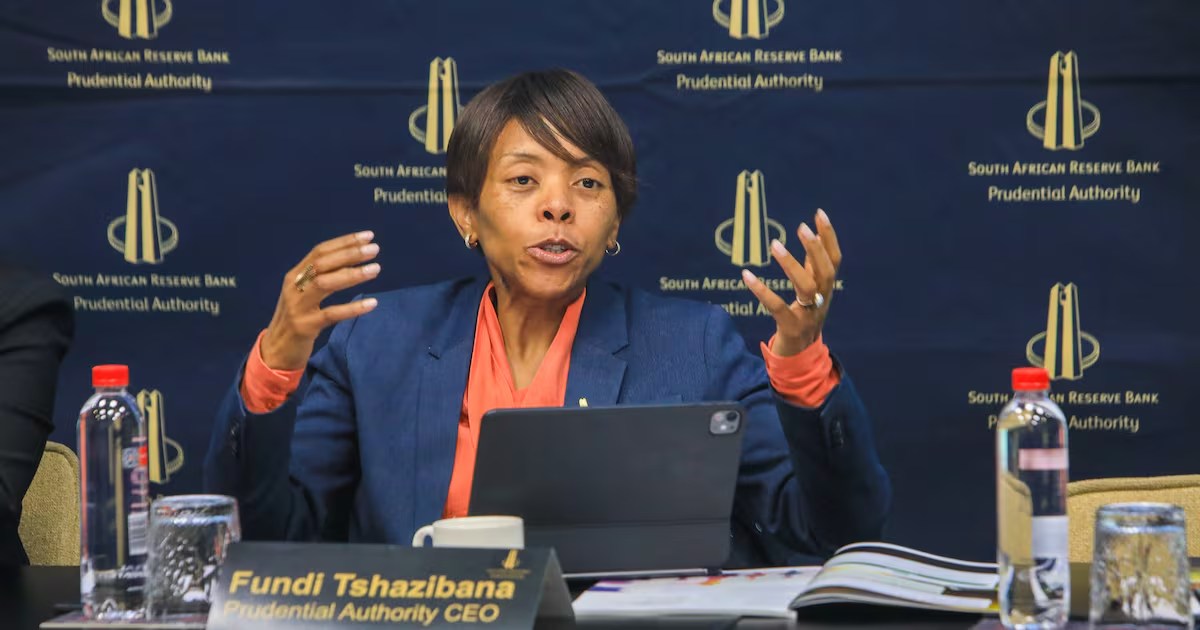
Incumbent banks have called on the central bank to ensure a fair payments system as South Africa’s non‑bank entities, including retailers and telcos, enter the payments ecosystem, according to Prudential Authority CEO Fundi Tshazibana.Unpacking the Prudential Authority’s 2025/26 annual report, Tshazibana told journalists the entry of non-bank entities would not be easy for incumbents.“Have incumbents been receptive? No, it is never easy. Every change when you are bringing outsiders into a space is not easy. What the incumbents are asking for is a system that doesn’t allow others in and put us on the back foot. That is the conversation we have been having,” she said.In May the Prudential Authority published the third version of its proposed amendments to the payments regulatory framework for public comment, aimed at ensuring the right balance between new players and incumbent banks.“At the end of the day, no one welcomes competition. Competition is good for the public, but it might not be good for existing players,” said Tshazibana.Similar to earlier payments reforms, some lenders previously had more ATMs than others, creating an “era of discomfort” before banks adapted and moved on, she said.Non‑bank players have offered financial products through third‑party arrangements with licensed financial institutions, which has served as a safeguard in the payments ecosystem“We suspect this is what will happen in the payment space, but we’re in the environment where we’re still consulting, and we believe inside the central bank that what we’re doing in modernising the payment system will be good.” The central bank is modernising the National Payments System to include non-bank entities like retailers and telcos, paving the way for them to operate without the requirement of a sponsoring bank.Non‑bank players have offered financial products through third‑party arrangements with licensed financial institutions, which has served as a safeguard in the payments ecosystem.The payment reforms mean that the non-bank entities will no longer require a sponsor bank at the back end. “We have had to do a lot of work thinking about what that means because this has got profound implications on customers,” Tshazibana said.She said bank customers, whether the bank is a mutual, co-operative or a commercial bank, are covered by depositor insurance of up to R100,000 when things go wrong as a safety net.As the framework evolves, the Prudential Authority has had to ask questions about deposit-taking. “The second you are not licensed and are doing something that is deposit-taking, that is illegal deposit-taking. We will find you. We will not find you for ourselves, we are finding you because you have misled customers and have placed them at risk. That is why we take illegal deposit-taking so seriously. If you want to be deposit-taking, you must be licensed for deposit-taking. So that you comply with safeguards.”Tshazibana said as part of the reforms, the Prudential Authority had to ask what it would mean for customers if payment providers — some of them retailers and telcos — no longer had a sponsor bank providing safeguards.We have had instances where we discovered that, within the ecosystem, there is not sufficient understanding of who is responsible and accountable— Fundi Tshazibana, Prudential Authority CEO “How long can the money be with them in order for us not to regard this as a deposit? That is the work we have had to do.”She said the Prudential Authority had defined narrowly what is a payments transaction and what is a deposit transaction. “What will help us somewhat is putting safeguards in place around payments. They will have some capital requirements, although not the same as banks. We also had to think about the thresholds that trigger a transition from payment authorisation to being a licensed deposit‑taker — that is how we are managing the fine line.”Tshazibana said that when things go wrong with third‑party arrangements, it becomes difficult to determine who is accountable.“We have had instances where we discovered that, within the ecosystem, there is not sufficient understanding of who is responsible and accountable. We hold the financial institutions we supervise to a higher standard. If you allow someone else to utilise your licence, the obligation does not change because you take all those customers into your perimeter.”Still, while South Africa’s banks remain liquid despite external pressures, the economy continues to struggle, Tshazibana said. “When one looks at the level of growth, we are still not reaching 2%, and that contributes to strain on financial‑sector customers. When customers are under strain, they make particular choices, and those choices affect financial institutions.”She said non‑performing loans are closely linked to economic growth prospects.According to the annual report, total banking‑sector assets grew by 10.25% to R9.075-trillion at the end of March 2026, from R8.231-trillion in March 2025, driven by increases in gross loans and advances as well as in investment and trading securities.Business Times