Story audio is generated using AI
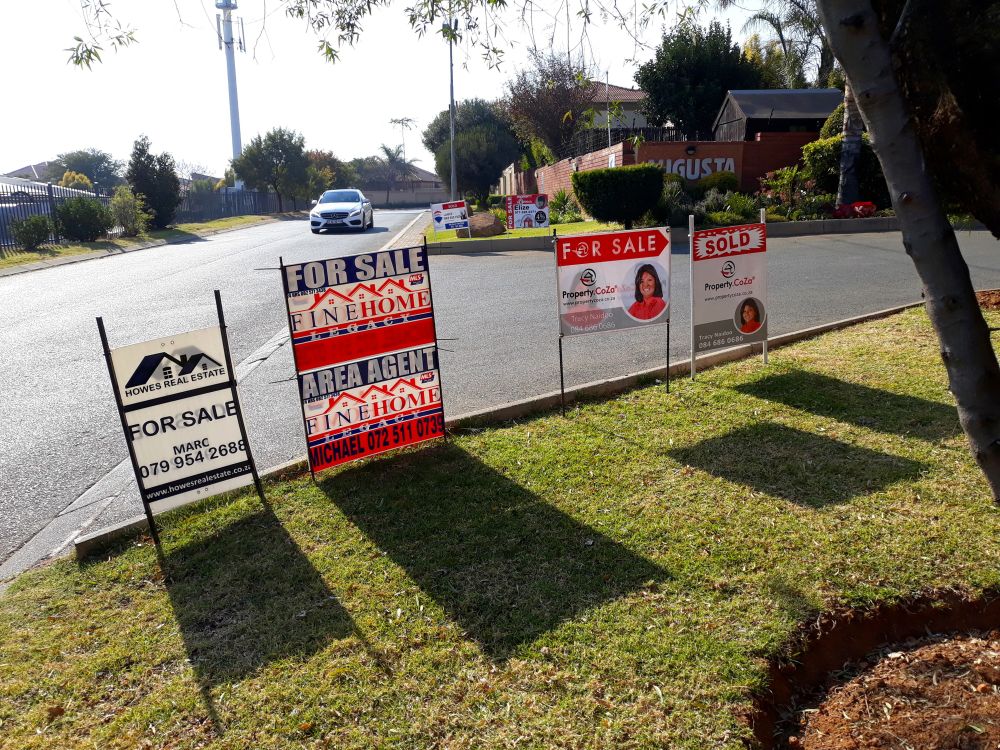
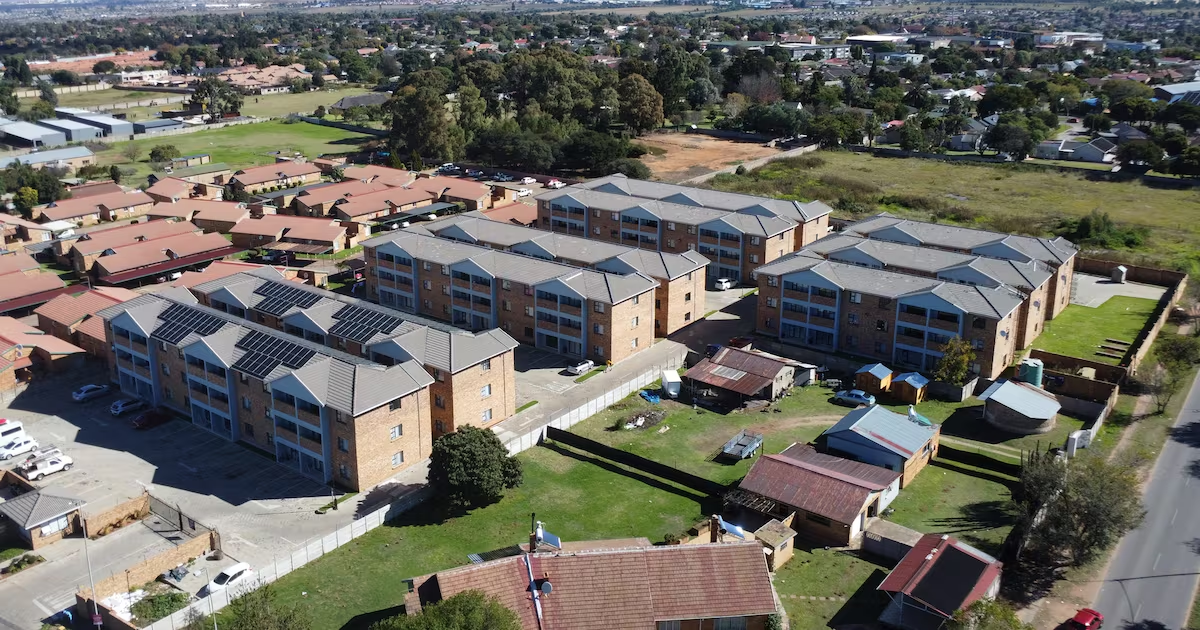
While the 25-basis-point increase in interest rates at the last South African Reserve Bank monetary policy committee (MPC) meeting may have marked the end of the downward cycle in borrowing costs, another hike at next week’s meeting appears unlikely.The key difference this time is the trajectory of international oil prices. For much of the first half of the year, higher oil prices and, by extension, higher petrol prices were the main drivers of the increase in consumer inflation, which rose to 4.5% in May from an average of just 3.2% in 2025. Since peaking in early May, when prices were driven higher by geopolitical tensions surrounding the US-Iran conflict, the price of oil has fallen sharply to around $67.30 a barrel in early July. This cooling in oil prices weakens the case for another interest rate hike so soon.That said, there is little room for complacency. Negotiations between the US and Iran remain fragile, and tensions have resurfaced this month. Within days, oil prices have begun to rally once again. The Lesetja Kganyago-led Reserve Bank will therefore be making decisions in a far less predictable environment for the remainder of the year, making a cautious, wait-and-see approach more likely than another change in rates.Overall, however, the interest rate environment has been relatively favourable for consumers and households in recent years. The prime lending rate declined from a peak of 11.75% in May 2023 to 10.25% before the May increase, providing borrowers with some relief over a three-year period. This is broadly in line with where the prime rate stood in 2019, before the Covid-19 pandemic.Developments in the credit data over this period suggest that consumers’ attitudes towards borrowing may be changing.Consumers appear increasingly reluctant to use credit cards and overdrafts unless absolutely necessary. At the same time, retail sales have remained resilientPerhaps the clearest evidence is in the use of unsecured credit. On a year-to-date basis, credit card debt has grown by 6.2%, down from 7.6% in 2025 and 9.6% in 2024, defying the intuitive expectation that demand for credit would rise as interest rates declined. For comparison, credit card debt grew by 10.5% year-on-year in 2019 following declines in interest rates. Similarly, overdraft credit has contracted over the past three years, with year-to-date balances declining by 6.3% to the end of May 2026.Consumers appear increasingly reluctant to use credit cards and overdrafts unless absolutely necessary. At the same time, retail sales have remained resilient, suggesting that lower interest rates have provided some relief to household balance sheets without encouraging excessive borrowing.The picture is more mixed when it comes to secured credit. Credit extended for instalment sales, which is dominated by vehicle finance, increased by 9.6% year-on-year to May 2026, up from average growth of 6.9% in 2025. This trend is reflected in new vehicle sales, which were up 14% year-on-year on a year-to-date basis to June 2026, despite fuel prices reaching historic highs. Certain vehicle models have become more affordable, suggesting that vehicle sales volumes have grown faster than the value of credit extended.Mortgage lending, however, tells a different story. Home loan credit has grown by only 3.0% year-on-year so far this year. By comparison, when the prime lending rate was at a similar level in 2019, mortgage credit was growing at a stronger 4.8%. Property sales volumes have remained relatively flat since declining in 2023 from their 2022 levels, while average selling prices have largely plateaued over the past three years.This trend is concerning for the residential property market, where long-term, high-value borrowing is often essential. Consumers appear reluctant to take on large, long-term financial commitments while uncertainty remains elevated. If sustained, subdued demand could weigh on property price appreciation and, ultimately, household wealth creation.Consumers appeared to have learnt from recent experience. The interest rate downcycle that fuelled a surge in property purchases during 2021 and 2022 proved short-lived as borrowing costs rose sharply thereafter. While the recent rate cuts have been more modest than those seen in 2020 and 2021, the lesson appears to have endured: don’t rush to borrow simply because rates have started falling.Of course, many factors influence these trends, and it is always prudent to avoid drawing sweeping conclusions from short-term data.Nevertheless, the evidence suggests that long-held assumptions about consumer borrowing behaviour may no longer hold. Could there be the early signs of a lasting shift in South Africans’ relationship with credit? Only time and more rigorous analysis will tell.One encouraging sign is that the Reserve Bank expects inflation to return to its preferred 2%-4% target range in 2027. If that outlook materialises, it could create room for the Bank to reverse its May rate increase later this year.Makhoba is an economist and lead specialist in research and analytics at the insurance & asset management arm of Standard Bank Group. She is providing her views based on her profession as an economist