Story audio is generated using AI
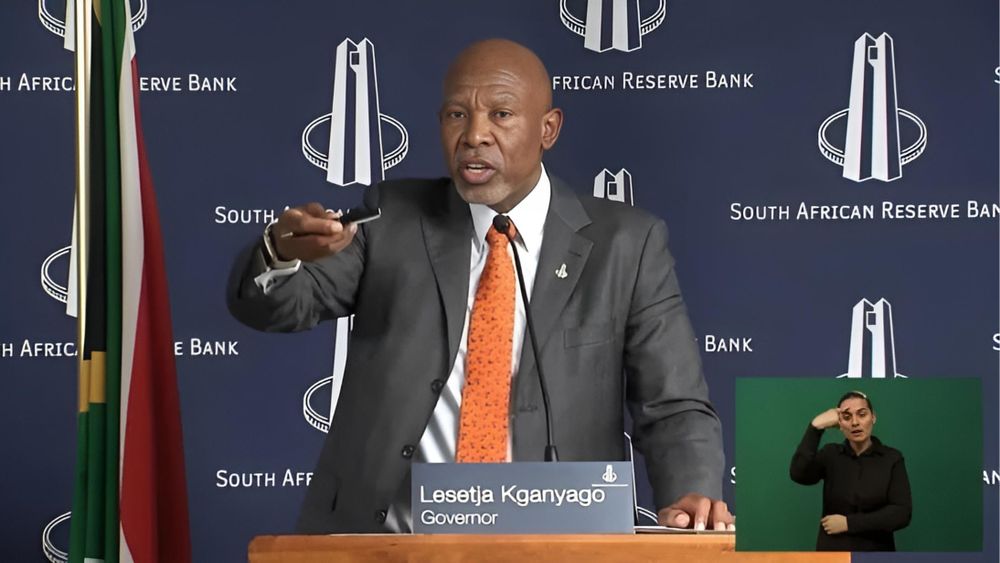
South Africa’s housing market remained resilient in the second quarter of 2026 despite higher interest rates, rising fuel costs, and geopolitical uncertainty, with banks continuing to compete for mortgage business even as home loan applications slowed.Data released by ooba Home Loans shows that while the number of bond applications declined 1.5% from a year earlier, their total value increased 4.7%, reflecting higher property prices and larger home loans.The average purchase price rose 4.2% year on year to R1.77m while the average approved bond increased 5%.Rhys Dyer, CEO of the ooba Group, said the slowdown reflects affordability pressures rather than weakening demand for homeownership.“Given the pressure on household budgets, some moderation in activity was to be expected. However, the data points to a pause rather than a reversal. While the volume of applications eased slightly, the total value of applications continued to trend higher, suggesting demand has moderated but property values have held firm.”The quarter included the South African Reserve Bank’s 25 basis point increase in the prime lending rate in May, the first-rate hike in several years.First-time buyers continued to support the market, with their average purchase price increasing 6.1% to R1.32m while the average approved bond rose 7.9%.“Approved bond size growth is trending above property price growth, signalling that banks have continued to support qualifying buyers with more attractive lending terms as property values rise. This is particularly encouraging for first-time homebuyers, who are purchasing more expensive homes and receiving larger loans despite being the segment most sensitive to higher borrowing costs,” Dyer said.Banks also eased upfront financing requirements. The average deposit paid by first-time buyers fell to 8.9% of the purchase price from 10.4% a year earlier, while demand for zero-deposit and cost-inclusive home loans increased.Zero-deposit mortgages accounted for more than 56.9% of all applications during the first half of the year. Loans covering at least 90% of a property’s value recorded the strongest growth, with the value of zero-deposit home loans increasing 14.3% year on year.Competition among lenders remained strong. Ooba’s effective approval rate improved to 84.5% from 82.8% a year earlier while almost half of applicants initially declined by one bank secured approval from another after their applications were resubmitted.“Different banks assess applications differently, based on their own risk models and appetite at the time. Comparing offers can materially improve a homebuyer’s chances of home loan approval and the terms they’re offered,” Dyer said.Johannesburg recorded the strongest house price growth during the first half of the year at 10.1%, followed by Limpopo at 9.6%. The Free State recorded the highest first-time buyer participation, with the segment accounting for 69% of all home loan applications.Dyer said inflation, fuel prices and the interest-rate outlook will shape activity in the second half of the year.“While uncertainty remains, the fundamentals of the housing market remain sound. Homebuyers who are financially prepared and secure the right financing solution will continue to find opportunities, even in a more challenging economic environment.”