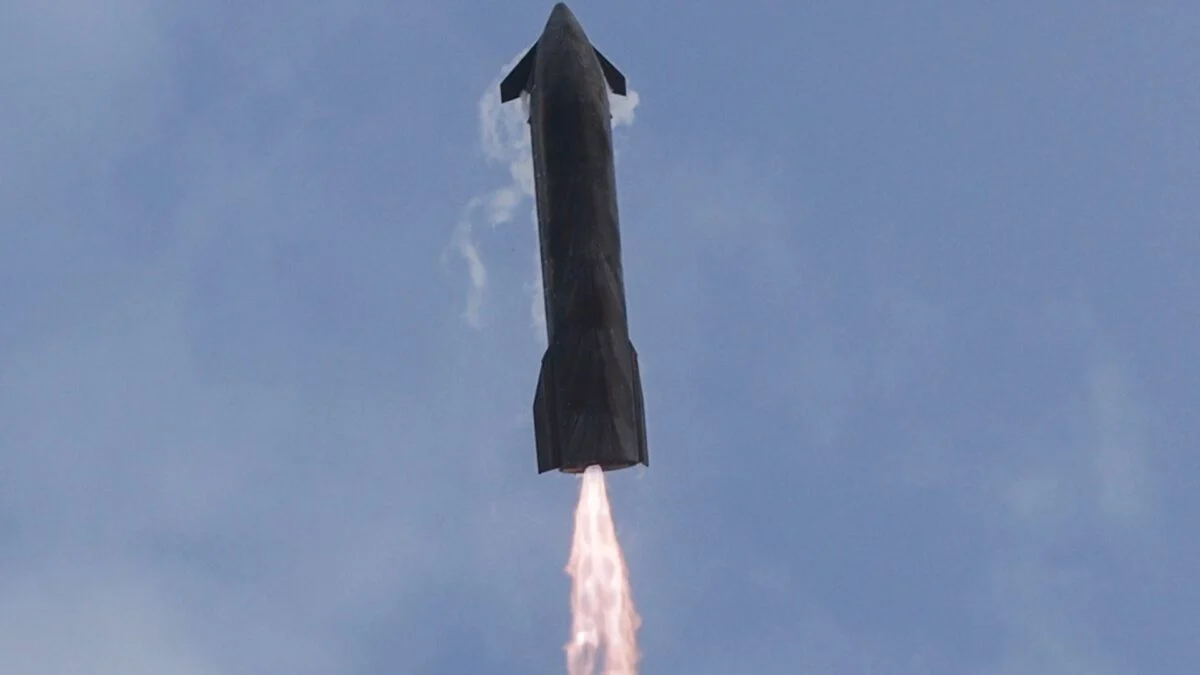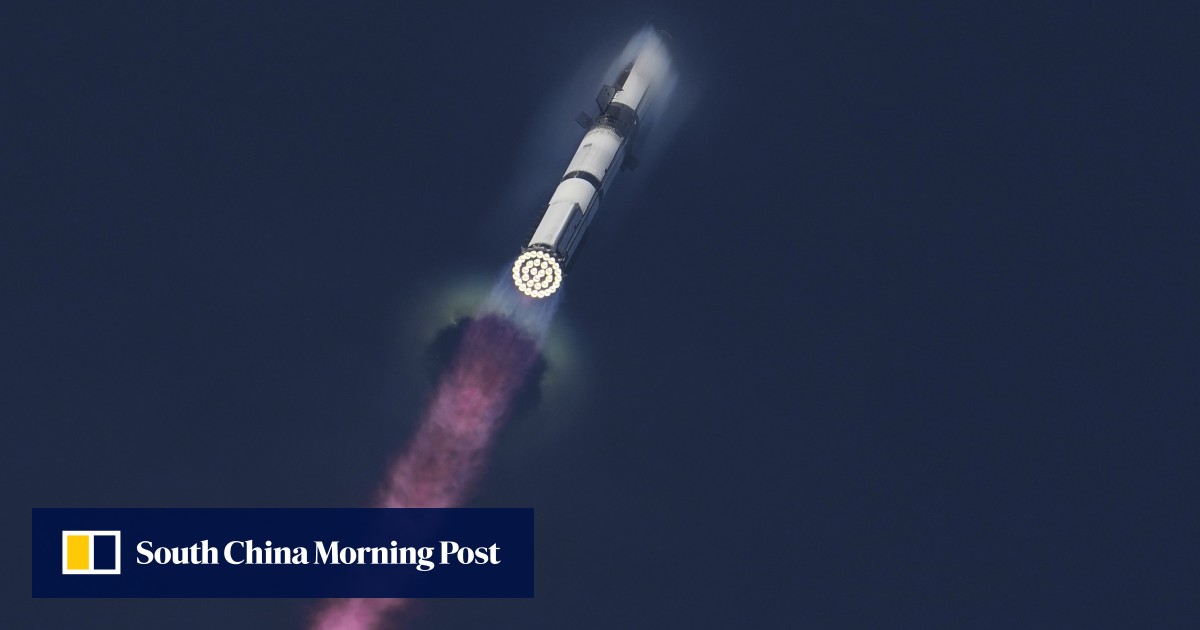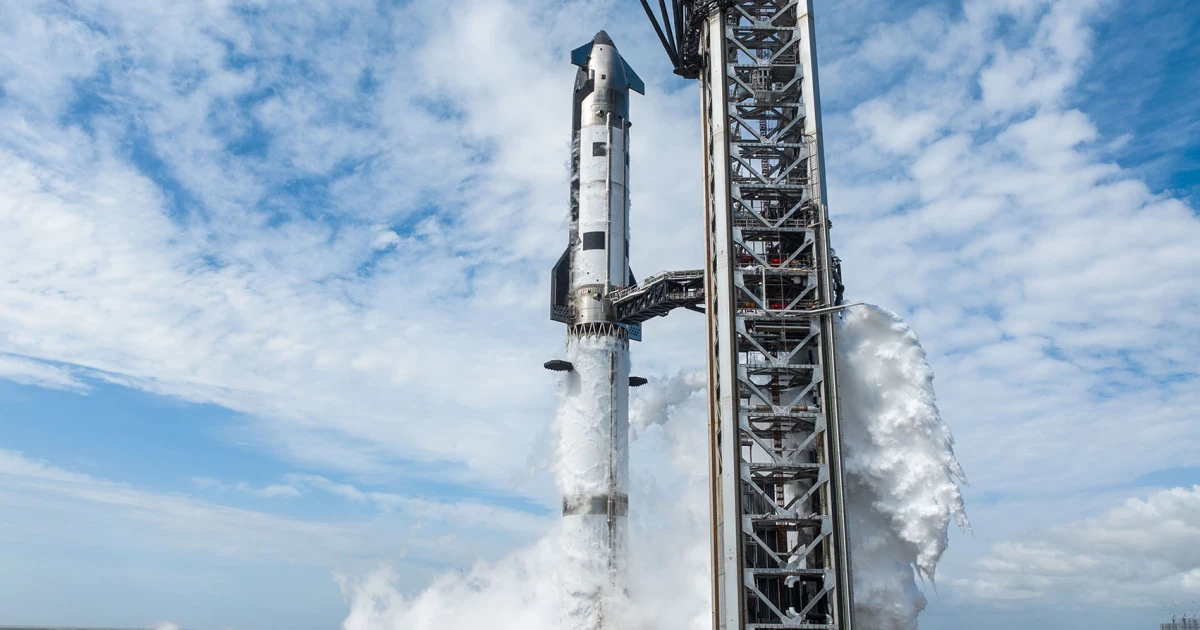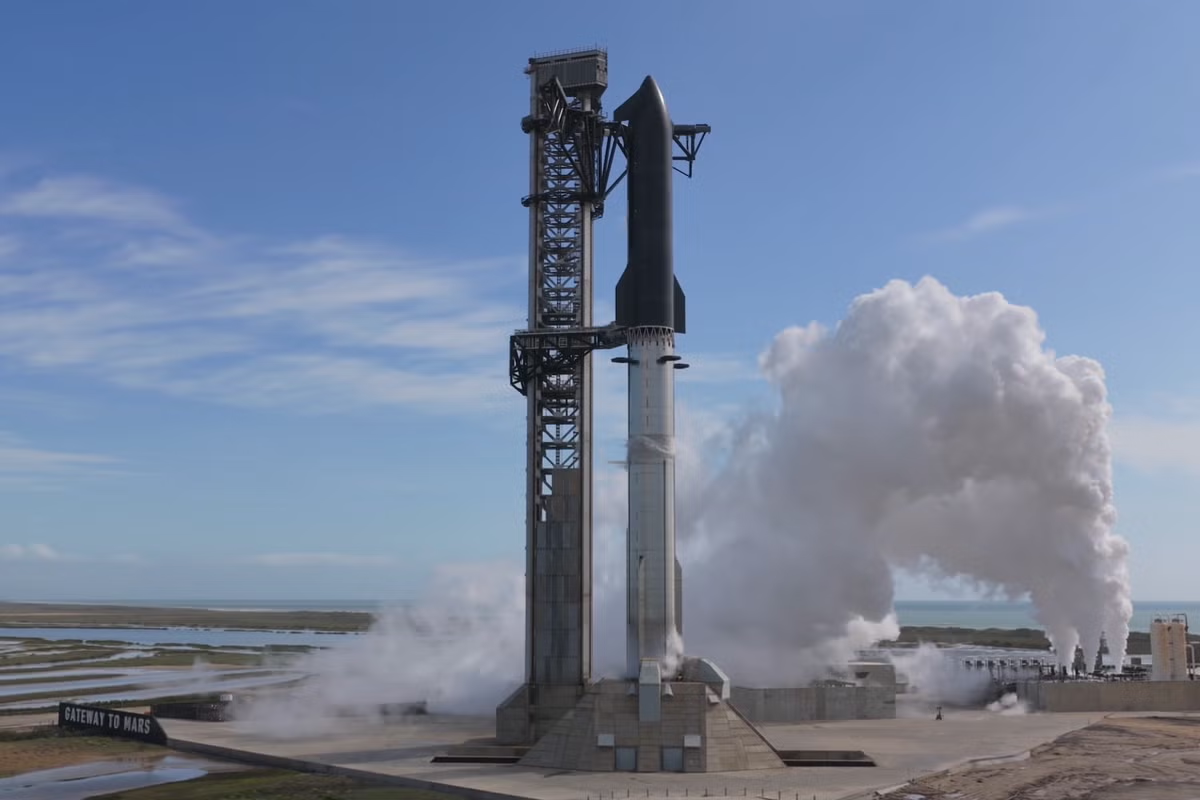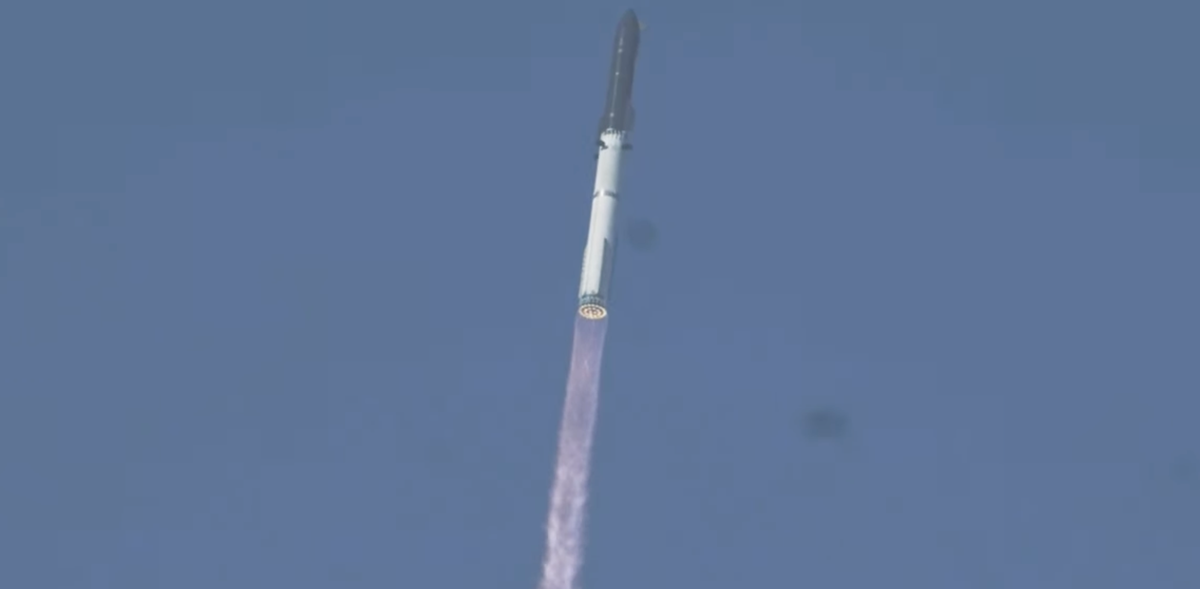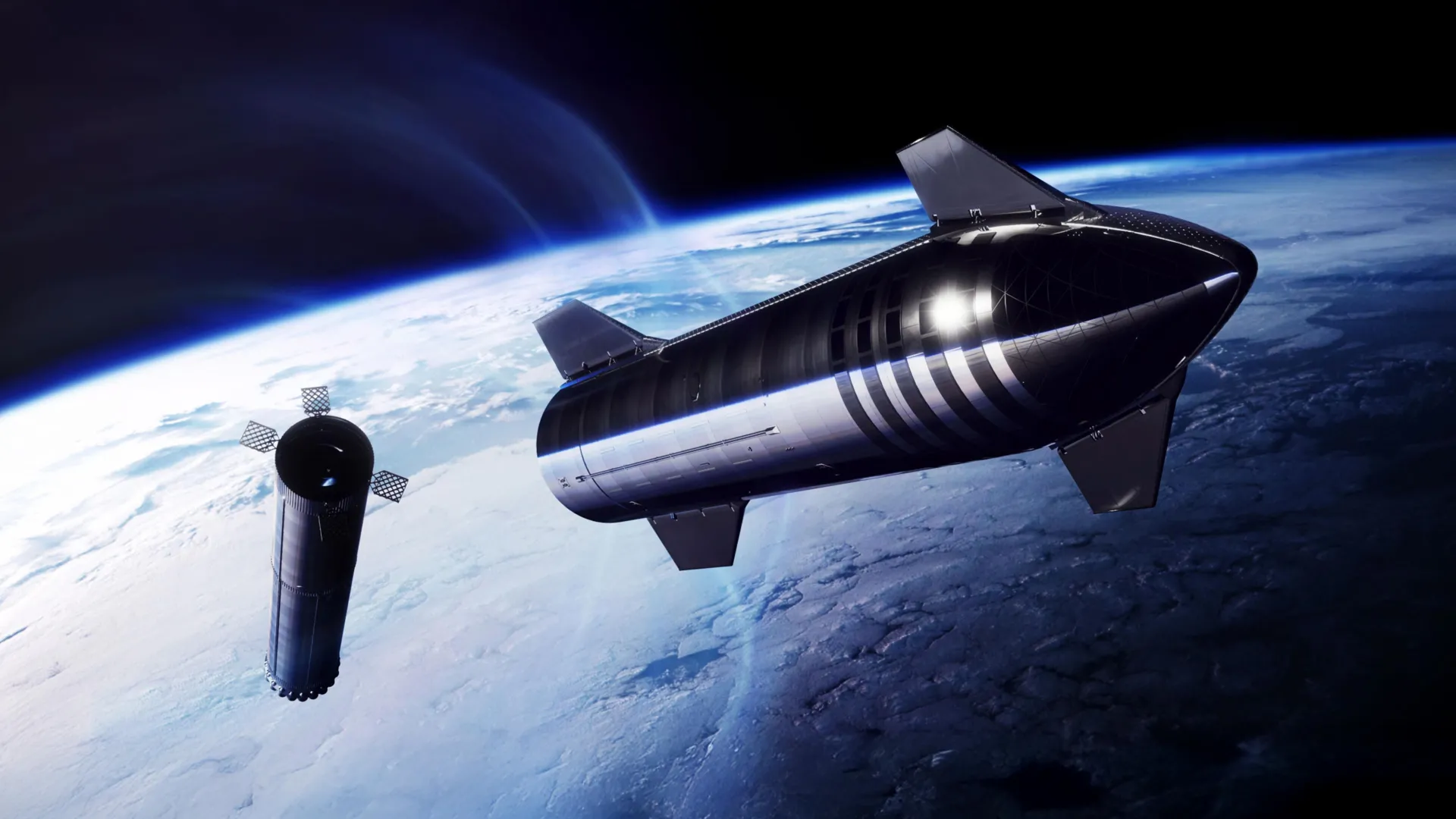
When SpaceX's Starship lifted off from the Texas coast in the summer of 2023, it marked a milestone that aerospace engineers had discussed for decades but few expected to witness so soon. The towering stainless steel rocket, standing taller than a 30 story building, ignited all 33 of its engines and climbed into the sky. The mission did not unfold perfectly, but it proved the concept could fly.
The significance became even clearer during Starship's fifth integrated flight test, when the returning Super Heavy booster was successfully caught in mid air by the giant mechanical arms of the launch tower. That demonstration suggested a new era of reusable spaceflight had begun.
Starship is ultimately intended to carry more than 100 tonnes into low Earth orbit while remaining fully reusable. If SpaceX achieves that goal, it could become the most powerful and cost effective launch vehicle ever built. As a result, space agencies and aerospace companies are now focused less on whether Starship will reshape the industry and more on how they should respond.
Independent Analysis Confirms Starship's Capabilities
Researchers at the German Aerospace Center (DLR) recently completed one of the most comprehensive independent evaluations of Starship to date. Rather than relying on SpaceX's published specifications, the team reconstructed the rocket's performance by extracting telemetry from publicly available video of its first four integrated flight tests. They analyzed the data second by second to build and validate their own performance models.