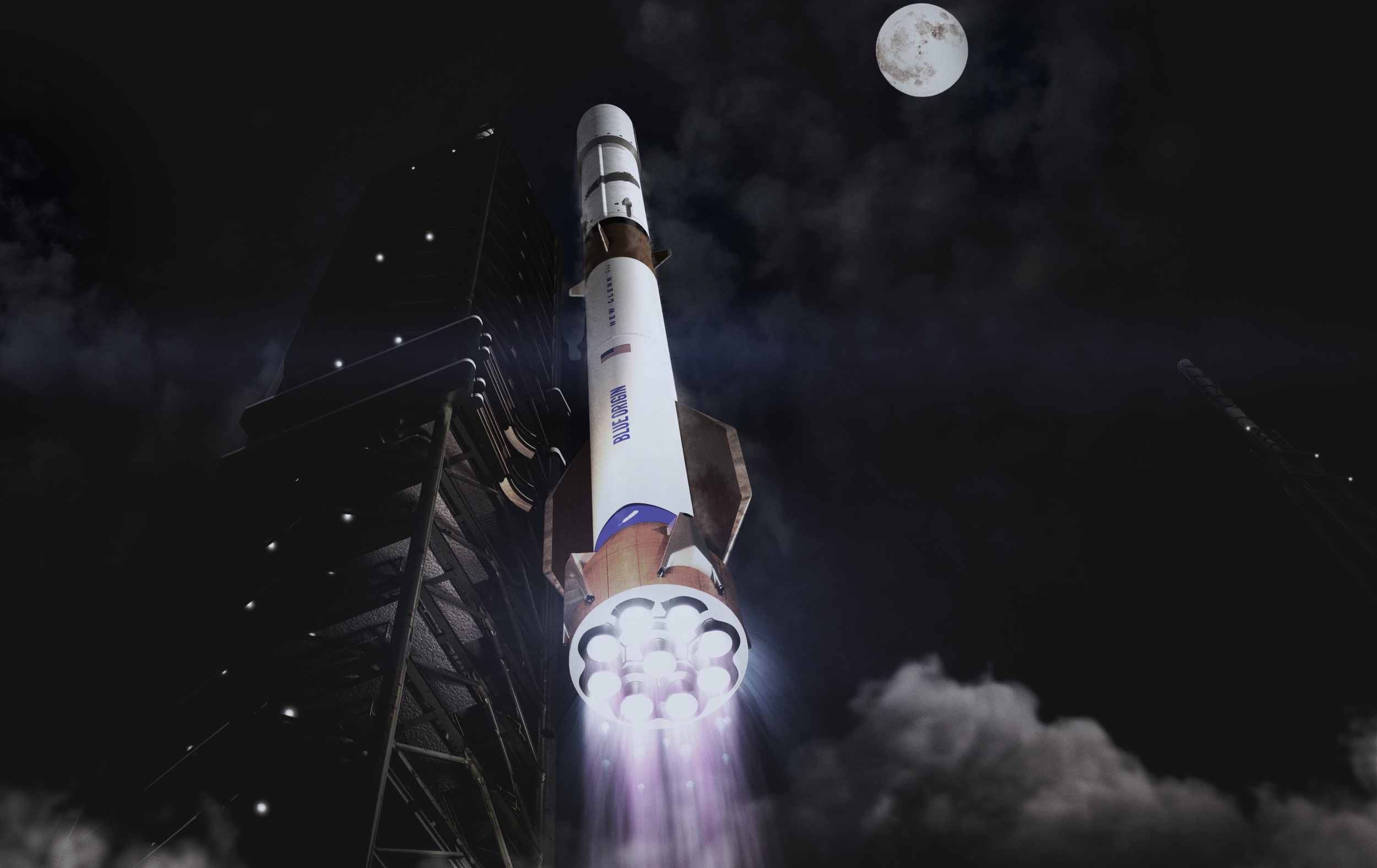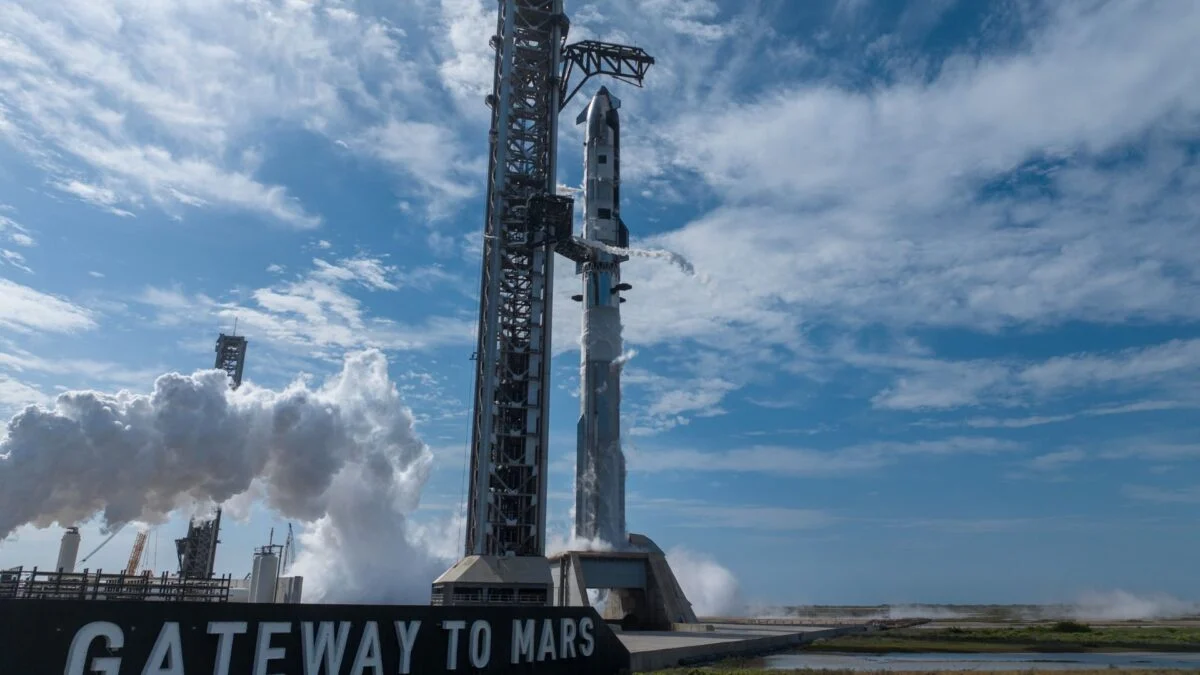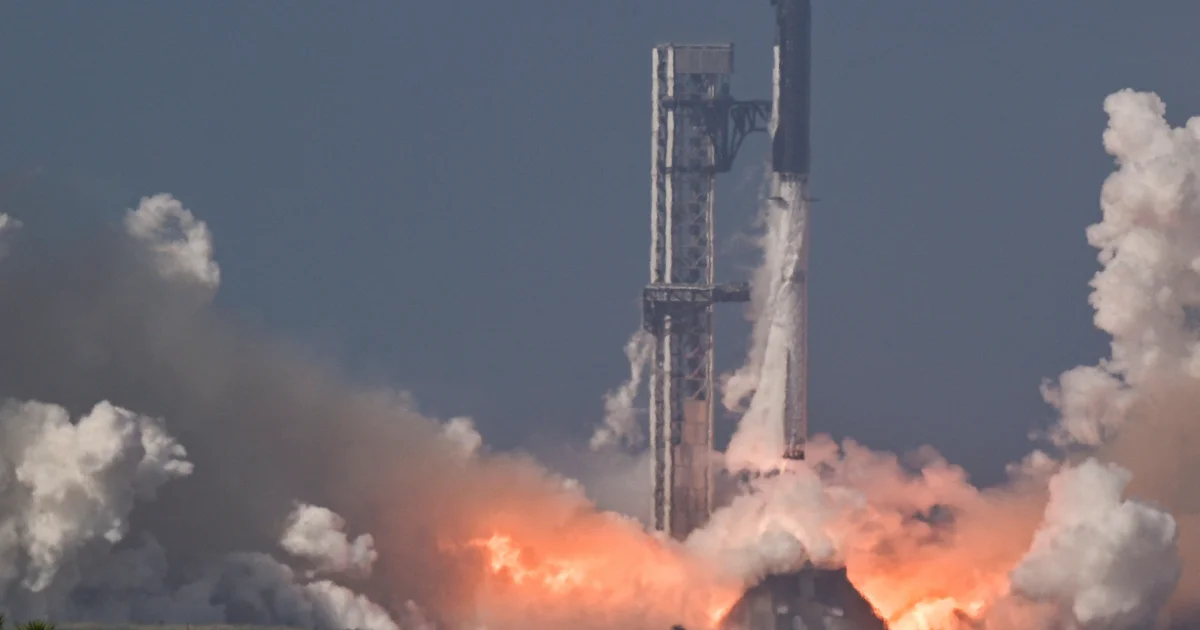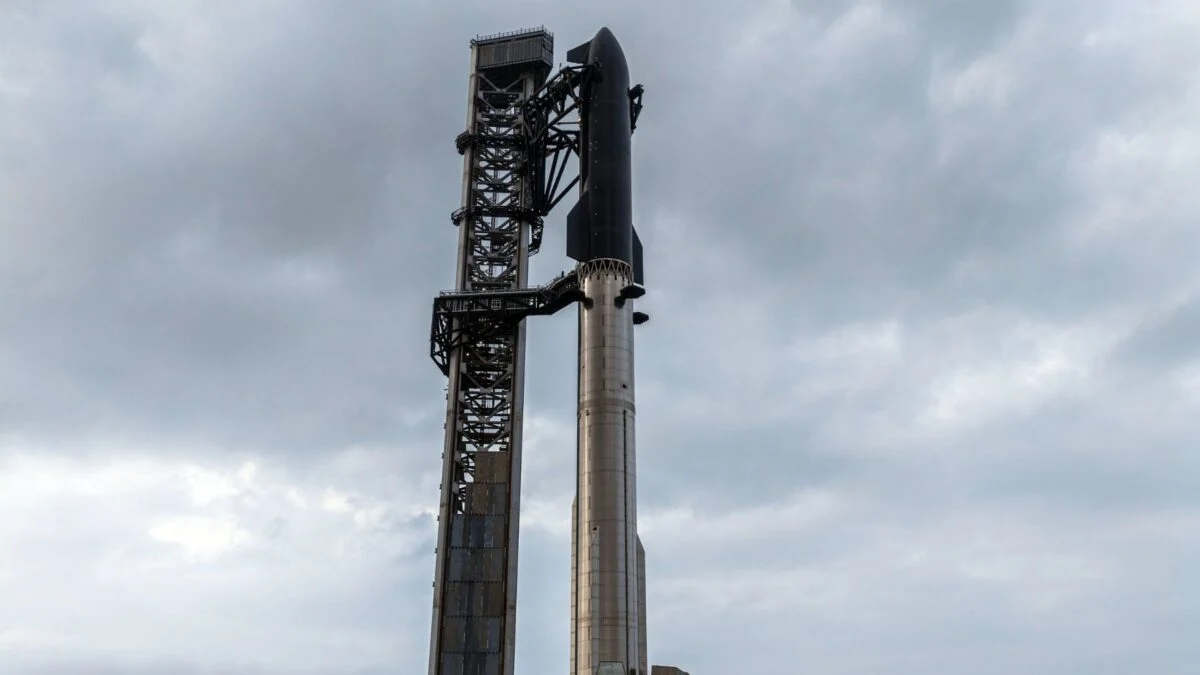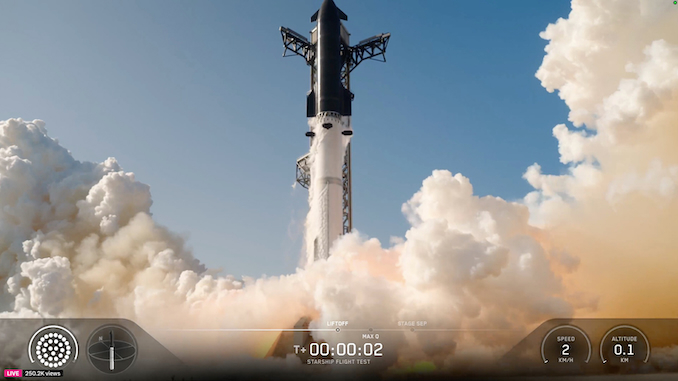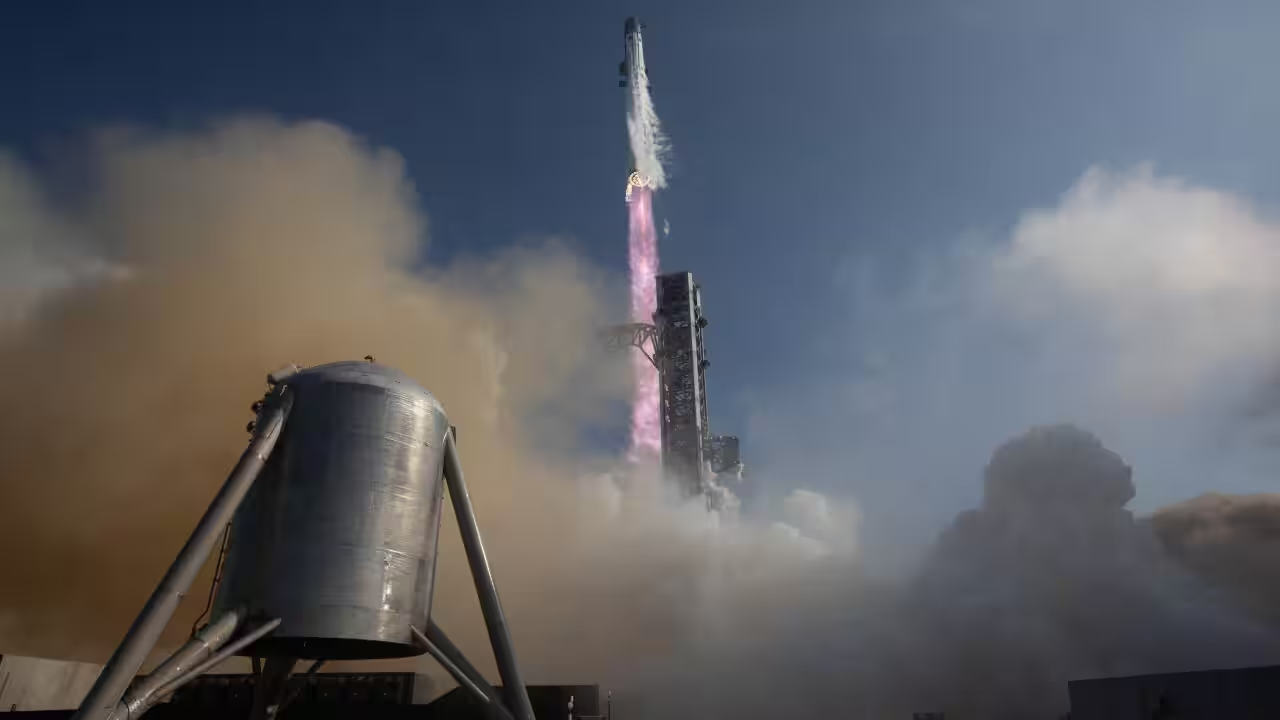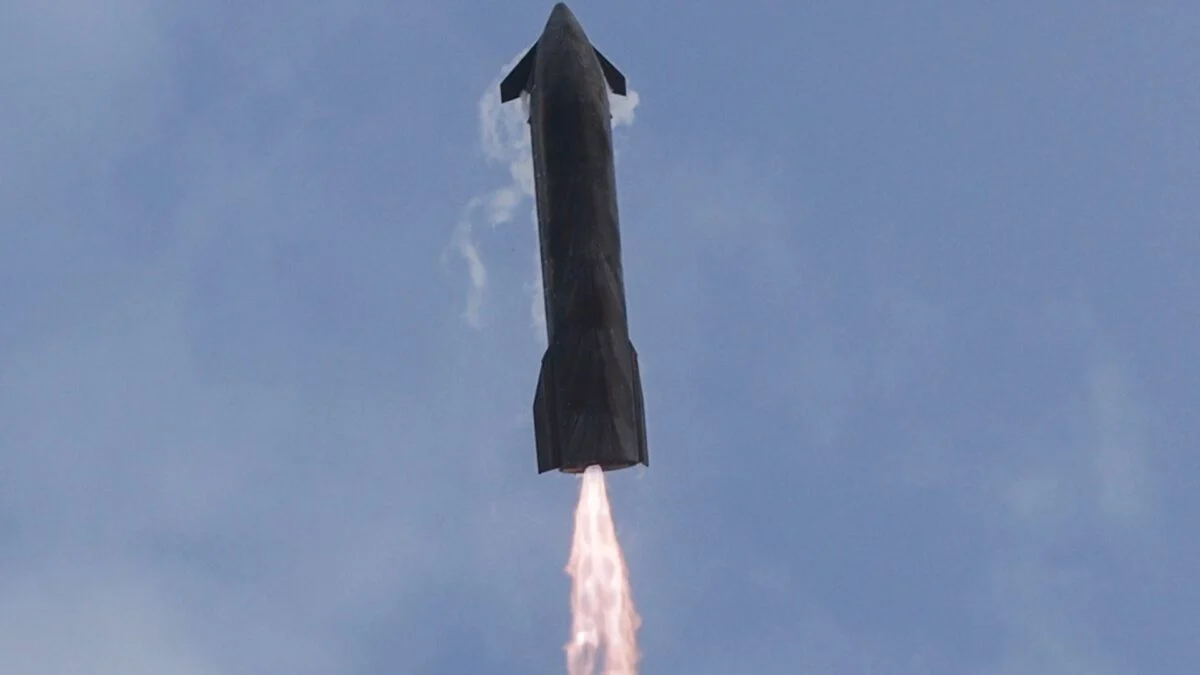
Last month, SpaceX launched the biggest rocket ever built for its 12th test flight. This was the debut of Starship V3, an even larger, more powerful version of the company’s super heavy-lift vehicle. While companies like SpaceX and Blue Origin are looking to scale up their rockets, a recent report suggests these giant vehicles could be a giant flop. The Aerospace Center for Space Policy and Strategy released a report stating that while super heavy-lift rockets offer a maximum payload capacity, they could face a major downside compared to smaller, more agile launch vehicles. The report argues that increased rocket capacity demands greater cost, time, and operational complexity and may therefore face challenges in the commercial launch sector. Is bigger always better? In the report, a super heavy-lift vehicle is defined as one that can lift more than 50 metric tons (50,000 kilograms) to low-Earth orbit. Some of the examples listed are SpaceX’s Falcon Heavy rocket, NASA’s Space Launch Vehicle, and Blue Origin’s upgraded New Glenn 9×4.
The Falcon Heavy rocket made its debut in 2018, thus inaugurating the super heavy-lift vehicle renaissance. Since then, the rocket has only flown 12 times, a stark comparison to SpaceX’s medium-lift Falcon 9 rocket, which has launched nearly 700 times since its debut in 2010.