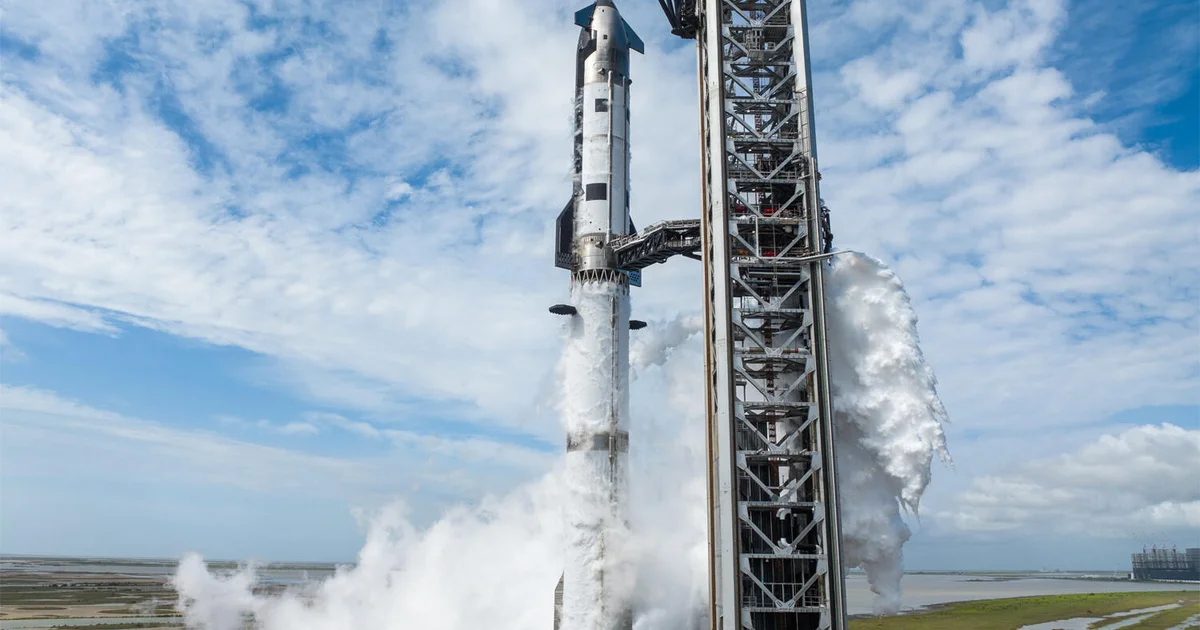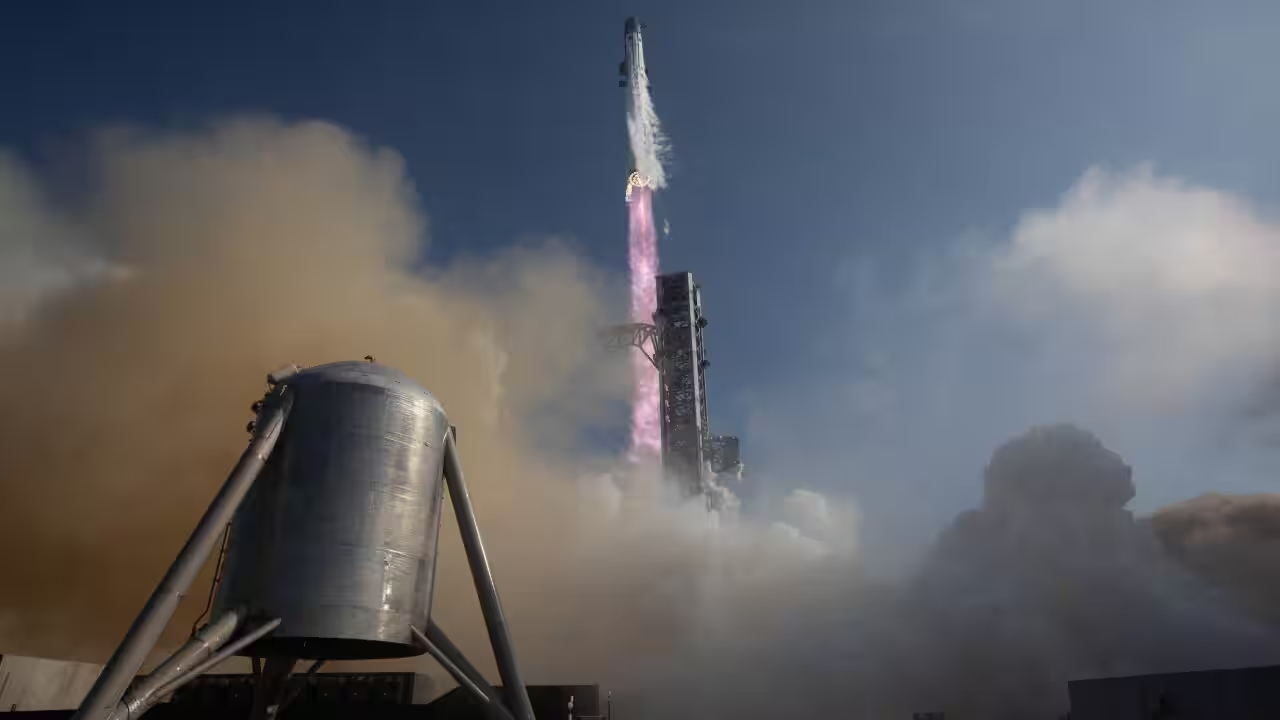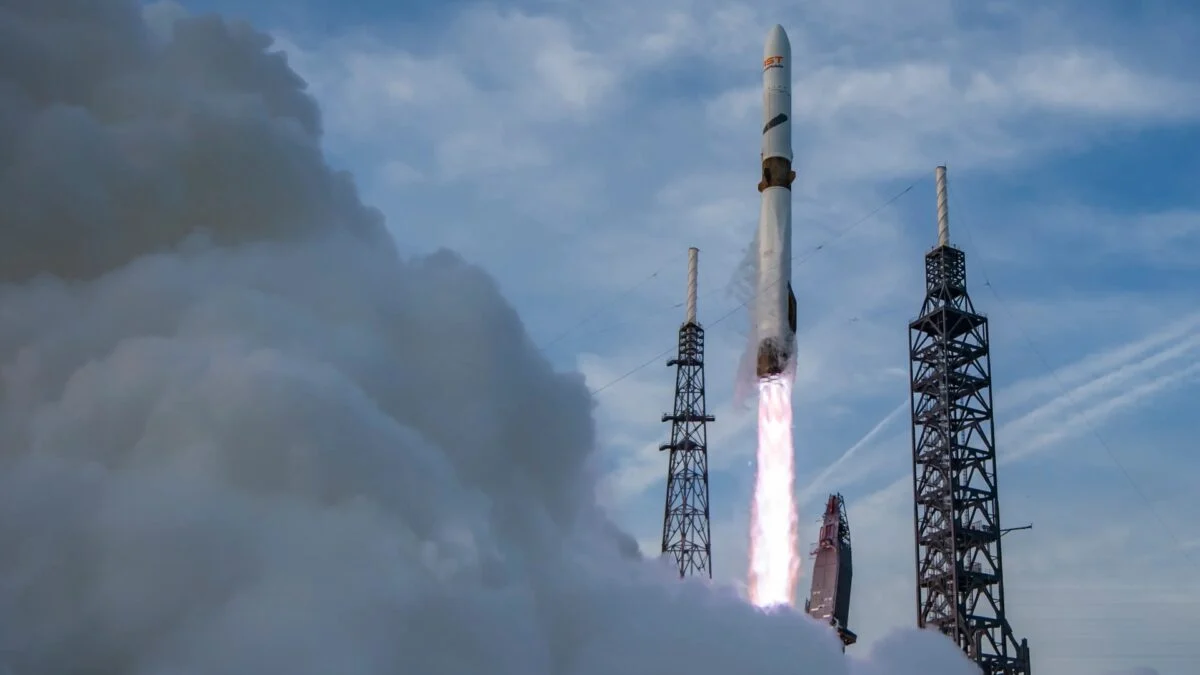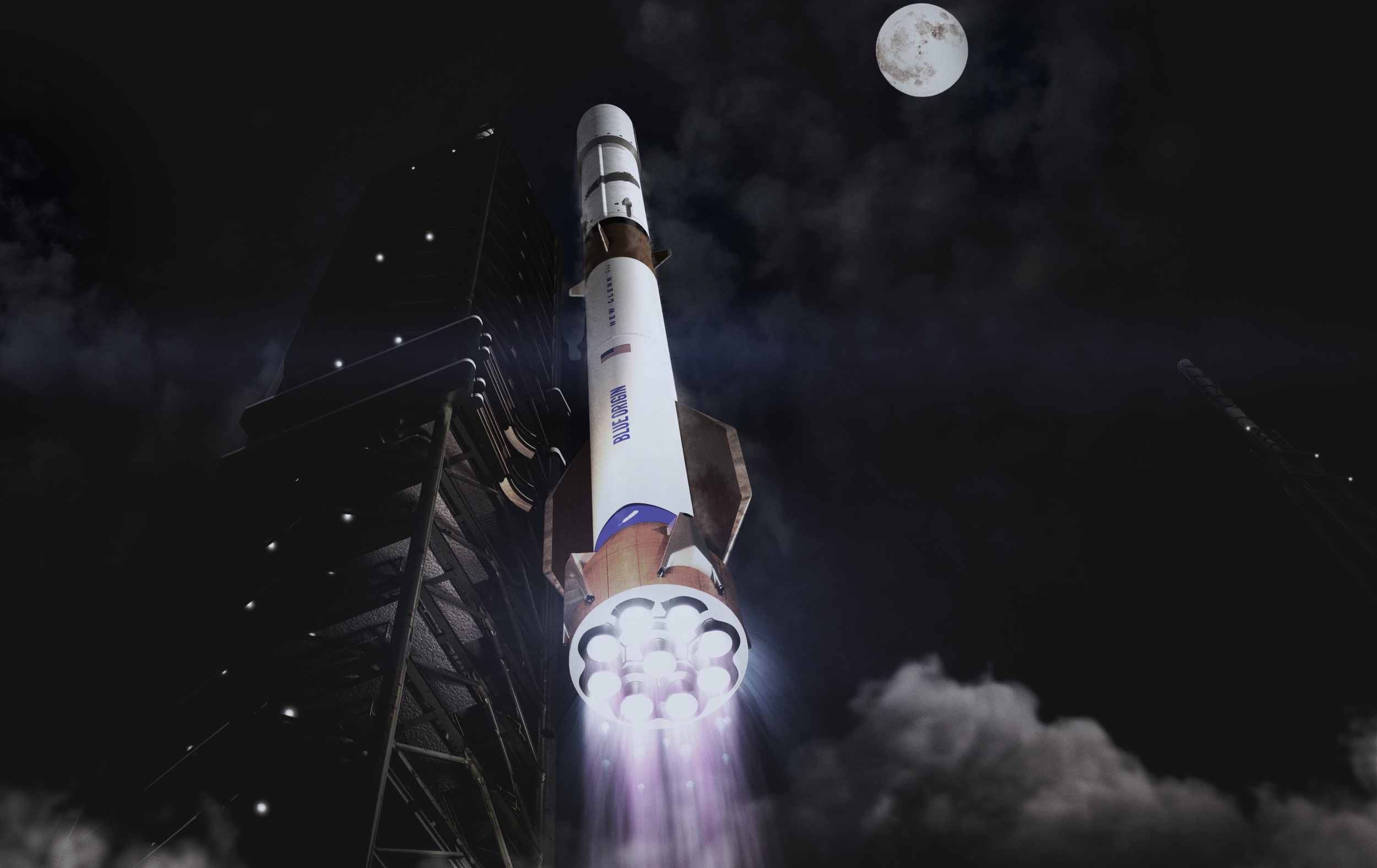
Blue Origin announced plans in November 2025 for New Glenn 9x4, an upgraded version with increased payload performance. Credit: Blue Origin
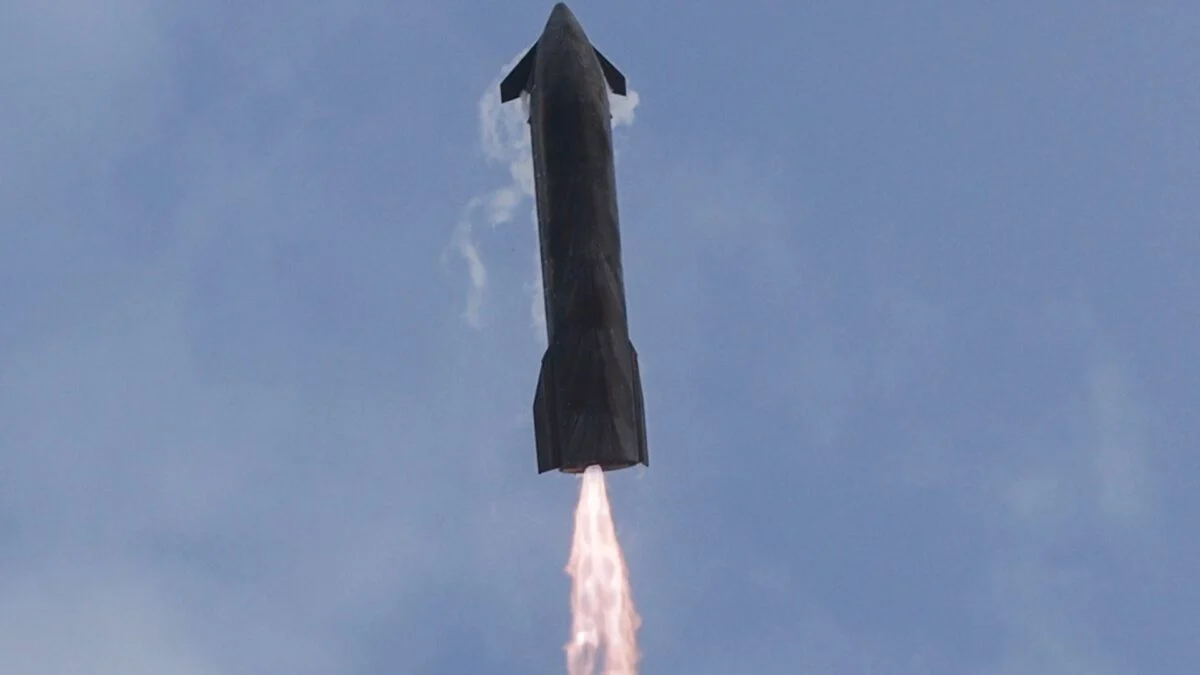
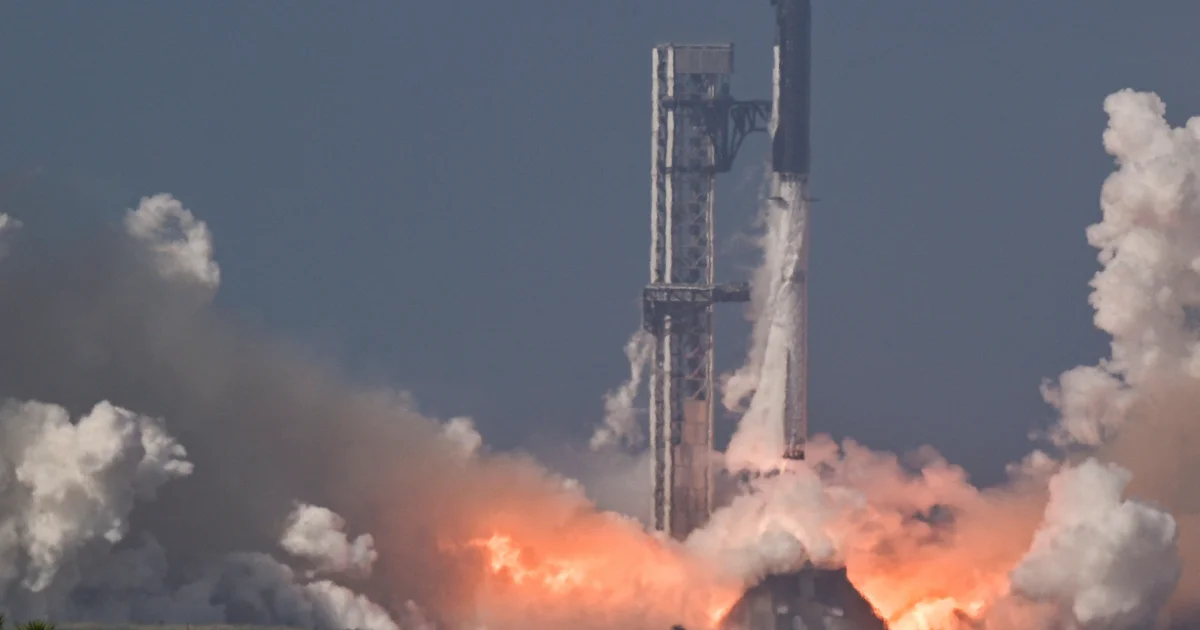
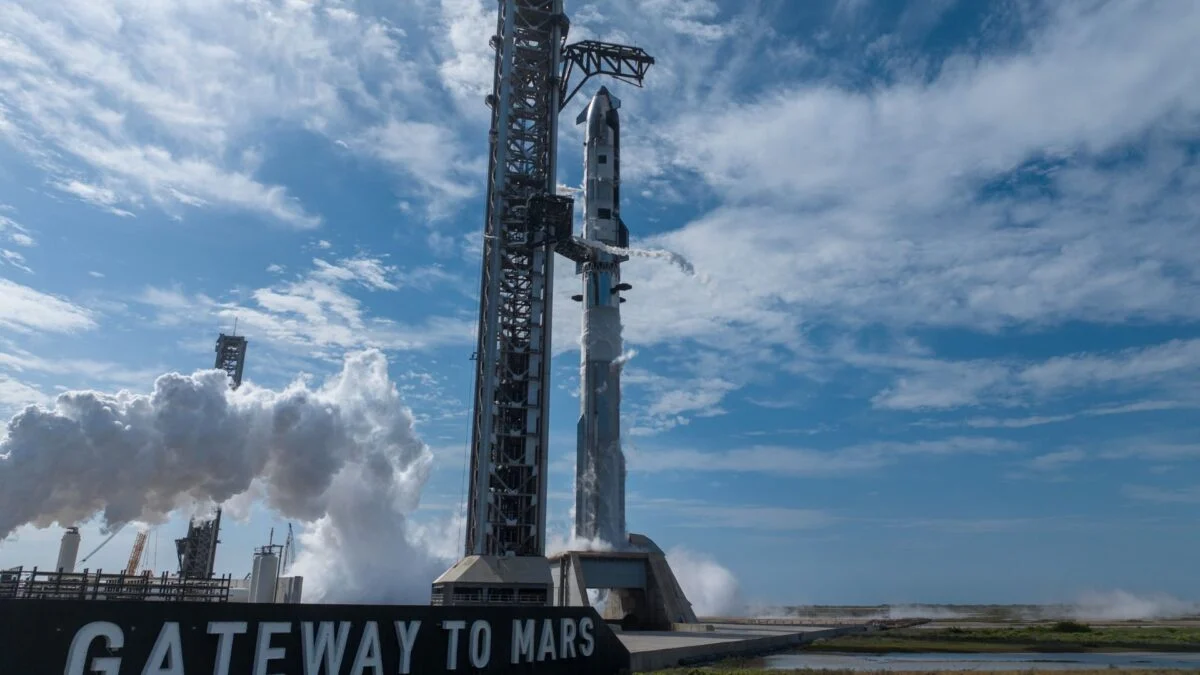
WASHINGTON — As SpaceX and others pursue the development of very large launch vehicles, a new study suggests that there may be such a thing as a rocket that is too large.
A report released June 29 by The Aerospace Corp. said that while super heavy lift, or SHL, rockets promise economies of scale, there may be a point where increased size may cause launch prices, on a per-kilogram basis, to go up rather than down.
“SHLs can achieve lower cost per payload by maximizing total mass to orbit. But there are limits before a launch provider could reach a point of diminishing returns wherein increased rocket capacity demands greater cost, time or operational complexity,” the report states.
Those increased marginal costs could come from additional work needed to prepare larger vehicles and related operational costs. The Aerospace report does not attempt to calculate what the optimal launch vehicle size would be or whether SHL vehicles in development, such as SpaceX’s Starship and Blue Origin’s New Glenn 9×4, an upgraded version of the vehicle announced last year, would exceed that optimal size.