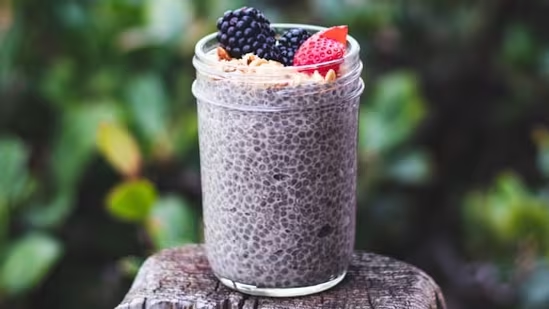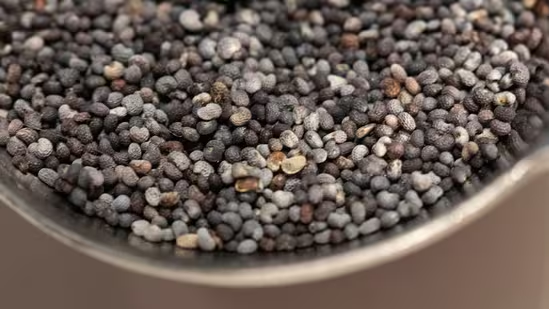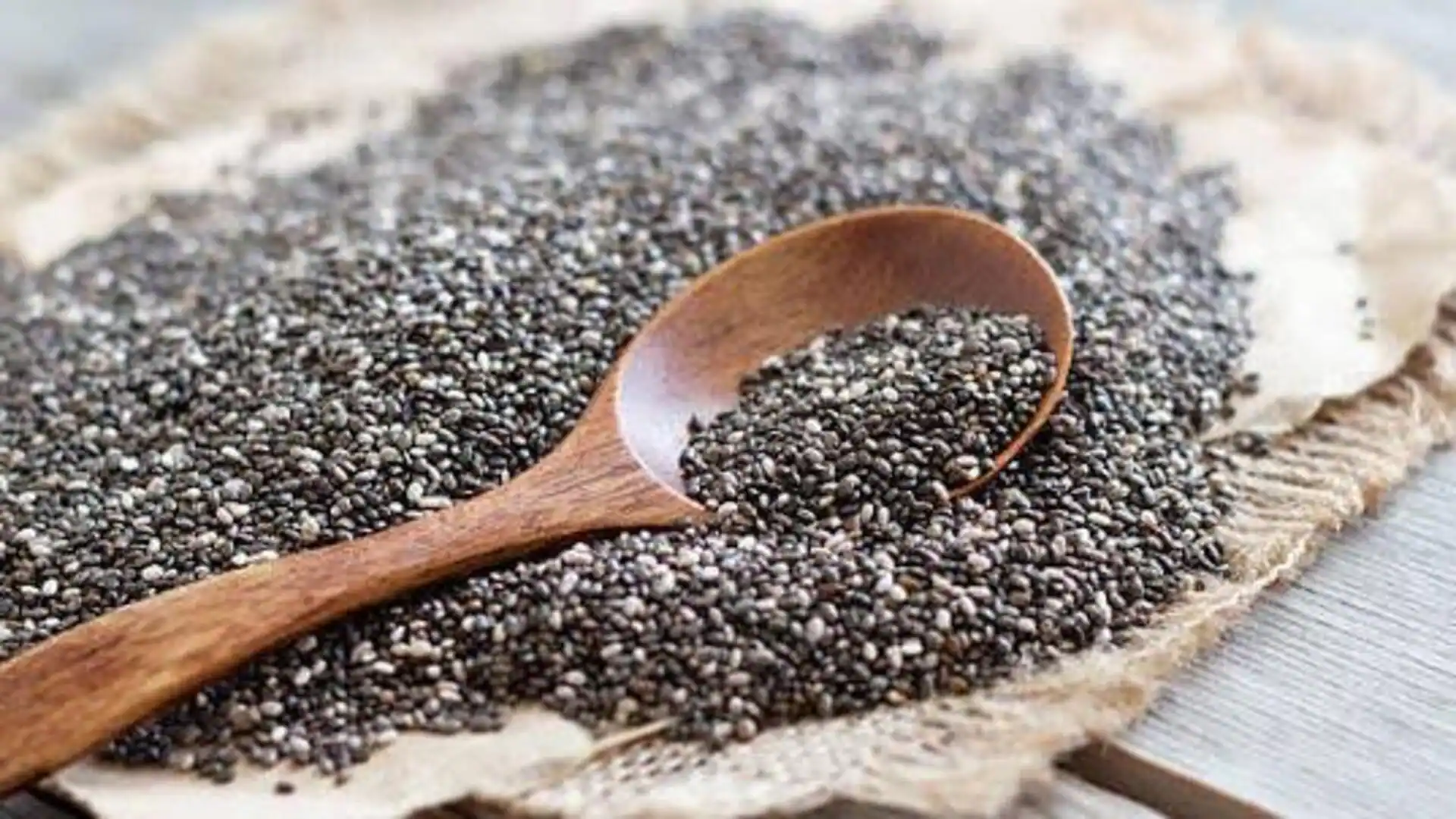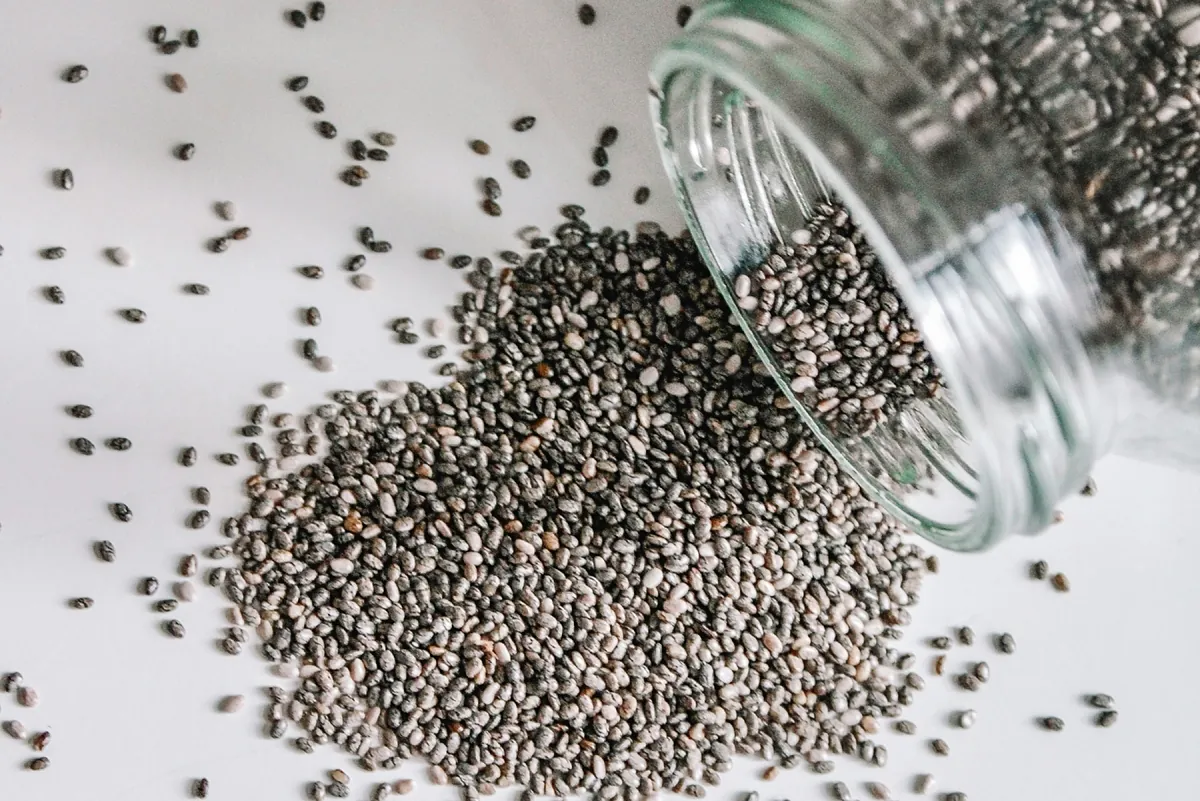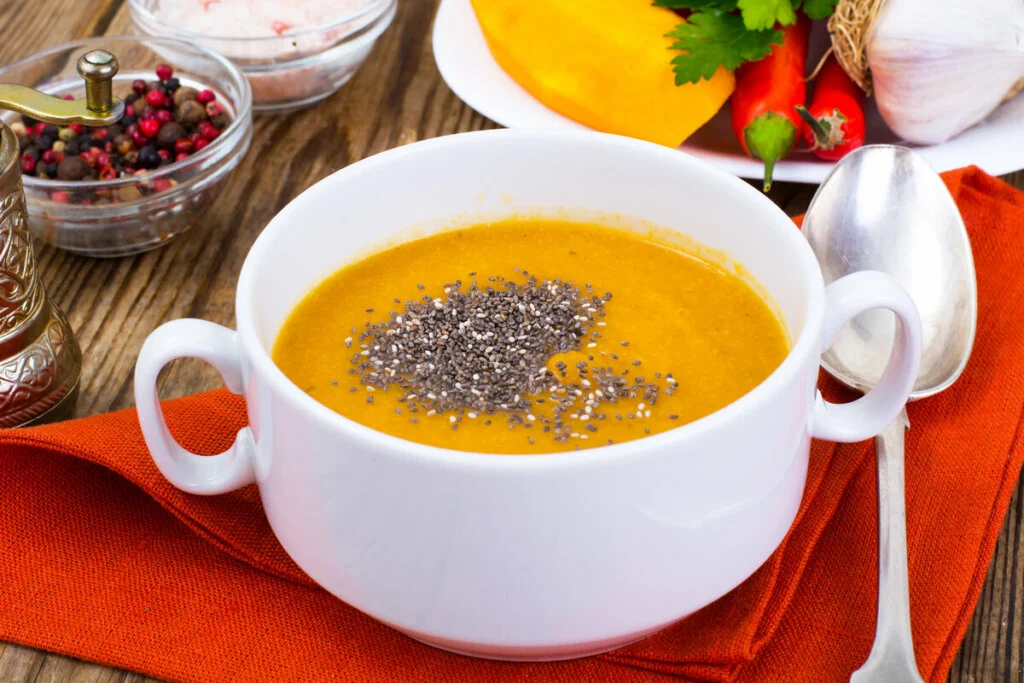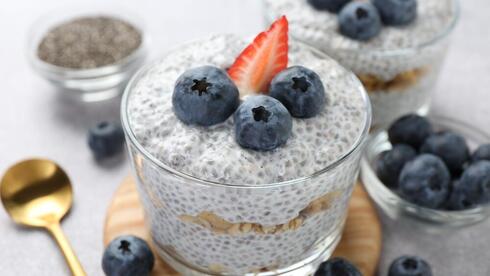
Chia seeds are rich in fiber, protein and plant-based omega-3, but a viral chia cake reignited a debate over how much is too much, why soaking matters and when the ‘healthy’ ingredient can cause bloating, constipation or stomach painSapir Gordo|Chia seeds have become a symbol of healthy eating in recent years. They are added to morning yogurt, smoothies, desserts and recipes that promise to be both tasty and “cleaner.” But as often happens with nutrition trends, the tiny seeds have recently raised a bigger question: Can a food considered healthy become problematic when consumed in excess?The debate began several weeks ago when Israeli influencer Miri Cohen, mother of Alin Cohen, posted a recipe for a “chia cake.” In the recipe, she mixed an entire cup of chia seeds with milk, gelatin, maple syrup and mango cubes, presenting the result as a healthy summer dessert. But it was precisely the amount of chia in the recipe that drew attention online.Miri Cohen's 'chia cake'In comments on the video, some users warned against excessive consumption of the seeds and claimed it could affect the digestive system. “This is a recipe that could be very dangerous for the stomach. It is irresponsible not to mention the permitted dose,” one commenter wrote. Another added: “I’m not sure you’re allowed to eat such quantities of chia. It can cause a real and dangerous blockage.” Alongside the more measured responses were sharper comments, including “Wow, this is so unhealthy” and “This is actually dangerous.”GalleryChia pudding (Photo: New Africa / shutterstock)So are chia seeds really problematic? The concern about stomach bloating is not entirely unfounded. Chia seeds are very rich in dietary fiber, and when consumed in large quantities at once, especially by someone whose body is not used to it, they may cause bloating, gas, heaviness and abdominal discomfort.On the other hand, that does not mean the dish is dangerous or that everyone who eats it will experience those symptoms. As with many nutrition trends, the issue is mainly quantity, personal habits and digestive sensitivity.Although chia seeds have become Instagram and TikTok stars in recent years, they are an ancient food. They come from the Salvia hispanica plant and were used centuries ago by the Maya and Aztec peoples. Even the word “chia” in the Mayan language means “strength,” and warriors would eat the seeds in the belief that they provided energy and endurance over time.Chia seeds (Photo: Sokor Space / shutterstock)In recent years, chia has become one of the ingredients most closely associated with the wellness world. Videos of chia pudding, chia water and protein-rich smoothies have drawn millions of views on social media.One reason for chia’s popularity is its wide functional use. When soaked in water, the seeds create a gelatinous texture that can be used as an egg substitute in vegan recipes. Their texture resembles tapioca, which has also made them a common base for desserts, alongside their strong nutritional profile.Another major advantage is that chia seeds have almost no taste, making them easy to add to yogurt, smoothies, porridge, granola, salads, baked goods and homemade crackers.Pancakes with chia (Photo: Ingrid Balabanova / shutterstock)Their nutritional content is a key reason they became so popular. Chia seeds are rich in dietary fiber, protein, plant-based omega-3, antioxidants and minerals such as calcium and magnesium. Two tablespoons of chia seeds contain almost 10 grams of dietary fiber, close to one-third of the recommended daily intake for most adults.Unlike flax seeds, chia seeds do not need to be ground before eating. Their outer shell is delicate enough for the body to digest them and absorb their nutrients even when they are whole.After the viral video sparked debate about quantity, dosage and possible effects on the digestive system, dietitian, fitness trainer and television host Karen Ann Gaiman explained how chia seeds should be incorporated into a diet.Should chia seeds be soaked before eating?
Does chia really bloat your stomach? The truth behind the viral food scare
Chia seeds are rich in fiber, protein and plant-based omega-3, but a viral chia cake reignited a debate over how much is too much, why soaking matters and when the ‘healthy’ ingredient can cause bloating, constipation or stomach pain
1,445 words~7 min read