For nearly 25 years, the US was consistently the best customer for Vietnamese seafood exporters. Although issues with trade barriers and tariffs kept popping up, Vietnamese shrimp, catfish, and tuna steadily found more and more US buyers.
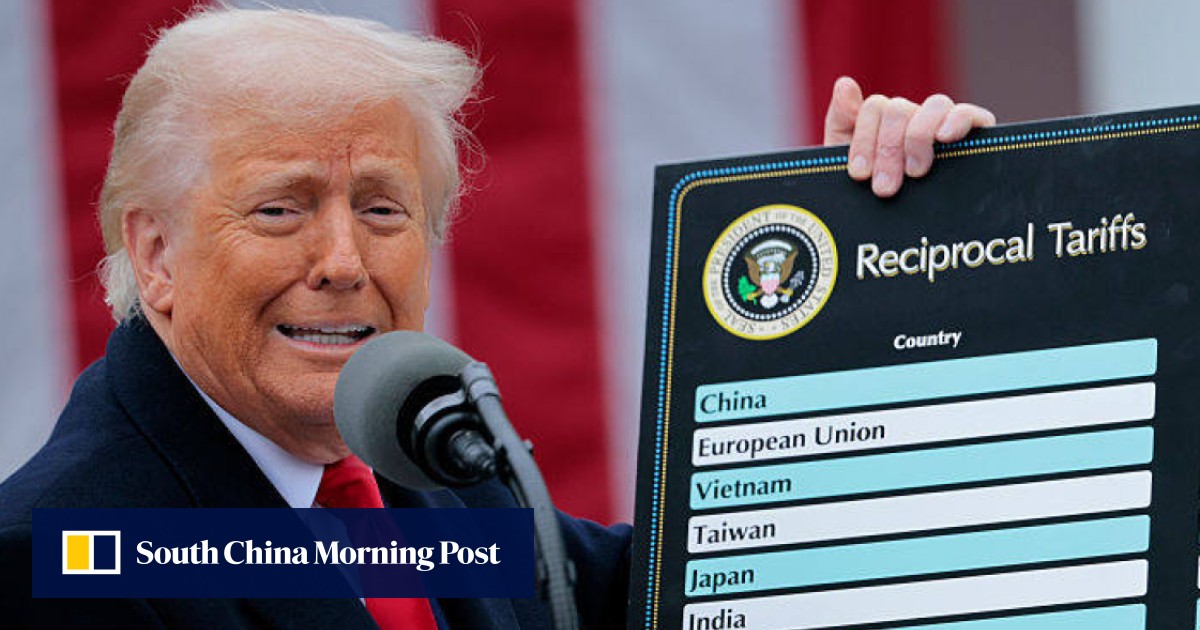
But Donald Trump’s return to the presidency last year has made US buyers far less reliable. As tariff rates fluctuated, the flow of incoming US orders became wildly erratic. So Vietnamese exporters turned their attentions elsewhere.
By the end of 2025, China had soared to become Vietnam’s biggest seafood buyer, becoming the first market to take more than USD 1 billion in Vietnamese shrimp in a single year. Minh Phu Seafood, Vietnam’s biggest shrimp exporter, opened new subsidiaries in Canada and Australia as those countries, along with Japan, increased imports from the Southeast Asian nation.
China, Canada, Australia, and Japan are all members, along with Vietnam, in one or both of the two huge Asia Pacific trade blocs that launched in recent years: the Comprehensive and Progressive Agreement for Trans-Pacific Partnership (CPTPP) and the Regional Comprehensive Economic Partnership (RCEP).
For Vietnamese seafood exporters, the pacts are an assurance of relative predictability and preferential market access more attractive than what the US now offers. Yet while certain other industries across Asia are also finding CPTPP and RCEP useful cushions against the vagaries of Trump’s trade policies and the disruptive side effects of his military campaign against Iran, the agreements’ net economic impact so far appears limited.