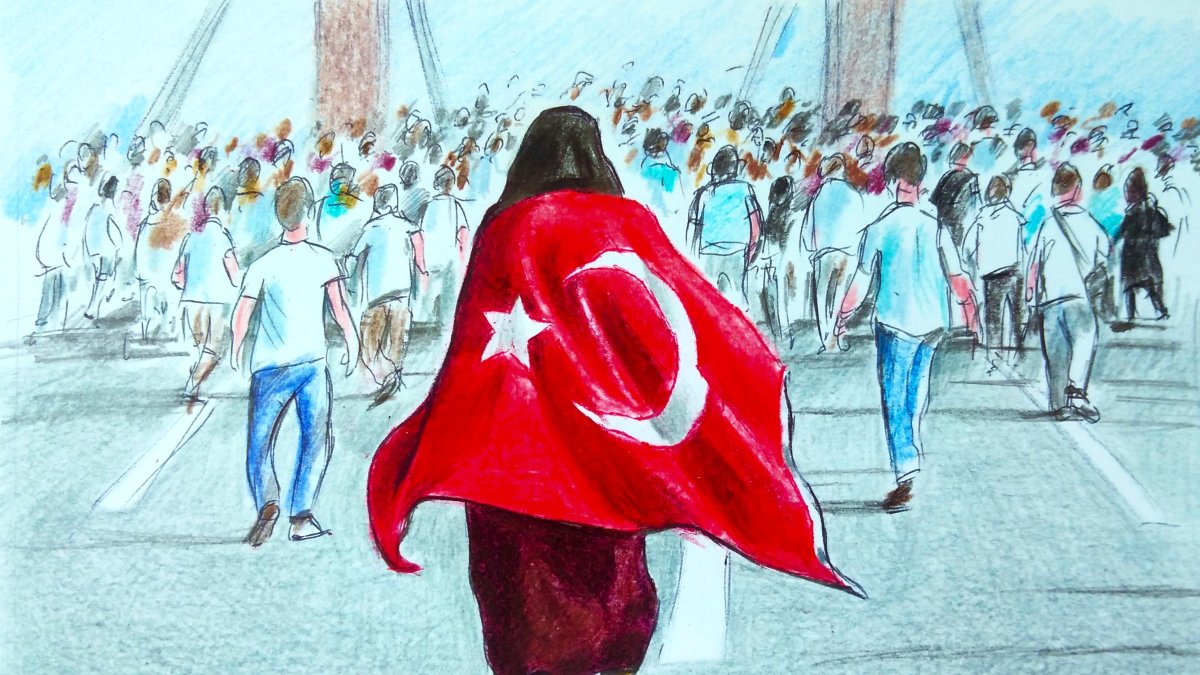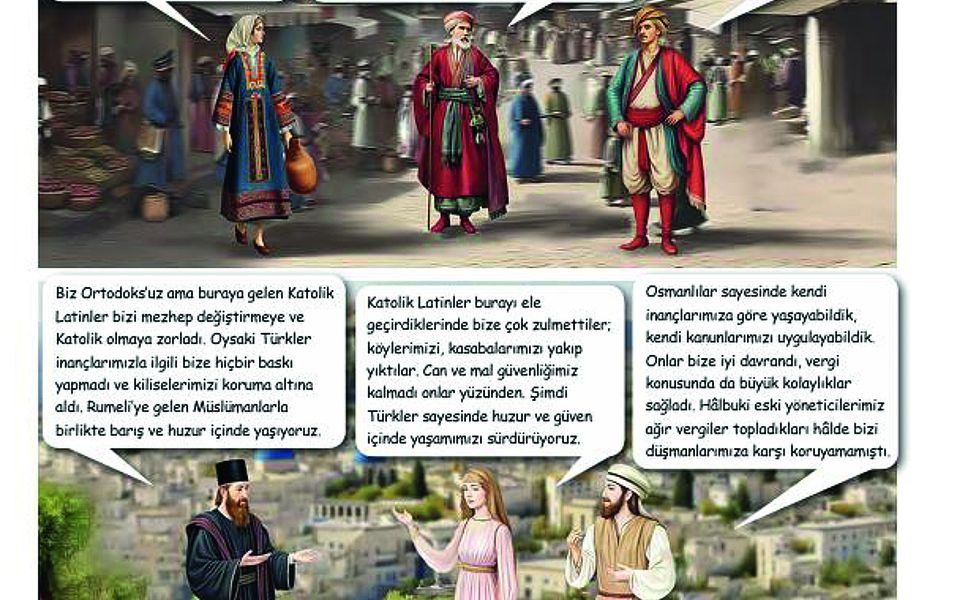
One of the most significant contributions of the profound transformation experienced in Türkiye in recent years has undoubtedly been the revitalization of a sense of self-confidence that had long been interrupted. The hegemonic Western discourse, which has consistently rendered societies passive, has shaped not only perceptions of the present but also the way society relates to its past. During this period, turning toward the past functioned largely as a form of defensive resource against this hegemonic pressure. However, as this dominant discourse has gradually been broken in recent times, self-confidence has been restored, and the possibility of establishing a healthier relationship with the past has correspondingly increased.
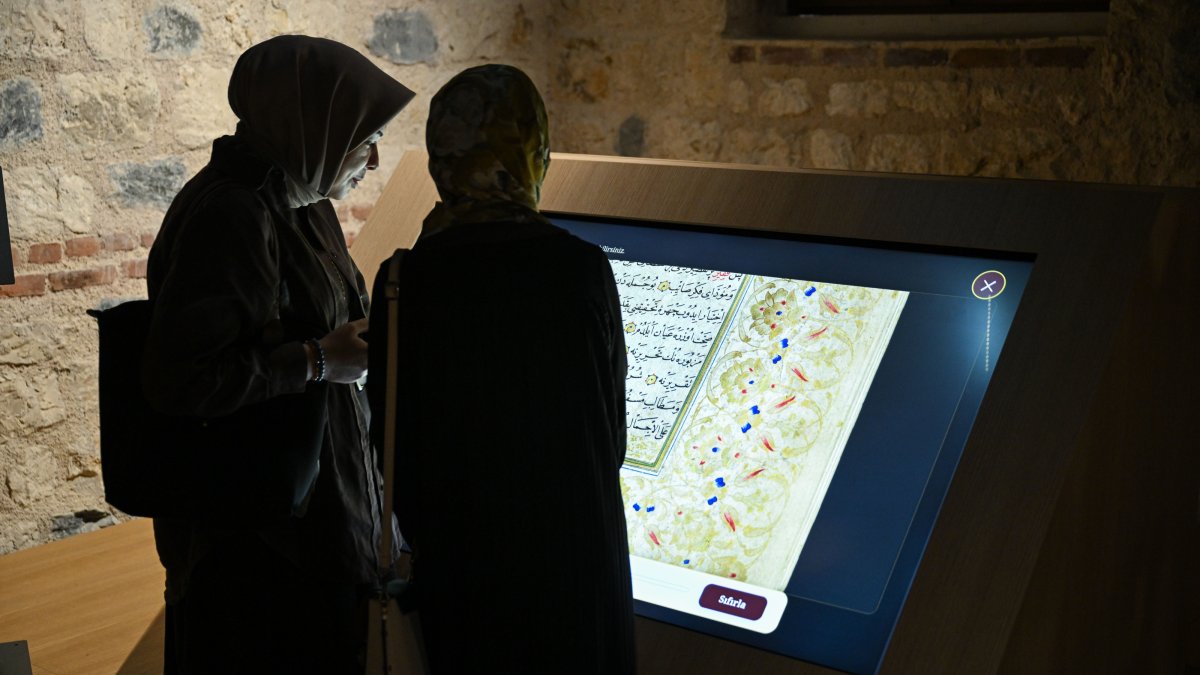
At this stage, the effort underway in Türkiye to reconstruct a new language grounded in this accumulated heritage – by re-strengthening the severed ties with the past – does not merely represent a rhetorical or symbolic attempt to reconnect with history. Rather, it signifies a foundational rethinking of the sources of knowledge, its legitimacy and its modes of circulation. In this context, although often overlooked, the activities of the Presidency of the Manuscripts Institution of Türkiye (TÜYEK) constitute one of the most critical foundations forming the intellectual ground of this new language.