New Delhi: With timely diversification of energy sources helping India minimise the impact of the Hormuz crisis, the Centre is now exploring ways to diversify the shipping routes through which crude and gas can reach the country, to tide over any future crisis.
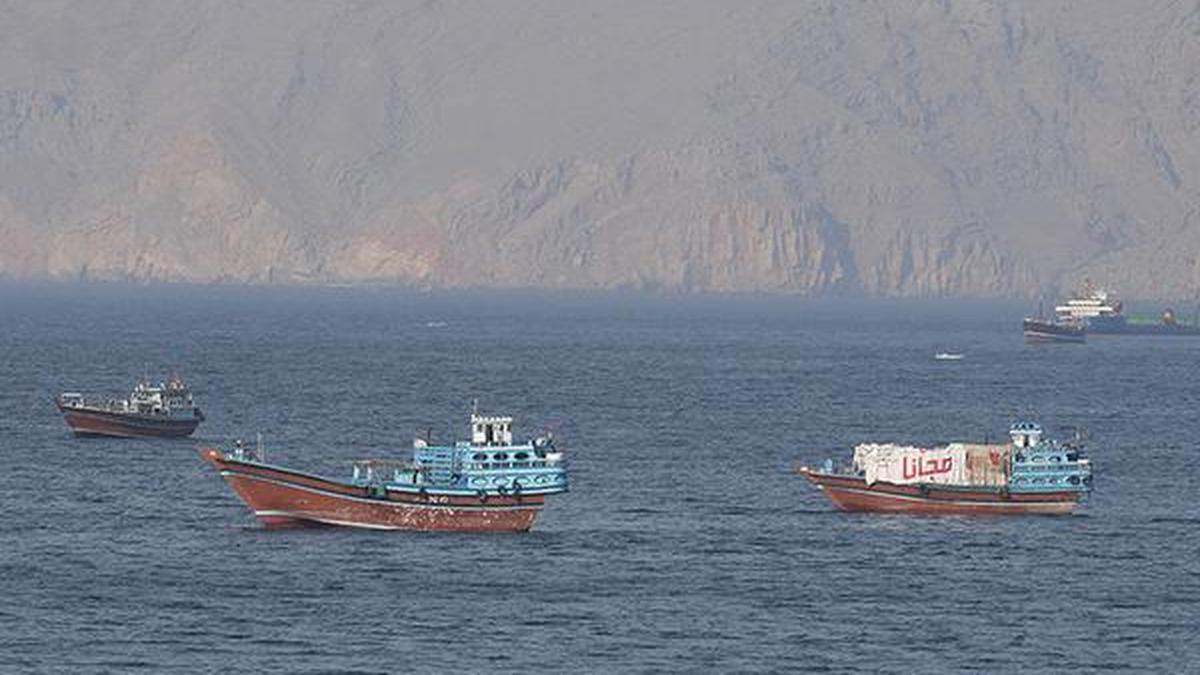
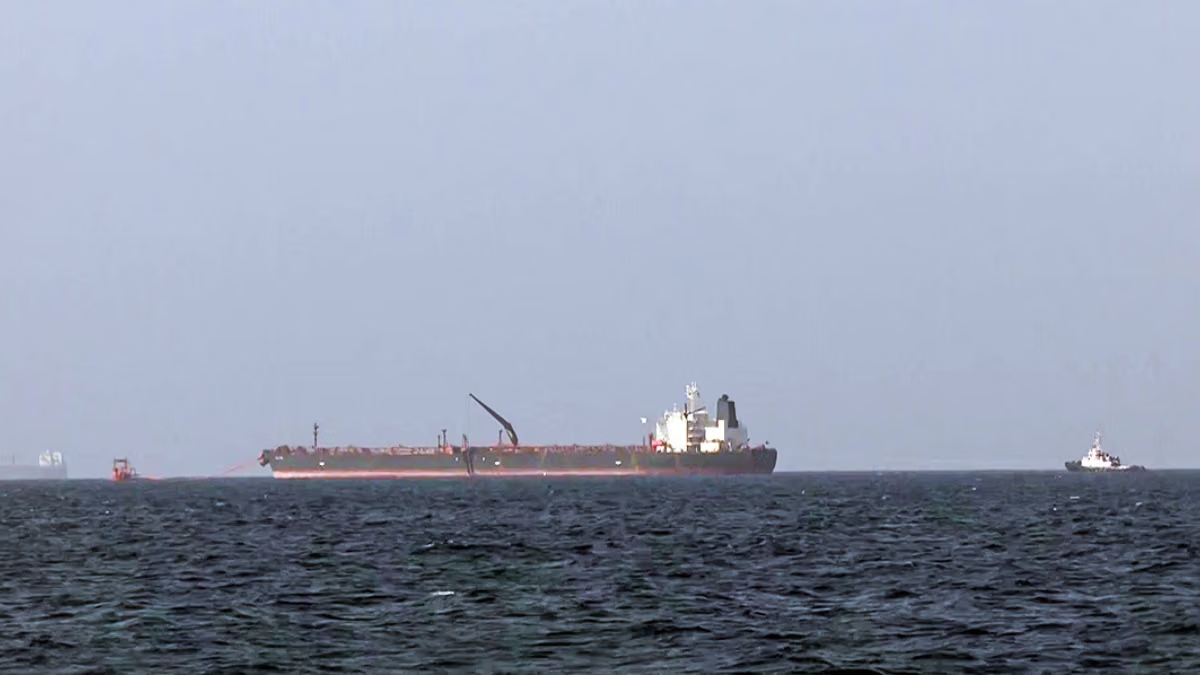
The US/Israel-Iran war that started on 28 February had led to the near closure of the Strait of Hormuz, disrupting crude supplies for weeks, with its impact felt across the globe. India handled one of the biggest disruptions to the global energy market in recent years without significant supply shortages, supported by higher crude and gas imports from Russia, the US, Venezuela and Africa.
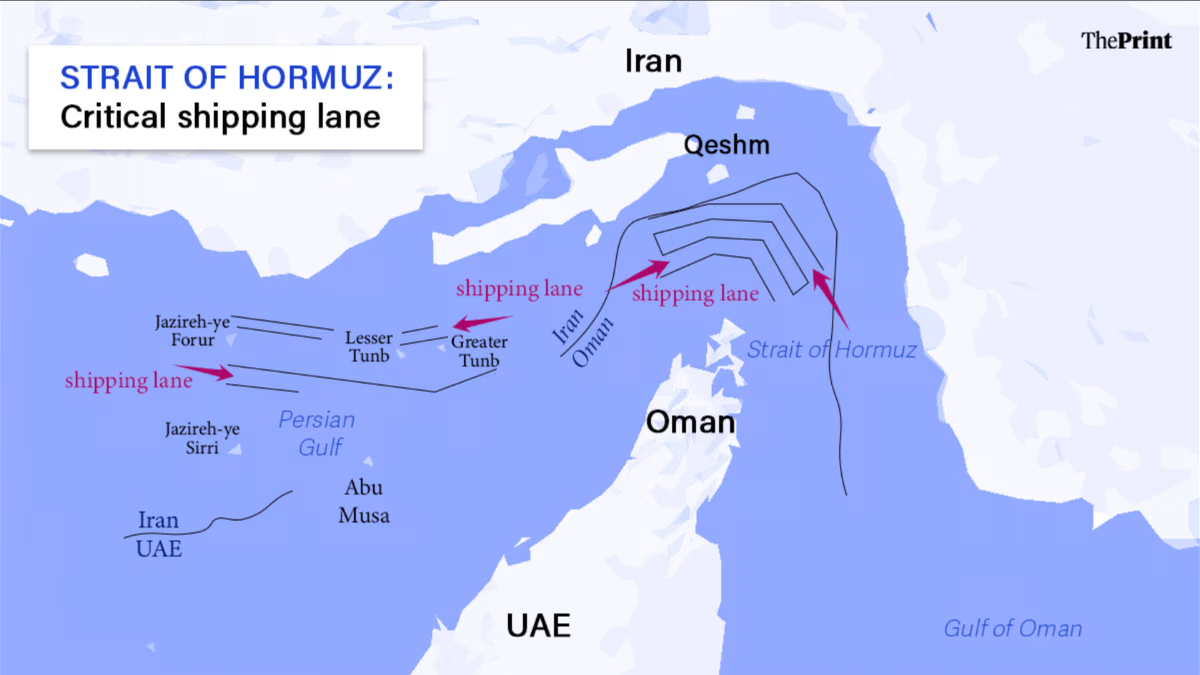
Overall, India managed to shore its supplies by diversifying its energy imports from nearly 40 countries.Petroleum and Natural Gas Minister Hardeep Singh Puri told a press conference last week India had successfully navigated the crisis through diplomatic engagement, timely policy interventions, increased domestic production and diversifying imports from nearly 40 countries. But policymakers now believe that while supplier diversification has reduced dependence on individual countries, India’s imports remain exposed to a handful of vulnerable maritime corridors, including the Strait of Hormuz.“We were able to diversify countries for energy sourcing, but the next focus is diversifying trade routes,” a person familiar with the development told ThePrint. The person said the government is evaluating ways to reduce concentration risks arising from dependence on key shipping routes.Before the West Asia conflict, around 45 percent of India’s crude oil imports, 50 percent of liquefied natural gas (LNG) imports and nearly 90 percent of liquefied petroleum gas (LPG) imports passed through the Strait of Hormuz, one of the world’s busiest energy chokepoints.