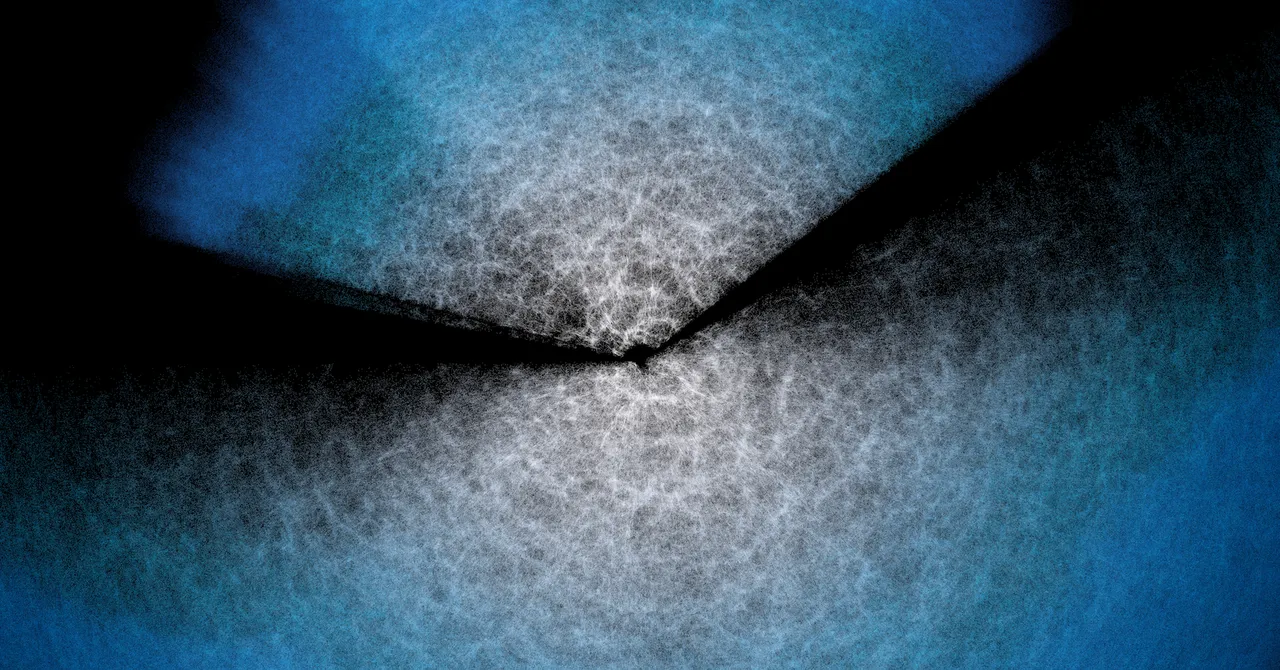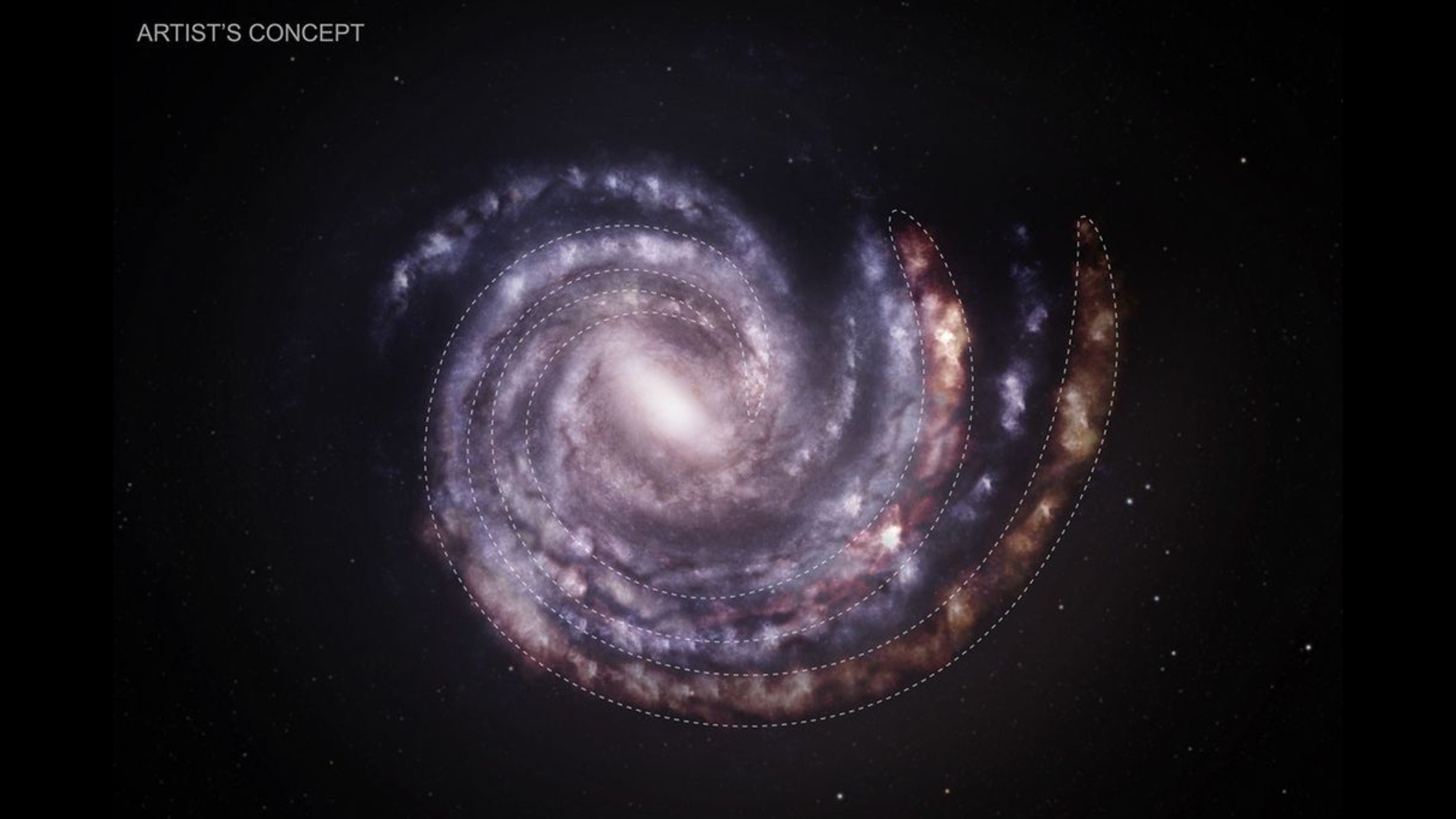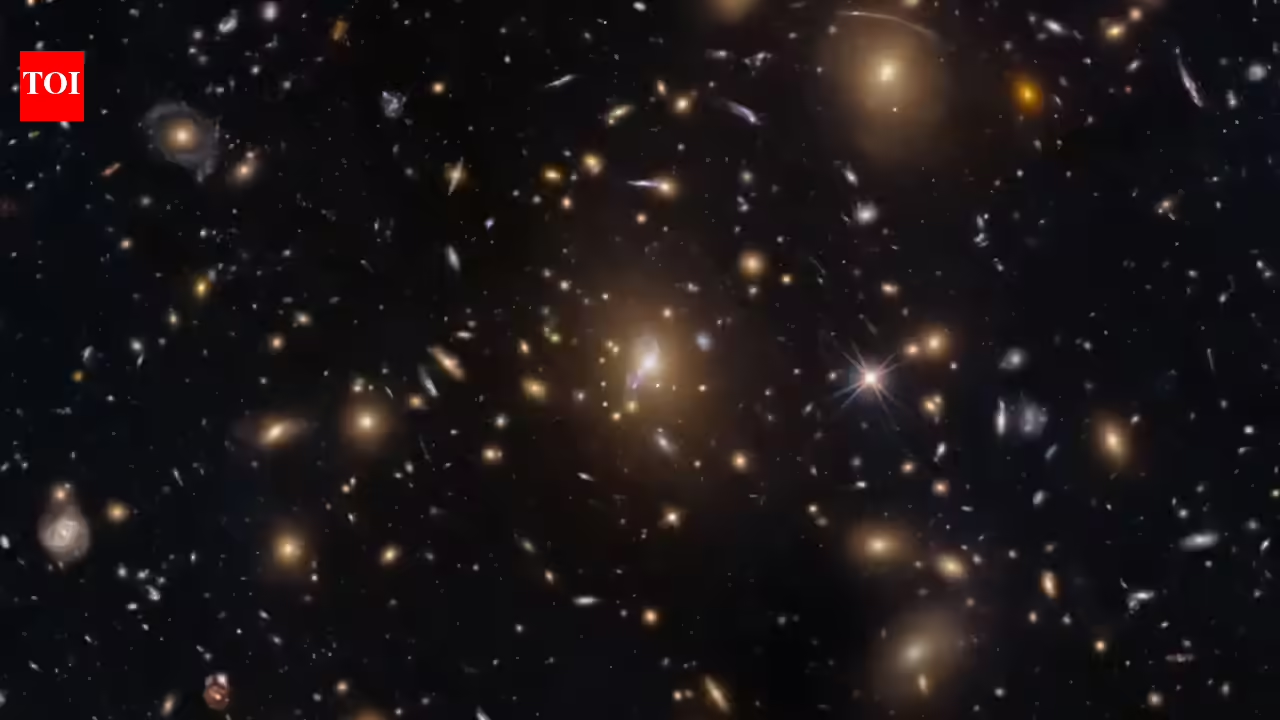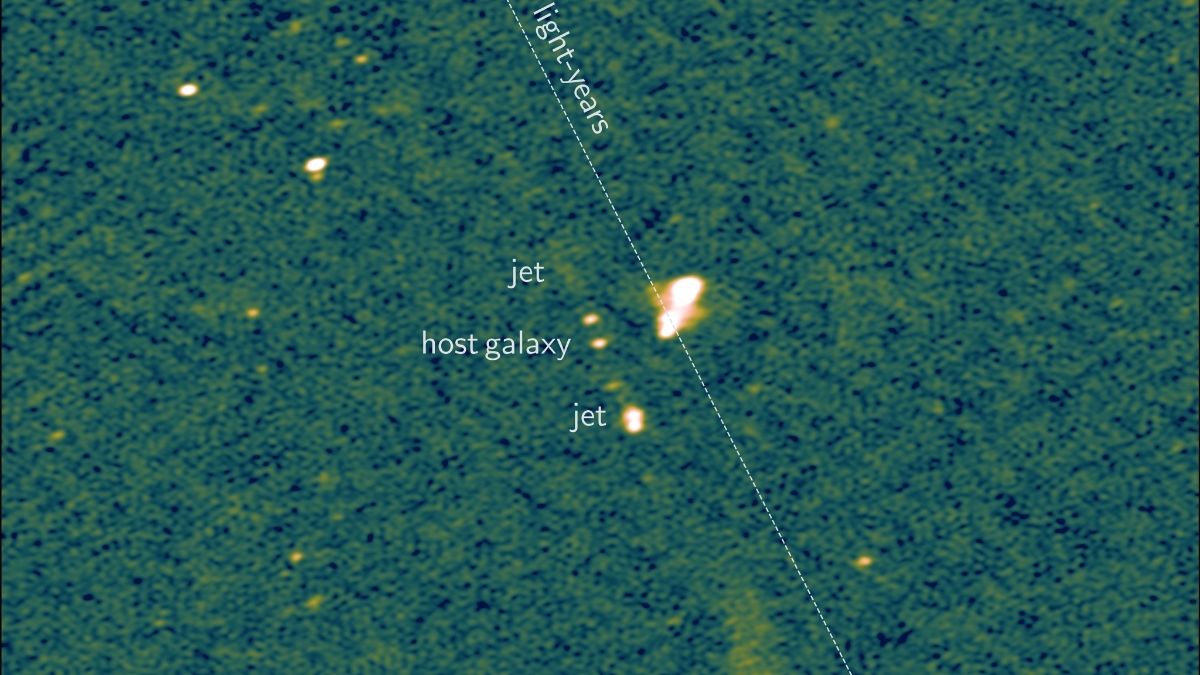
There are plenty of mind-bendingly large structures in our Universe.But when it comes to galaxies, two discoveries over the past five years have given the word 'massive' a whole new meaning.Case in point, one of the biggest structures of galactic origin detected by humans in radio waves: Porphyrion.Named after the king of giants in Greek mythology, Porphyrion is 7.5 billion light-years away, so it's not exactly in our galactic neighborhood.It was first detected in 2024, when researchers picked up radio signals from a pair of jets being blasted out by the black hole presumably at the galaxy's center.
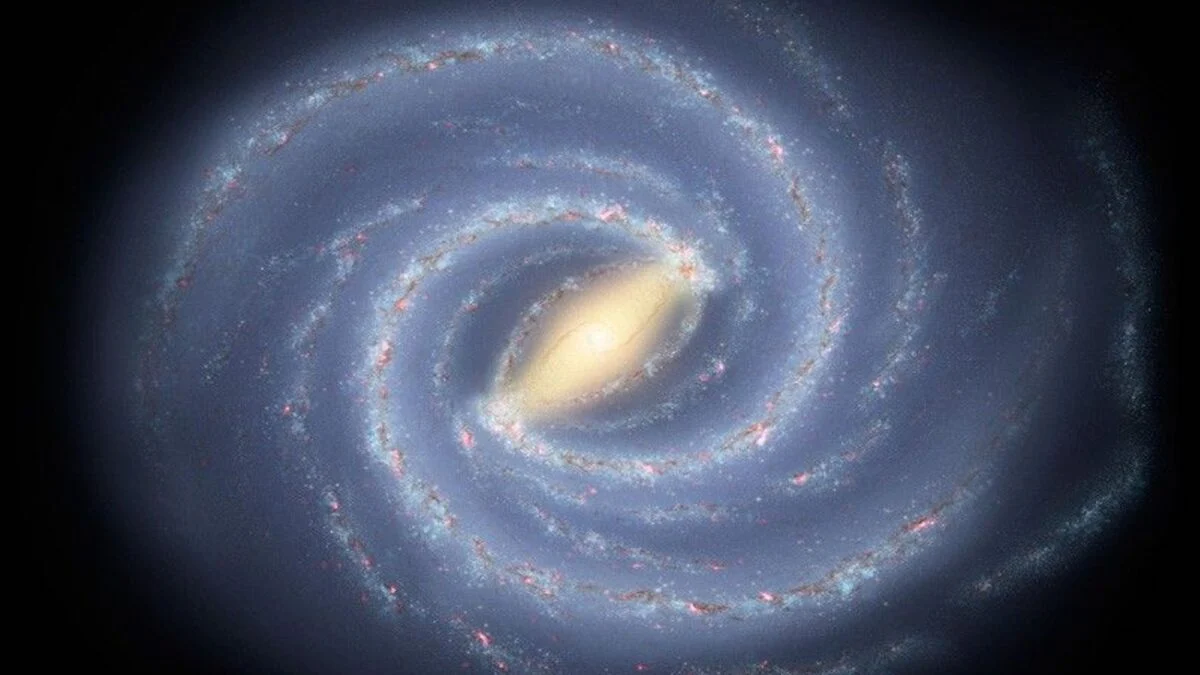
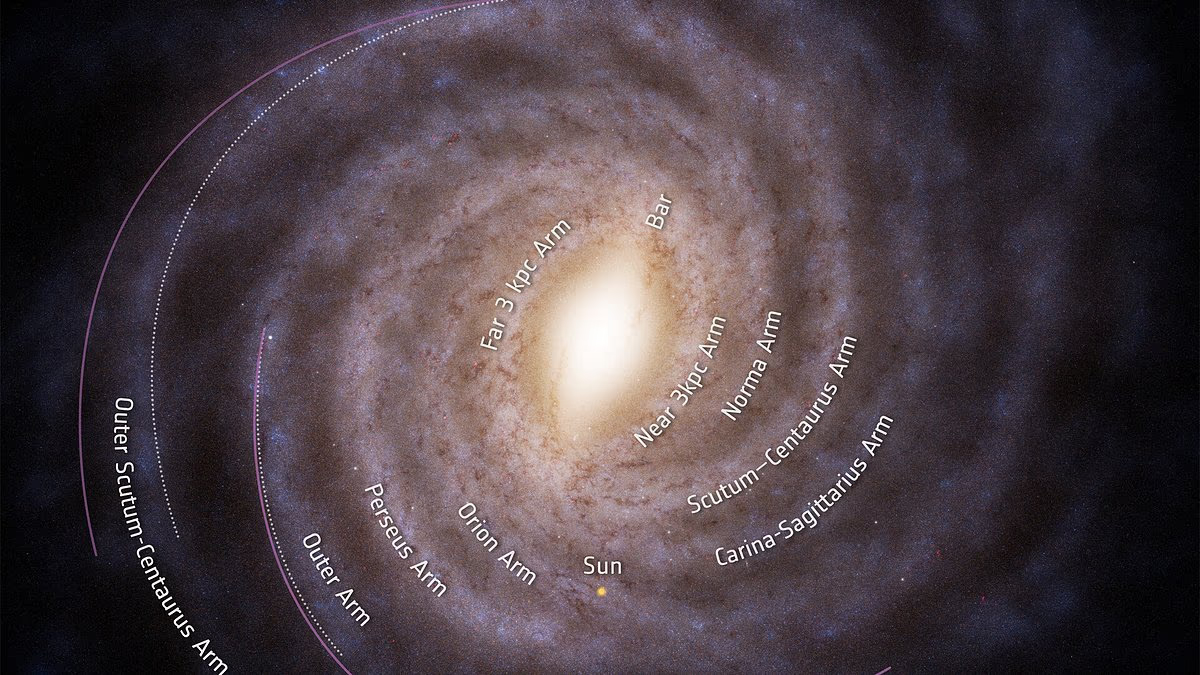
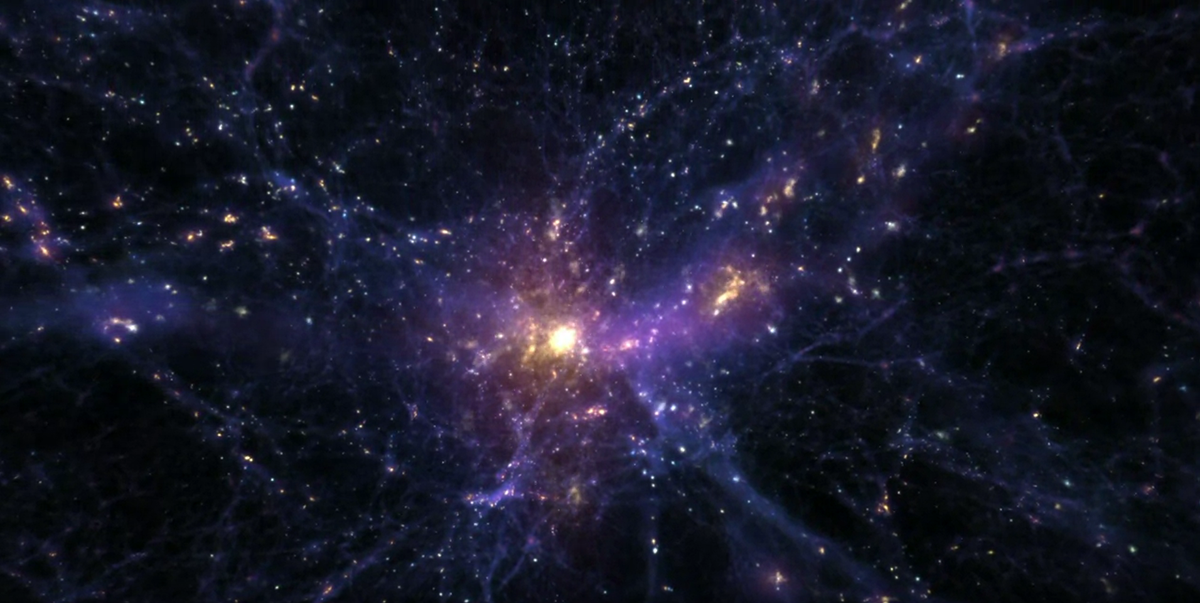
Those jets spanned an incomprehensible 23 million light-years (or 7 megaparsecs) across, blasting out from the black hole at the center of the galaxy. That's roughly the distance of 140 Milky Ways stacked end to end.Let that sink in. 140 galaxies. End to end."Porphyrion shows that small things and large things in the Universe are intimately connected. We are seeing a single black hole that produces a structure of a scale similar to that of cosmic filaments and voids," astronomer Martijn Oei of Leiden University in the Netherlands and Caltech, lead author on the discovery paper published in Nature, told ScienceAlert back in 2024.