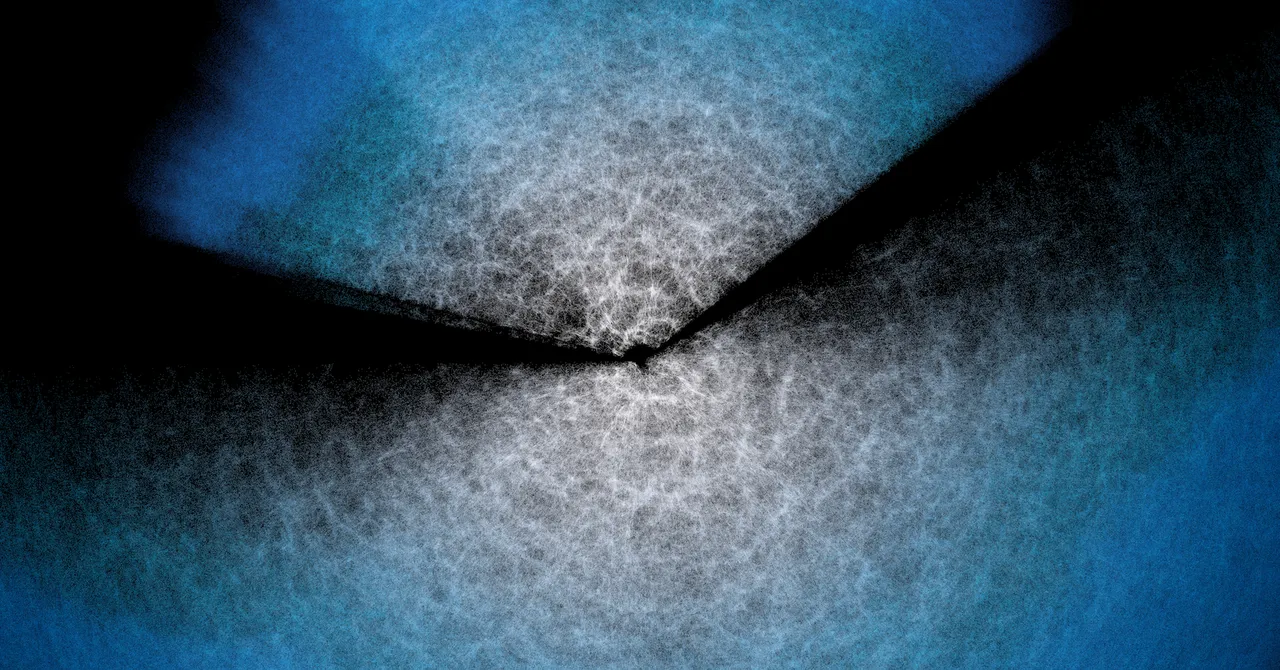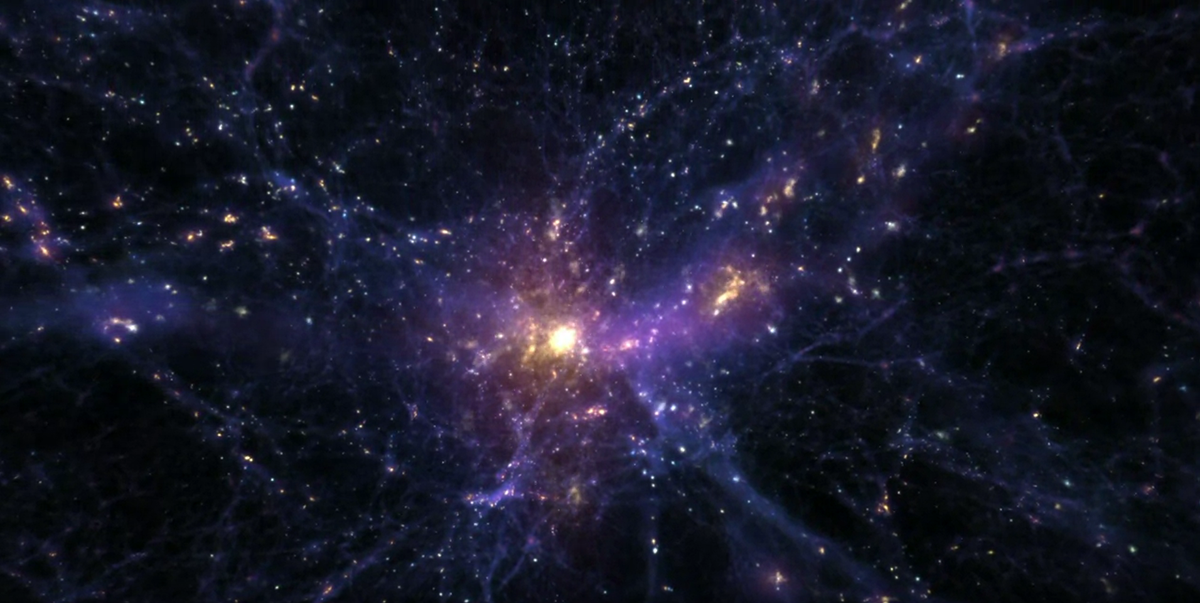
“In the standard model, it's not that there aren’t structures,” said Galoppo in the call. “It is just that they are supposed to be smaller and less persistent than what we found. That's the crux of the matter.”To that end, DESI is expected to release a new batch of observations within a year, and similar datasets will also be forthcoming from Europe’s Euclid space telescope and the Vera C. Rubin Observatory in Chile in the near term. These new and improved views of the universe will help scientists grapple with just how vast these large-scale structures are, and what that means for our understanding of our cosmic surroundings. “At present, there is no simple or widely accepted modification of the ΛCDM framework that naturally explains structures of this size while remaining consistent with the observed uniformity of the cosmic microwave background,” Labini and Galoppo wrote over email. “That is precisely why these observations are so interesting: they point to a potentially important gap between theory and observation that deserves further investigation.”“If future surveys continue to find coherent directional structures on even larger scales, the implications for cosmology would be profound,” they concluded.
Vast ‘Structures’ In Space Reveal the Universe Isn't What We Thought
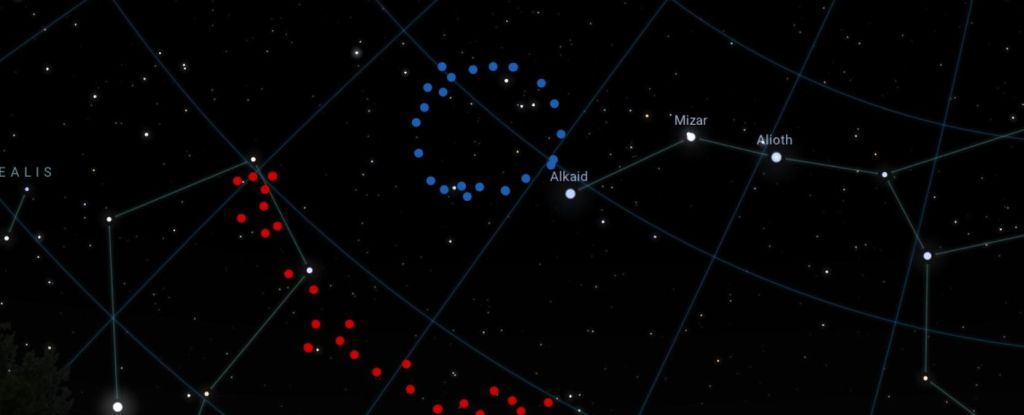
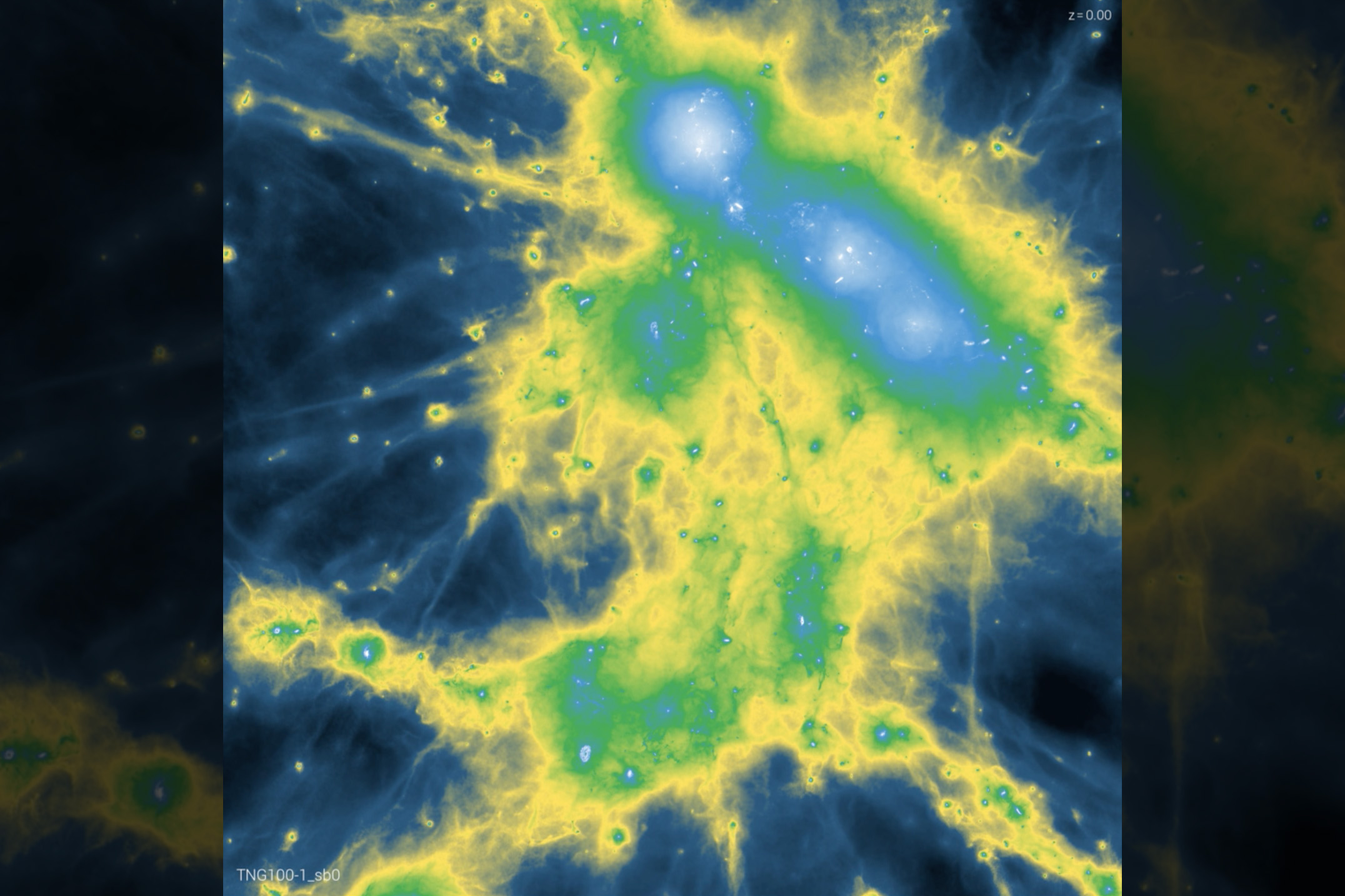
Physicists have discovered that the dark matter structures that scaffold the universe—known as the “cosmic web”—are far larger and more persistent than expected, challenging a core assumption about the universe.
192 words~1 min read