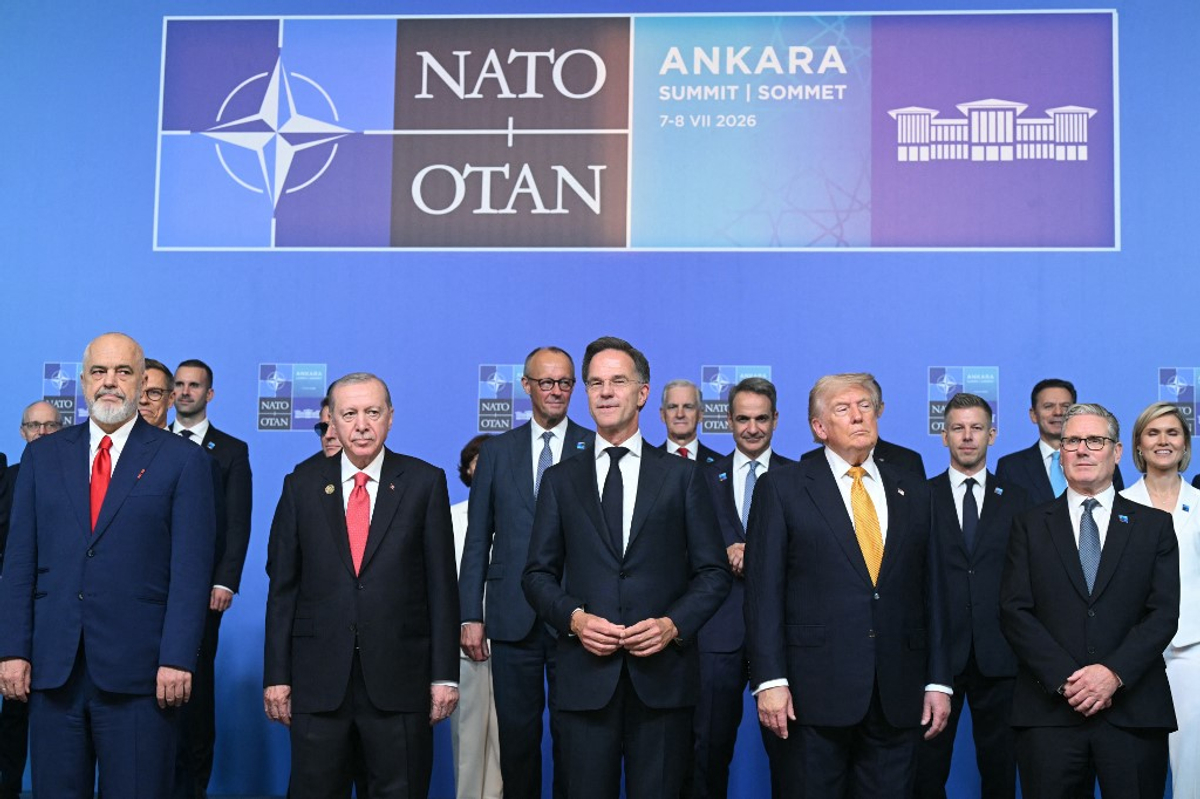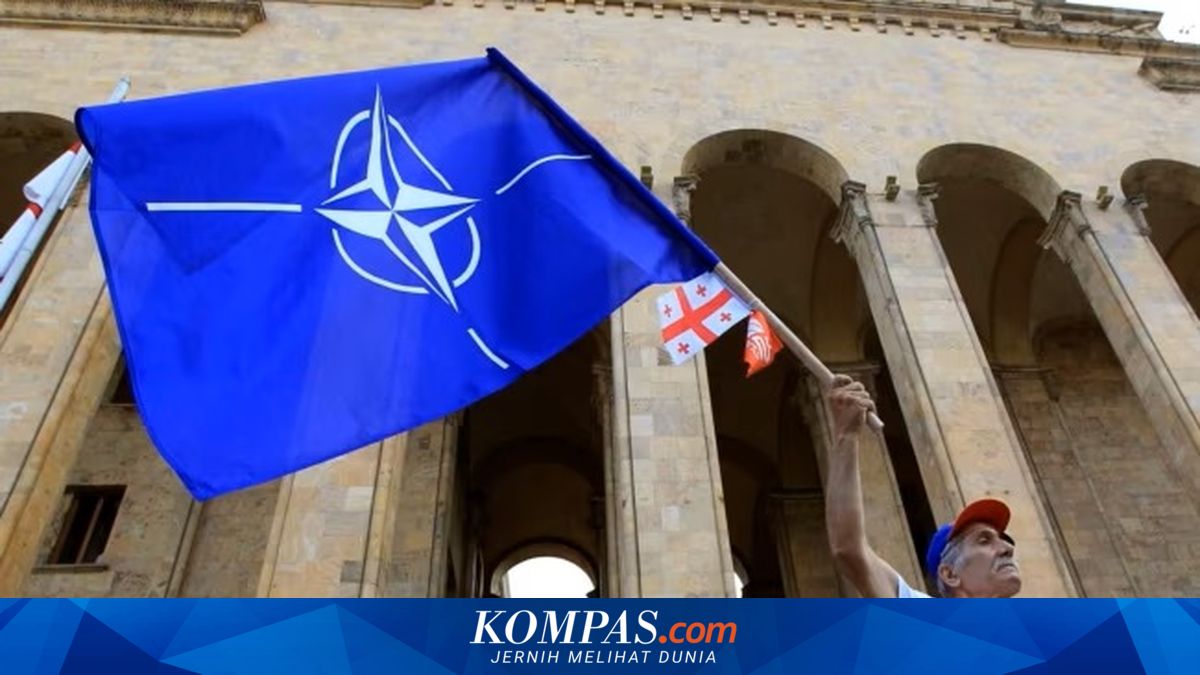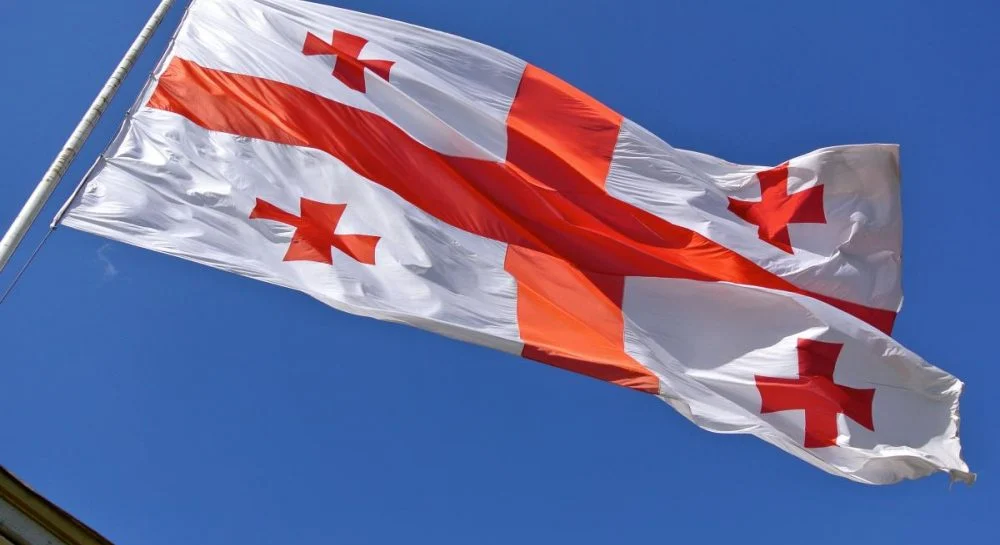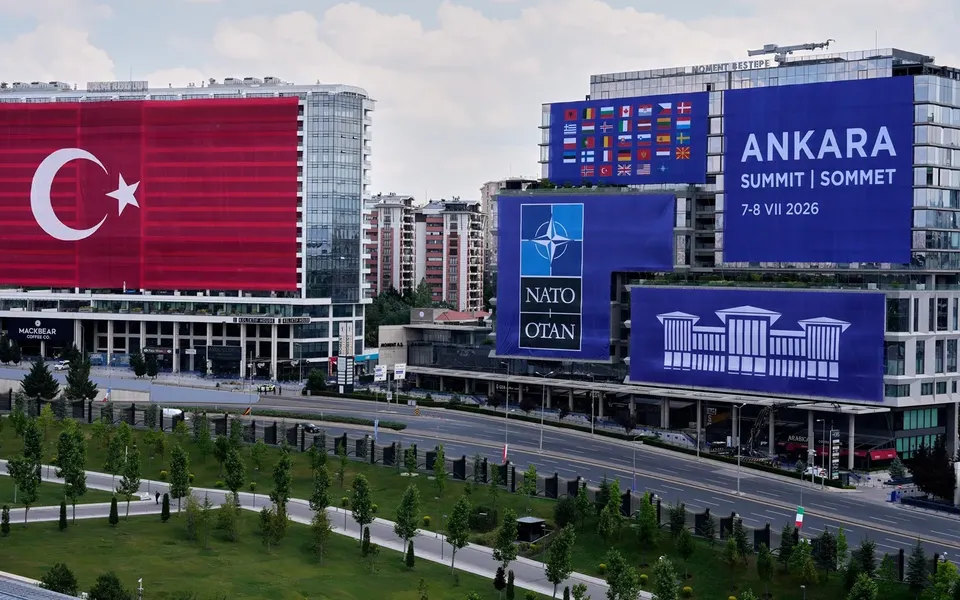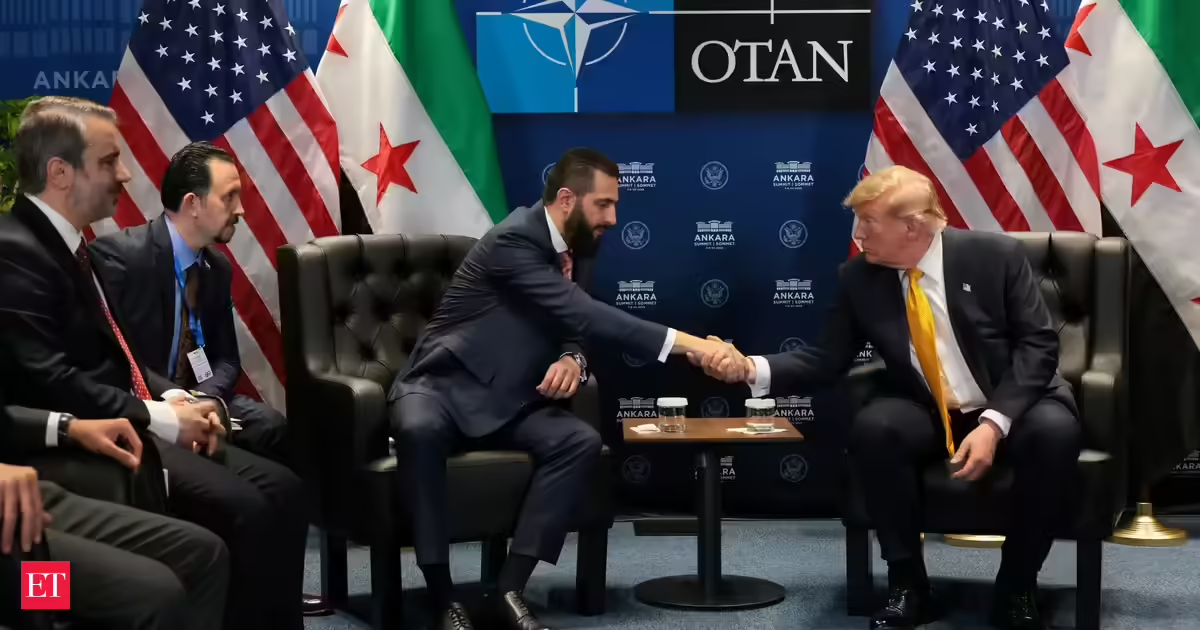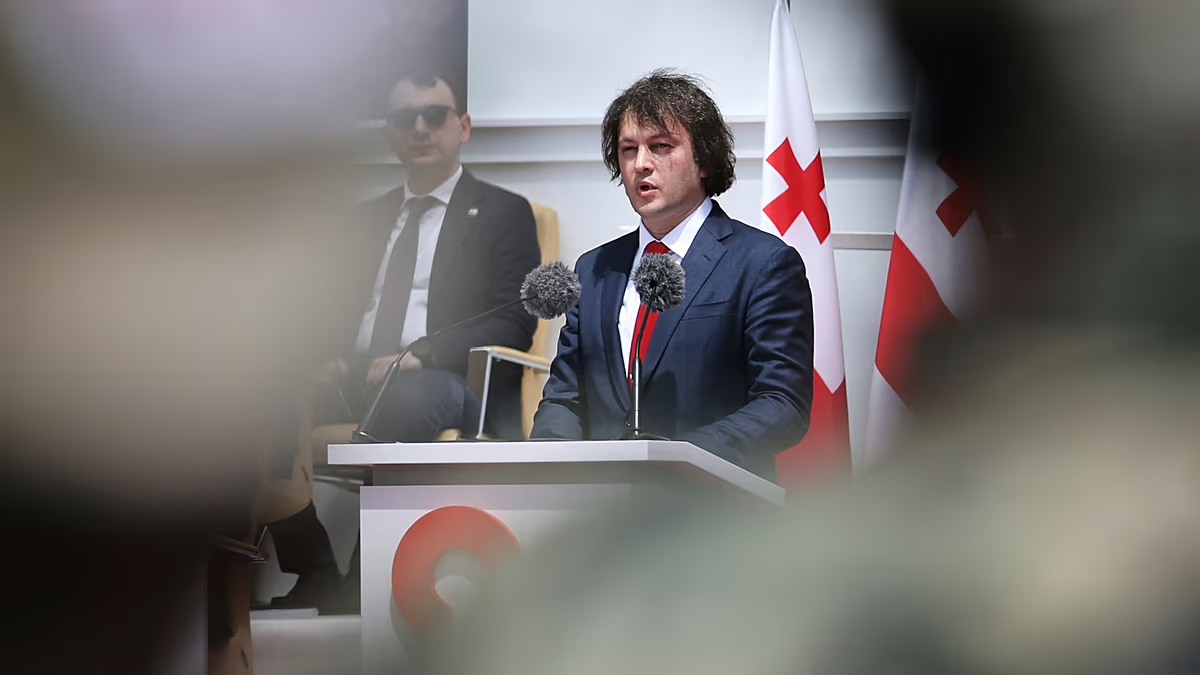
Georgia’s political and civil society spheres have been gripped by a renewed debate over why its government was once again not invited to the NATO summit in Turkey and to regional political and security events, a possible sign of Tbilisi’s political isolation.
As with previous summits, NATO partner countries such as Qatar, the UAE, Japan, South Korea, New Zealand and Australia as well as Ukraine were invited to Ankara to attend events focusing on regional security, whereas, for the first time, former key NATO partner Georgia did not appear in the official summit programme nor in the accompanying forums.
Over the past decade, Georgia has consistently declared its approach to the EU and NATO as national strategies, but this time Tbilisi was absent from the alliance agenda, prompting a political debate in Georgia over whether the country has lost its political influence or relevance.
Georgia’s ruling party representatives claimed that the summit in Ankara did not include the type of meetings Georgia used to attend in the past and rejected accusations of political isolation.
Georgian Dream MP Irakli Kirtskhalia told the press in Tbilisi that “we have no problem attending the summit, ask the organizers why we are not represented.”