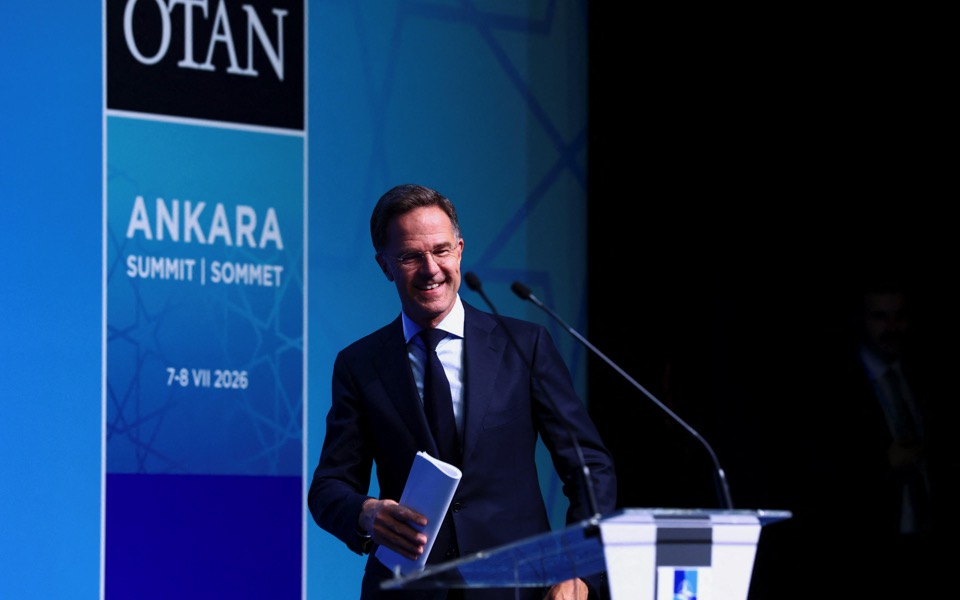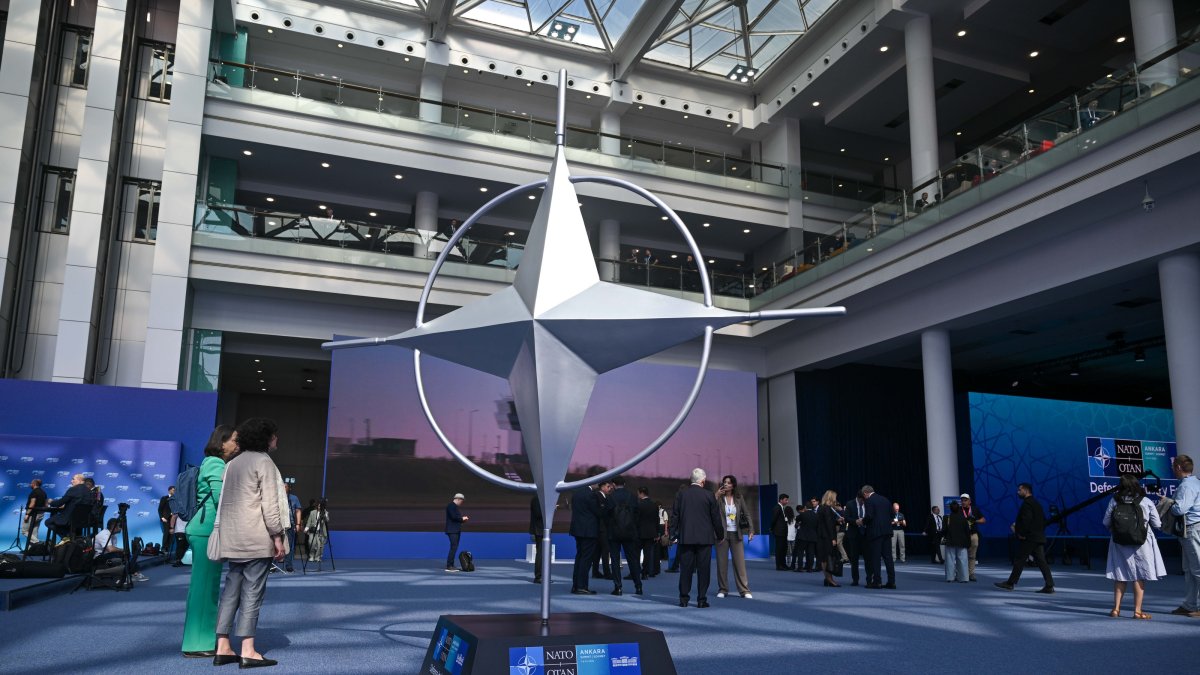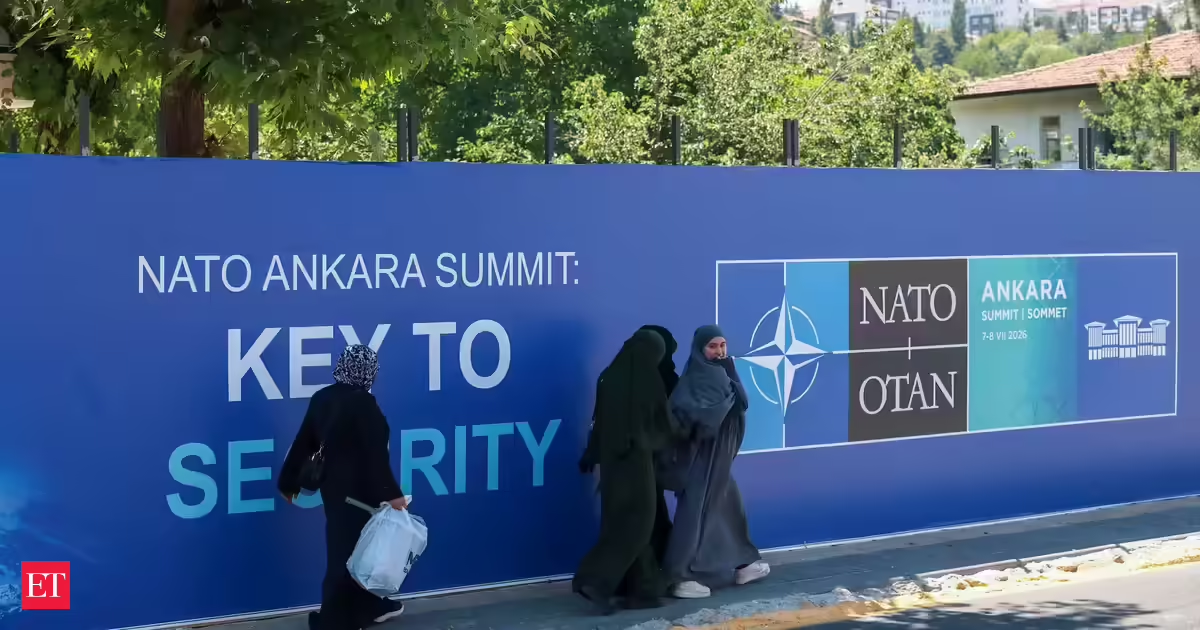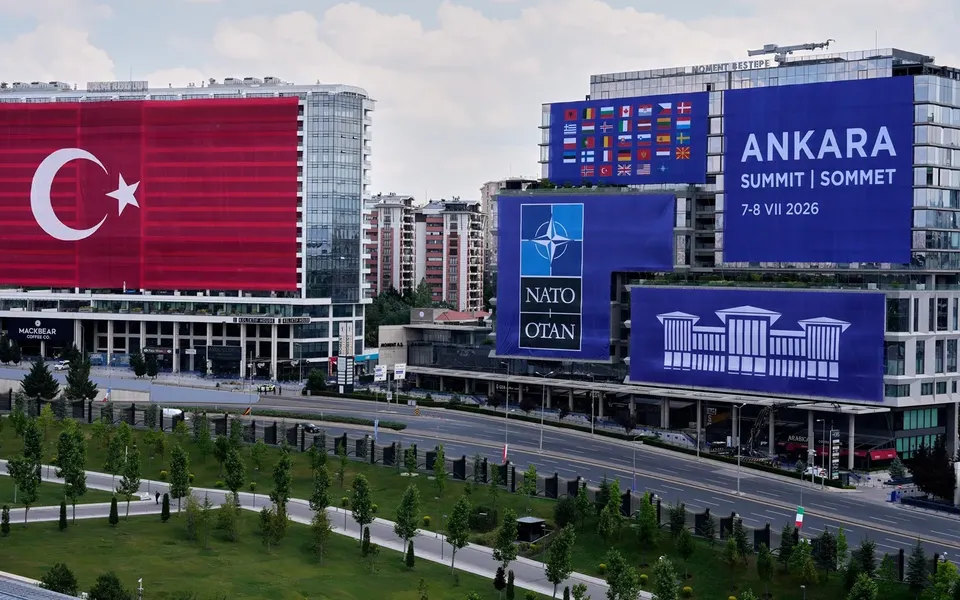
As in many other fields, Greece is accustomed to having to deal with complicated, difficult situations – unlike most of its partners and allies, who don’t live on the edge of an always unpredictable region, nor have a (predictably) aggressive neighbor who is also an ally. In this way, the Greek delegation at the NATO Summit in Ankara will not feel out of its depth: it knows that within the alliance it must always defend its interests, must have open channels with many allies at the bilateral level, and must never take anything for granted.
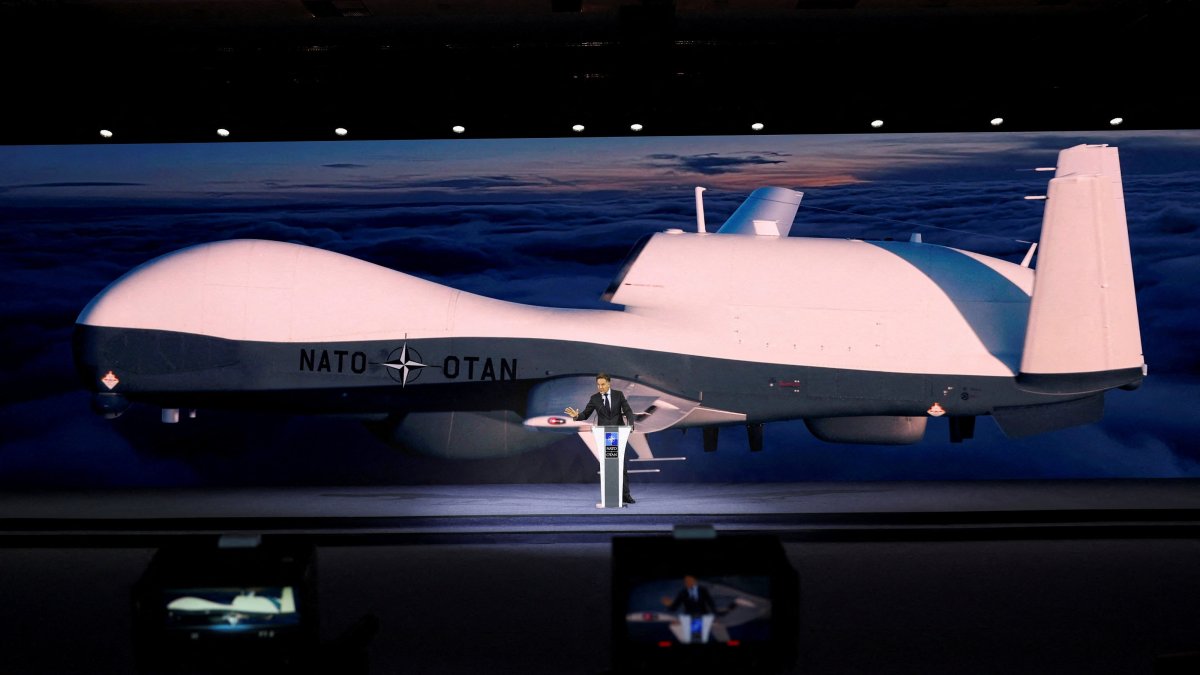
Today, the situation is even more complicated, as the two-day summit is being held in Turkey, and US President Donald Trump, who will play the leading role, makes no secret of his admiration of his Turkish counterpart, Recep Tayyip Erdogan. As the discussions will focus on the defense industry and defense investments, the essence of the summit will be whether the surge in defense spending will benefit mainly the industries and technology giants of the United States (as Trump demands), or whether the Europeans will be able to develop their own industries and technologies. The allies, in other words, have different aims on this crucial issue.
If Trump doesn’t upend the program, the summit will show how NATO is changing. Its mightiest member cares only about its own interests, whereas everyone else must resist this but also still keep America within the alliance. With nationalism dominant, and with the great effort to strengthen private companies with public money, the negotiations will be tough.