Academia
Time to reckon with one of the great myths of American economic life: that the country’s prosperity was built on laissez-faire capitalism.
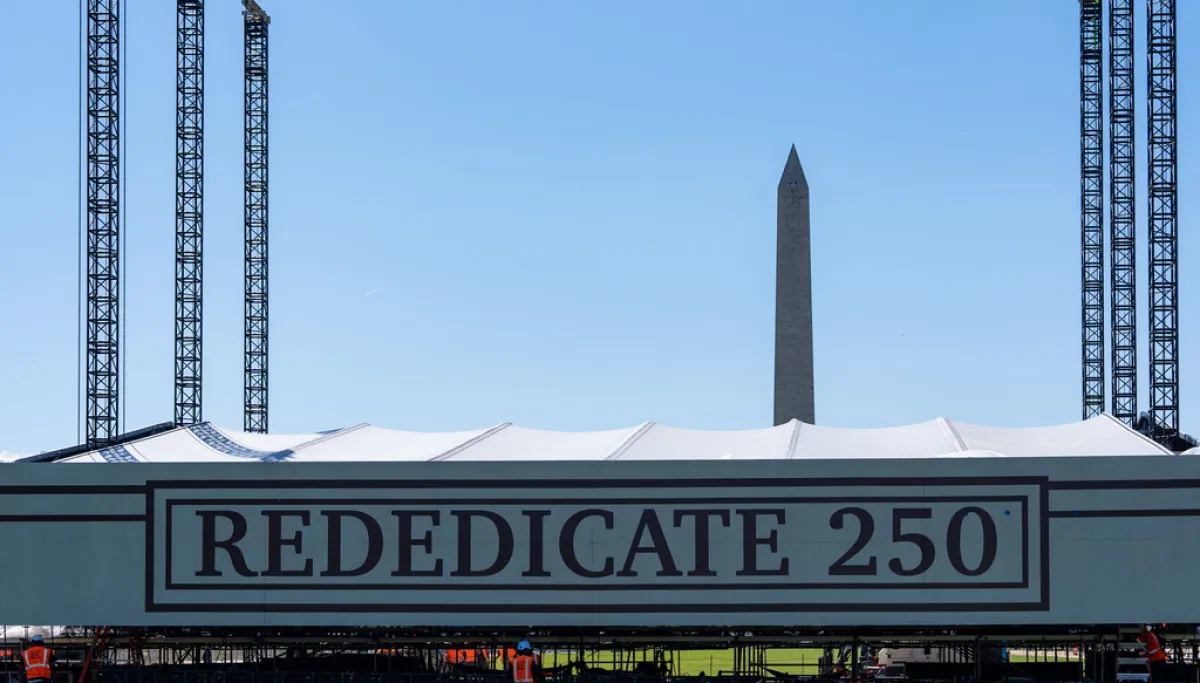
Christian worshipers raise their hands as faith leaders pray during the Roots of Revival event at the Washington Monument, held a day ahead of “Rededicate 250: A National Jubilee of Prayer, Praise and Thanksgiving“ on May 16 in Washington, DC. (AFP/Matthew Hatcher)
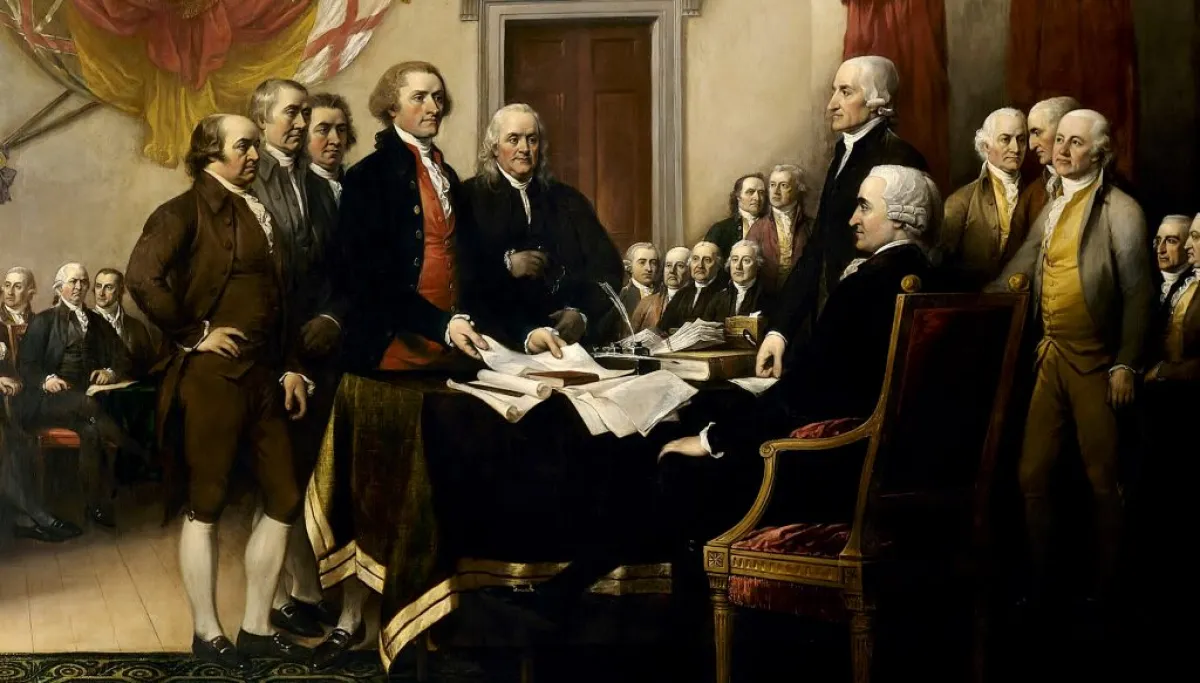
As the United States marks 250 years since the signing of the Declaration of Independence this summer, there is no better time to reckon with one of the great myths of US economic life: that the country’s prosperity was built on laissez-faire capitalism. From its very founding, the US has had a hybrid model in which the state directs, subsidizes and occasionally bails out private enterprise in the service of national priorities. While the prevailing narrative has often extolled free markets, policymaking itself has been more pragmatic.
This story begins not with Barack Obama’s health-care program, or even with Franklin D. Roosevelt’s New Deal in the 1930s, but with the very first US administration, under George Washington. In 1791, Secretary of the Treasury Alexander Hamilton submitted to Congress what was arguably the first government document in world history to lay out a systematic, intellectual case for industrial policy. In his Report on Manufactures, he noted that infant industries in the US, particularly textiles and garments, could not compete effectively against established British manufacturers without government protection. He proposed the use of tariffs and subsidies to nurture the industries of the future.