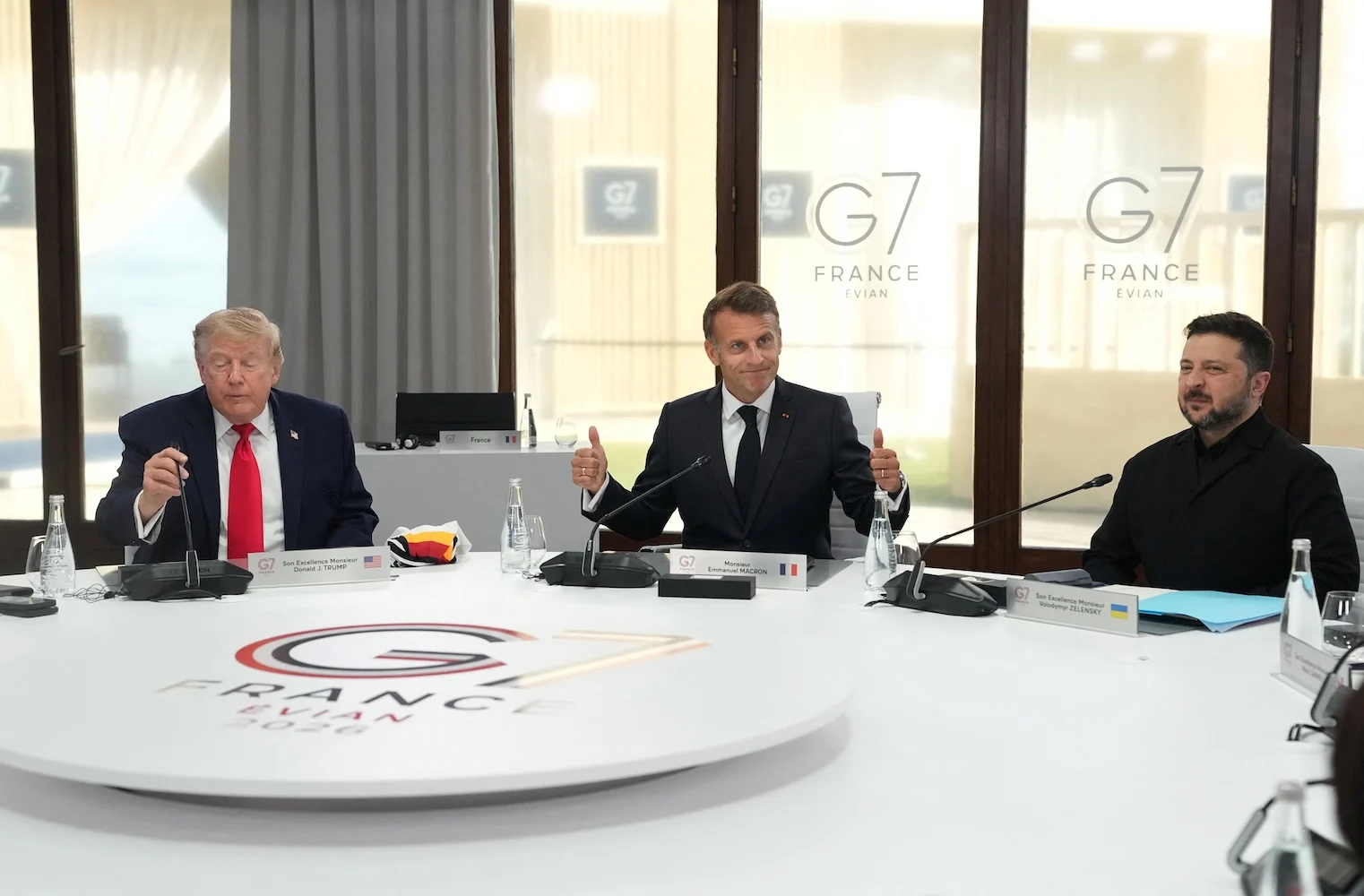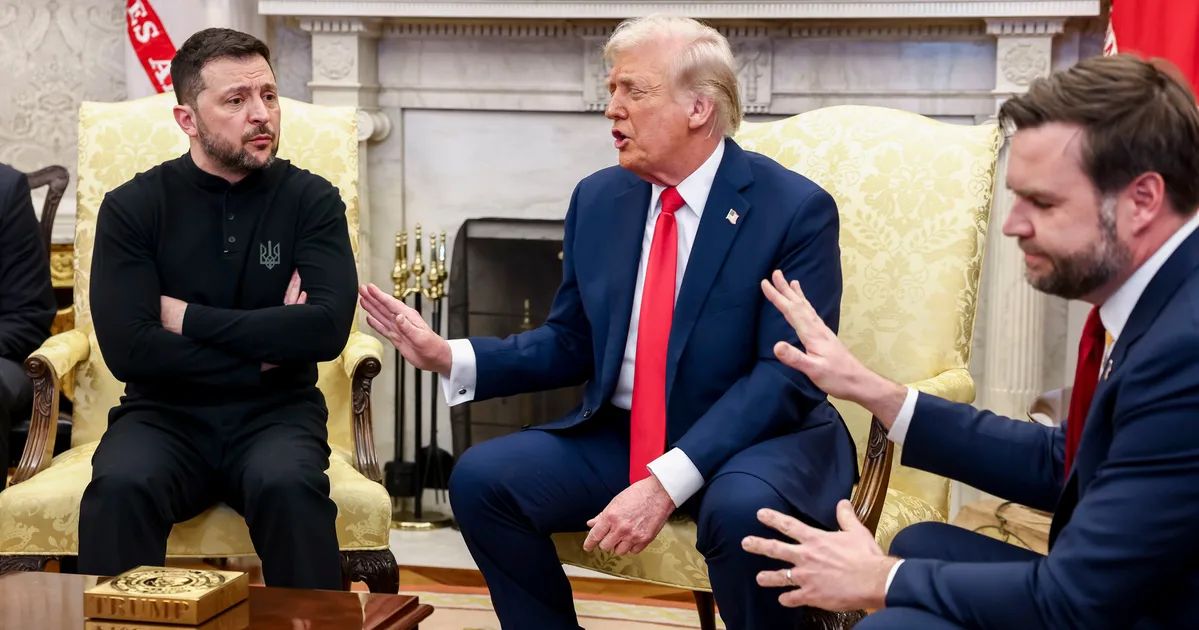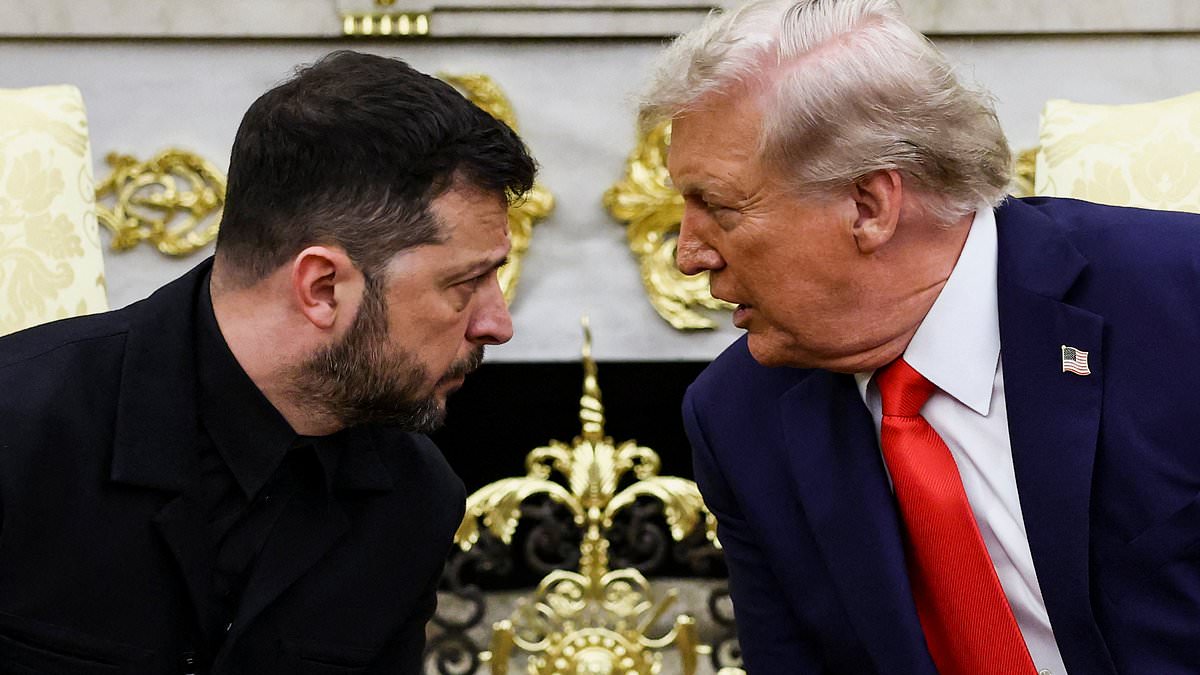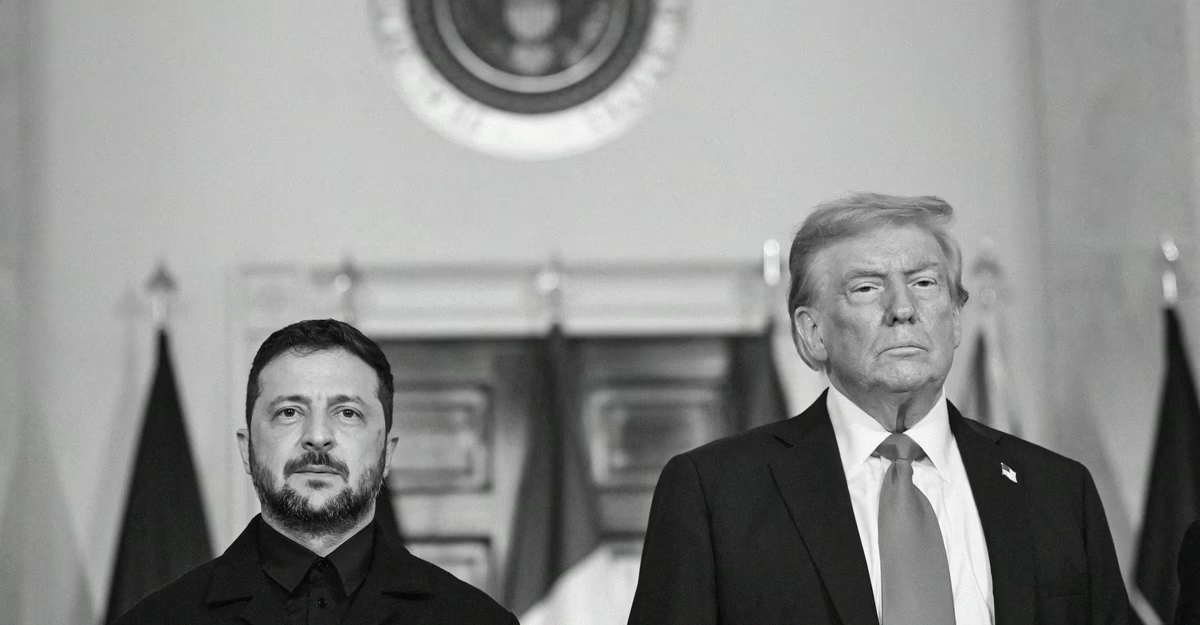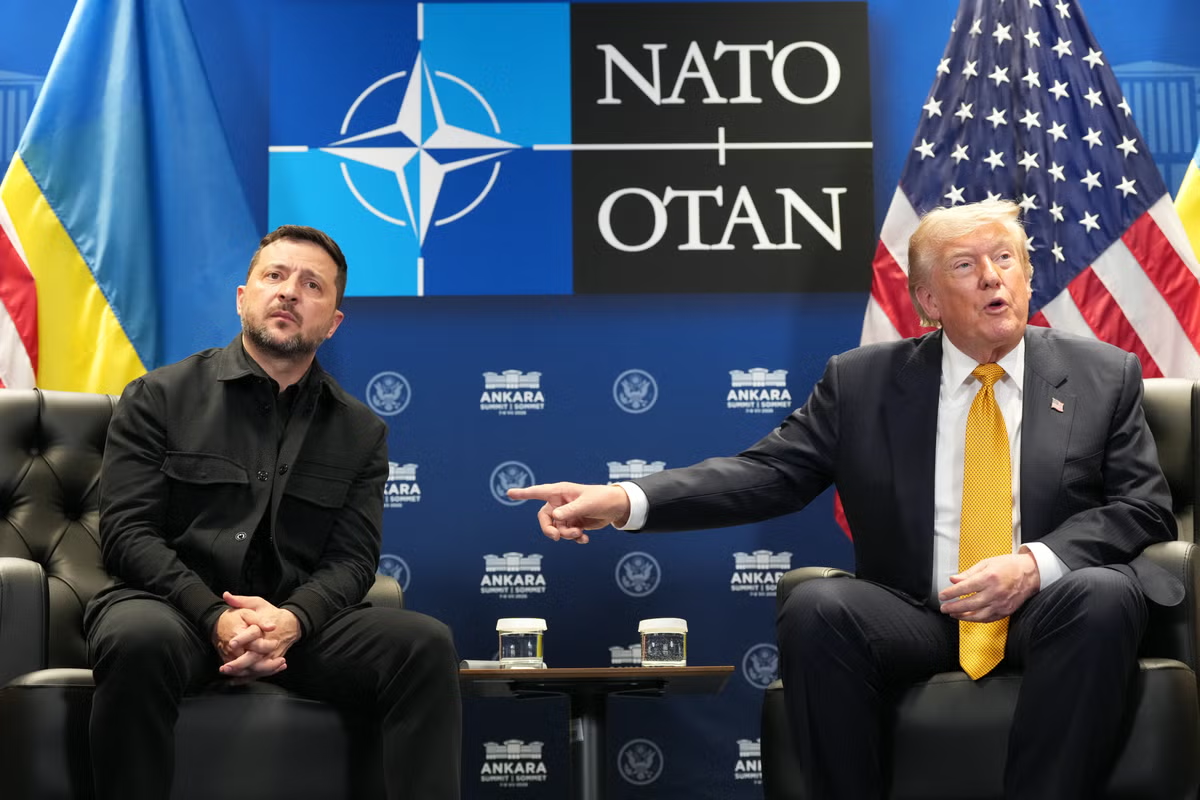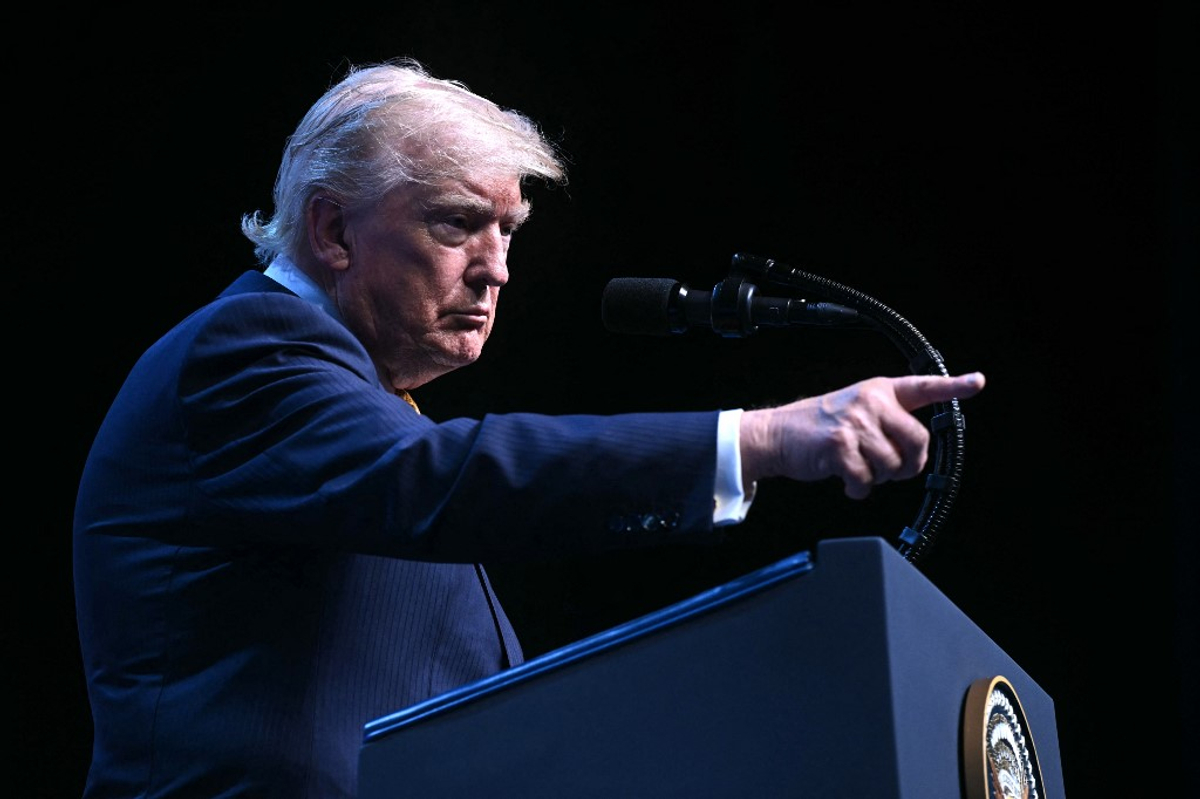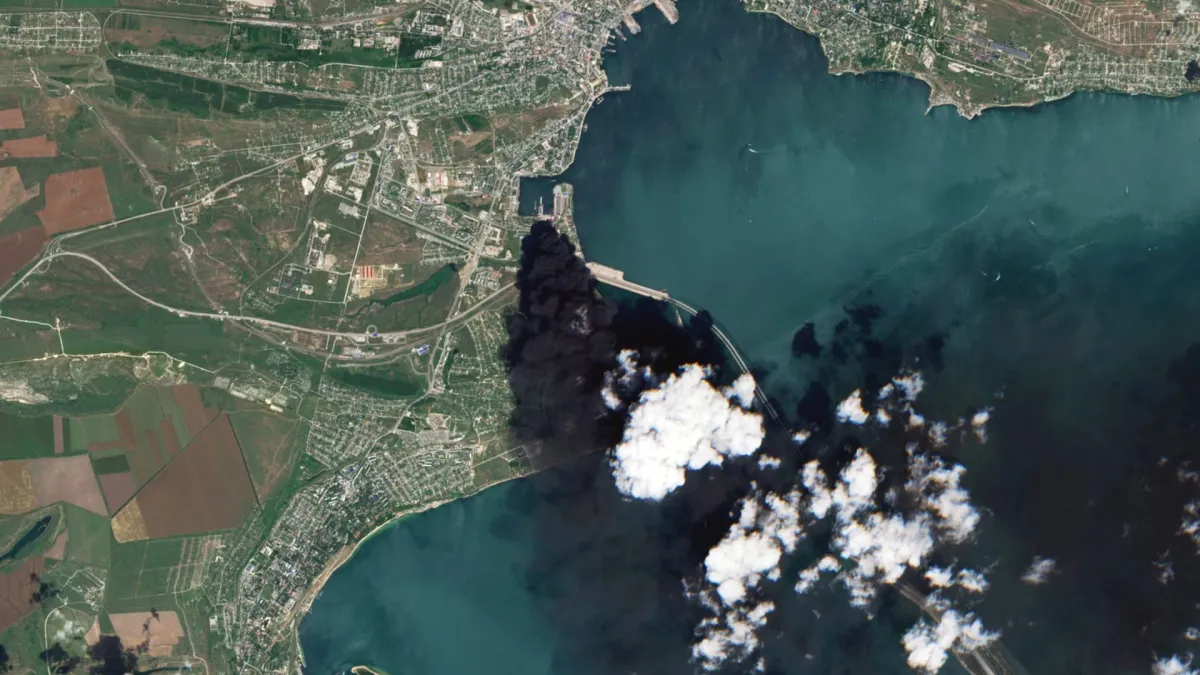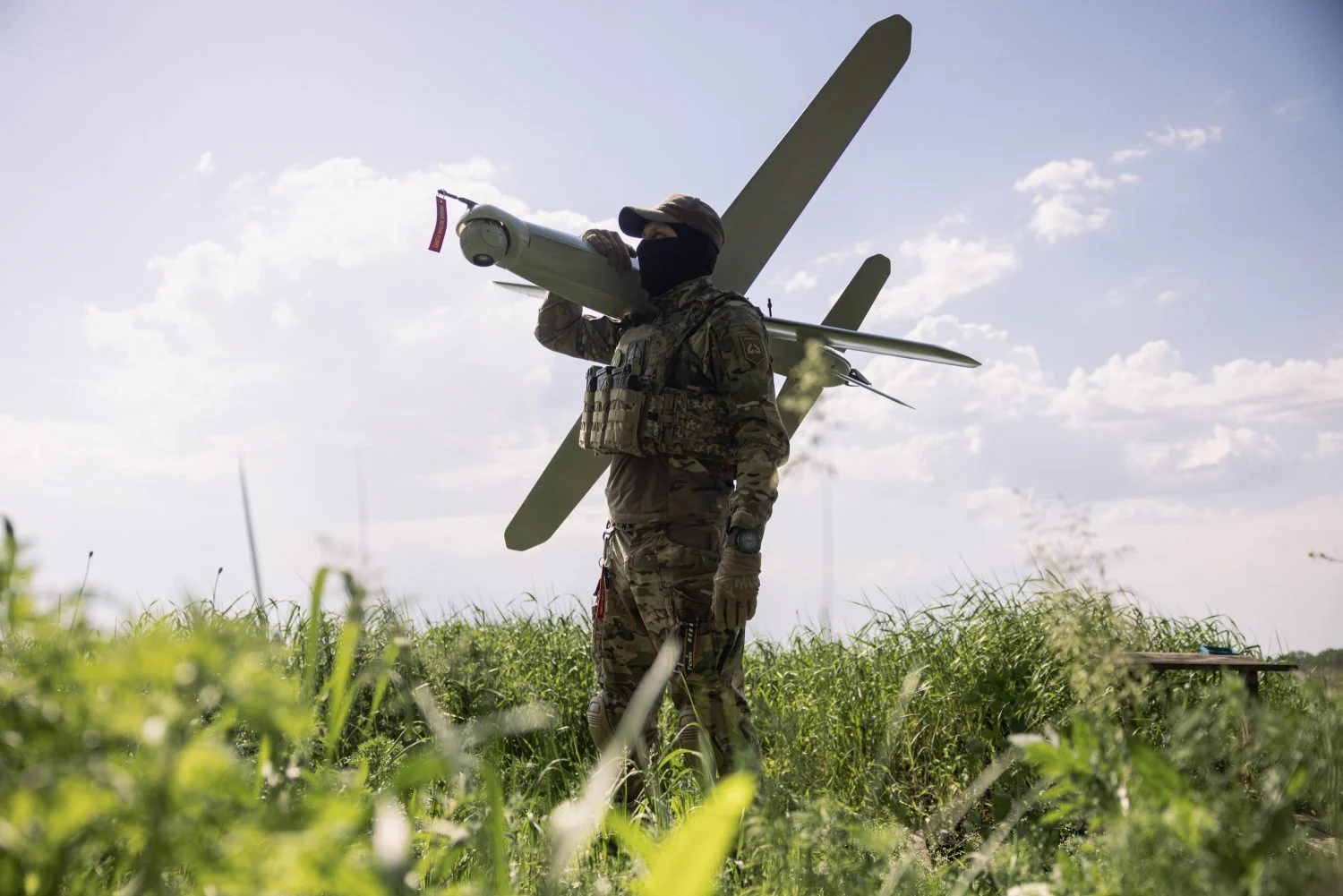
We’ve come a long way from the Oval Office meeting last year when U.S. President Donald Trump told Ukraine’s Volodymyr Zelensky “you don’t have the cards.” Kyiv seems to have come up with some aces recently, with regular drone attacks deep into Russian territory. Amid the Iran conflict, the United States and its allies have turned to Ukraine to learn how it built an ecosystem of cheap offensive drones. And at the NATO summit in Turkey earlier this week, Trump agreed to give Kyiv a license to manufacture Patriot missile interceptors, potentially mitigating a key Ukrainian vulnerability in the future.
Nothing succeeds like success. But has Kyiv simultaneously figured out how to navigate Trump? The strategy is “to placate, make offers, accept what Trump offers to you,” says Dmytro Kuleba, who served as Ukraine’s foreign minister during the first two years of the war. But Kyiv must do this “while quietly continuing the strategy of decoupling” from Washington, he adds.
I spoke with Kuleba on the latest episode of FP Live about Ukraine’s broader strategy, the chances for peace talks, and what role Europe and the United States might play. Kuleba is now a senior fellow at the Belfer Center at the Harvard Kennedy School. You can watch our full discussion in the video box atop this page, or by downloading the FP Live podcast. What follows here is a lightly edited and condensed transcript.