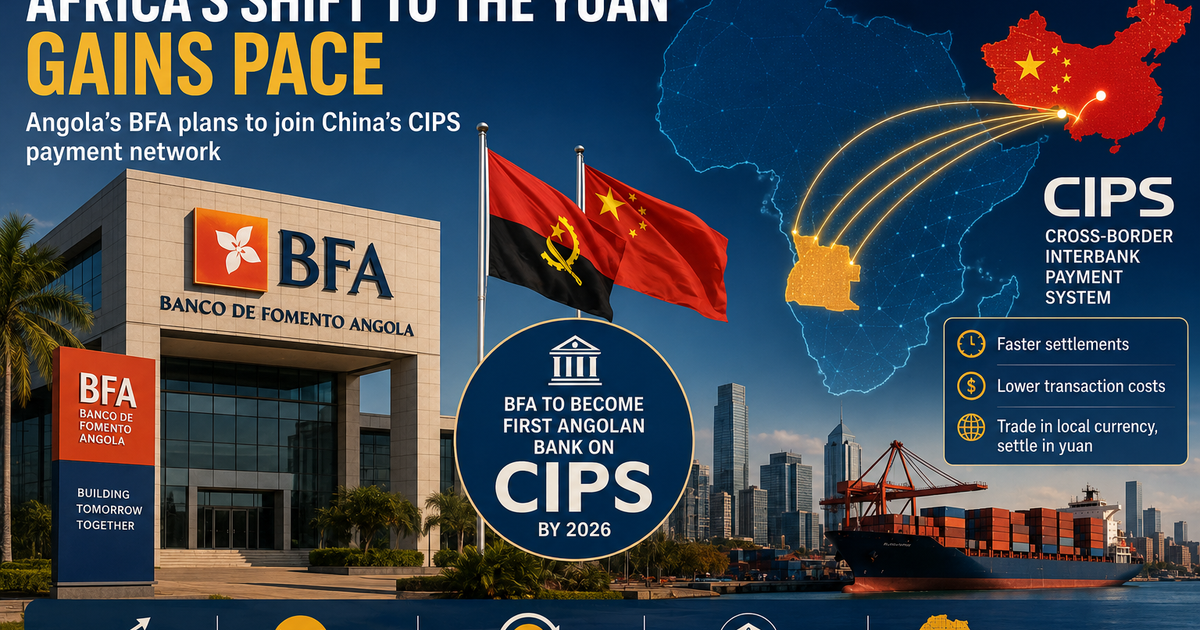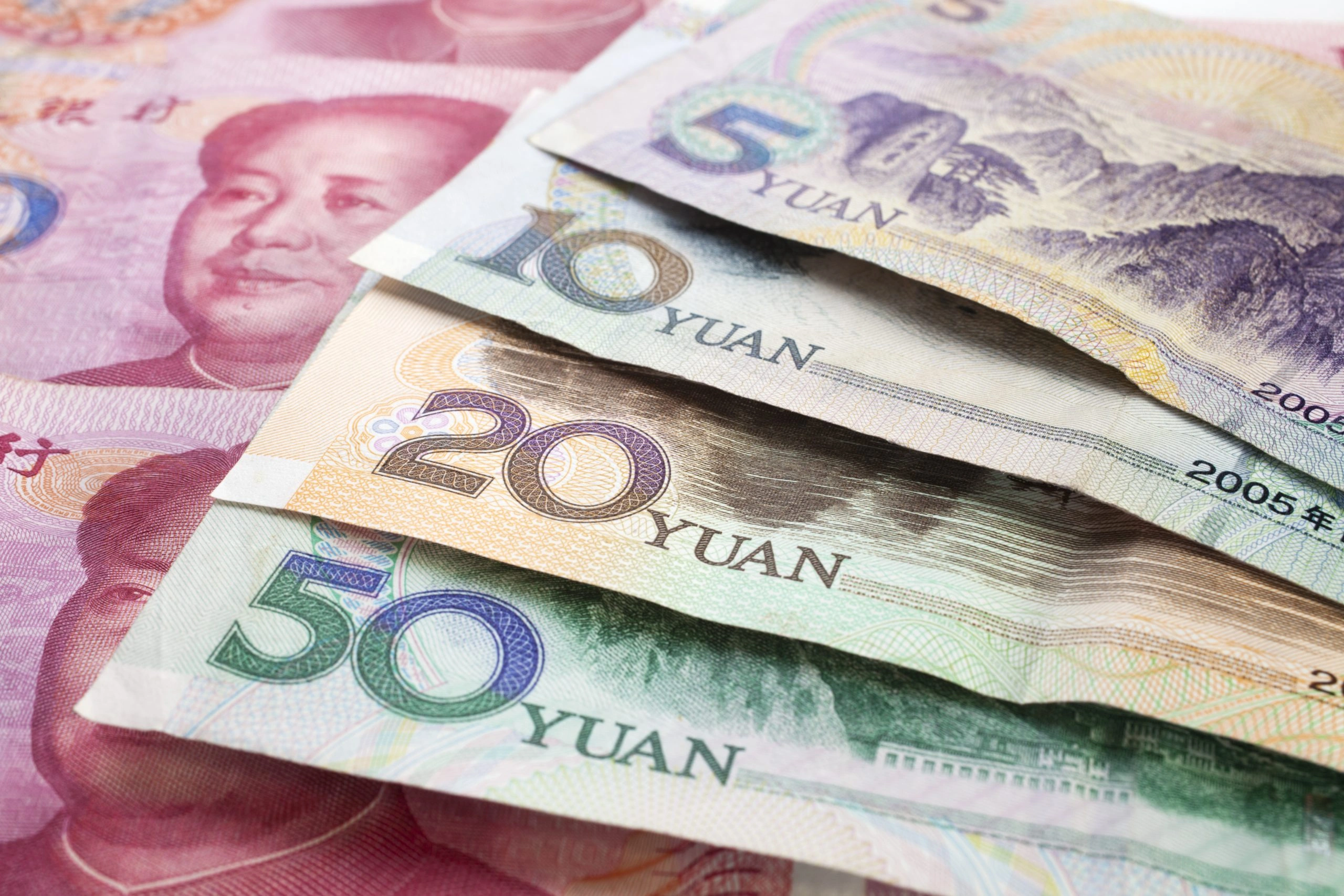
Angola just made the Chinese yuan an official option for its banks’ mandatory reserve holdings. It’s the kind of quiet central banking decision that doesn’t generate headlines on its own, but says a lot about where global money flows are heading.
The National Bank of Angola, known as the BNA, issued the directive on July 2, 2026, and published it on its website on July 10. The yuan now sits alongside the US dollar, euro, and South African rand as currencies that Angolan banks can use to meet their foreign-currency reserve requirements.
Why Angola, why now
Here’s the thing about Angola: it’s China’s largest trading partner on the African continent. The relationship isn’t new or casual. It’s built on decades of oil exports flowing east and Chinese infrastructure loans flowing west. Roads, railways, power grids, all funded through Beijing-backed credit lines.
Mandatory reserve requirements exist for a straightforward reason. They force banks to hold a certain amount of foreign currency as a buffer, which supports financial stability and helps manage liquidity across the banking system.