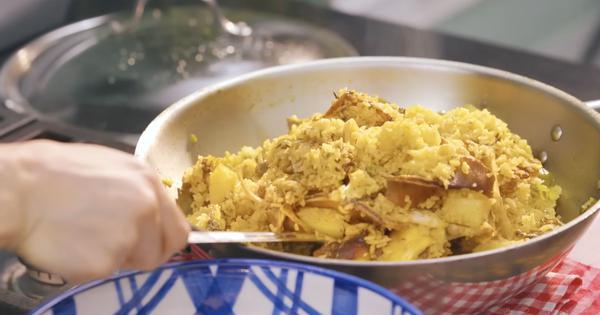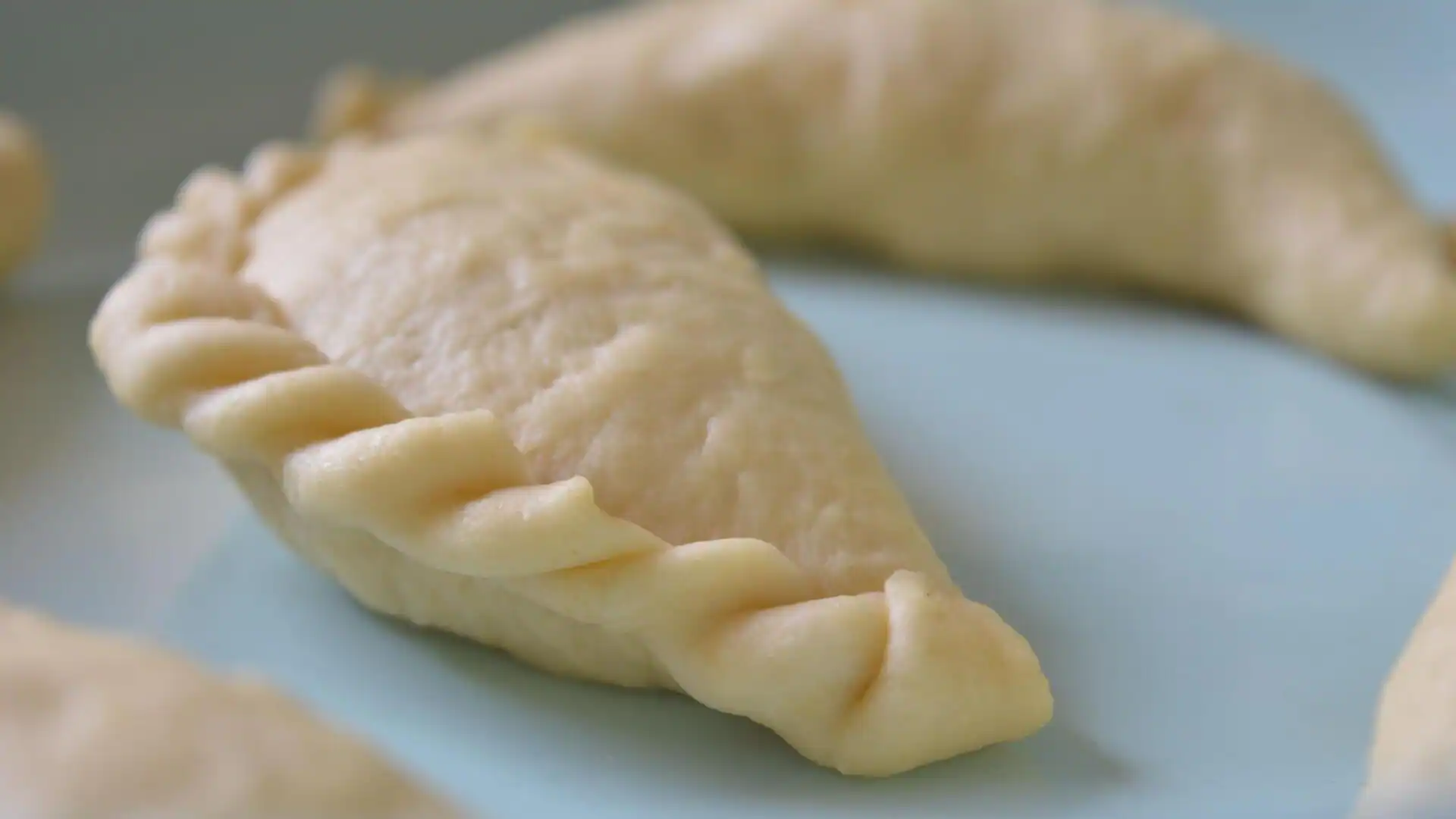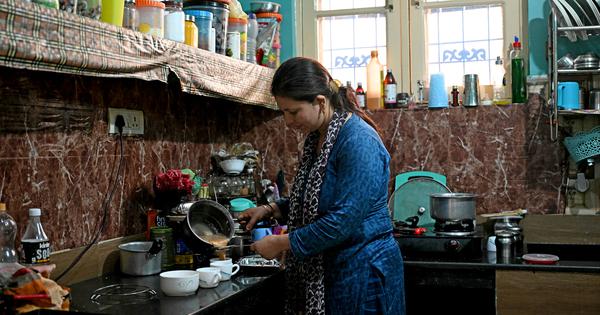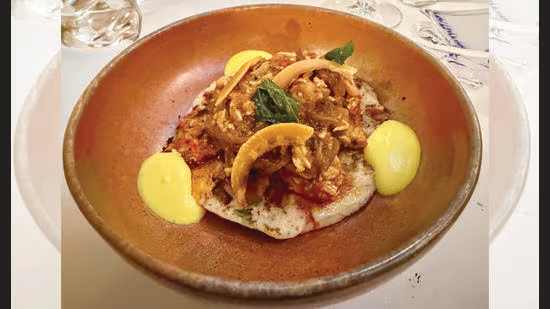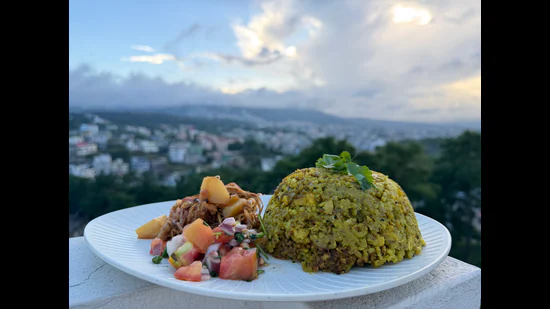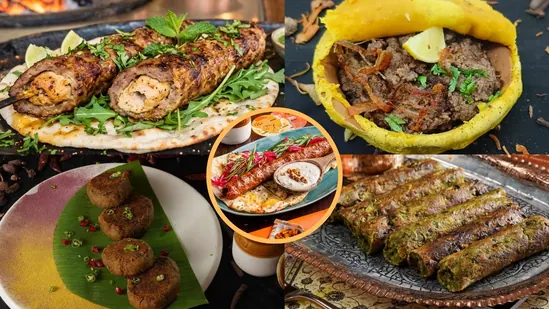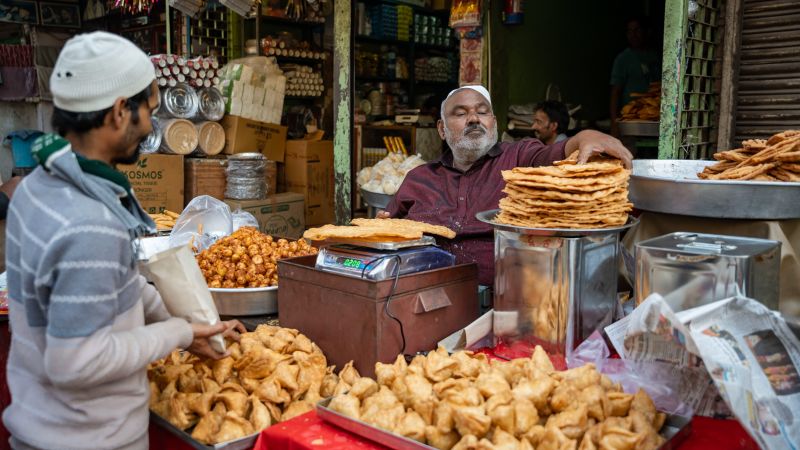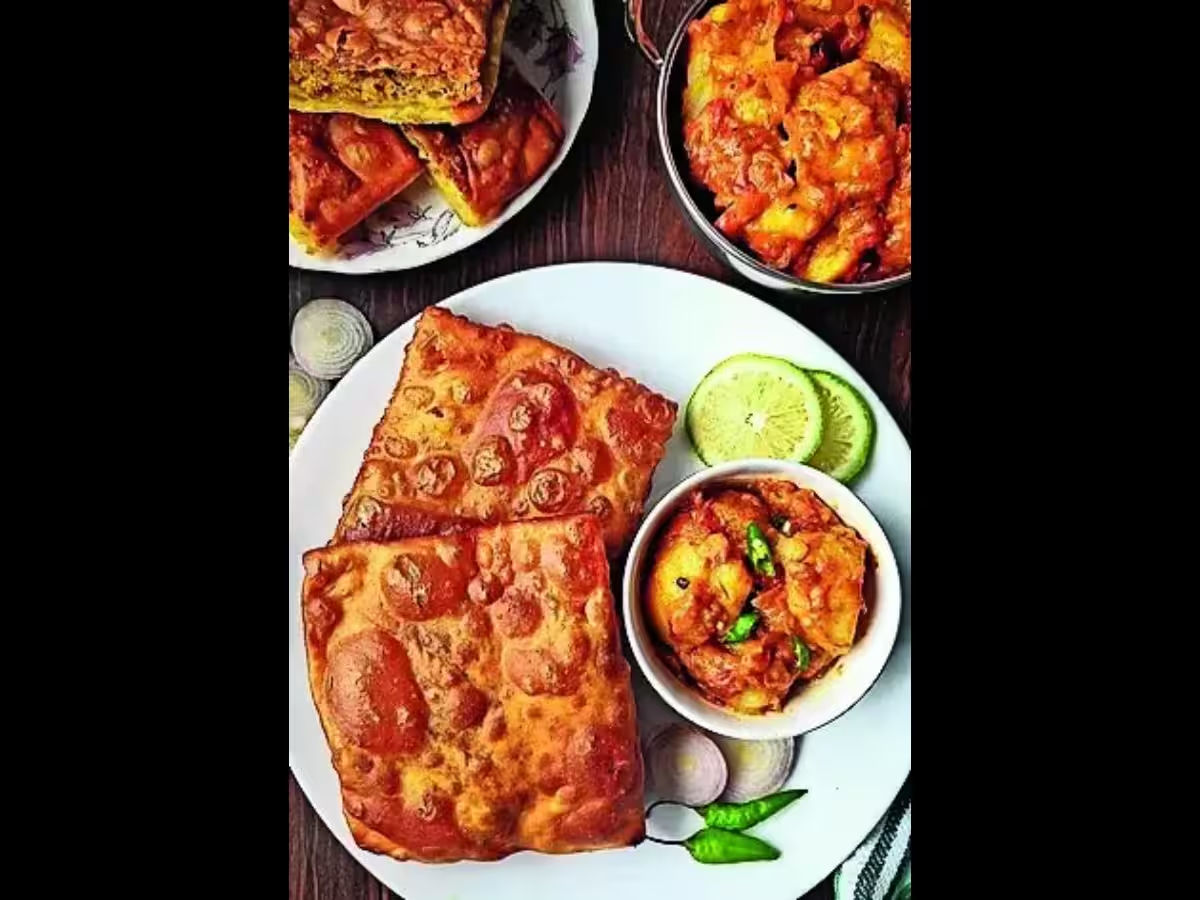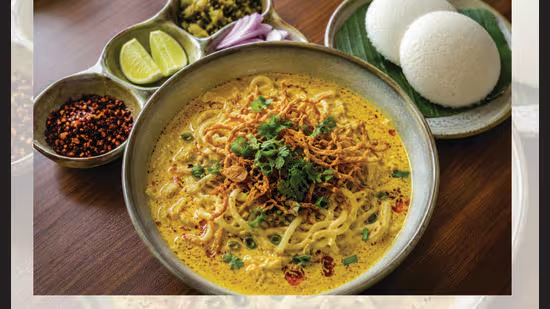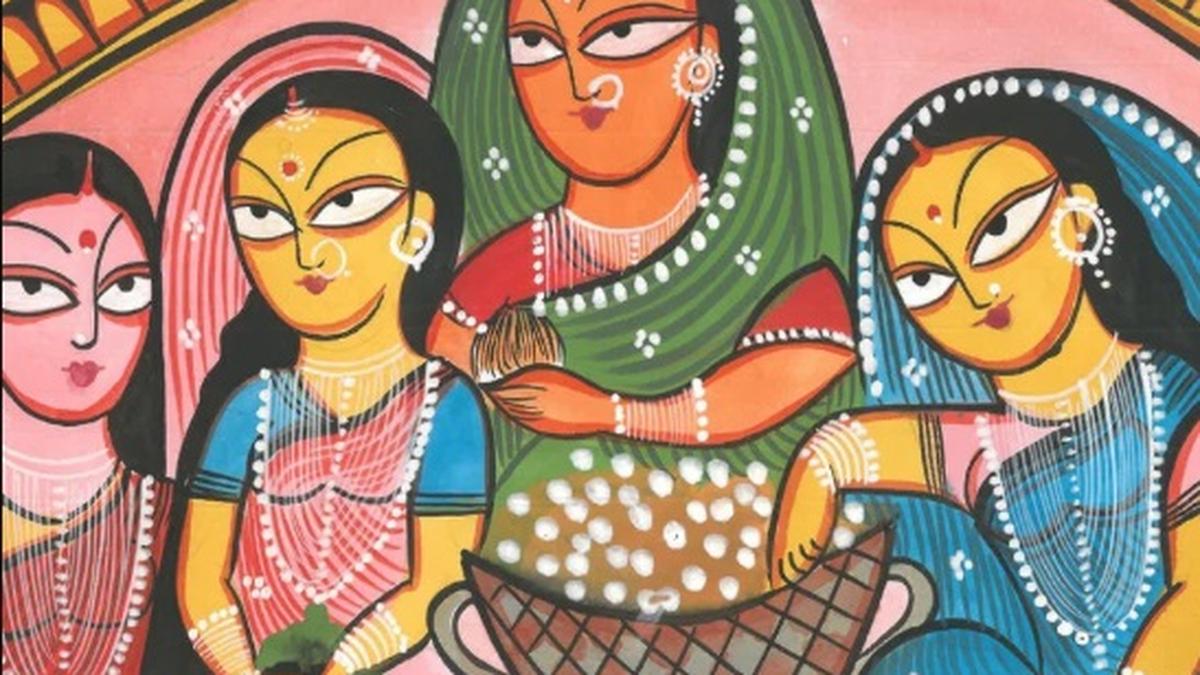
Luchi, chholar dal, aloo bhaja, potoler dolma, dhokar dalna, bashonti polao, shorshe ilish, kosha mangsho, aamer chatni, mishti doi, payesh, roshogolla, paan. Food has long been the language of love in Bengal, spoken in soft postalveolar sibilants. And every celebration, secular or religious, has an edible angle, often the high point of those events for the average Bengali. And daily conversations in Bengal are as often about political ups and downs as gastronomic goings-on.Predictably there are already learned theories about whether the skyrocketing popularity of biryani witnessed in the past decade will be impacted by political poriborton or will retain its pole position amid competition from jhalmuri and how long 'deemer devils' will continue to bedevil the new opposition, egged on by easy availability. In fact, posto-facto wisdom decrees that food is the real opium of the masses, and 'maachey-bhaatey Bangali' is the defiant war-cry.Keen watchers of Bengal's current food scene, however, do espy an interesting new phenomenon that may well presage the eventual re-emergence of a political force: the rise of what may be called subaltern cuisine. Snails and other molluscs, all sorts of seasonal and local roots, shoots and peels, little known fish and coarse grains that would have never seen the top of a bhadralok's rarefied table back in the day are now the toast of the gourmet dining scene in Kolkata.Bhadralok culinary nostalgia tends to draw the line at fish, grains and vegetables of a certain provenance, conditioned by many generations of colonial and societal conformity. The farthest they generally ventured from tried-and-tested, home-cooked staples were tremulous forays into the oily delights of street-corner fries (telebhaja) and phuchkas. Occasionally they even splashed out on Chinese or 'Continental' fare at restaurants, but their Bangla staples remained inviolate.Nowadays, though, their woke progeny look reverentially upon the fermented concoctions and fiery mashes once confined to the cooking pots of their family retainers. Today these guilt-tripped young people pay good money to re-educate their conventional tastebuds, making amends for the unconscious bias manifest in their genteel diets of atap chaal, maida, moong-musur-chholar dals, aloo, begun, lau, potol, jhinge and kumro, rui, katla and ilish, murgi and mangsho.Bata is not a footwear brand but the new mousse of evolved Bangla ranna now, paanta-bhaat is the current prebiotic-probiotic phenomenon and the shaak value of dheki is apparent from the price-lists of 'progressive' Bengali restaurants. But the real googly comes in the form of Bengal's diverse ichthyofauna, prepared in a myriad of ways that are largely unfamiliar to urban and urbane palates. Gustatory paradigms are being reshaped one well-argued and presented pop-up at a time.This cuisine from the margins is still far from mainstream, of course, but it has led to a penitent bourgeois interest in pice hotels, whose simply cooked but varied and cheap fare has been the historic mainstay of the urban working class in Bengal. Thanks to their newfound popularity, now pice hotel jhaals and jhols (for more than a few pice, naturally) are available on food delivery apps, for those subaltern flavours without the discomfort of non-AC rooms and rickety tables.But it must be said that the classic Bengali repertoire is still hanging on to its popularity rankings. Bolstered by migration and gradual disappearance of childhood staples from many urban families, luchi-beguni-chholar dal and robibarer mangshor jhol with aloo are being sought out by homesick tastebuds, even as they acknowledge the rising cultural and political significance of say, geri-gugli bhaja and disom horo. Poriborton has to be gradual, after all.
Change of course at the table: Subaltern foodways are the new ideological googly in Bengal
Subaltern cuisine is gaining popularity in Kolkata's gourmet dining scene. Traditional Bengali dishes are now being re-evaluated by younger generations. This shift reflects evolving societal norms and culinary preferences. Pice hotels are experiencing renewed interest from the bourgeois class. The food scene continues to evolve with new and old flavors.
581 words~3 min read