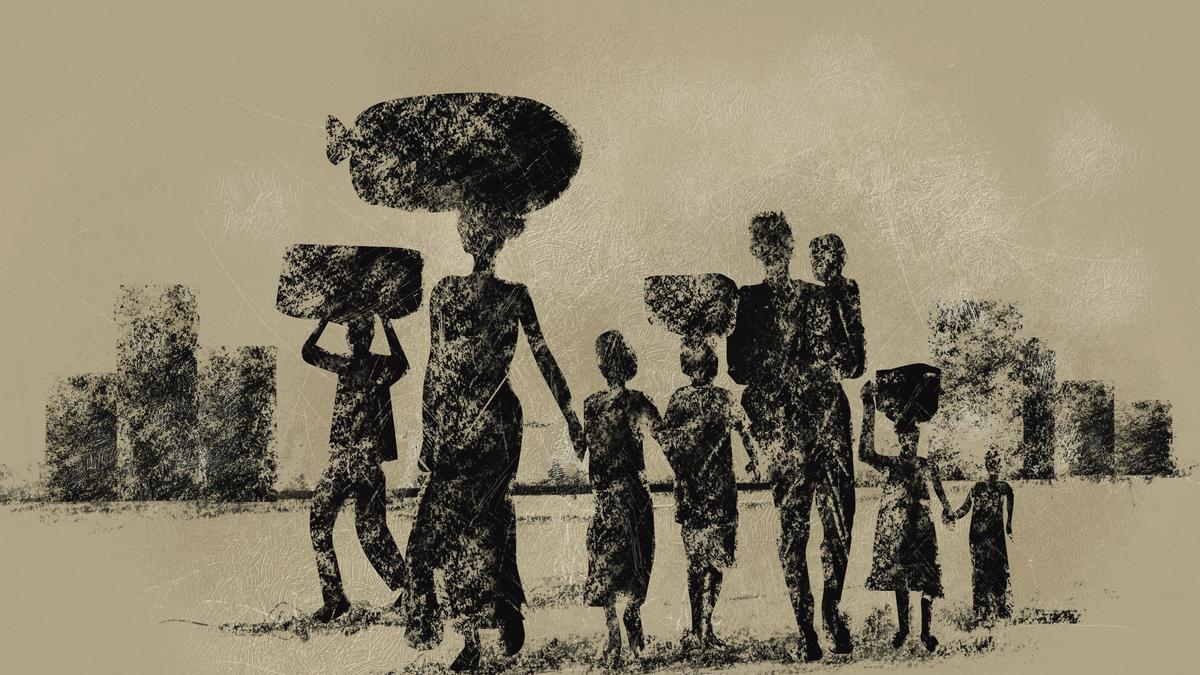
The story of Bengali food is often told through rivers, fish and fertile soil. Less often it is told through railway platforms, refugee colonies and the ingenuity of people who arrived with almost nothing, except memory.When millions were displaced during the Partition of 1947, those crossing from East Bengal into West Bengal did not carry heirloom utensils or sacks of treasured ingredients. Most travelled light because they had no choice. What endured was something far harder to confiscate: a culinary memory bank accumulated over generations. The food they cooked in their new homes became a record of loss, adaptation and survival.
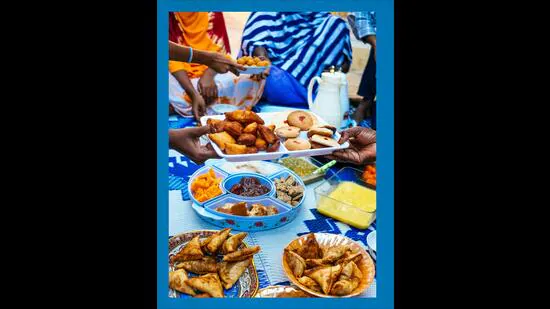
Bengali food is informed by cooking traditions of its settlers
| Photo Credit:
Getty Images
“People came with very little. What they carried was memory and a legacy of food,” says food researcher Amrita Bhattacharya who, along with her husband, academic Amit Sen, runs Handpicked by Amrita a farm-to-table supper club from their home in Shantiniketan’s Bolpur. These food legacies have changed Bengali kitchens.