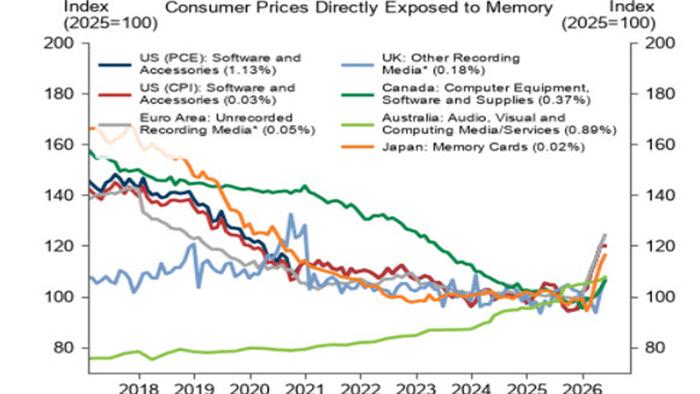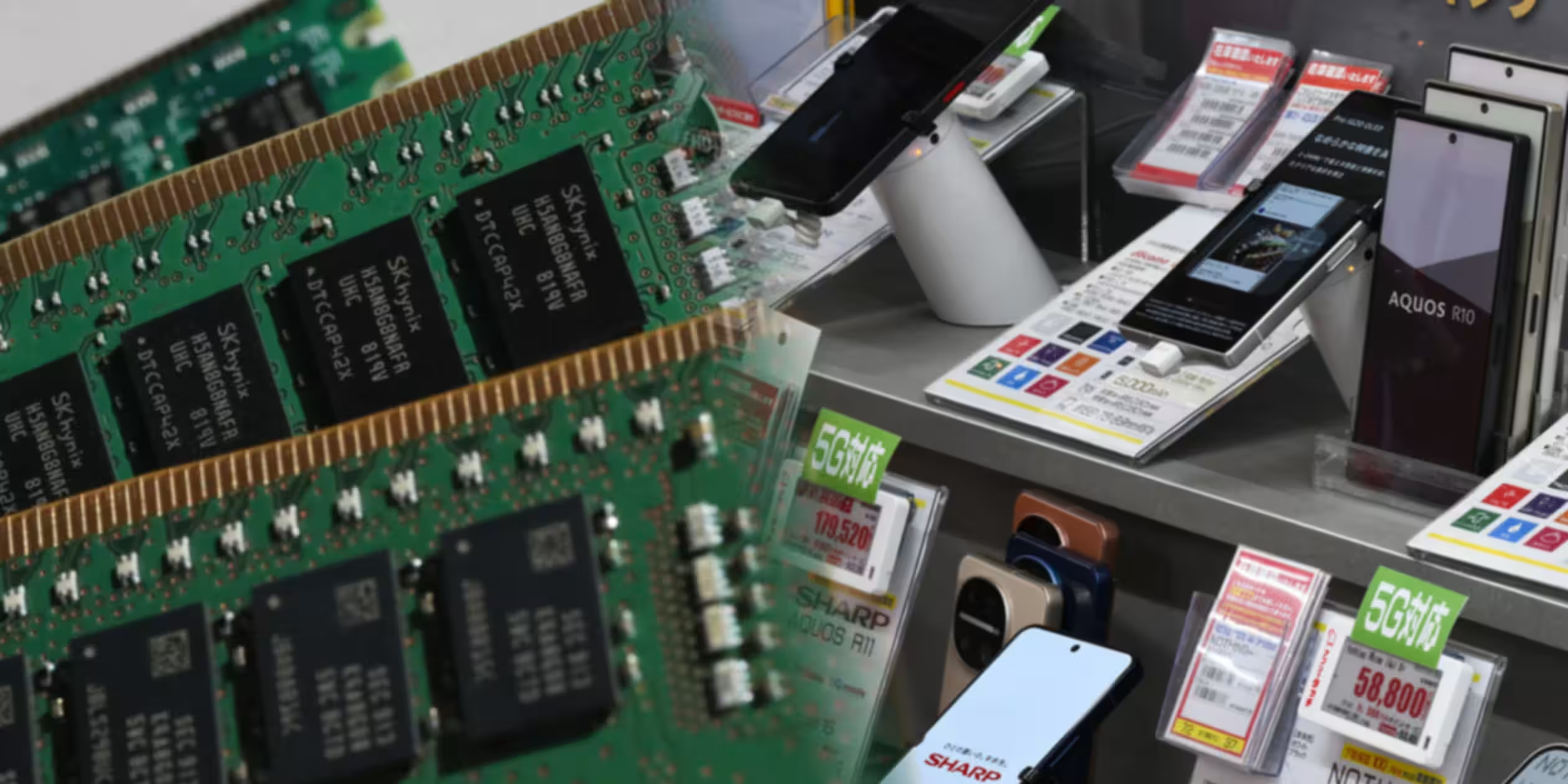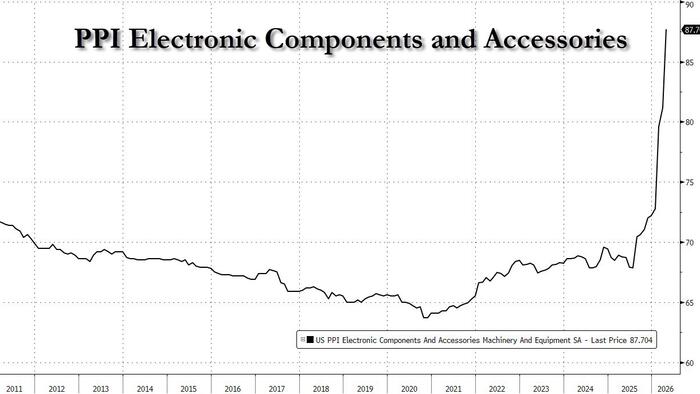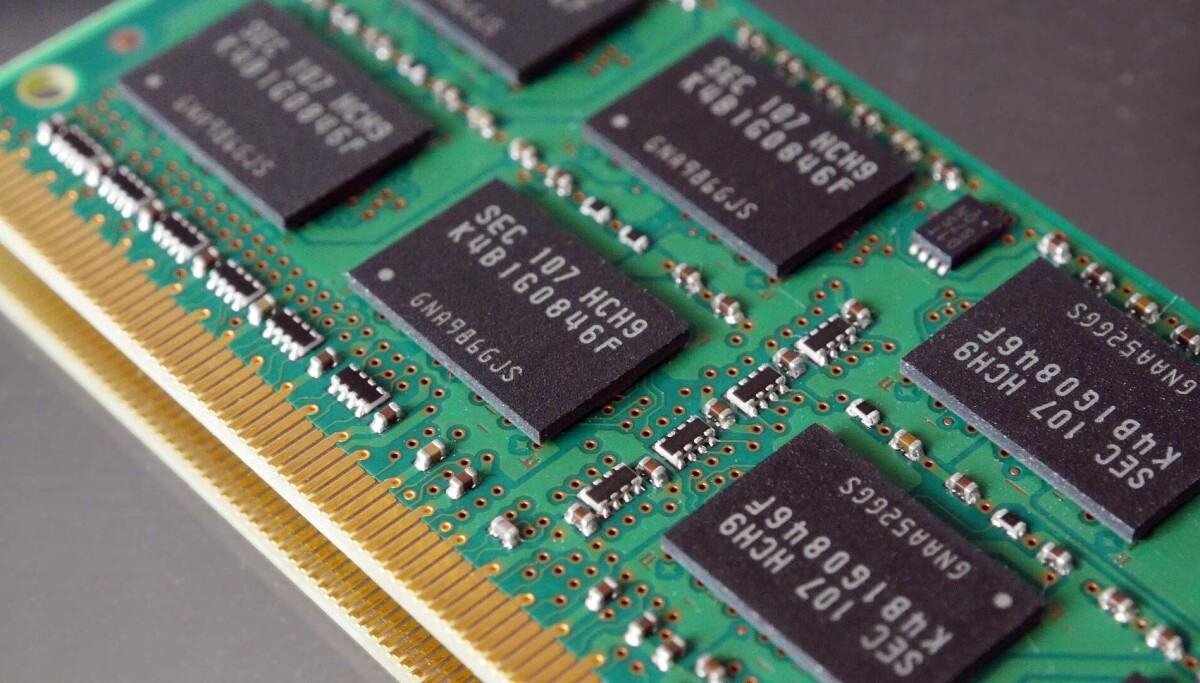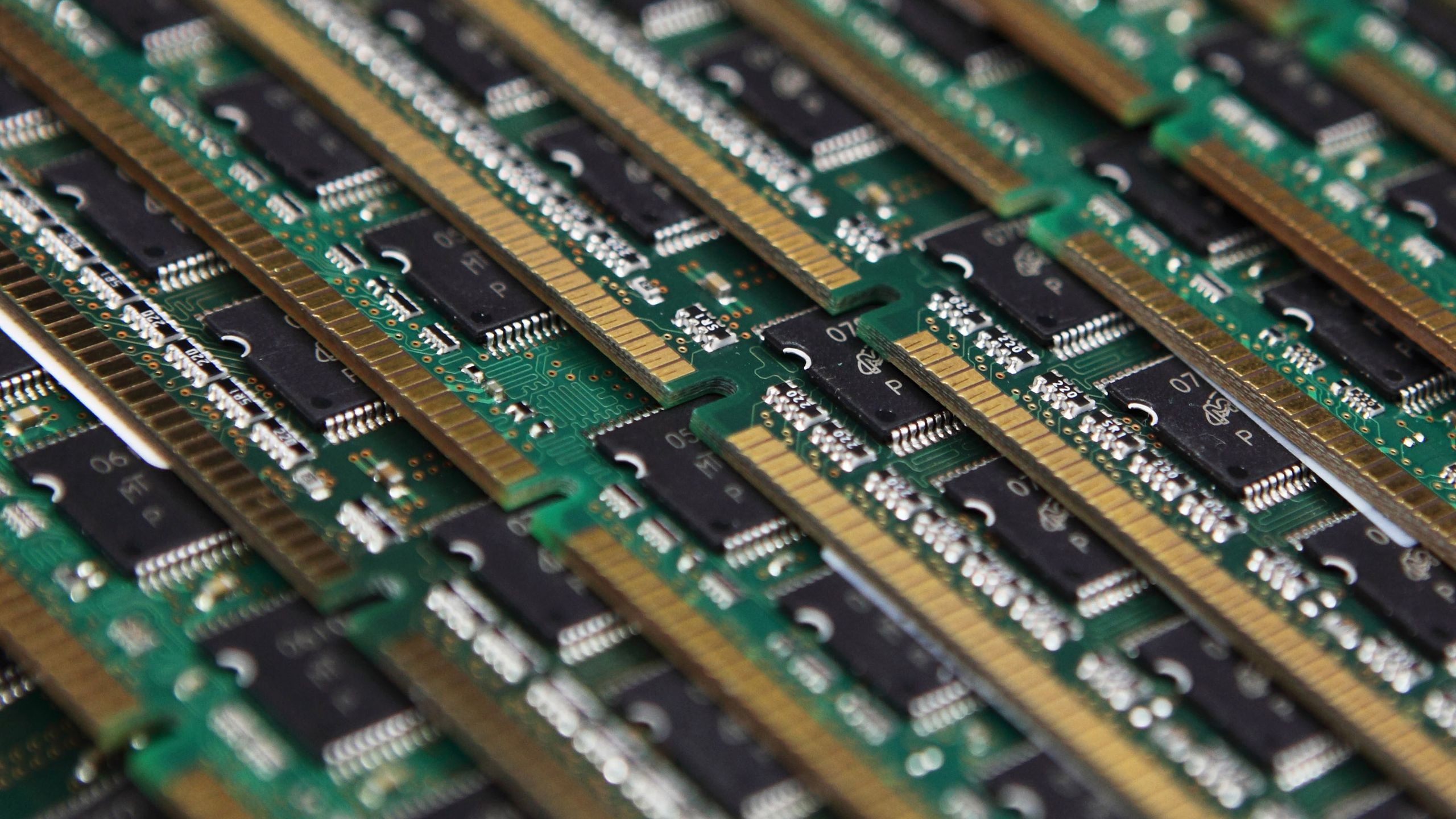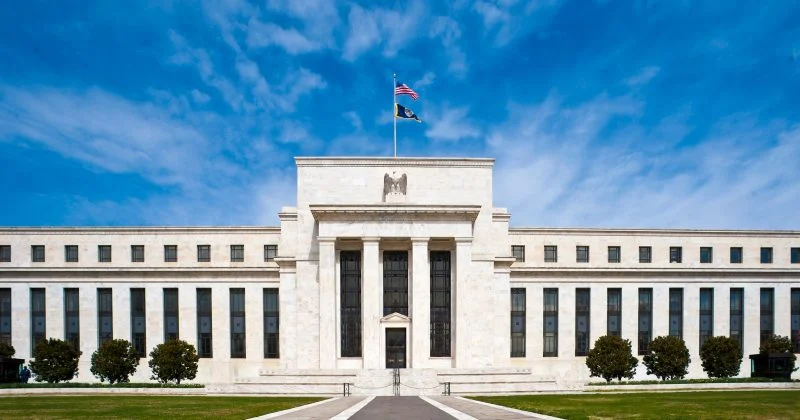
Memory chips, those tiny silicon rectangles most people never think about, are becoming a genuine macroeconomic headache. Rising prices for DRAM and NAND flash memory have started bleeding into the core Personal Consumption Expenditures index, the Federal Reserve’s preferred inflation gauge, at a pace that has policymakers flagging chip costs as a material concern.
Wolfe Research estimates that surging memory prices have already contributed roughly 30 basis points to core PCE inflation as of late June 2026. That might sound small, but in a world where the Fed agonizes over every tenth of a percentage point when deciding interest rate policy, 30 basis points is the difference between a rate cut and a rate hold.
The numbers paint an uncomfortable picture
May 2026 core PCE came in at 3.4% year-over-year. Headline PCE was even uglier, hitting 4.1%. For context, the Fed’s target is 2%.
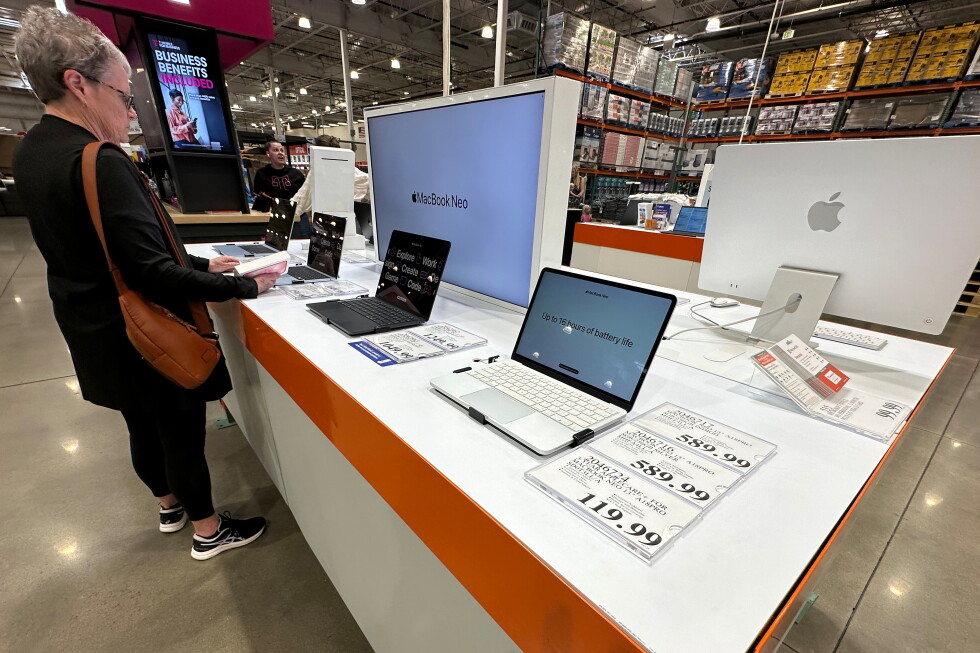
Industry groups warned in early June 2026 about memory chip shortages that could ripple across multiple sectors. Retailers and automakers, two industries that live and die by component availability, have been particularly vocal about the potential for broader consumer price hikes.