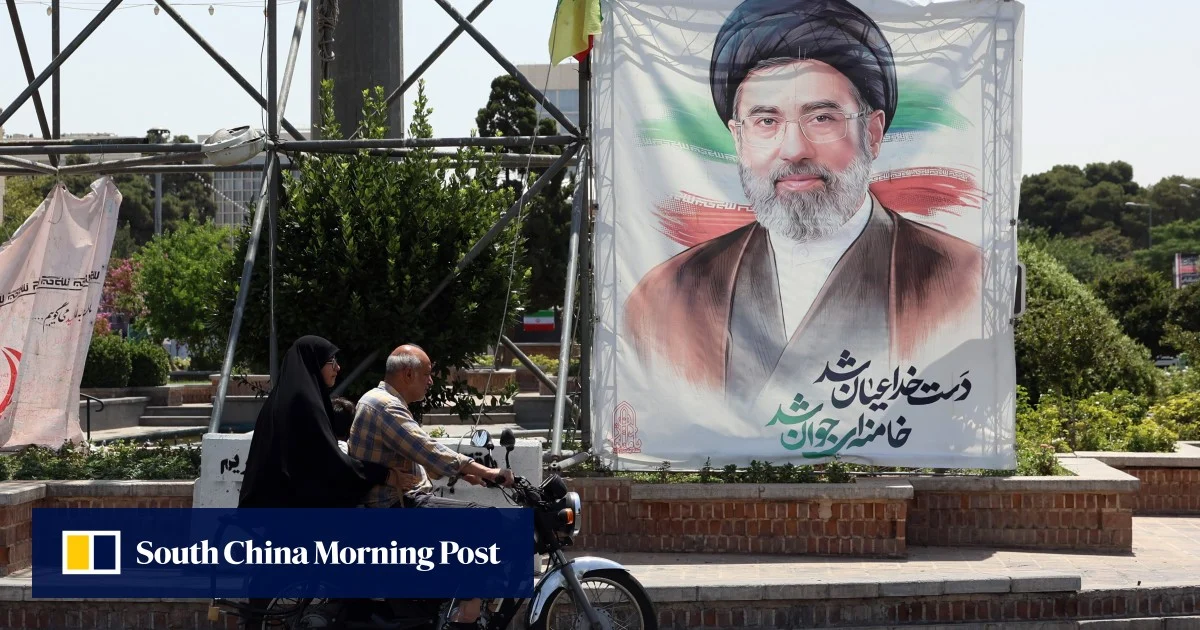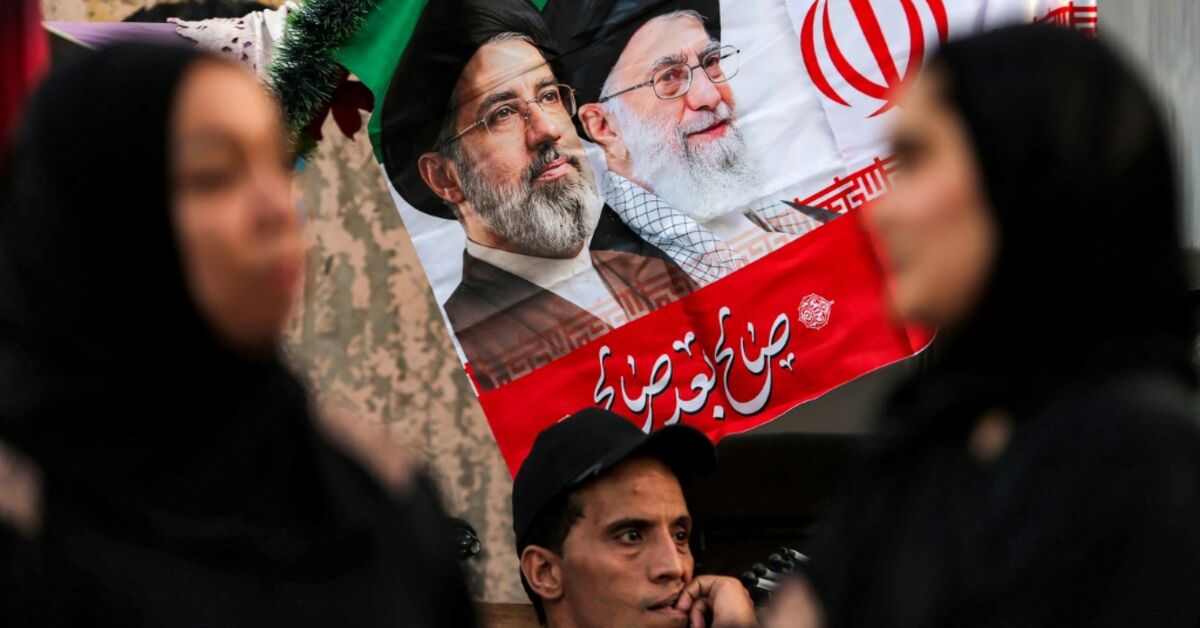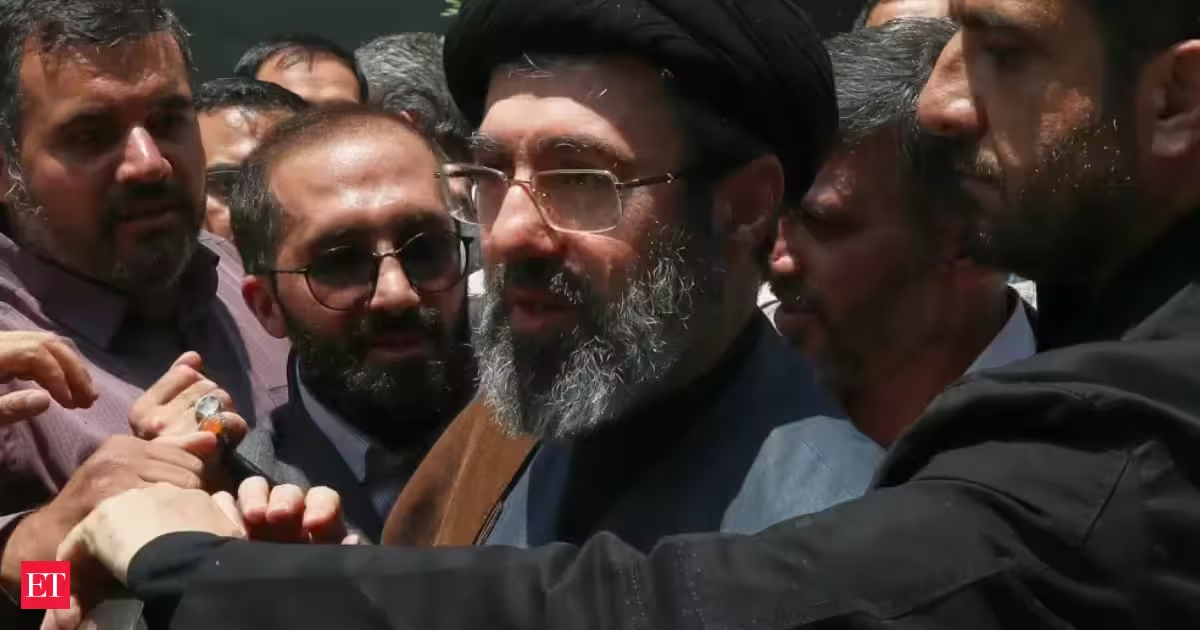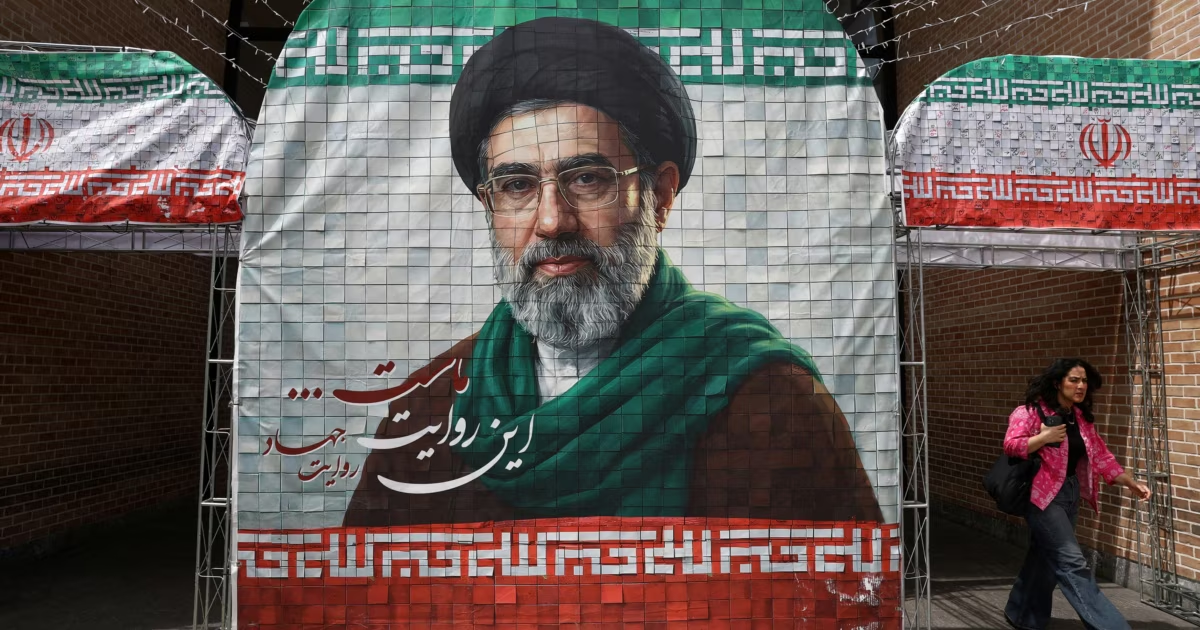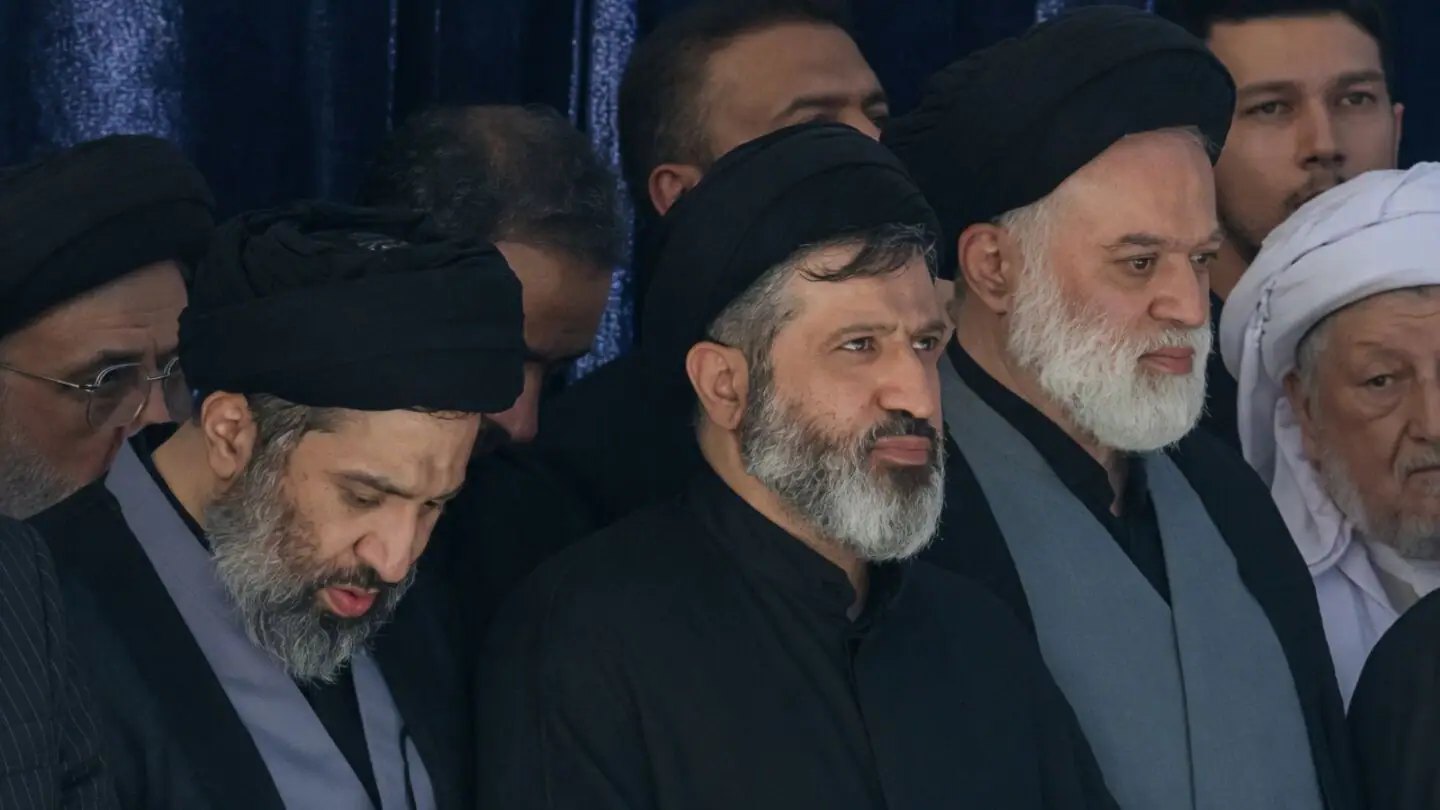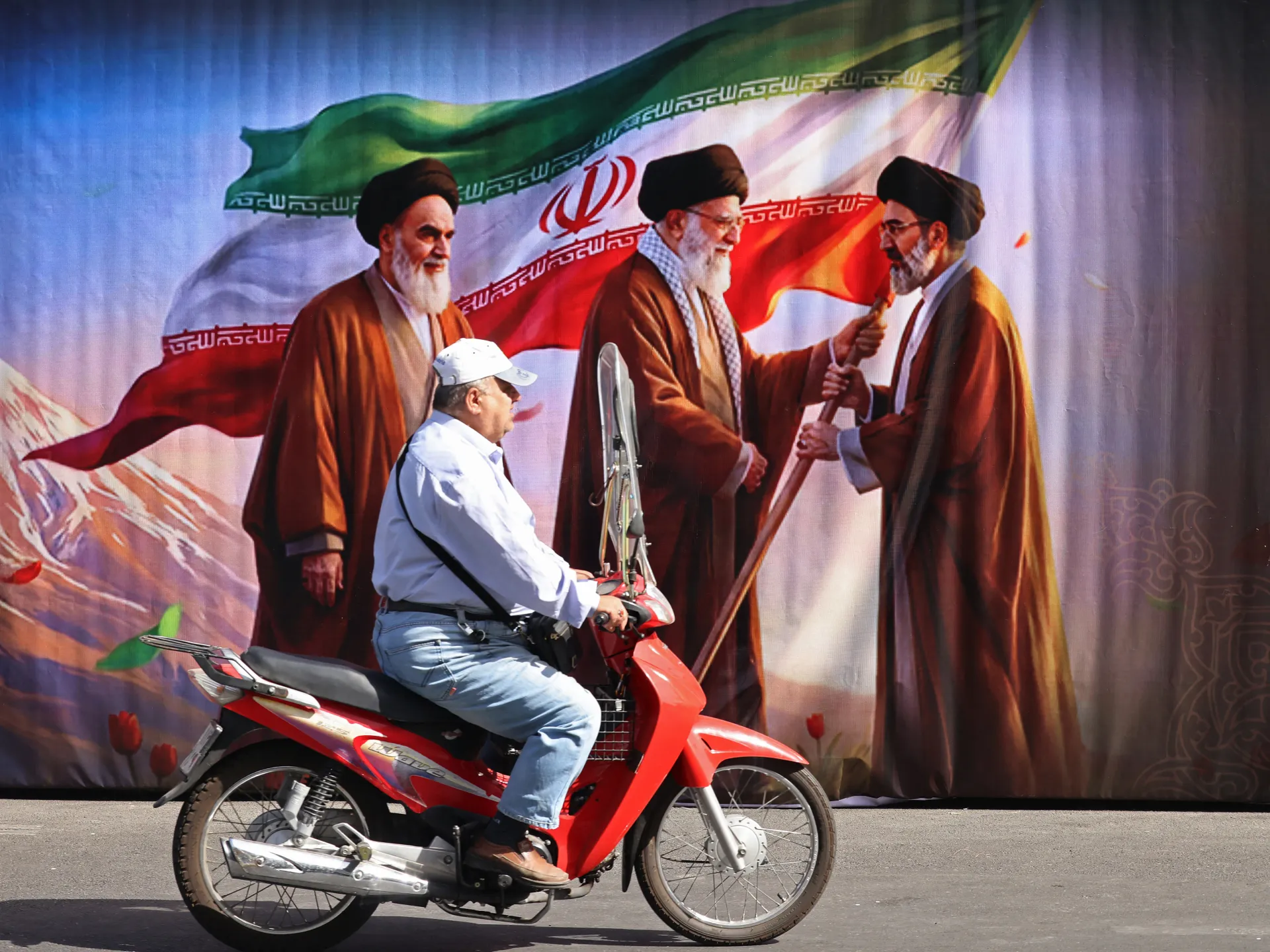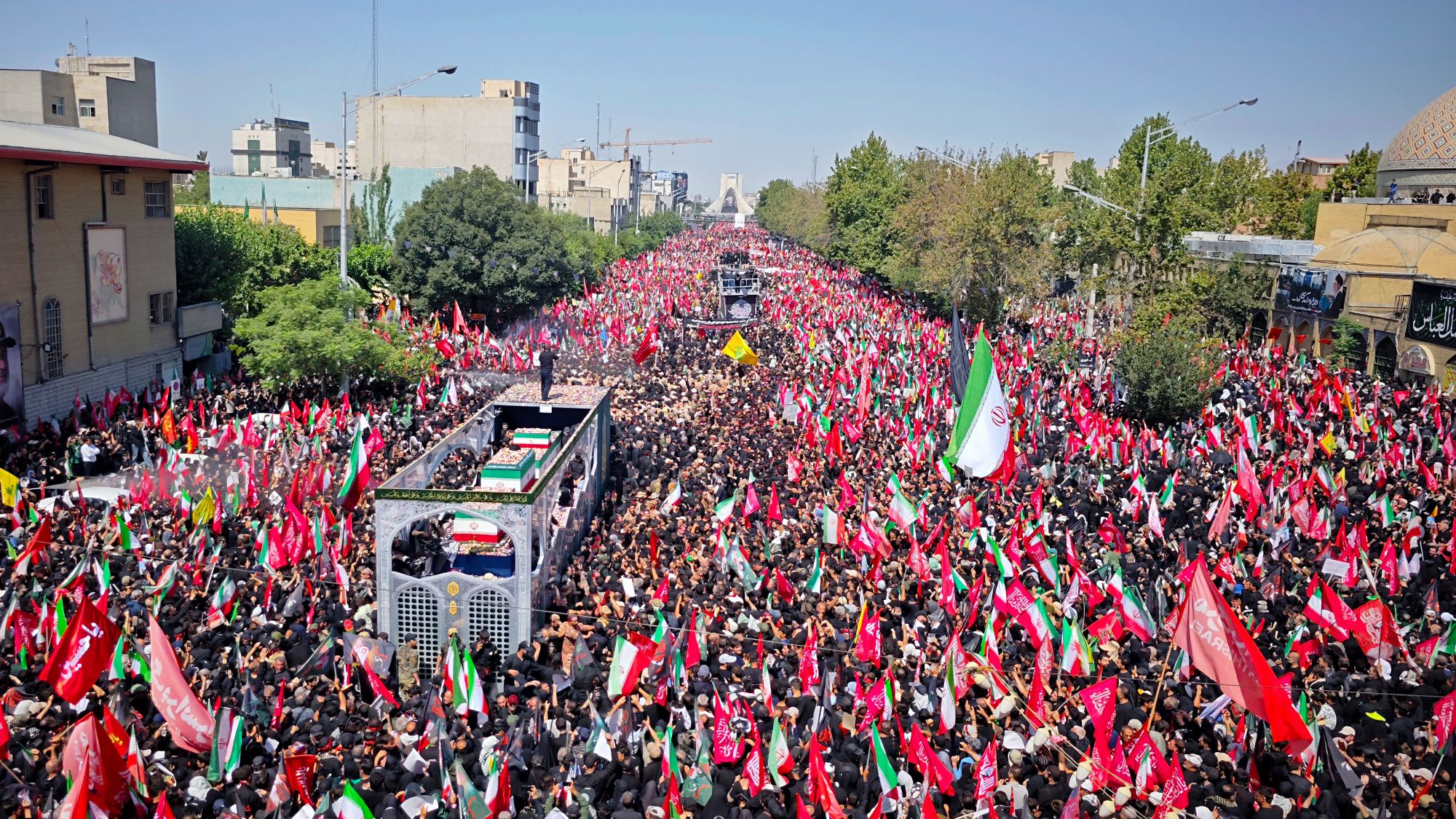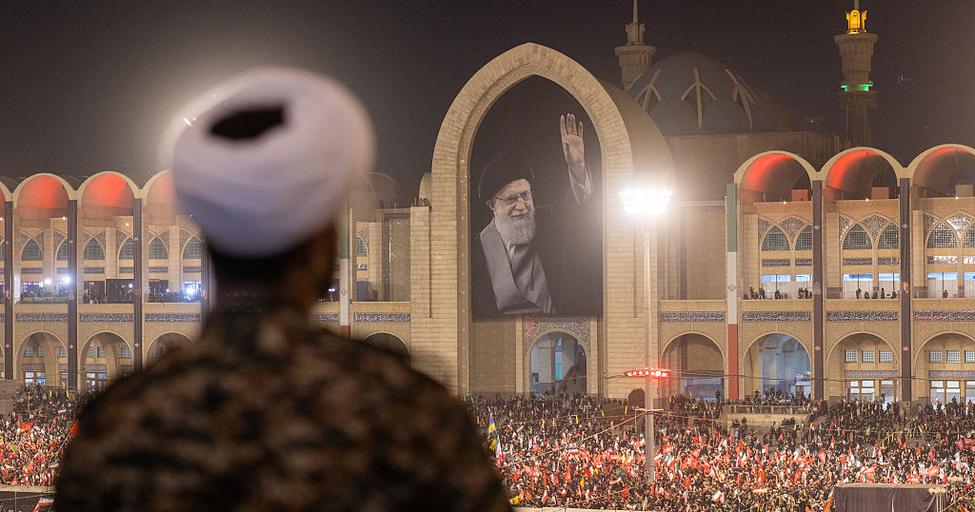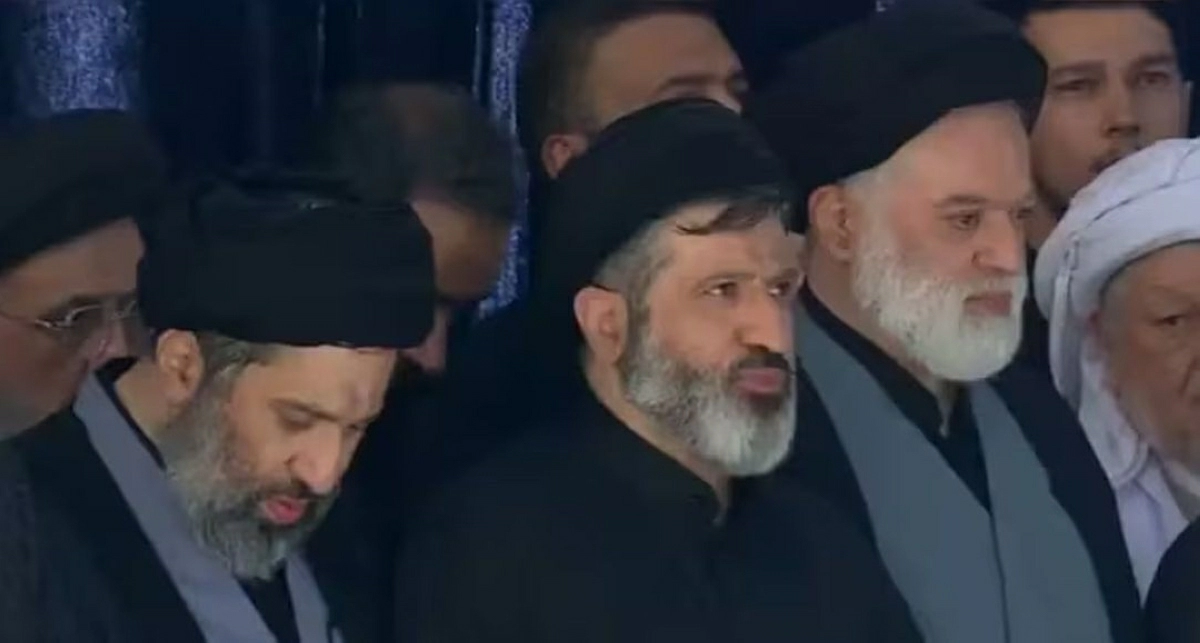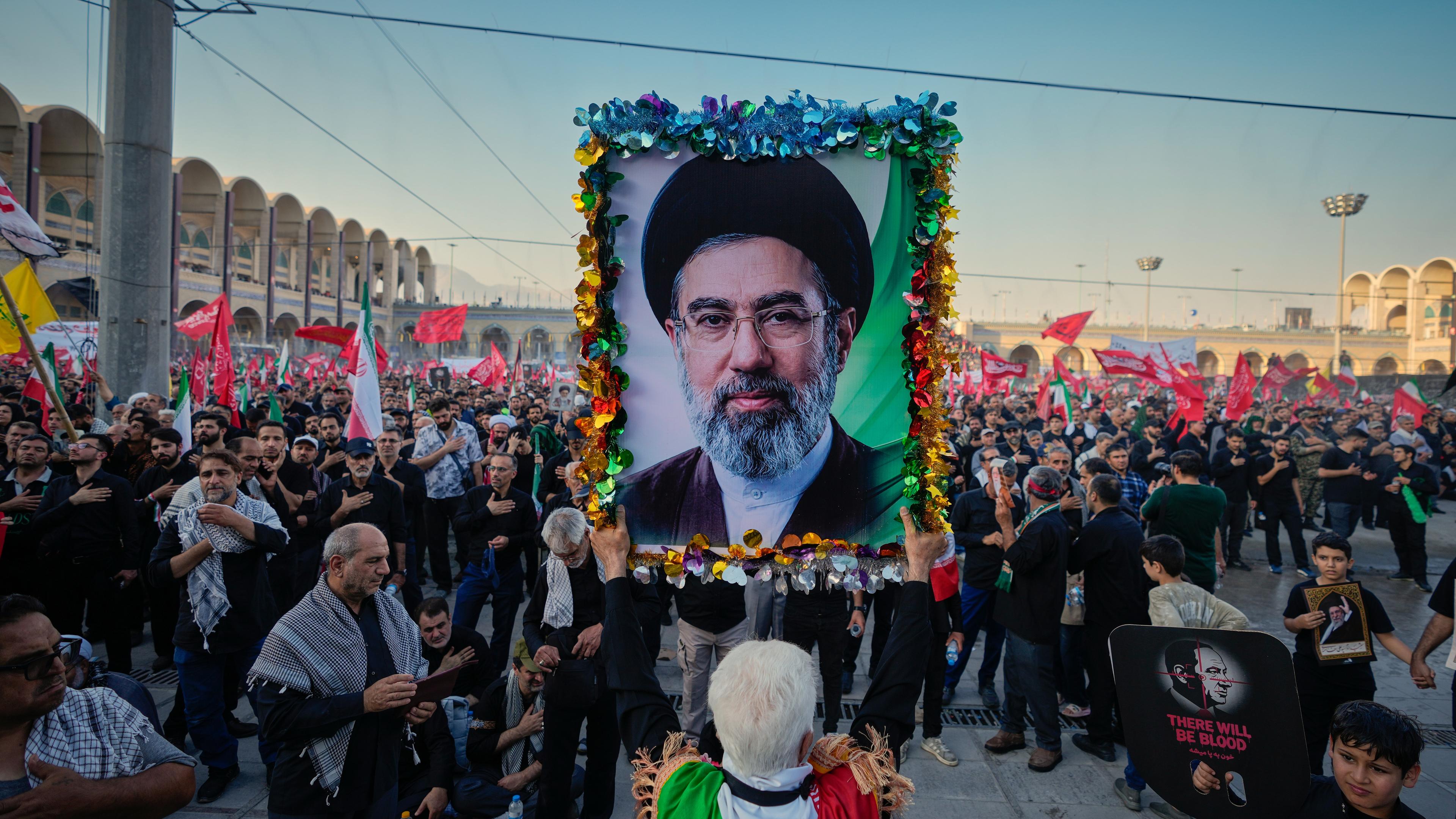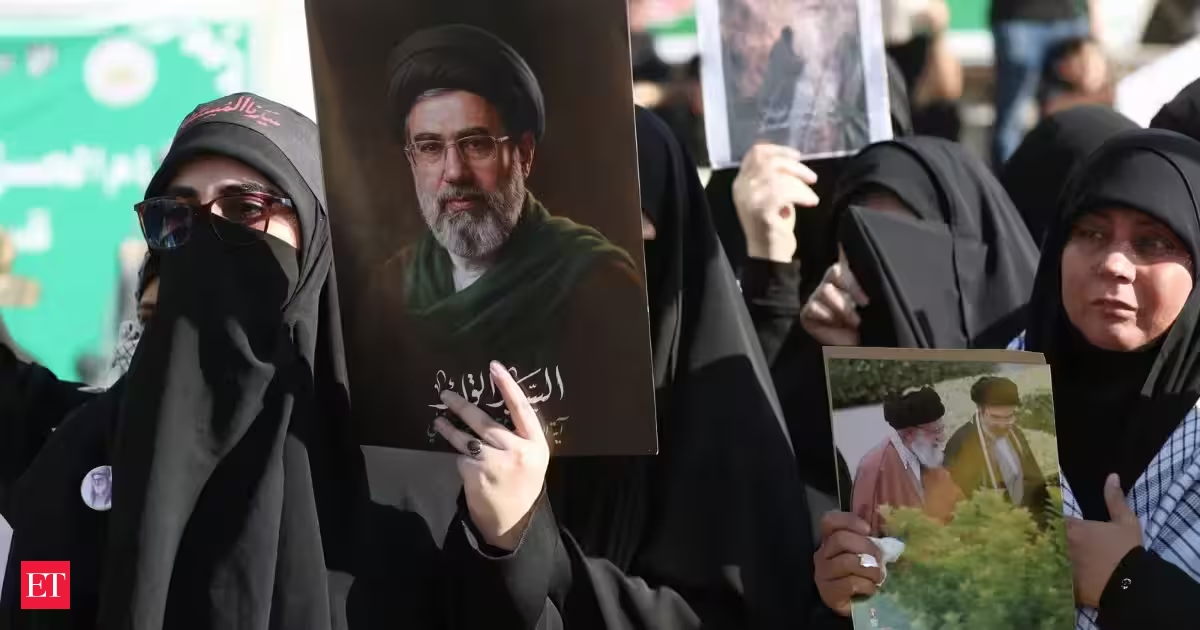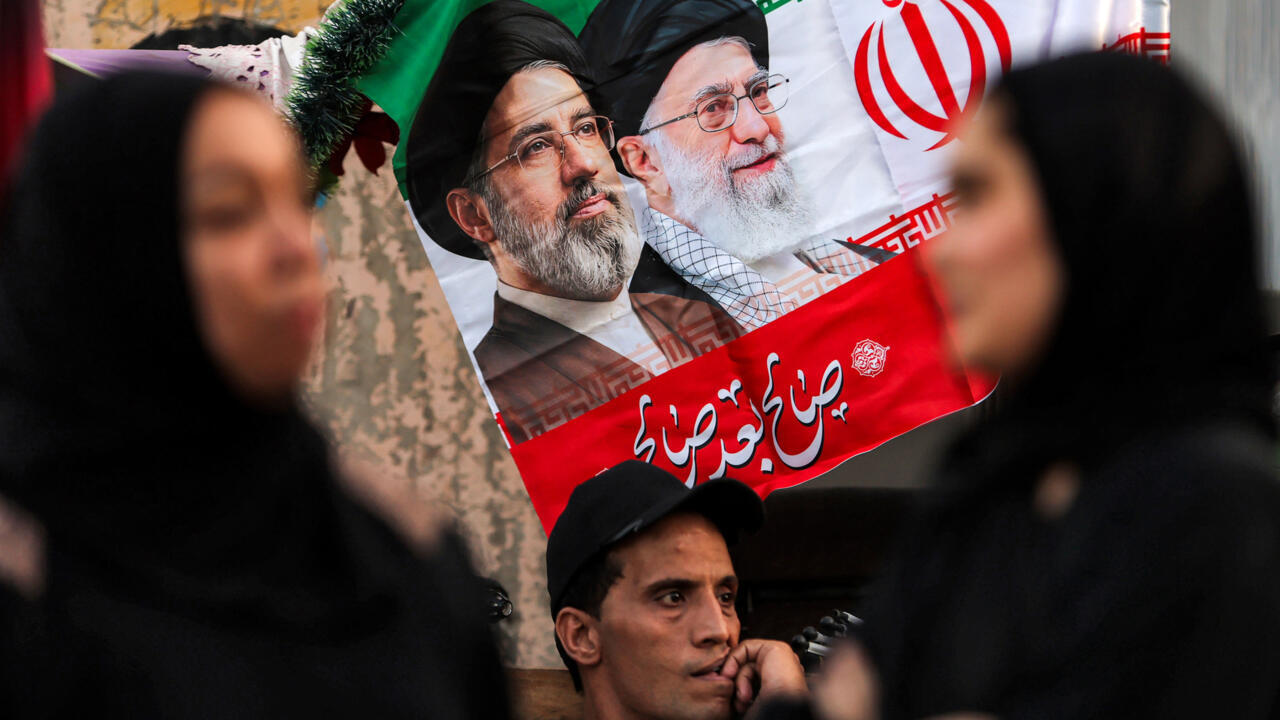
The absence of Iran's Supreme Leader Mojtaba Khamenei from the funeral ceremonies of his father and predecessor Ayatollah Ali Khamenei raised questions about his health and fear of assassination, as well as indicating he may perform a quite different function as number one compared with his all-powerful father. The marathon funeral ceremonies for Ali Khamenei, killed on February 28 along with several close family members by US-Israeli air strikes on the first day of the Iran war, culminated on Thursday in the holy city of Mashhad, with a who's who of key figures in the Islamic Republic attending his burial. Those present included speaker of parliament and chief negotiator in talks with the United States, Mohammad Bagher Ghalibaf, powerful chief justice Gholamhossein Mohseni Ejei and Ali Khamenei's eldest son Mostafa Khamenei. But there was no sign of Mojtaba Khamenei, who was appointed supreme leader shortly after his father's killing and has only communicated via written statements since, with no public appearances. Read moreKhamenei funeral procession draws massive crowds of mourners to Tehran's streets Despite many unverified claims and social media users scouring images of the events for a glimpse of the 56-year-old, there was no confirmed appearance from him. Some have speculated that the new supreme leader was too badly wounded – or even disfigured – in the air strike that killed his father to appear. The risk that Israel or the US could directly target Mojtaba Khamenei for assassination also seems hard to ignore. Whatever the case, Mojtaba Khamenei is shaping up to be a different political figure to his father – let alone Ali Khamenei's predecessor, revolutionary founder Ruhollah Khomeini – with even more power set to be delegated to the Revolutionary Guards (IRGC) ideological army amid possible political infighting, analysts say. But they warn it is far too soon to write him off as a political actor. 'The balance of power has shifted' "His low overall public profile, and absence from his own father's funeral doesn't look good for his public image, but it may be temporary, and is manageable in the long-term," said Farzan Sabet, a managing researcher at the Geneva Graduate Institute. He told AFP that Mojtaba was likely absent due to "a combination of physical injury that means he's not publicly presentable" and security considerations "given the risk that public appearances will be used to track him and prepare the grounds for a future assassination". Sabet said he expected a "power struggle" potentially involving Mojtaba and Ghalibaf, who since the war has become the most prominent public face of the Islamic Republic. "In the grand scheme though, his power and authority will be further subordinated to the IRGC," he added.
‘Weaker’? Mojtaba Khamenei’s absence from father’s funeral may signal shifting role for Iran leader
Iran's new Supreme Leader Mojtaba Khamenei has not been seen in public since he was wounded in the US-Israeli air strikes that killed his father and wife – even at their week-long funeral ceremonies…
831 words~4 min read