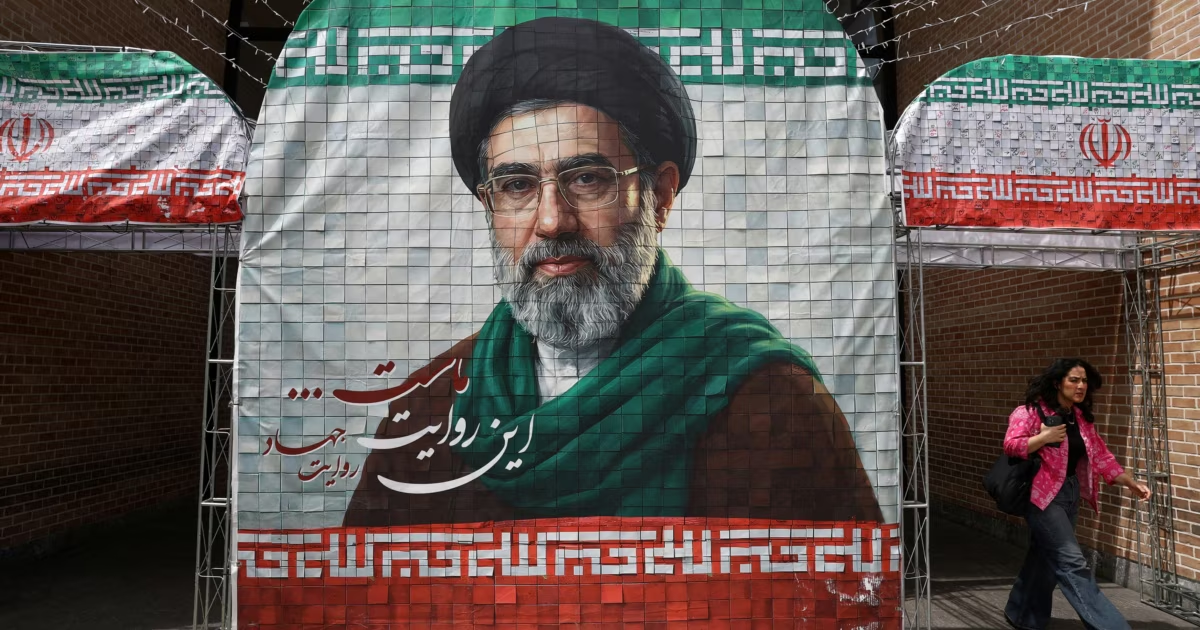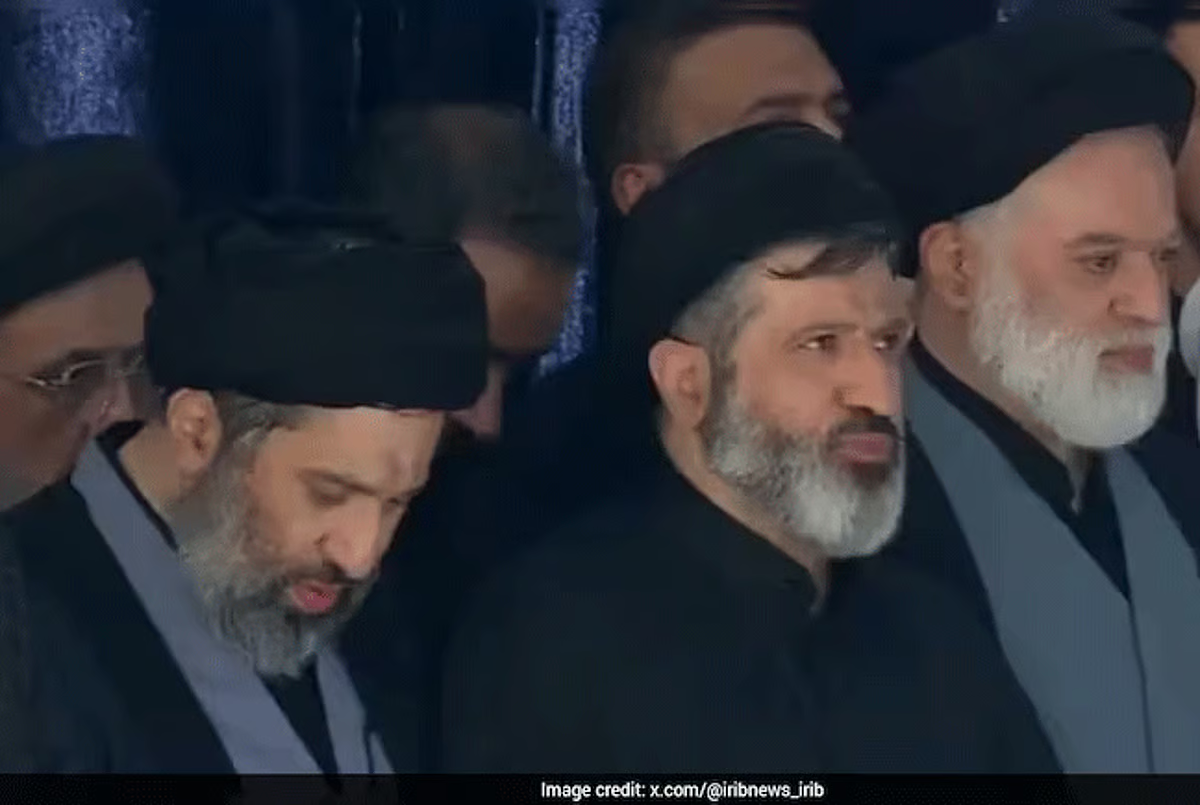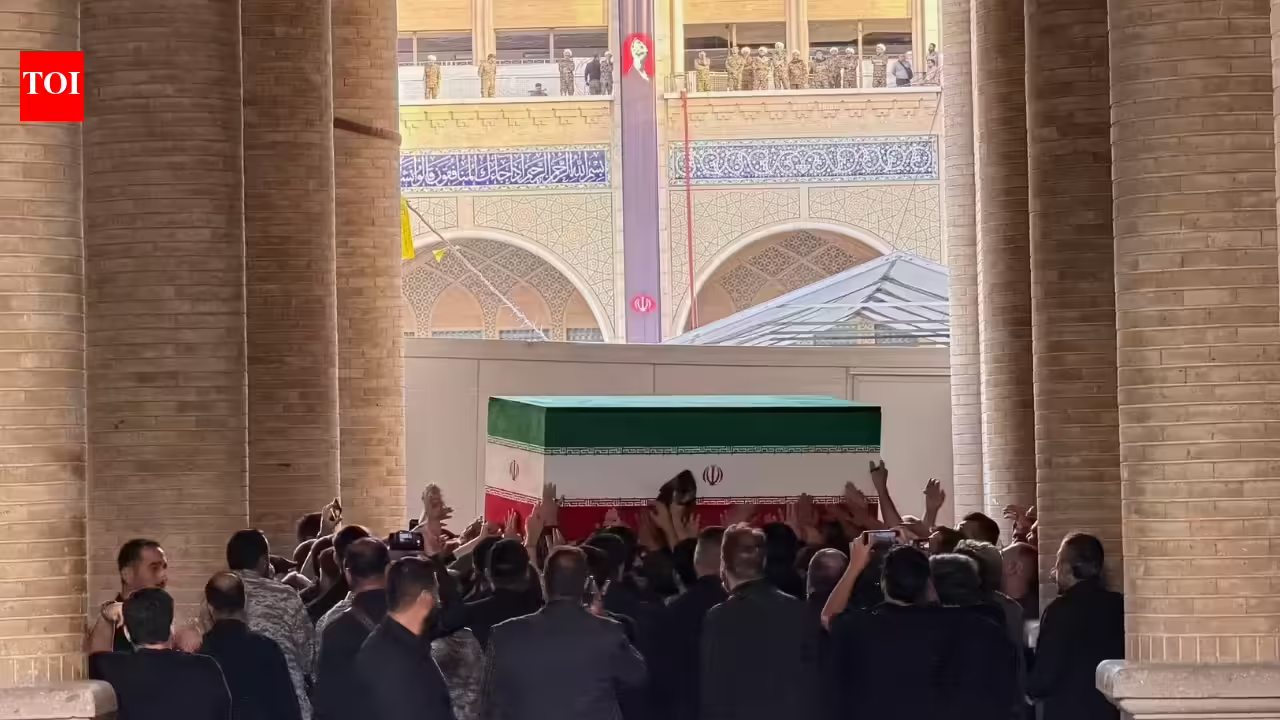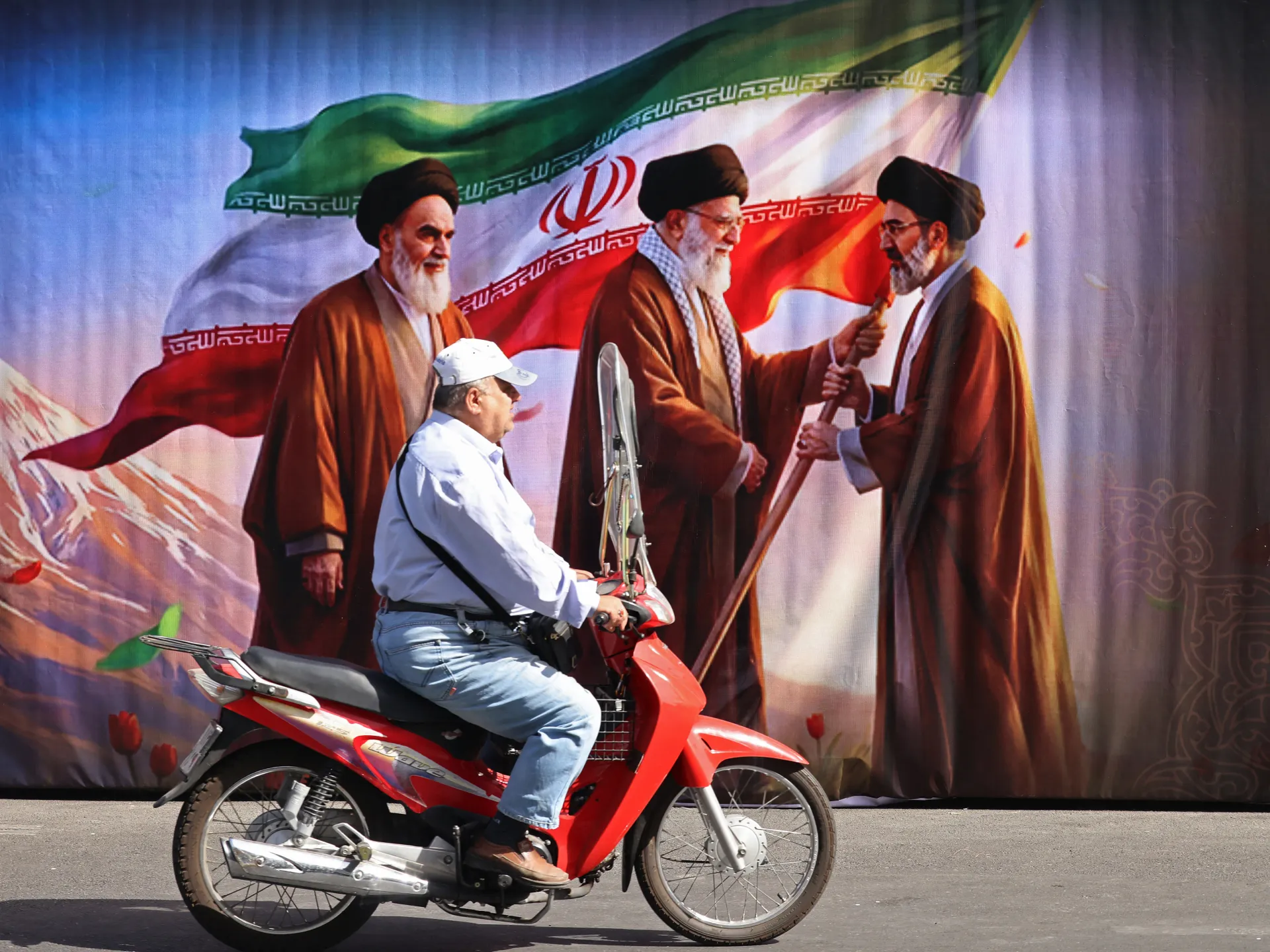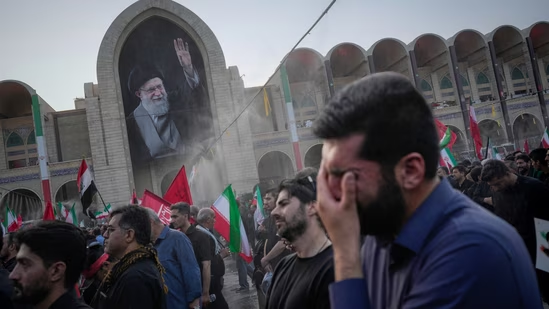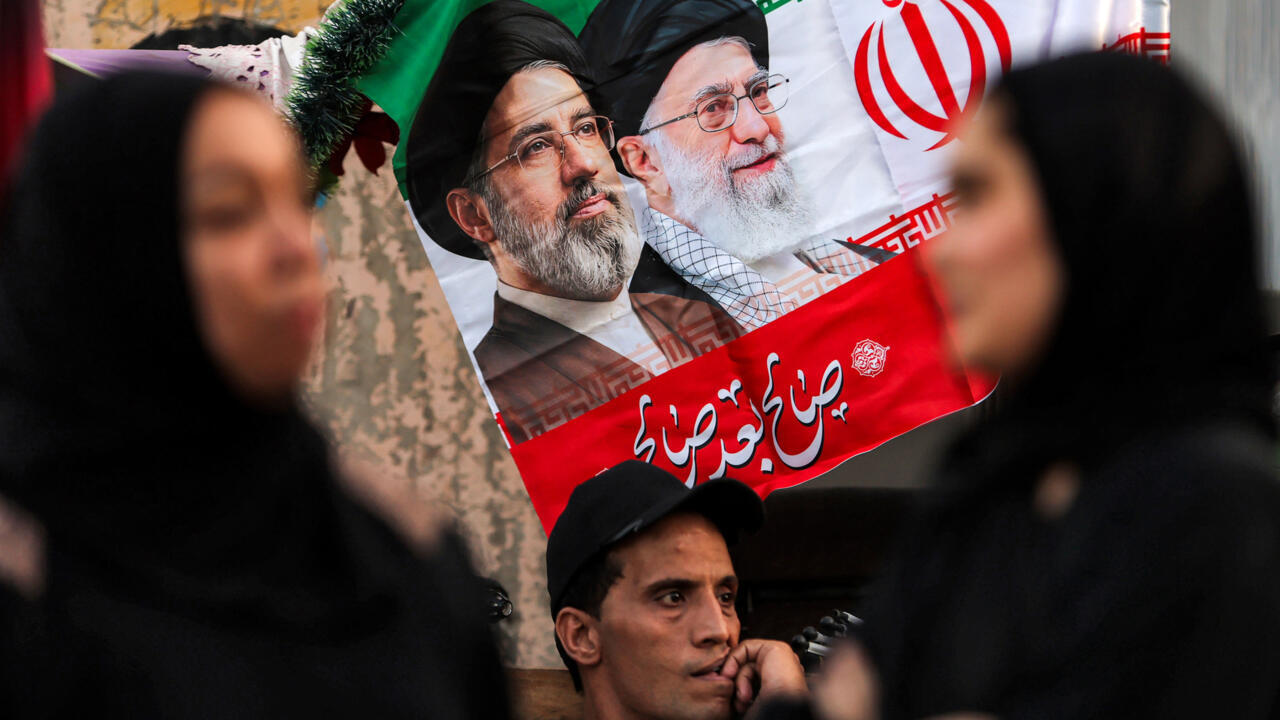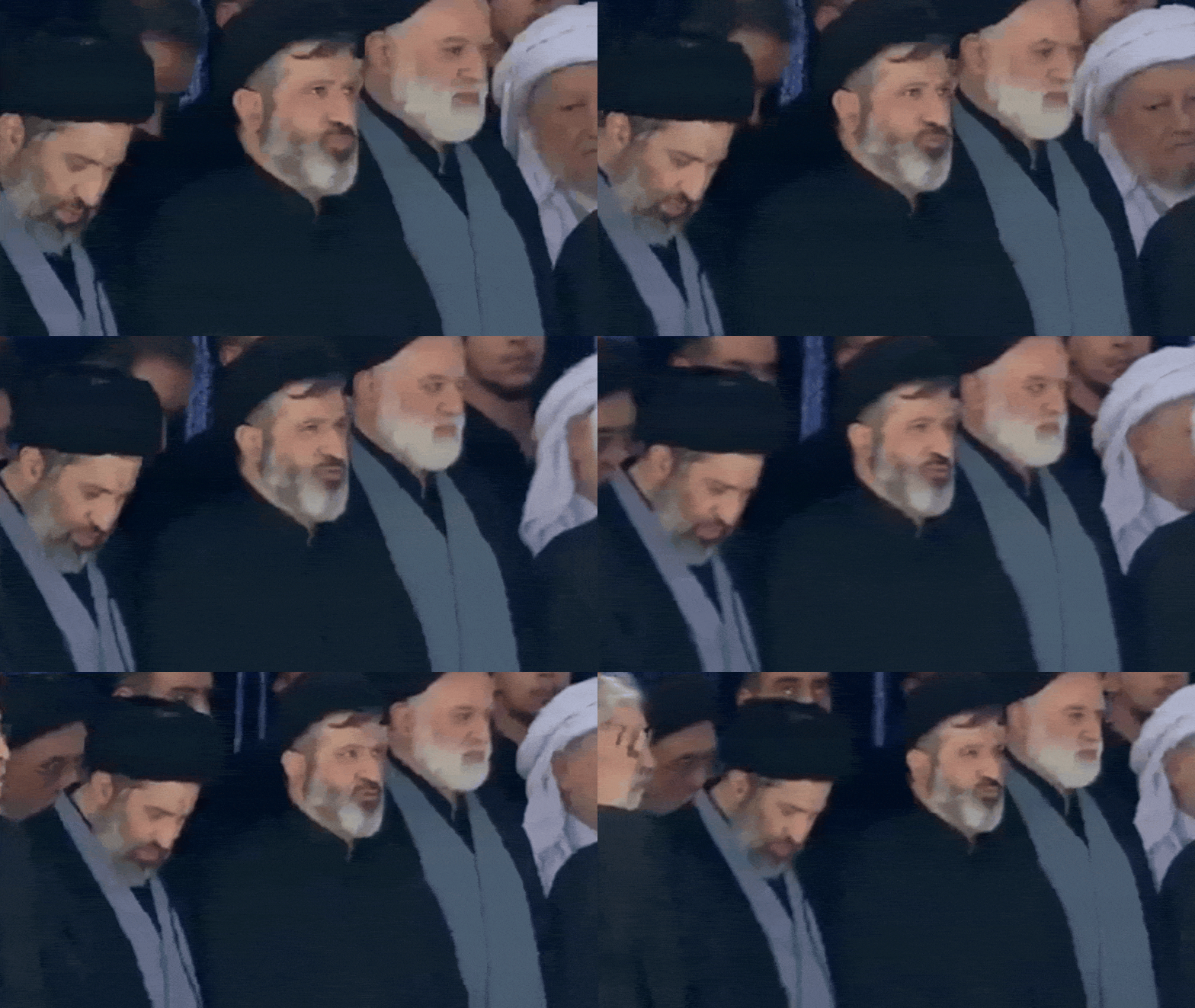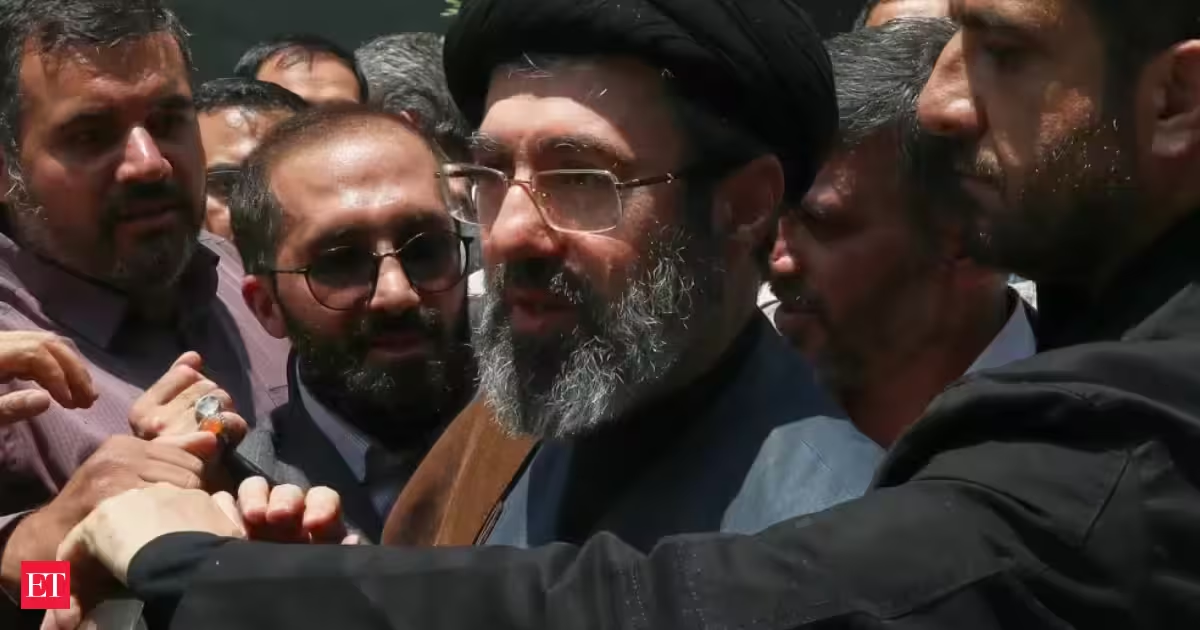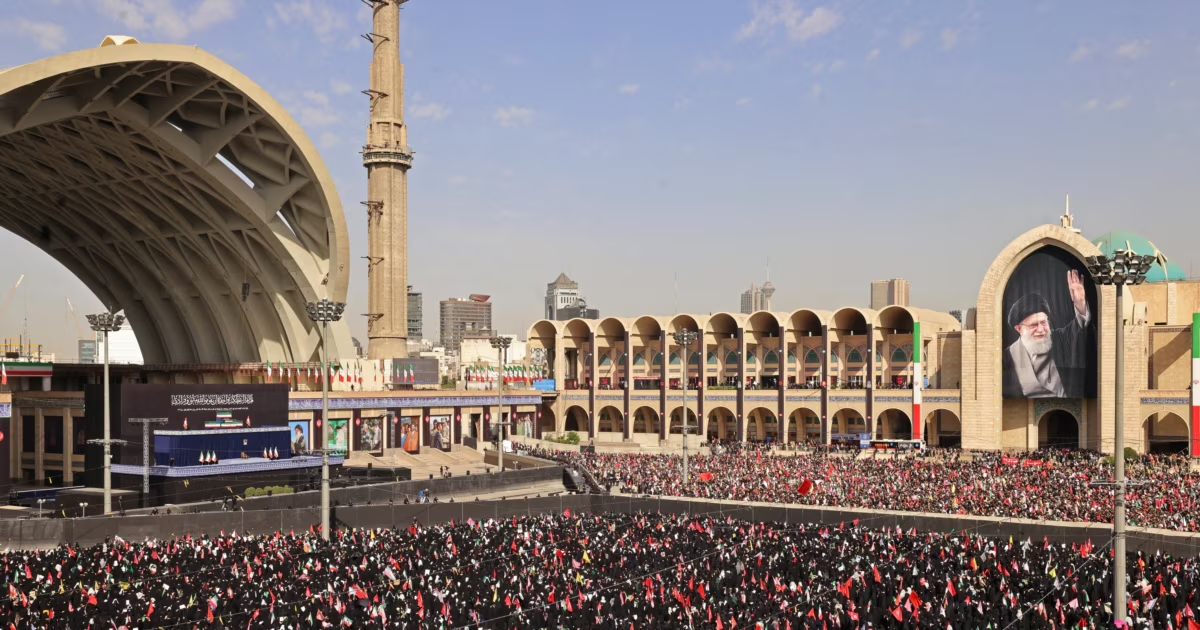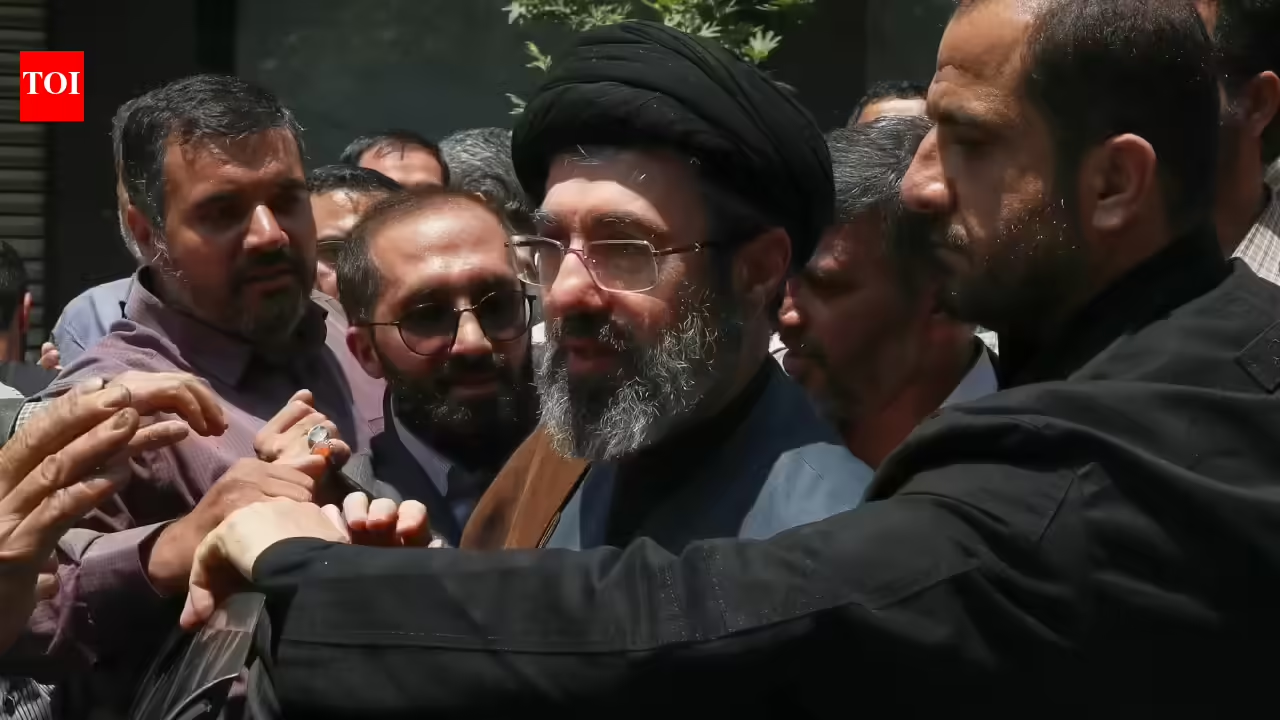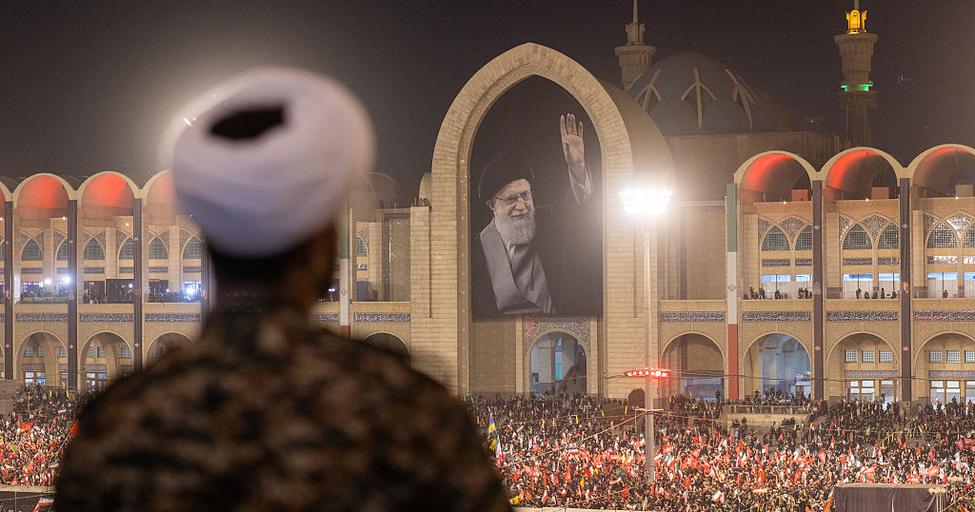
While the funeral procession of the leader of the Islamic Republic was held as one of the most critical symbolic moments in the transition of power, it was the absence of the most prominent figure in this transition that caught everyone’s attention more than any presence. Mojtaba Khamenei was not present at the ceremony, yet his name was repeatedly echoed in slogans, narratives, and official as well as unofficial remarks. His absence was particularly striking given that Ayatollah Seyyed Ali Khamenei’s other sons, Meysam, Masoud, and Mostafa, attended the ceremony and even stood in the front row for their father’s funeral prayer, yet the new leader did not appear.
This physical absence was accompanied by ambiguity and contradictory reports from certain media outlets regarding a rumored clandestine presence on the sidelines of the ceremony. Some attendees openly spoke about their unfulfilled expectations of seeing him: “Up until the very last moment before the prayer began, I kept telling those around me that I hoped the Leader himself would come. That was our only wish, and we pray that the Hidden Imam protects him.”
Rather than being defined by a physical presence, Mojtaba Khamenei became the center of attention precisely through this controversial absence, an absence that has been turned into a tool to cement legitimacy and generate new narratives within the power structure. This ceremony was not merely a send-off for the former leader, but a defining of the parameters of a new era; an era in which a segment of the population pledges allegiance (“Bay’ah”) to the new leader and urges him to avenge his father. They want him to act swiftly in making a decision to take “revenge” against the United States.