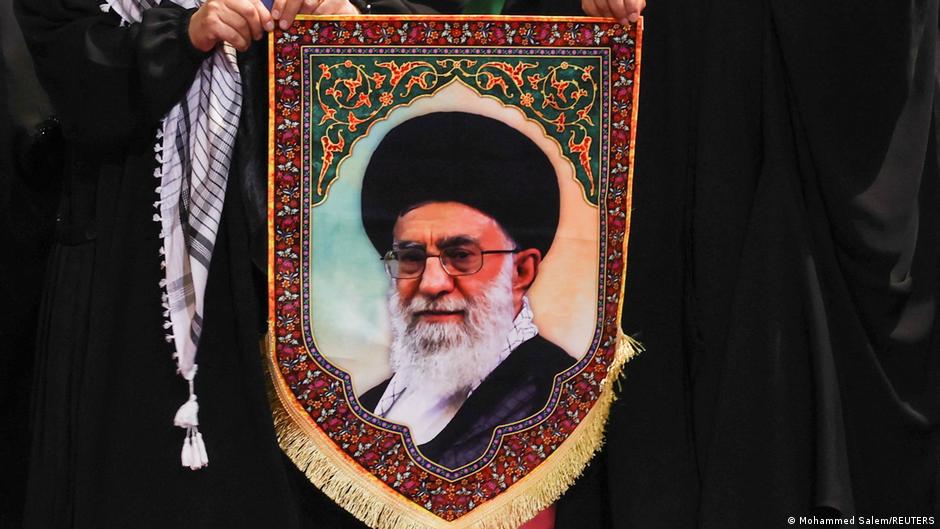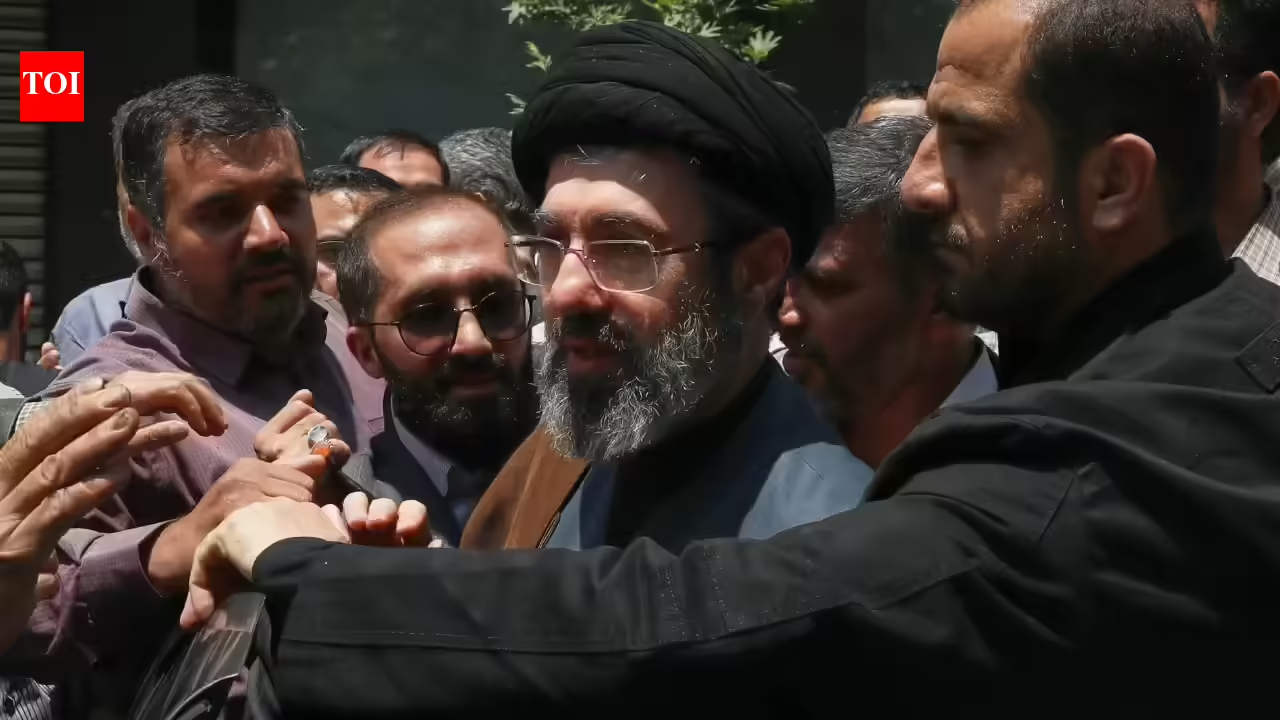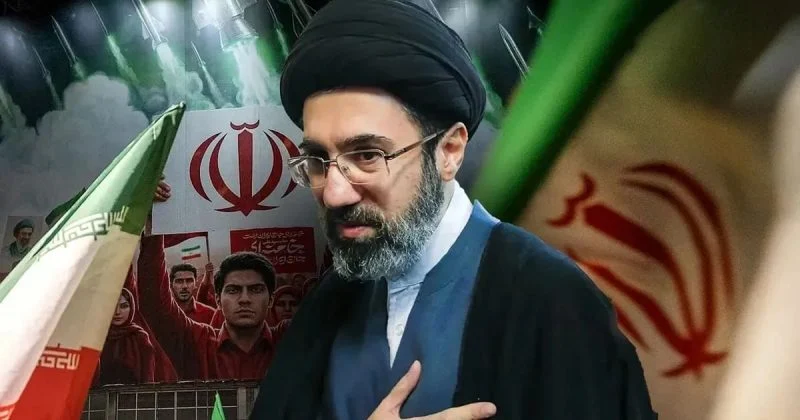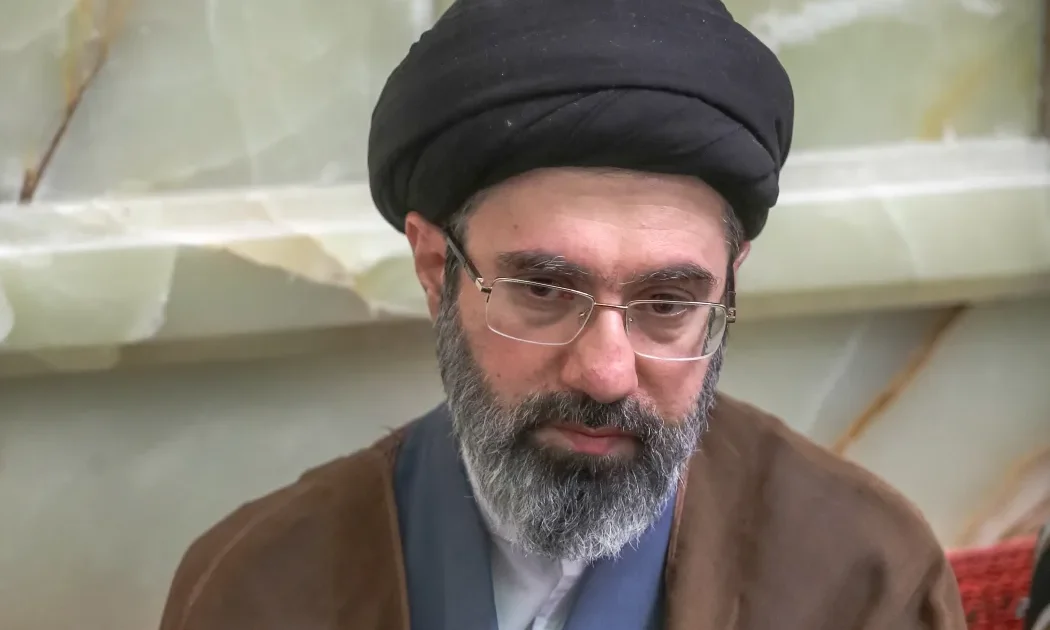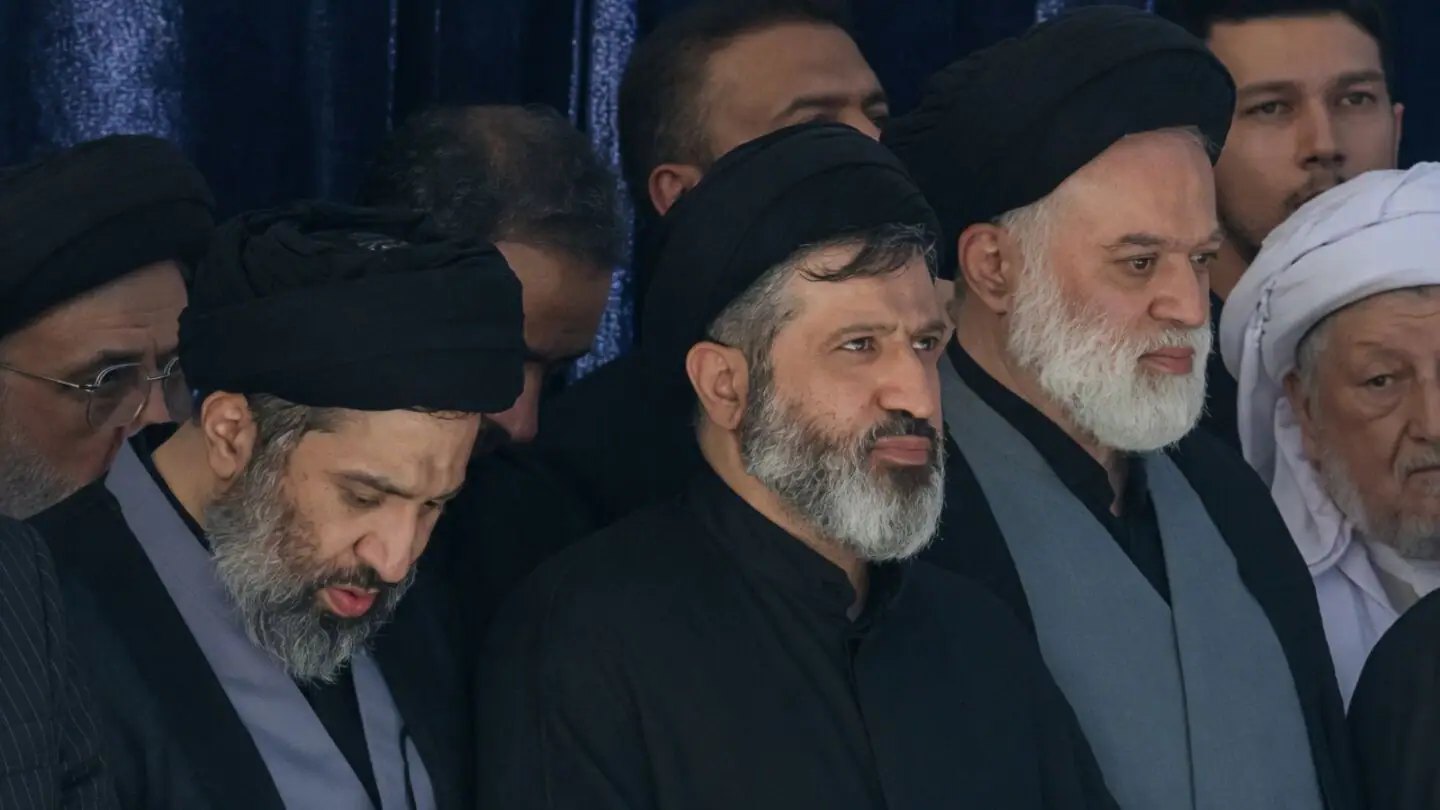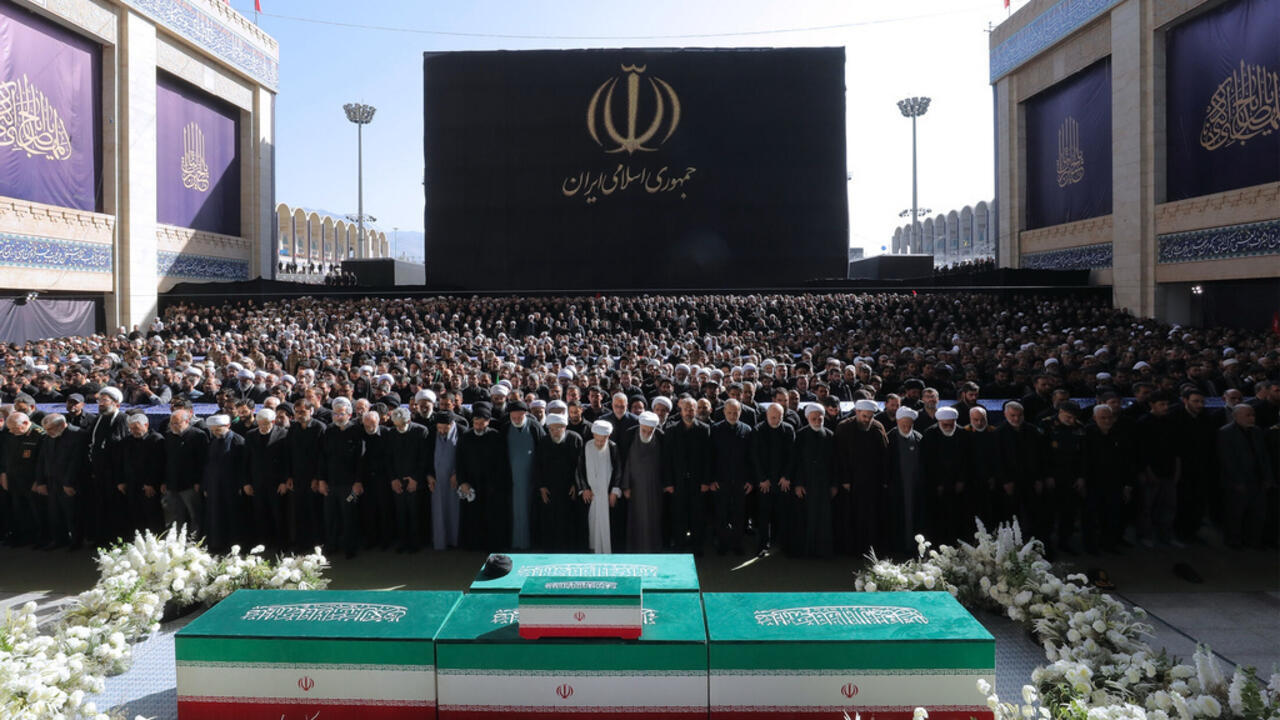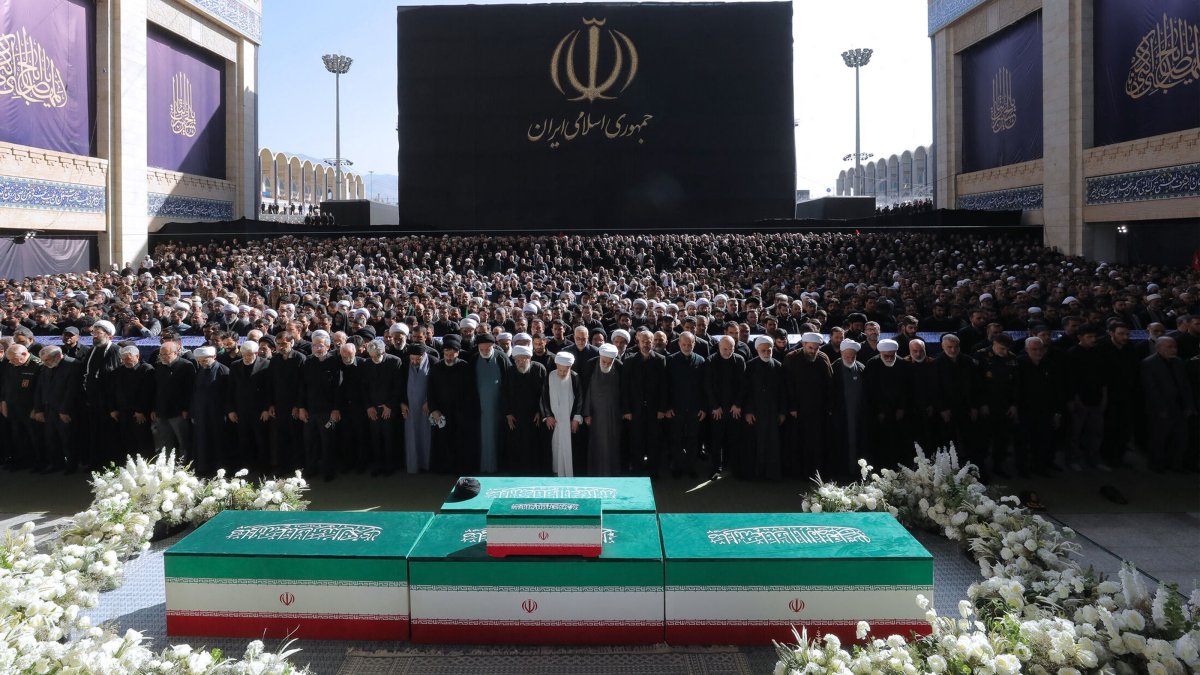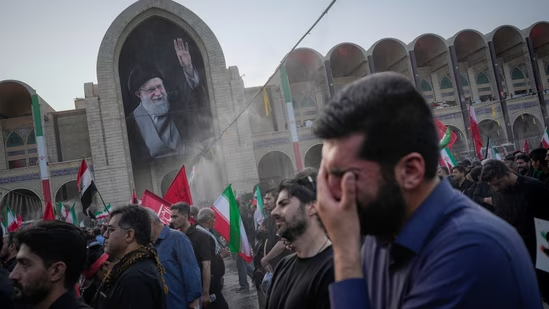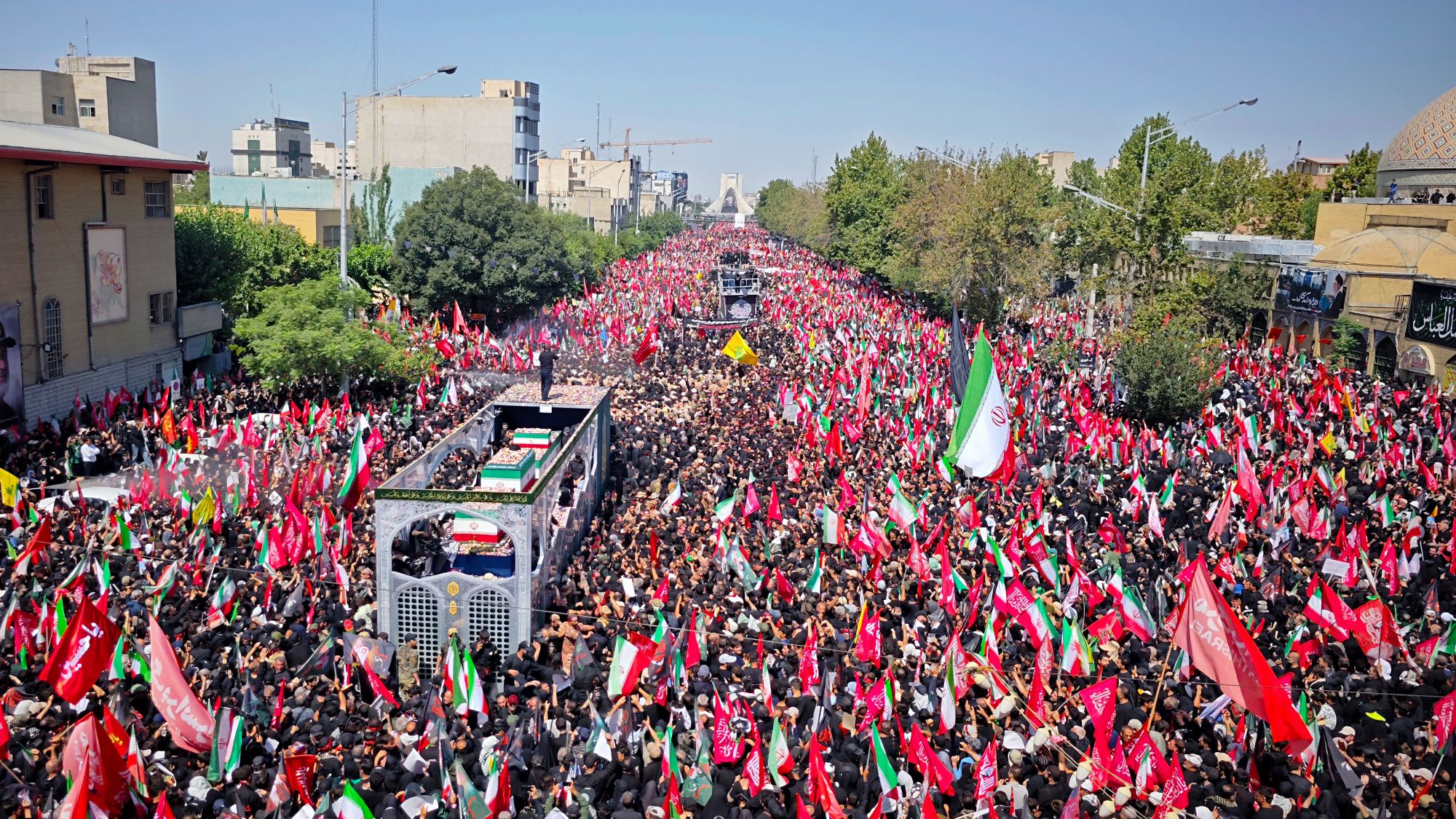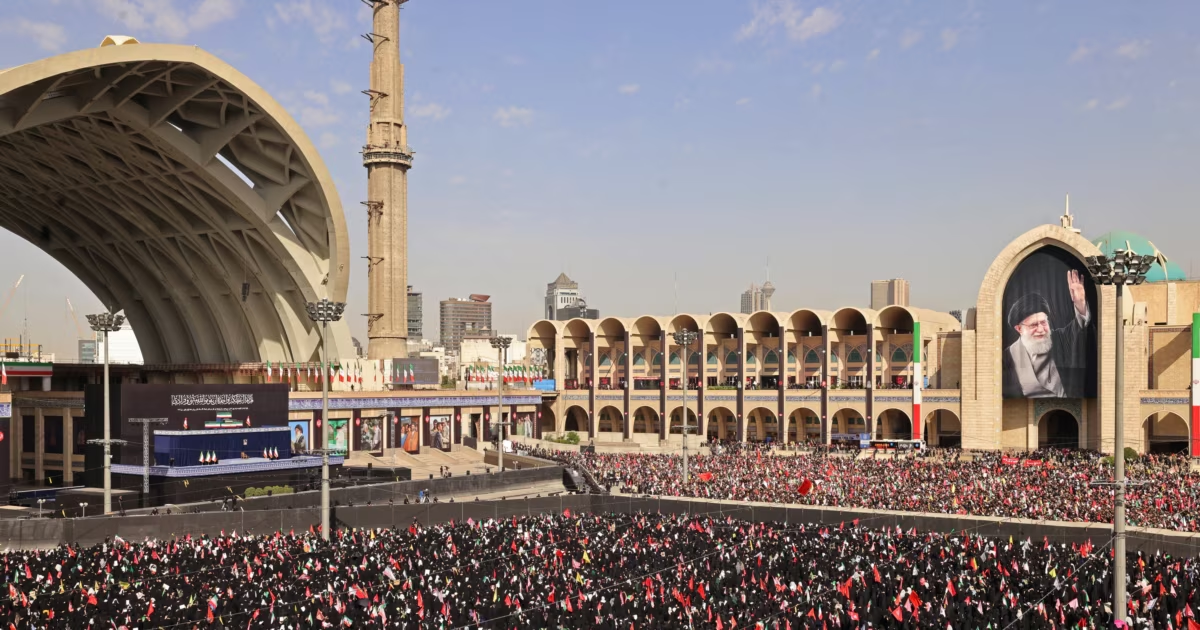
The multiday funeral for Iran’s late Supreme Leader Ayatollah Ali Khamenei is underway, but there has been no sighting of his son, Mojtaba Khamenei, who succeeded him.Mourners flocked to Tehran’s Grand Mosalla prayer grounds from the early hours of July 4 as authorities said they expected up to 20 million people to attend the six-day ceremonies.Security is exceptionally tight around the vast prayer complex. Riot police and other security forces have been deployed throughout the area, roads surrounding the Mosalla were closed hours before the ceremonies began, and reports said authorities had established a no-vehicle zone extending more than one kilometer from the venue.Iranian media said mourners chanted “revenge” as they gathered to pay their respects to Khamenei, who was killed on the first day of the US-Israeli war against Iran on February 28.
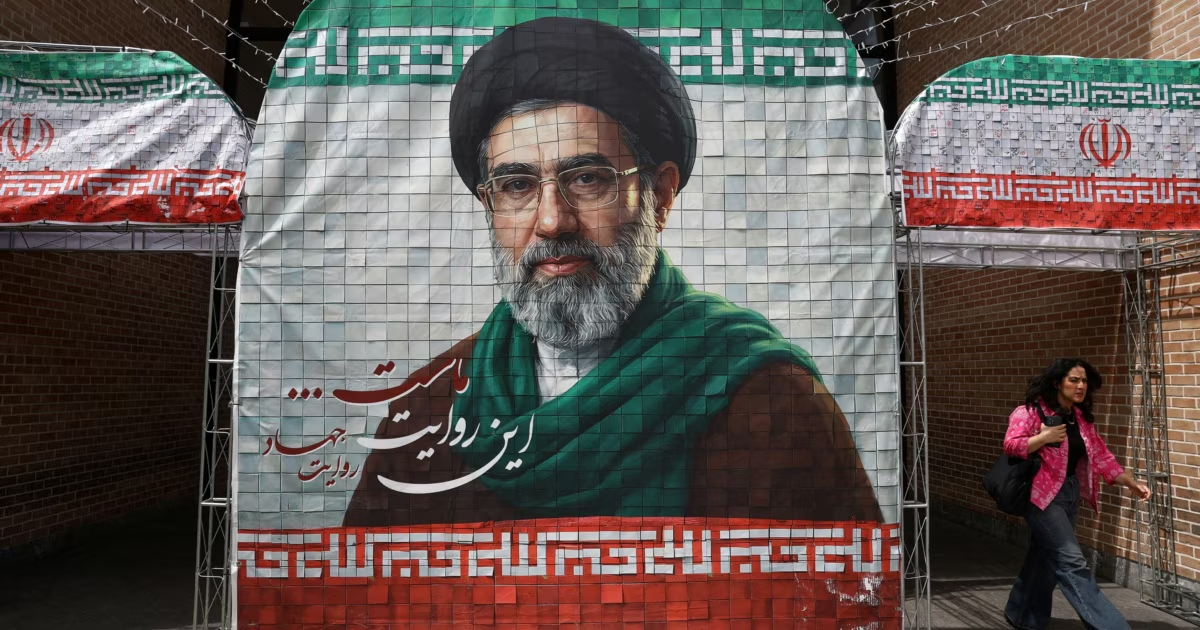
Coffins containing the bodies of Khamenei and four of his family members killed in the first day of the US-Israeli war against Iran are on display and will remain there until July 6.Khamenei’s remains will then be taken to the holy city of Qom before being put on display in Baghdad, Karbala, and Najaf in neighboring Iraq. He will be buried in his home city of Mashhad in northeastern Iran on July 9.Khamenei usually led prayers for exceptionally senior military and religious figures who died during his more than 36 years in power, but it remains unclear who will lead the prayers for him on July 5.Mojtaba Khamenei, the Islamic republic’s third supreme leader, has not been seen in public since he suffered injuries in the same attack that killed his father as well as his wife.Ritual Logic Vs. Security DoubtsOne of the most closely watched questions surrounding Khamenei's state funeral is whether his son, Mojtaba, will make a public appearance.Analysts differ on both the likelihood of this and what it would mean, torn between the ritual logic pointing toward attendance and security concerns clouding the picture.Speaking to RFE/RL’s Radio Farda, rights activist Taghi Rahmani said the question is bound up with a basic requirement of the succession ritual."The future leader must pray over the body of the past leader, and this is how it takes on formal legitimacy," Rahmani said. "This is one of the main reasons why the issue of Mojtaba Khamenei's presence is being raised."