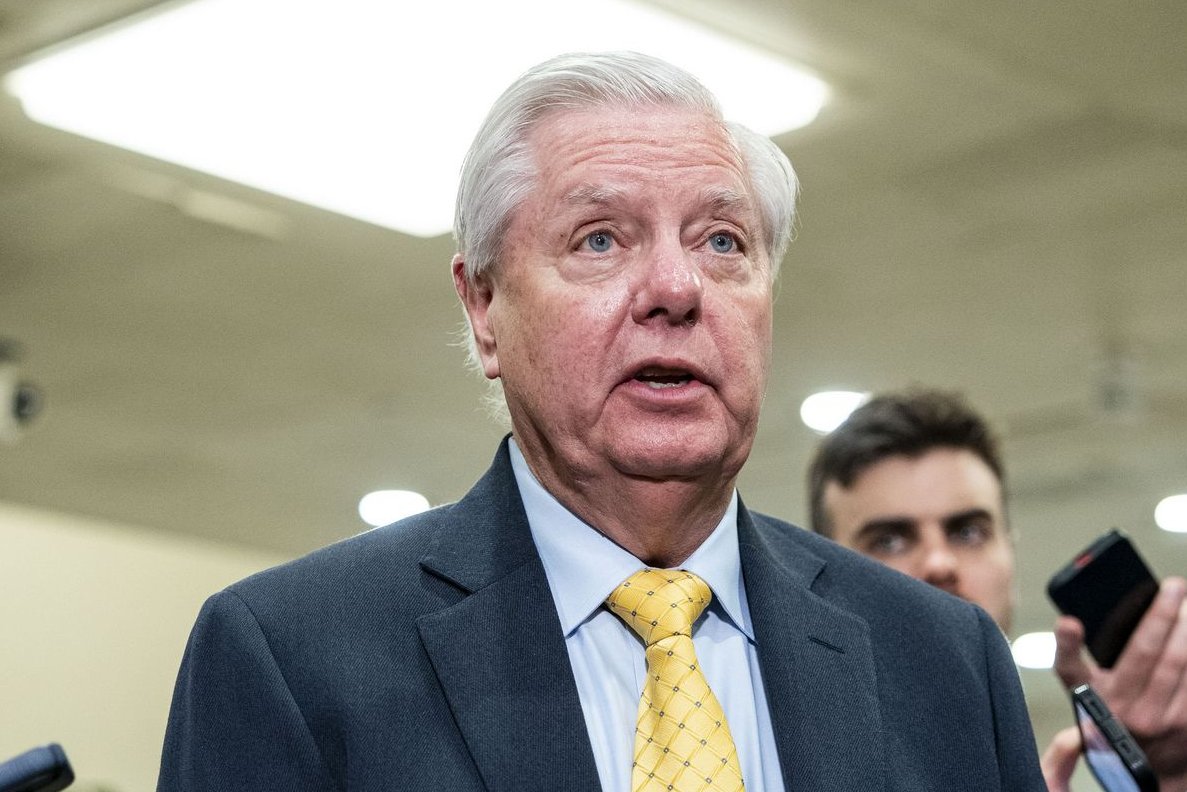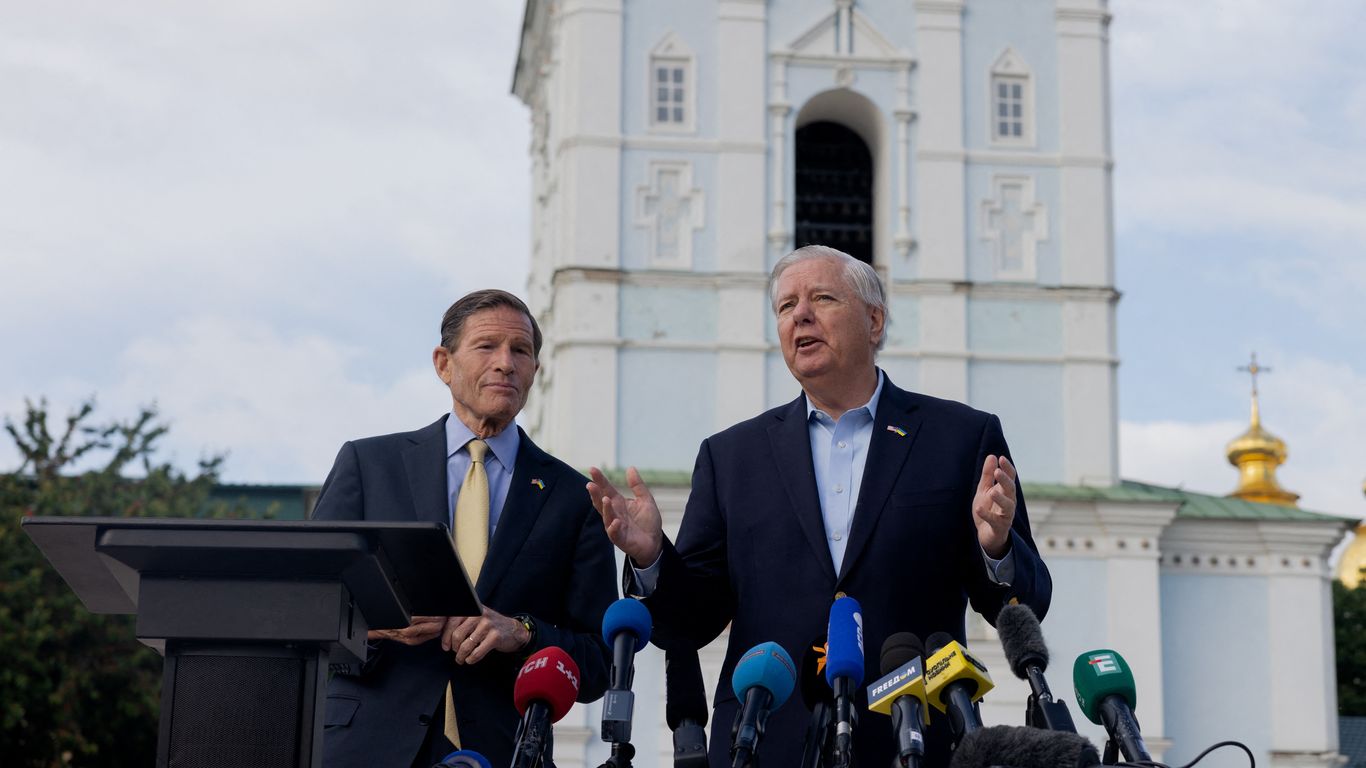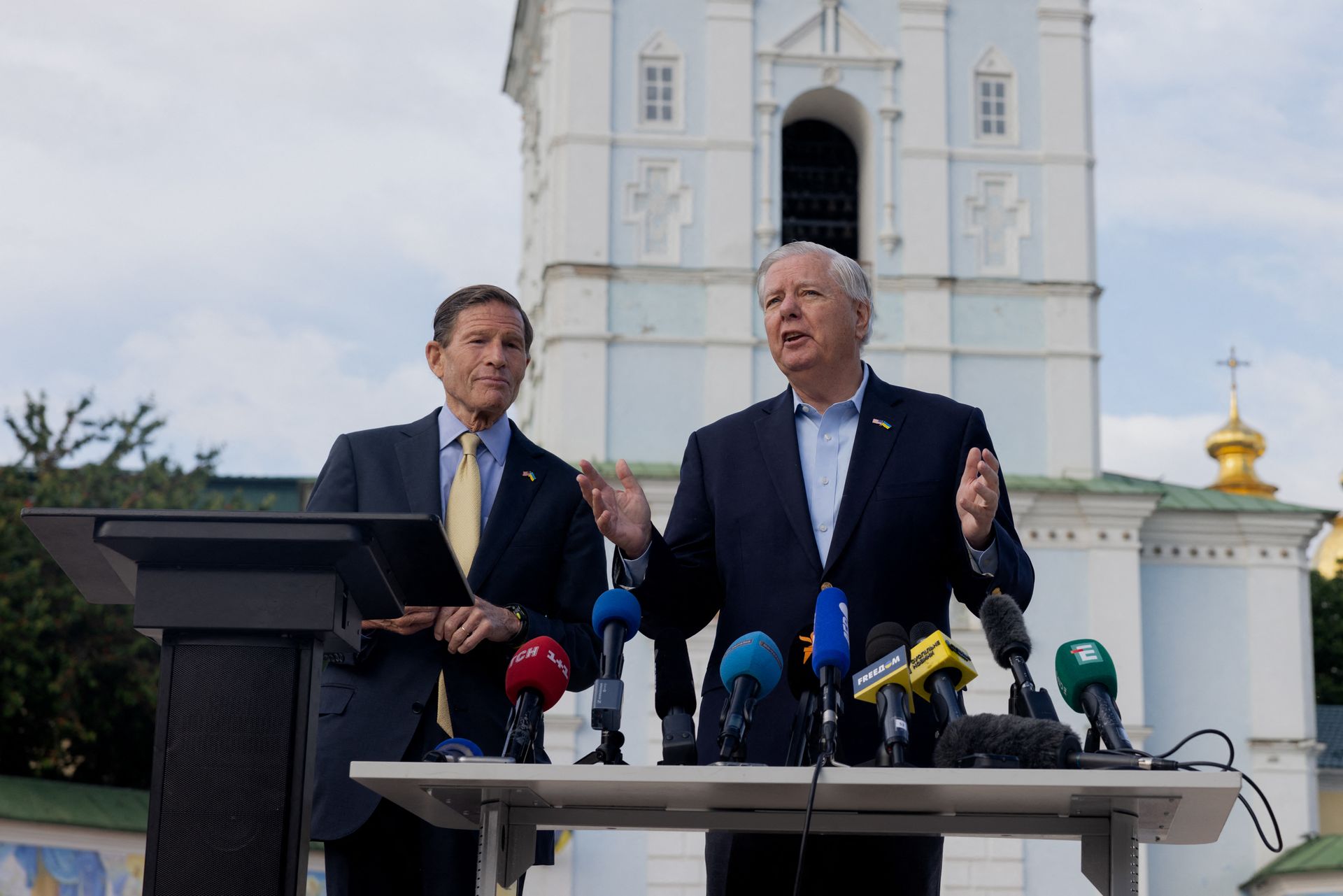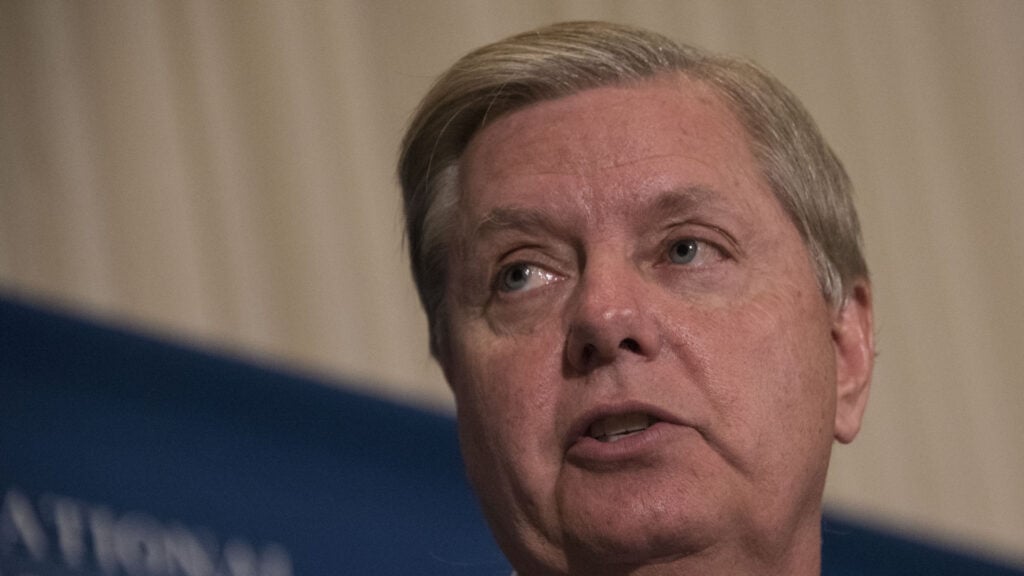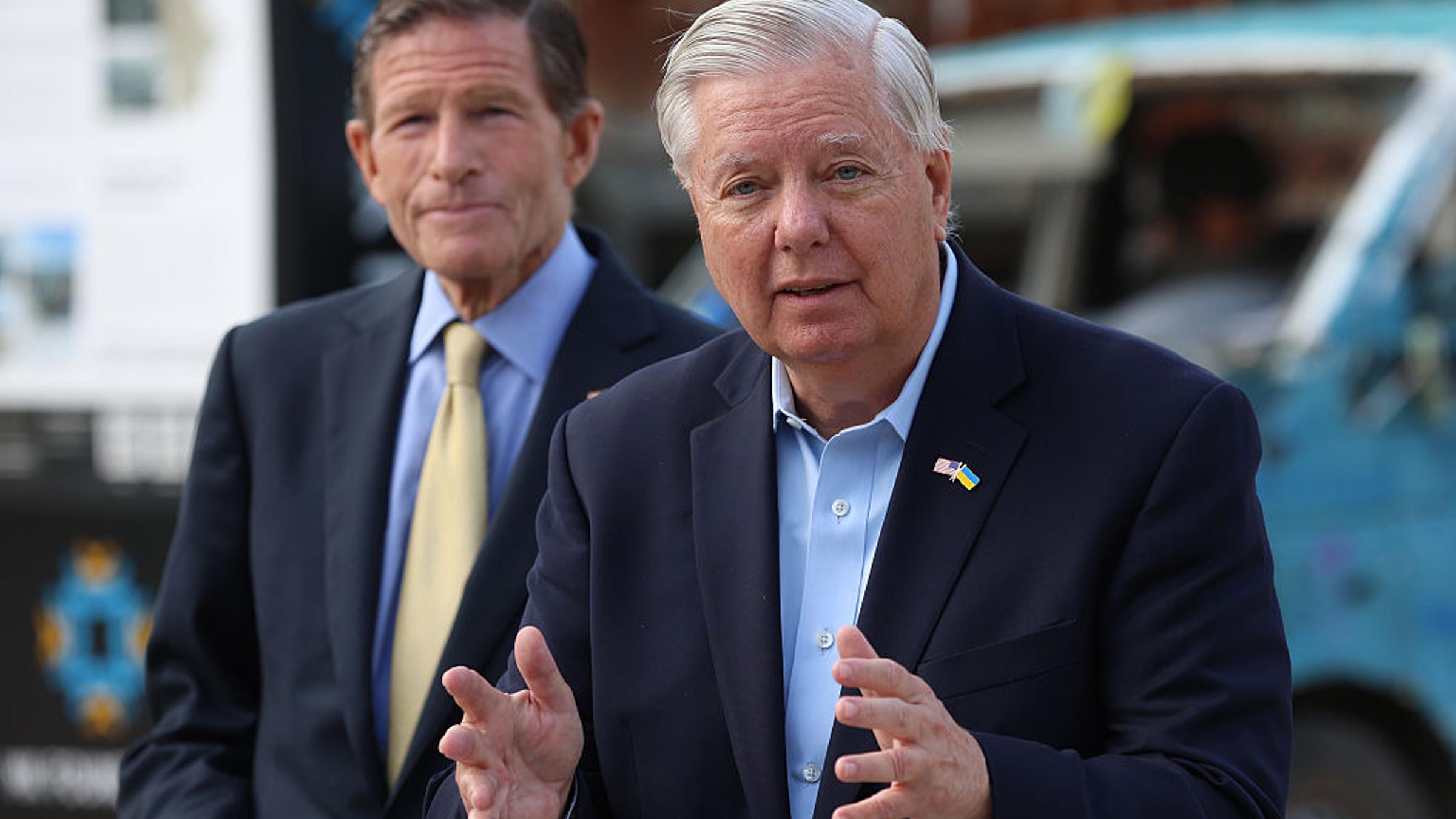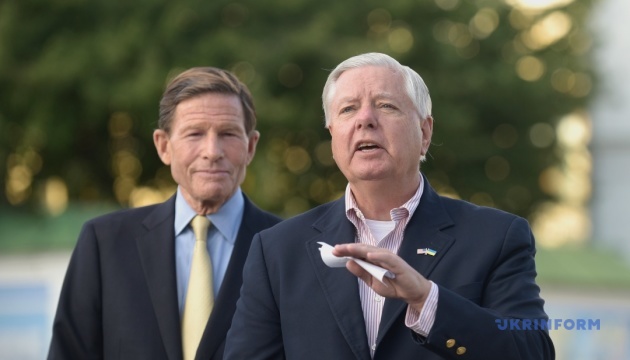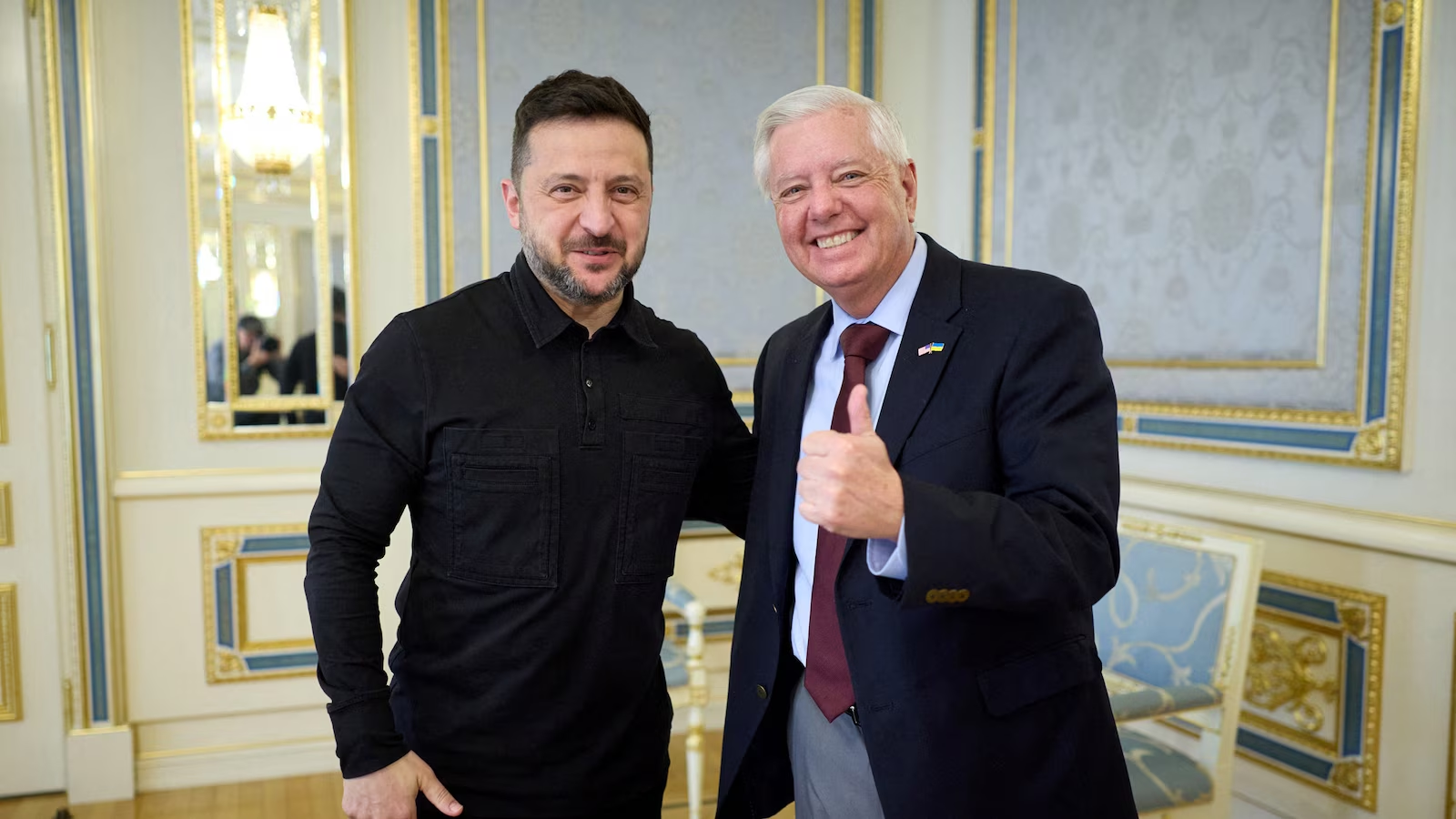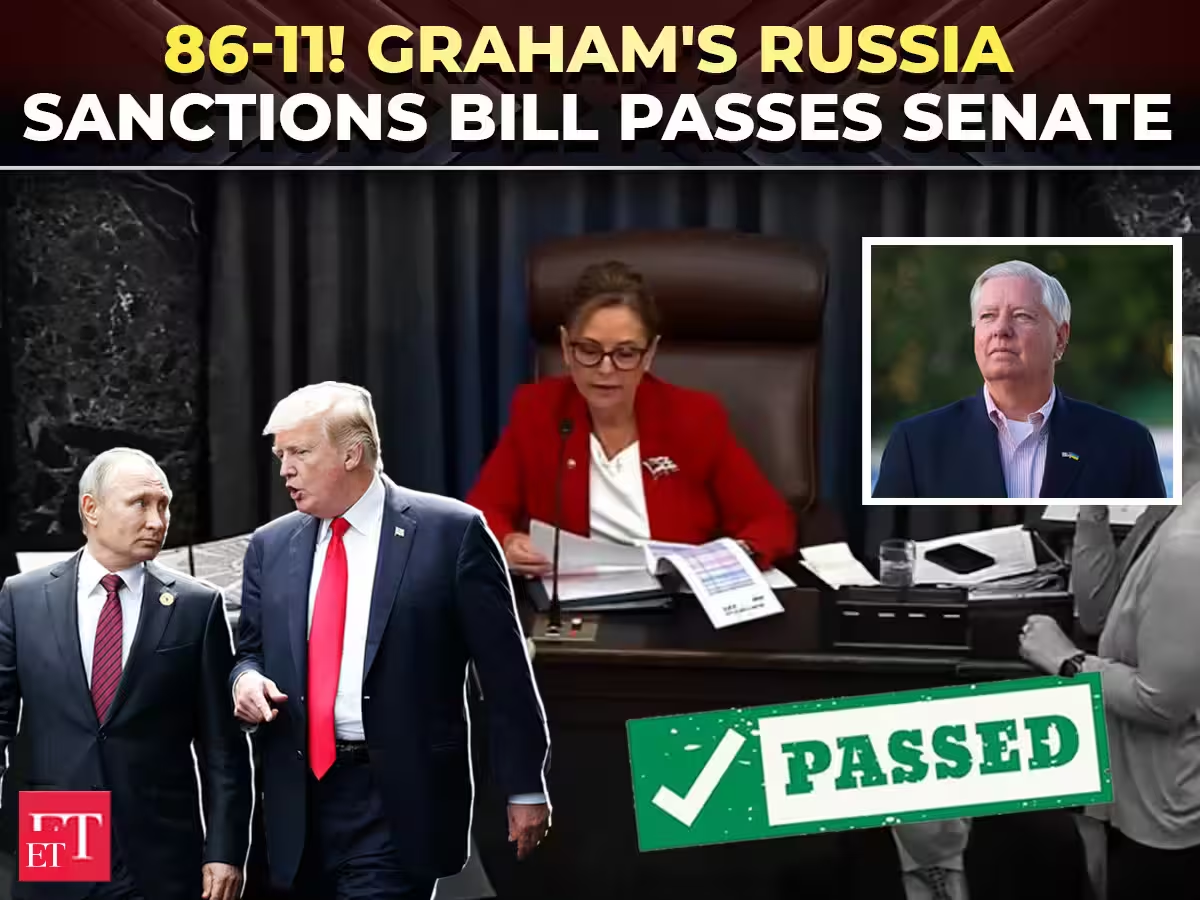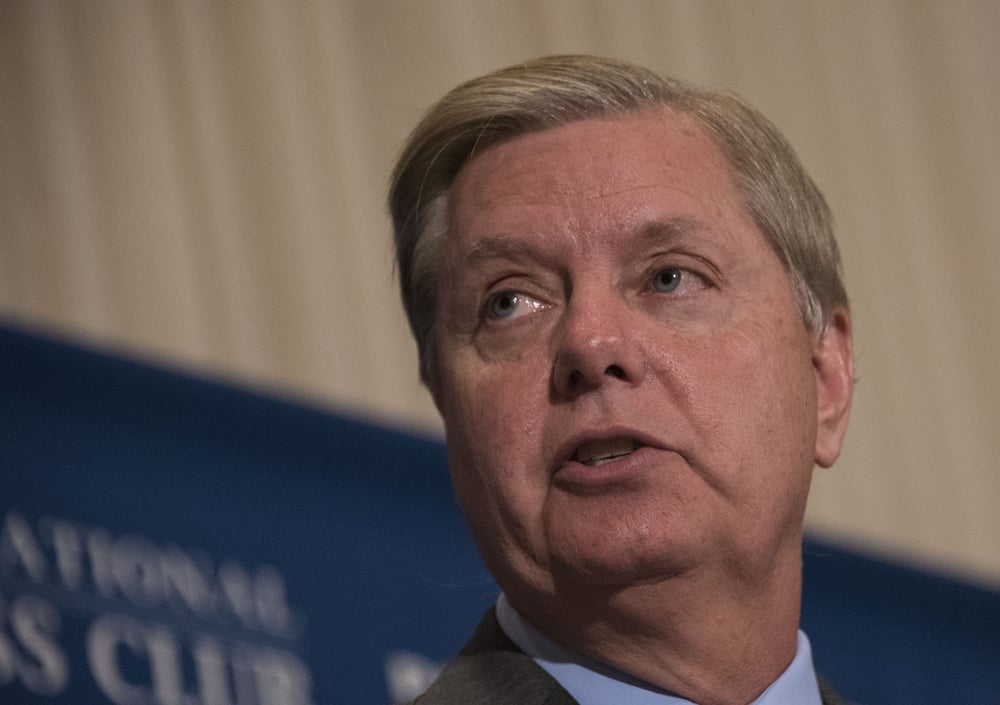
Senator Lindsey Graham announced on July 10 a bipartisan legislative agreement with the Trump administration designed to punish anyone still buying Russian oil and natural gas. The deal, struck alongside Senators Richard Blumenthal, Roger Wicker, and Jeanne Shaheen, builds on the Sanctioning Russia Act of 2025, which threatens tariffs of at least 500% on goods from countries that continue trading with Russia’s energy sector.
What the legislation actually does
The Sanctioning Russia Act of 2025, formally known as S.1241, was introduced on April 1, 2025, by Graham and Blumenthal. It has since attracted over 80 Senate cosponsors, a level of bipartisan backing that’s rare for pretty much anything in Washington these days.
The bill’s core mechanism is secondary sanctions. It doesn’t just punish Russia directly. It punishes anyone who does energy business with Russia. Countries, companies, intermediaries, all of them become potential targets.
The primary crosshairs are aimed at China and India, two of the most enthusiastic buyers of discounted Russian crude since the Ukraine invasion began. Both nations have been snapping up Russian oil at below-market rates, effectively providing the Kremlin with a financial lifeline to sustain its military operations.