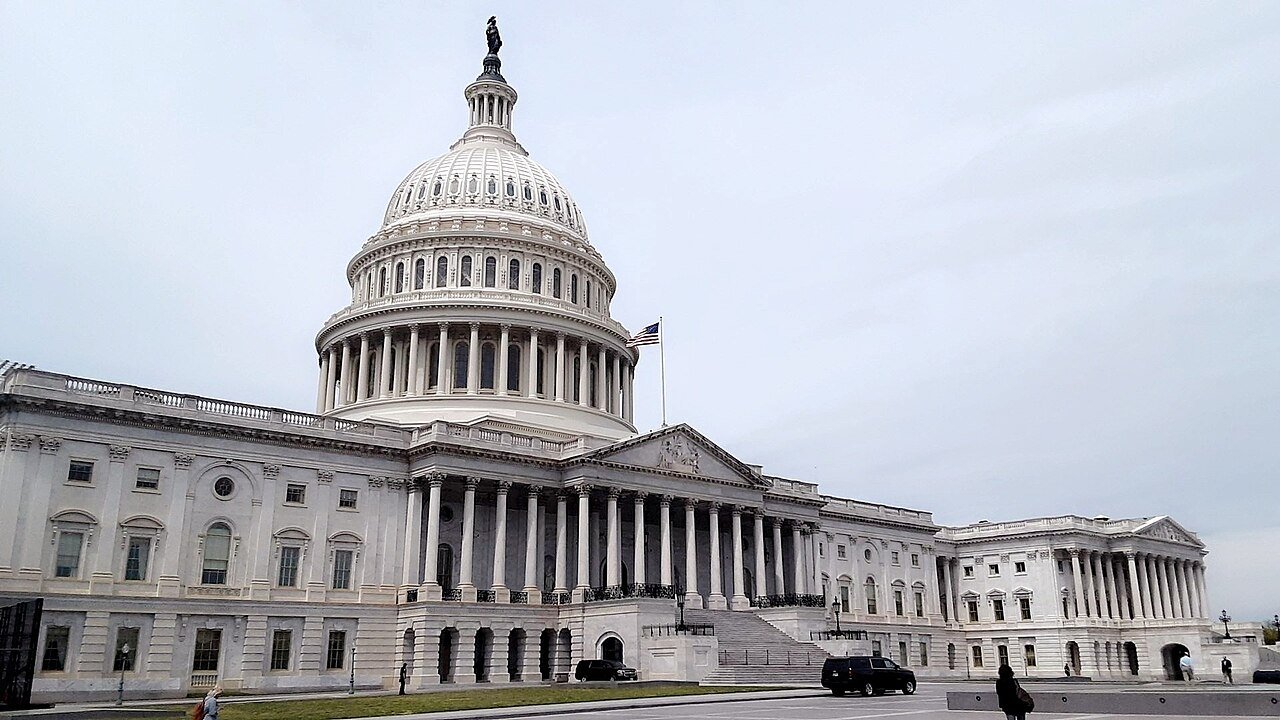
Fourteen state legislatures have passed a resolution asking for something Congress could, in theory, hand them for free: term limits on its own members. They aren’t asking Congress to pass a law. They’re applying for an Article V convention, the slower path to a constitutional amendment, because the faster path doesn’t exist. Twenty more states have to sign on before that convention can even be called. It would be far easier if Congress could just pass a statute capping House and Senate service the way the 22nd Amendment caps the presidency. It can’t. Not won’t. Can’t.I’ve made the policy case for term limits before. This is the harder argument nobody makes: Congress lacks the constitutional tool to do this to itself, regardless of the votes. Two joint resolutions sit in the current Congress proposing a term-limits amendment the ordinary way, a two-thirds vote in both chambers. They will die there, the way every version has died for three decades, because no supermajority of incumbents has ever voted itself out of office. The 14 states already understand this. That’s why they skipped the vote Congress will never take.Here’s what doesn’t get discussed enough. Even with the votes, Congress still couldn’t do this by statute. The Constitution fixes the qualifications for federal office in exactly two places. Article I, Section 2 sets the House bar at 25 years old, seven years a citizen, an inhabitant of the state. Article I, Section 3 sets the Senate bar at 30, nine, and the same residency rule. That’s the whole list. Nothing about tenure, and nothing left open for Congress to add later.
Congress can't term-limit itself. The Supreme Court already said so
Congress can't pass a law limiting its own terms — the Constitution's qualifications clauses make it impossible. Only an Article V convention can.
810 words~4 min read