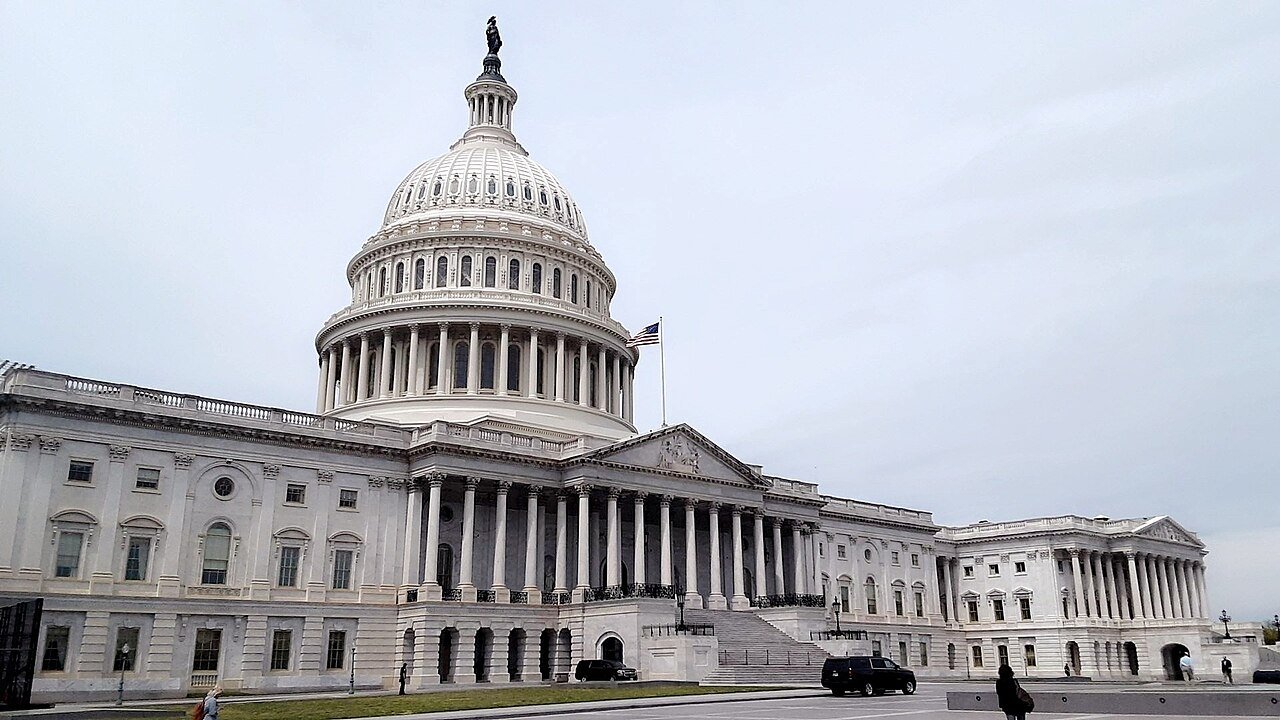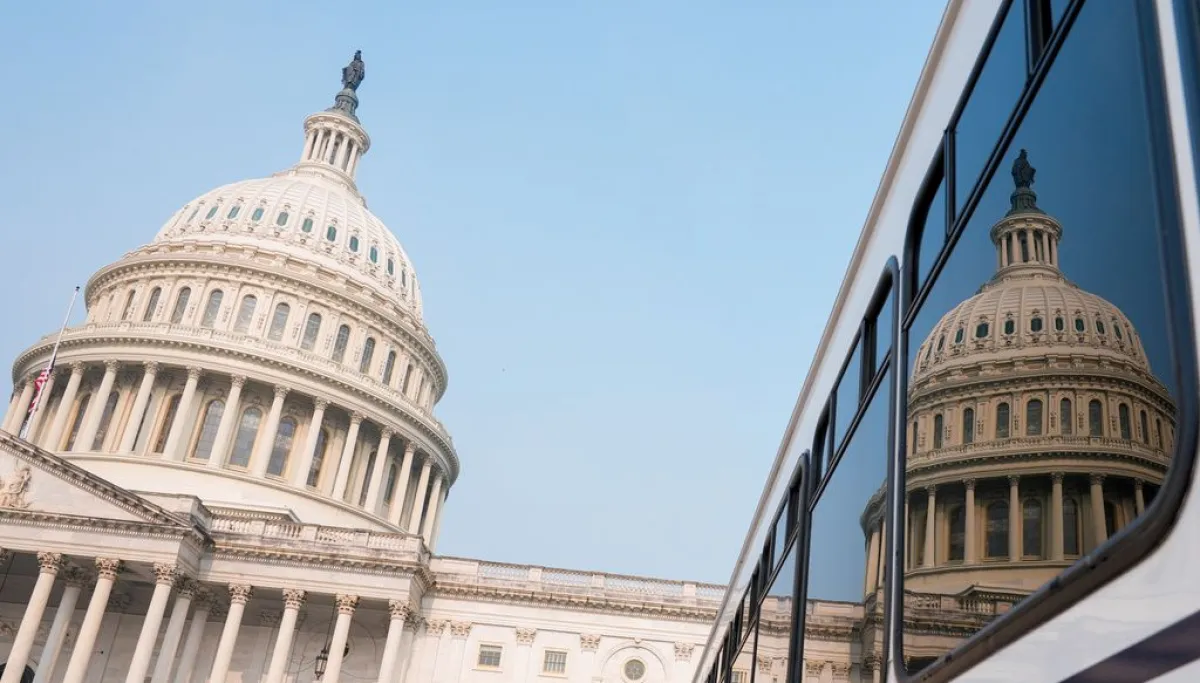
There is a quiet crisis unfolding in our constitutional system, one that goes to the heart of whether we remain a self-governing people. The framers designed Congress as the first branch: Article I of the Constitution. It’s the body of our federal government that is closest to the citizenry, charged with the hard, deliberative work of writing the laws that shape our national life. It was designed to be the primary mover in our government. Congress creates executive agencies and even lower courts. It can remove members of the other branches, too, but neither the executive nor the judiciary can remove members of Congress. The other branches (in theory) can act only within the bounds of whatever Congress has chosen.Yet over time, Congress has steadily handed away its authority. The reasons for this dereliction of duty mostly have to do with the competing forces of the accountability associated with representative government and the desire by many politicians to make their careers lifelong ventures. Why make hard calls and compromise on important issues — possibly imperiling your reelection — when you can foist those decisions onto the other branches? As a result, questions that properly belong to the people’s representatives—questions about the meaning of citizenship, the integrity of our elections, the limits of national sovereignty, when life begins, or the nature of marriage — are increasingly decided by courts and the executive branch rather than by those we elect to deliberate and decide.
To save the republic, Congress must learn to legislate again
Congress erodes self-government by handing legislative power to courts and the executive. Lawmakers must reclaim Article I powers.
940 words~4 min read