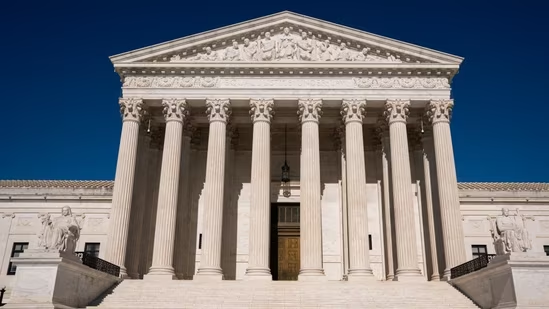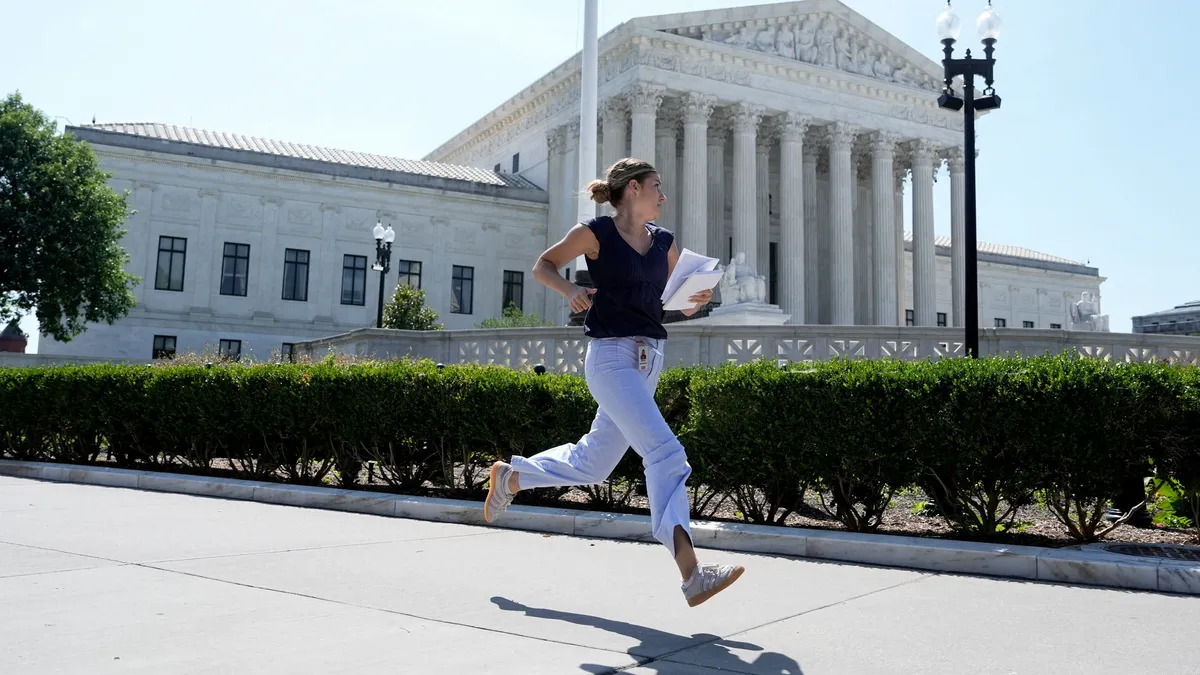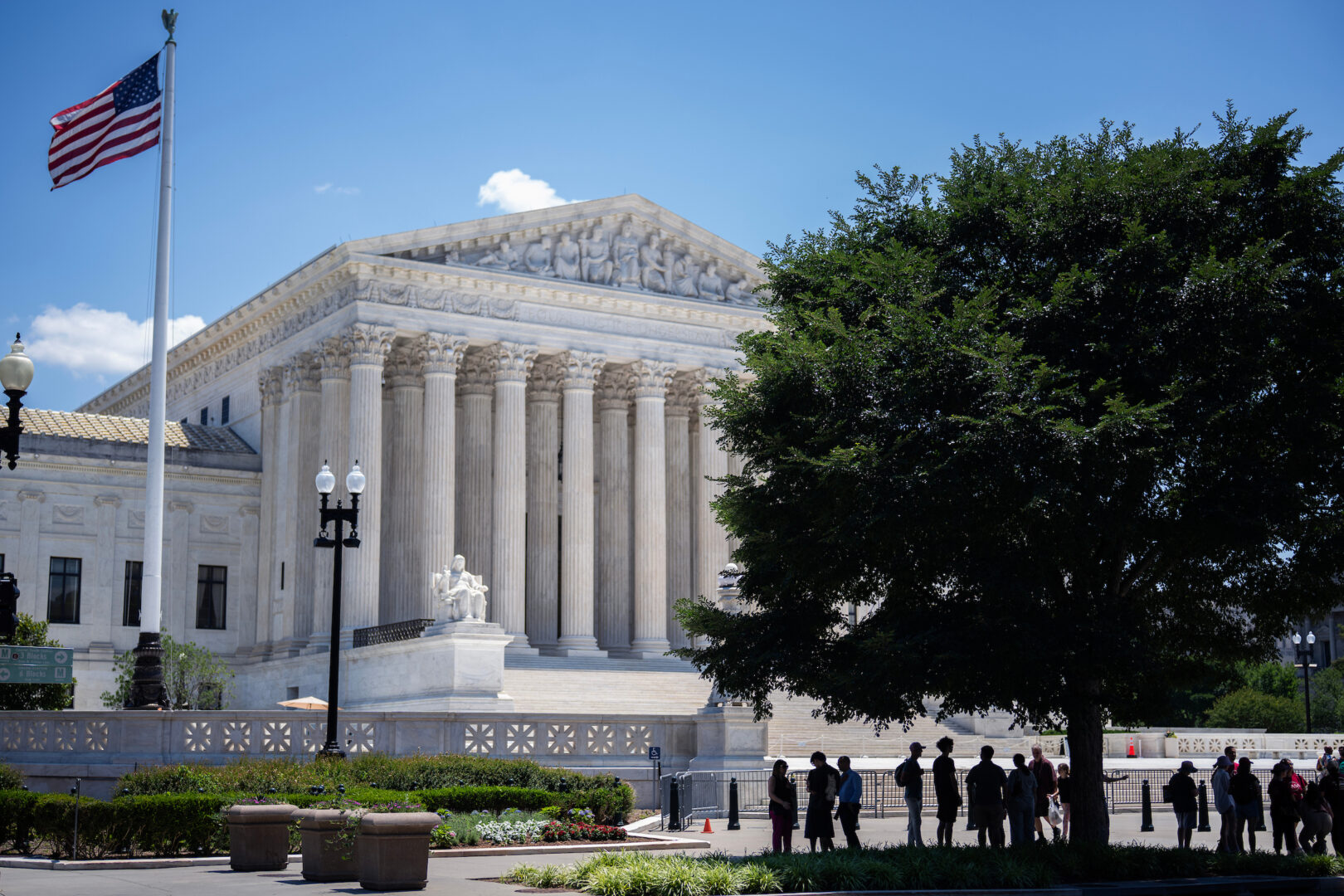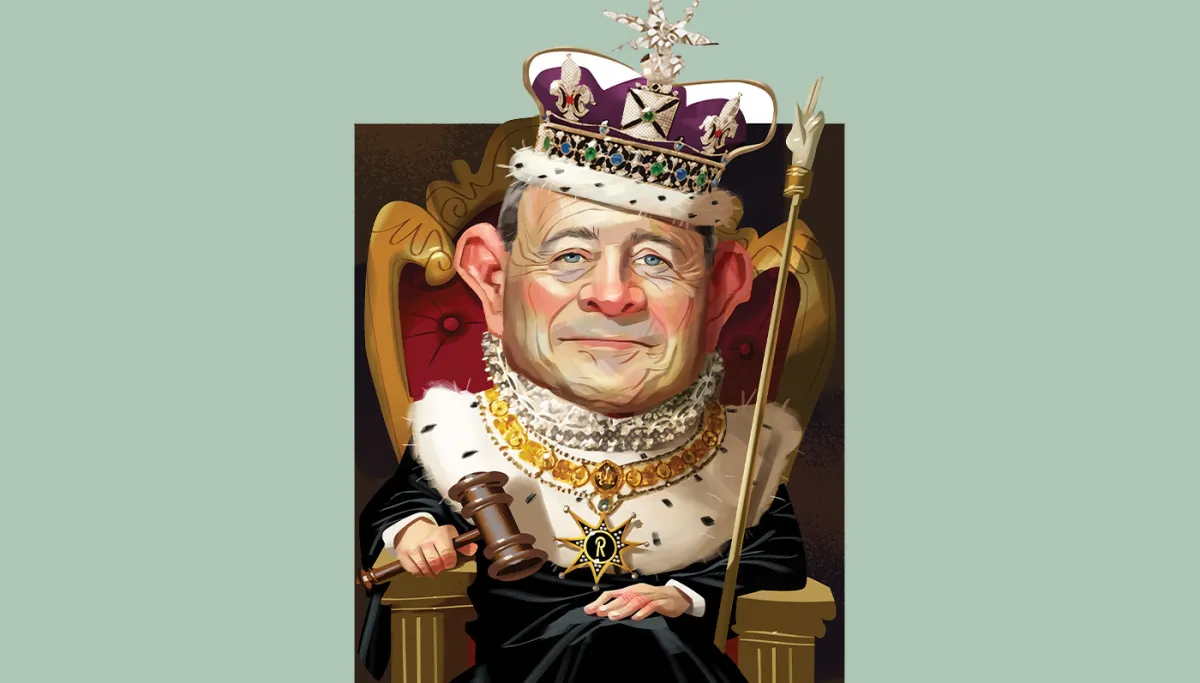
The most recent Supreme Court term has left Congress grappling with how to respond to a court that experts say has grabbed considerably more power for itself.
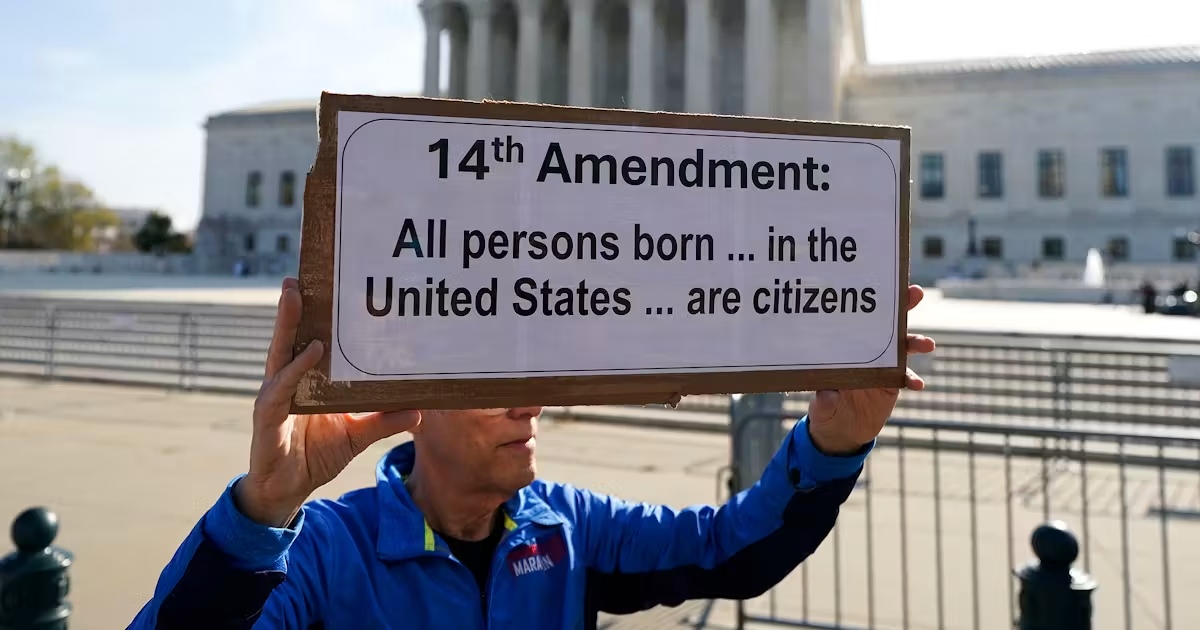
Conservatives were rankled by a Supreme Court decision quashing President Donald Trump’s effort to limit birthright citizenship, for example. Democrats, meanwhile, were outraged by a decision allowing Trump to fire officials at independent agencies like the Federal Trade Commission.
Despite that, analysts say, Congress isn’t likely to take action to respond to either case.
With a closely divided Congress more wired to respond to the presidency, Casey Burgat, director of the legislative affairs program at the Graduate School of Political Management at George Washington University, said Congress is unlikely to pass legislation to respond to this term’s Supreme Court decisions.
“This is a function of our reality in a very polarized, insecure, small-majority environment where the powers can exist on paper and within the Constitution, but operationalizing those powers is a very different political question,” he said.