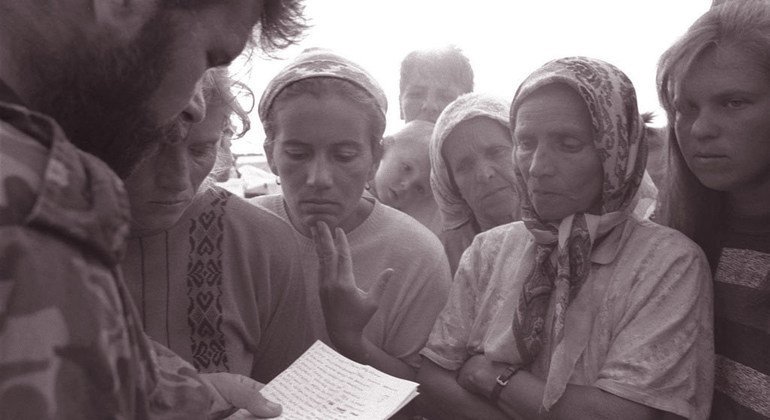
Remembering the Srebrenica genocide: ‘Fear is all that kept me moving’
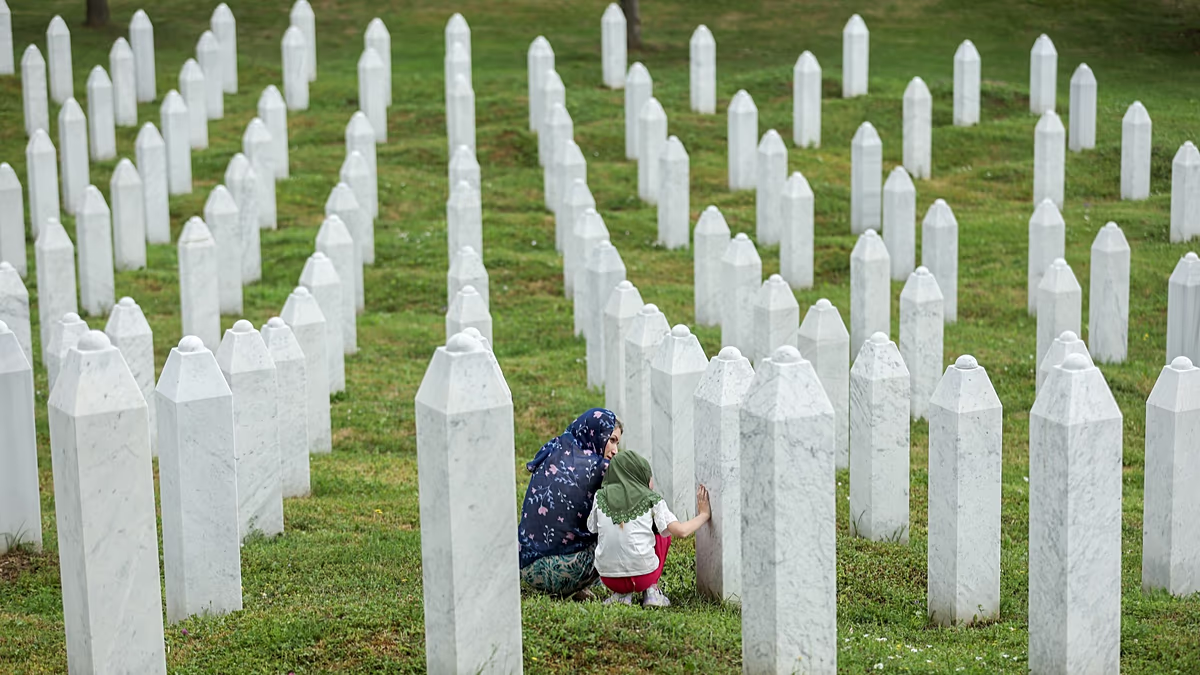
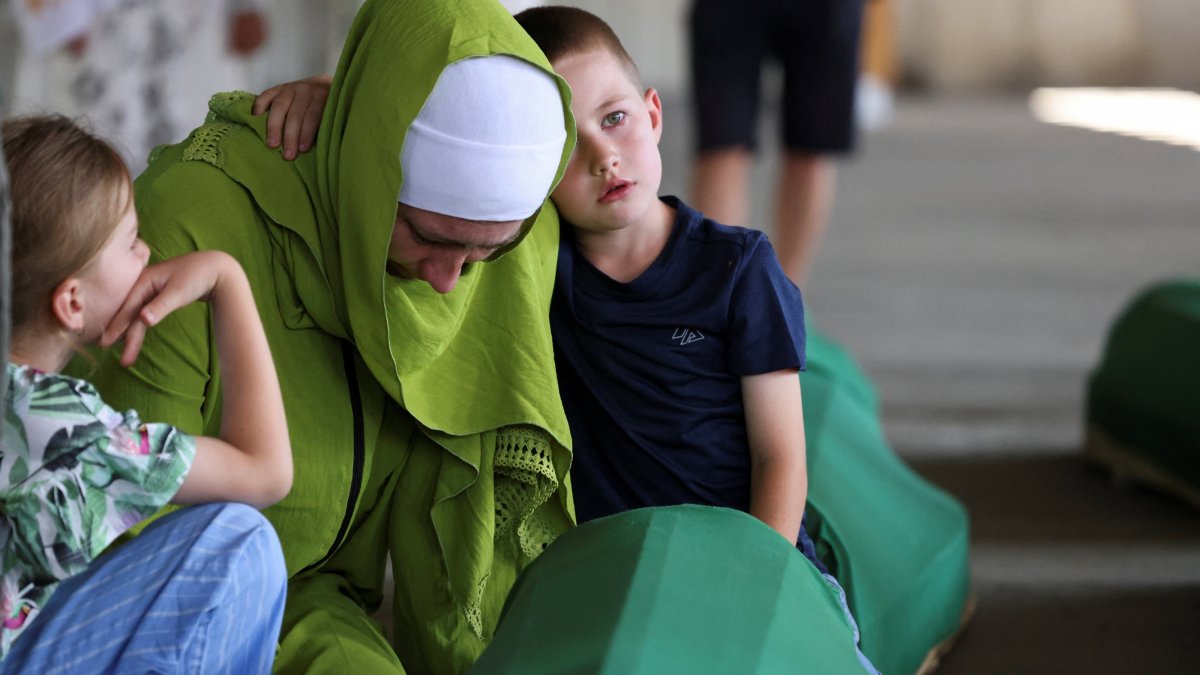
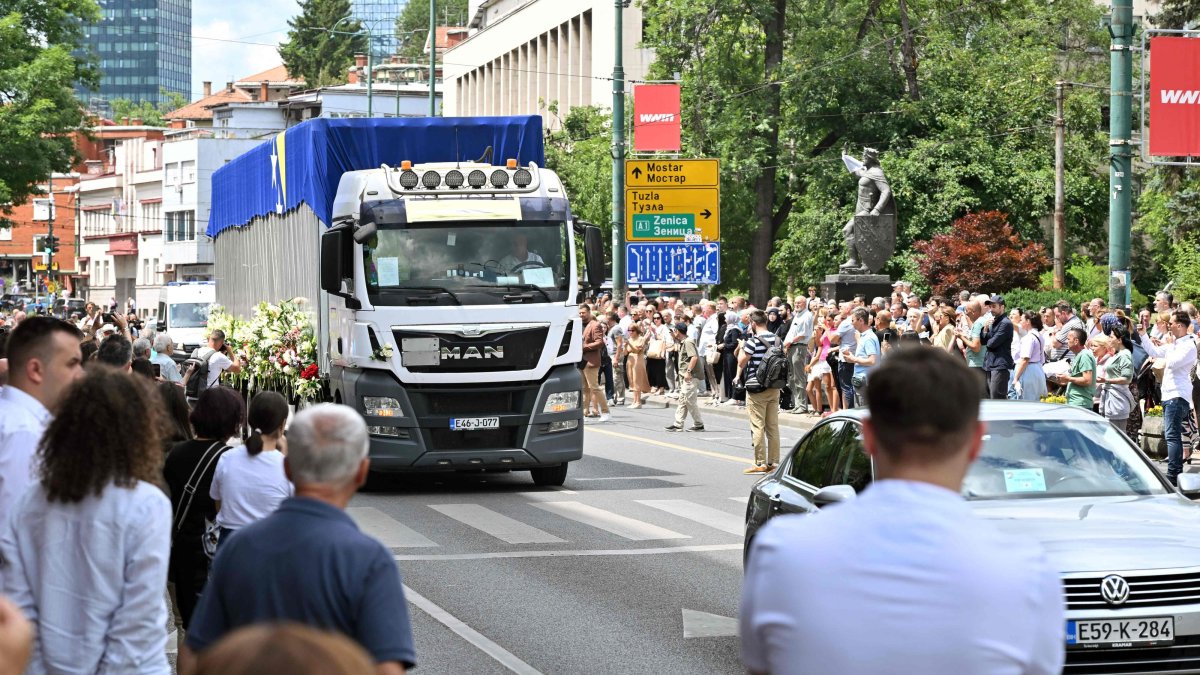
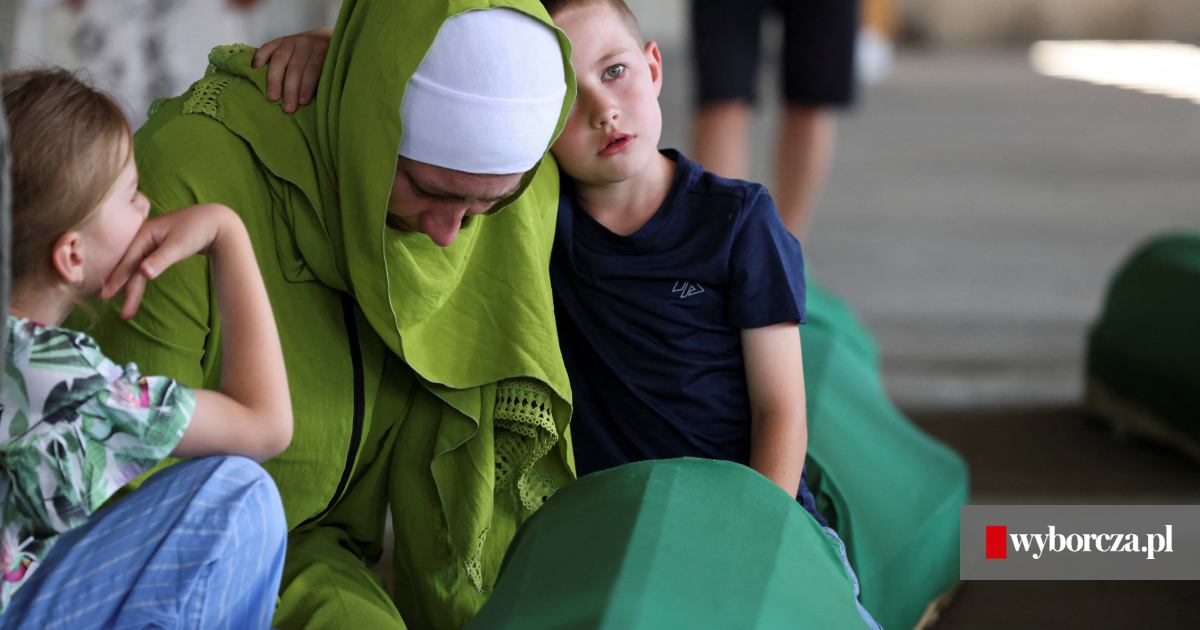
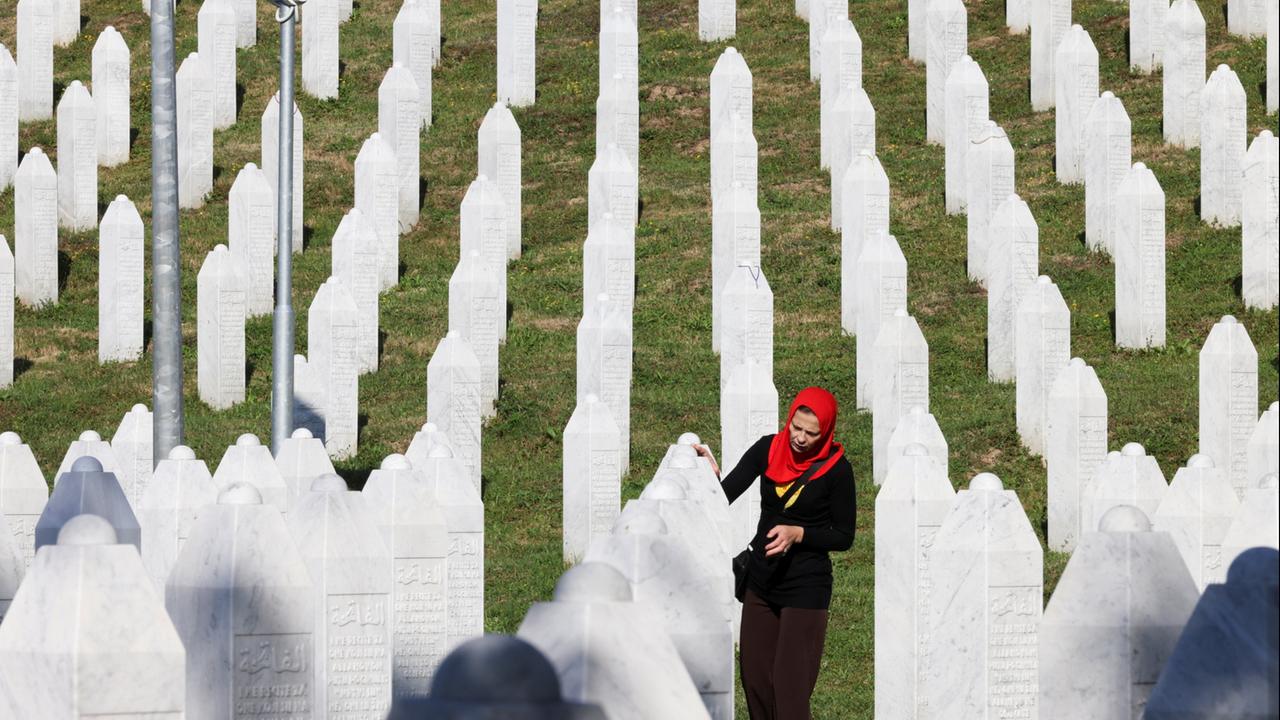
The massacre in eastern Bosnia and Herzegovina was the largest in Europe since the Holocaust and among the darkest chapters in the Balkan wars that erupted following the breakup of the former Yugoslavia. The Bosnian Serb army overran Srebrenica, which was previously declared a safe area under UN Security Council Resolution 819 (1993). Many of the victims had sought protection at the UN compound in nearby Potočari but were separated from their families, executed, and buried in mass graves.
UN Photo/Eskinder Debebe
Hasan Hasanović of the Srebrenica Memorial Center addresses the International Day of Reflection and Commemoration of the 1995 Genocide in Srebrenica.
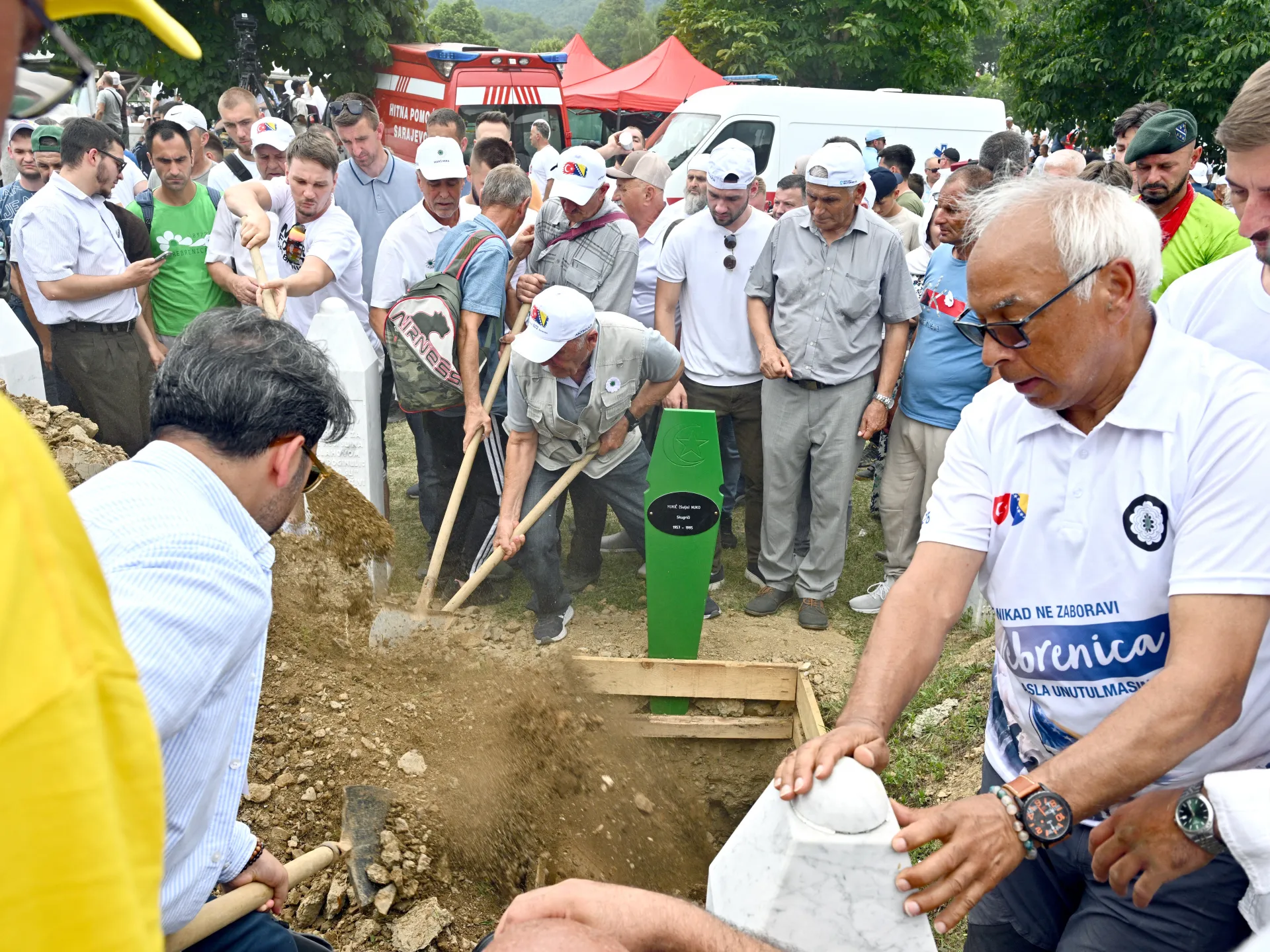
Fear, loss and survival Hasan Hasanović was 19 when Srebrenica fell on 11 July 1995. Along with his father and twin brother Husein, he joined a column of men and boys attempting to escape through the forest. Within hours he was separated from his relatives, walking alone for days sleepless and hungry amid ambushes, executions and artillery attacks. “Fear was all that kept me moving,” said Mr. Hasanović, head of the oral history programme at the Srebrenica Memorial Center, speaking in the UN General Assembly Hall. “Years later, after their remains were recovered from mass graves, I buried my father and my twin brother with my own hands. Nothing could prepare me for those moments.”