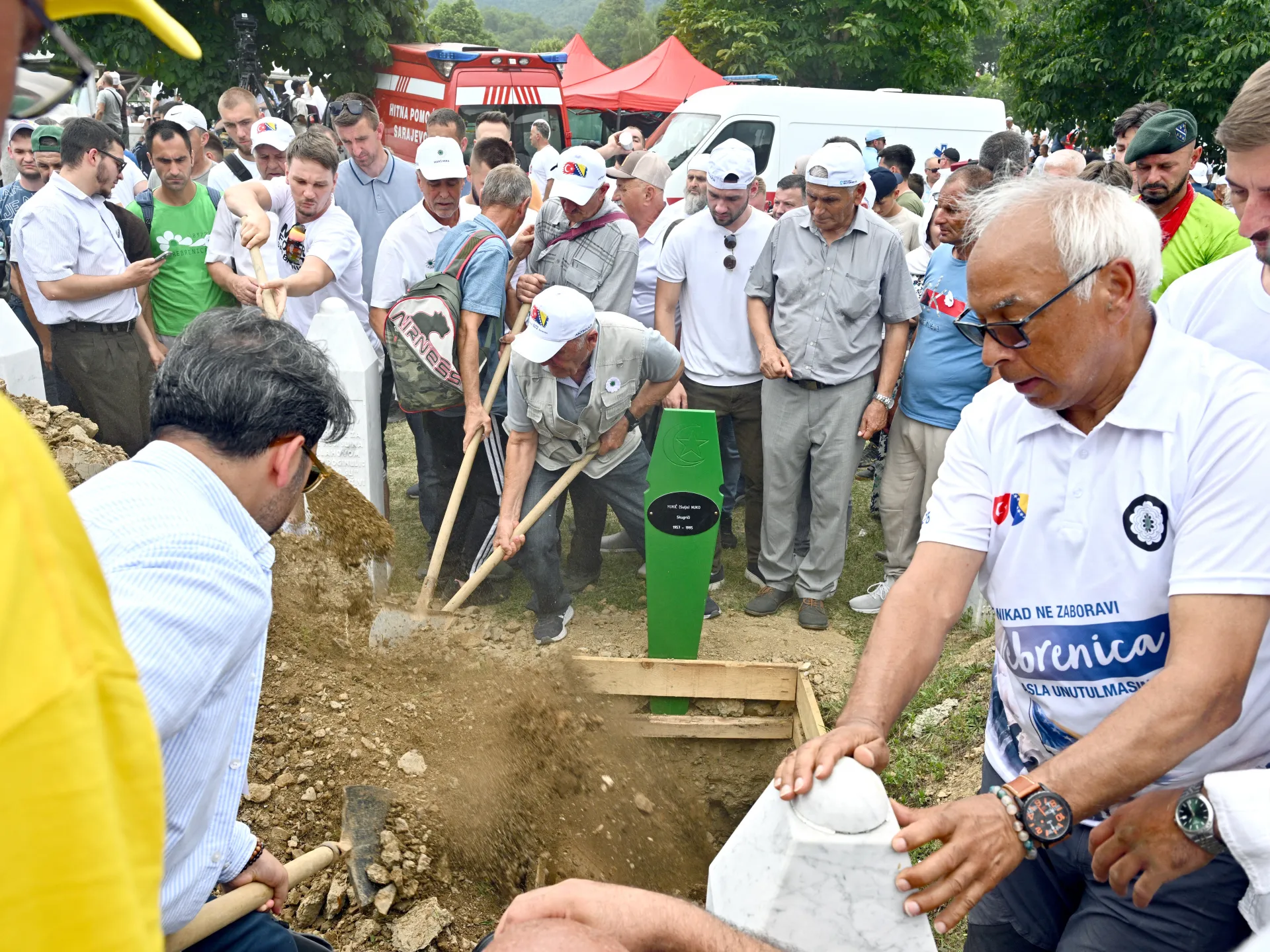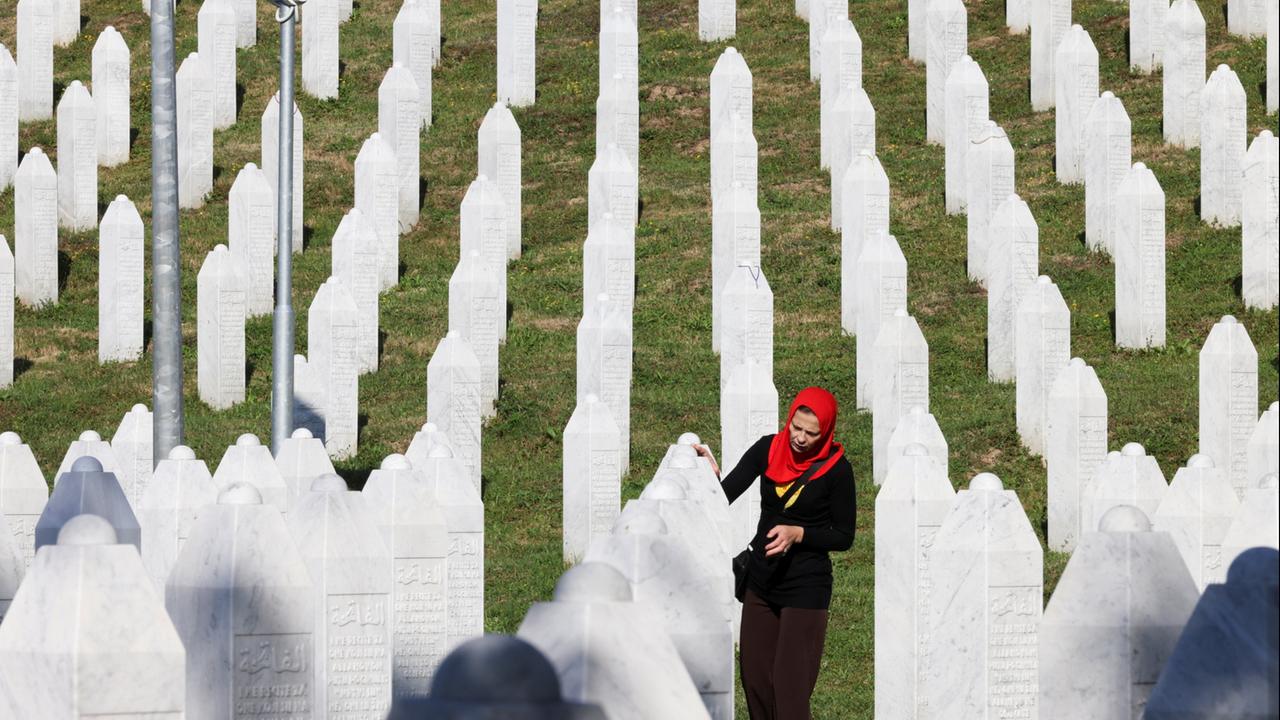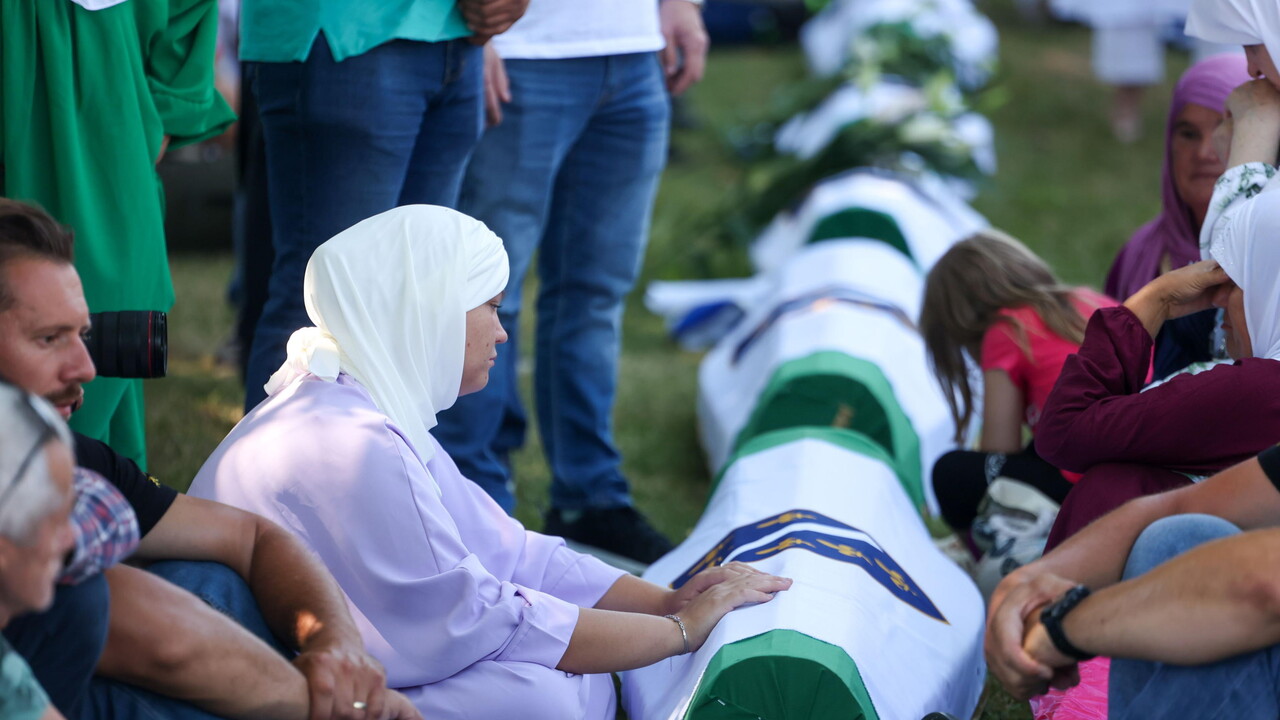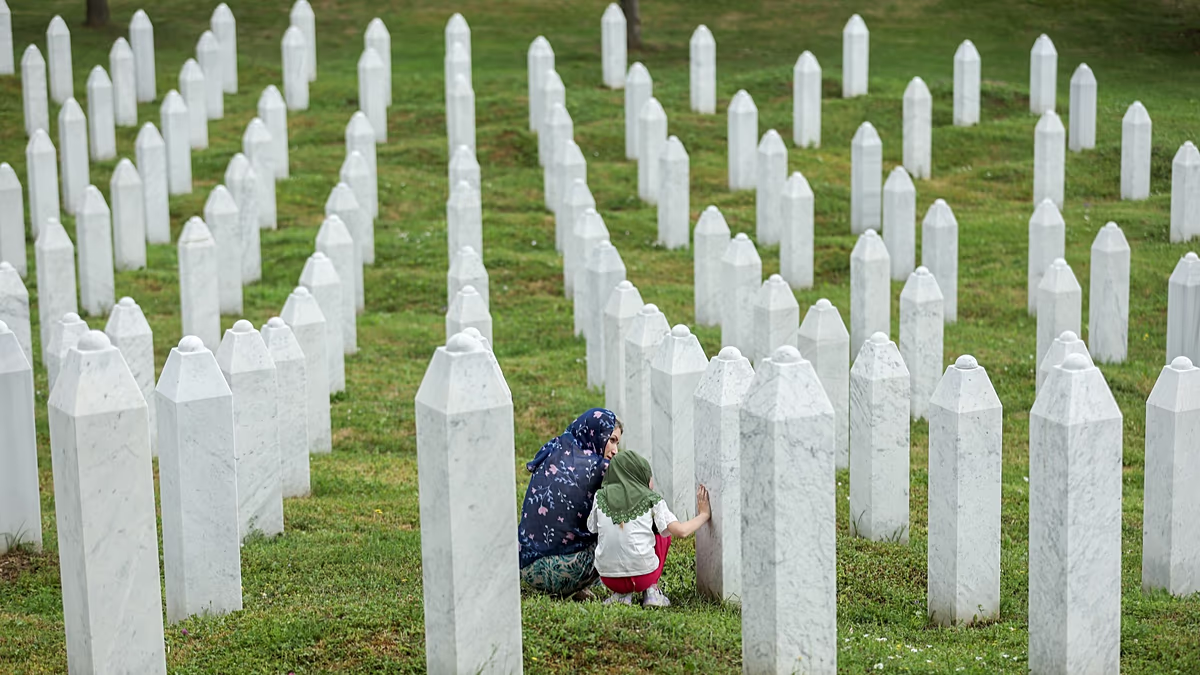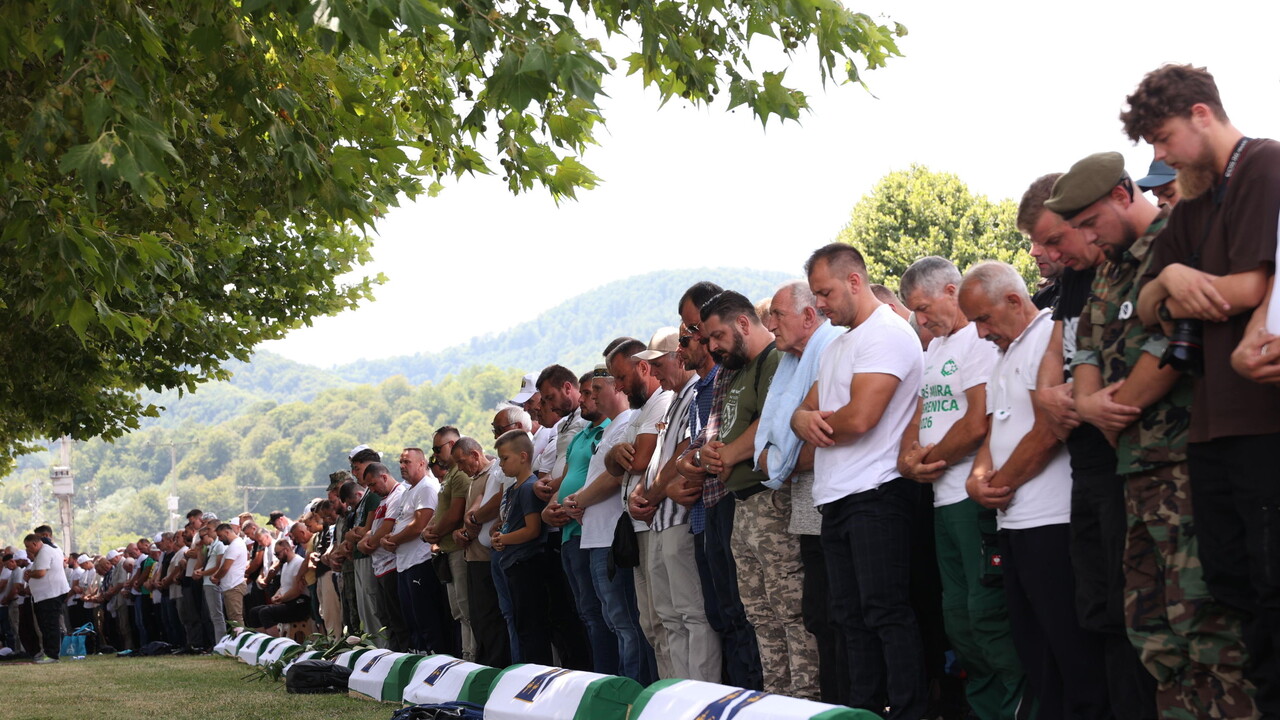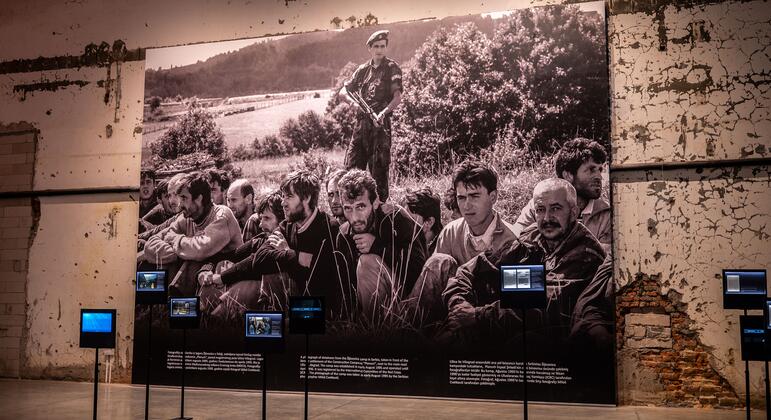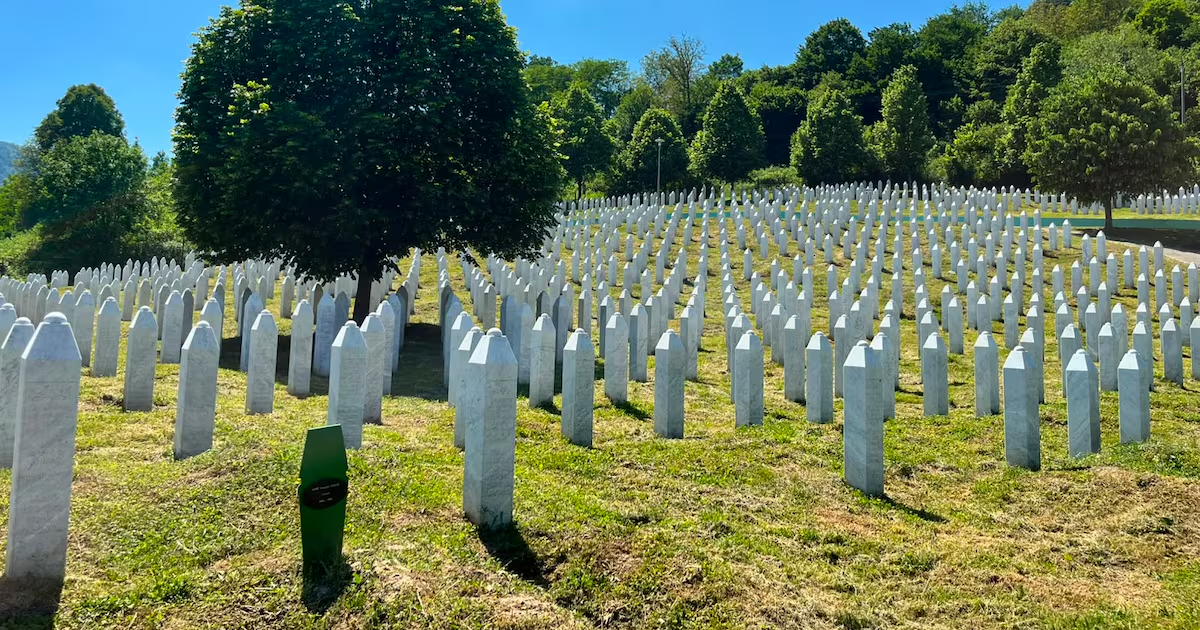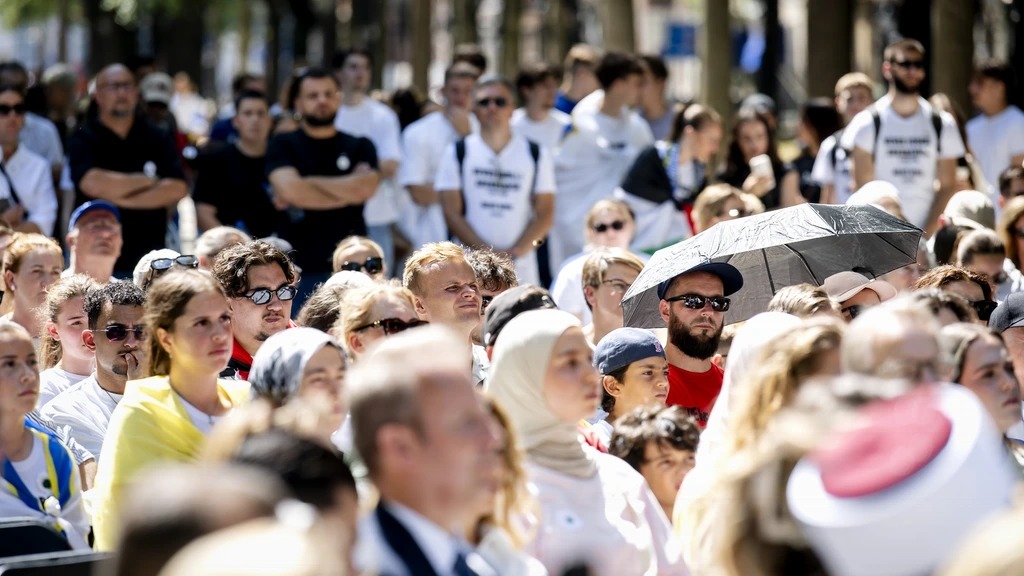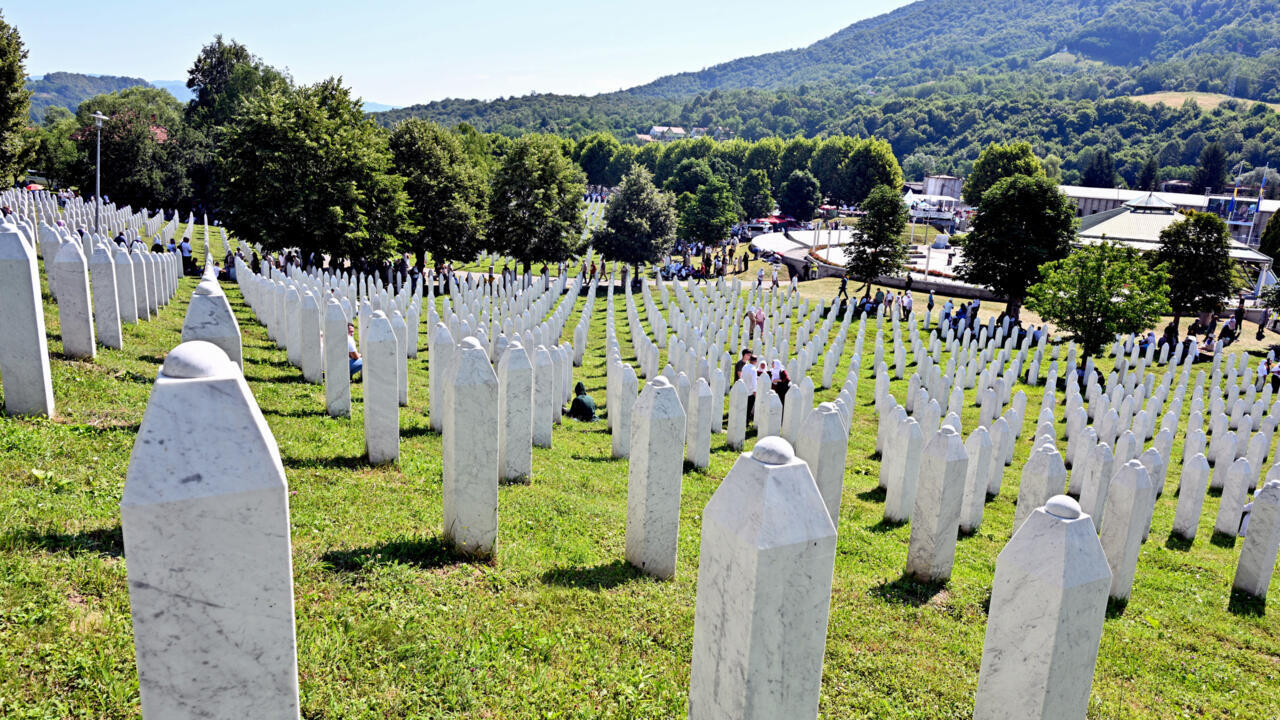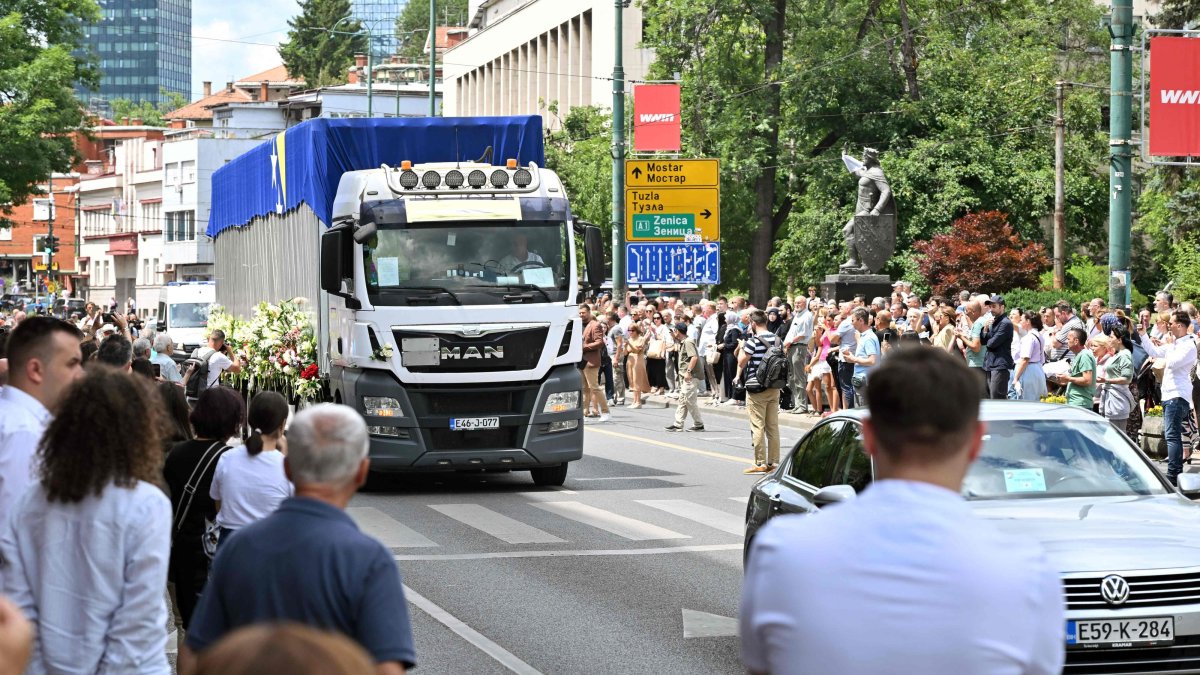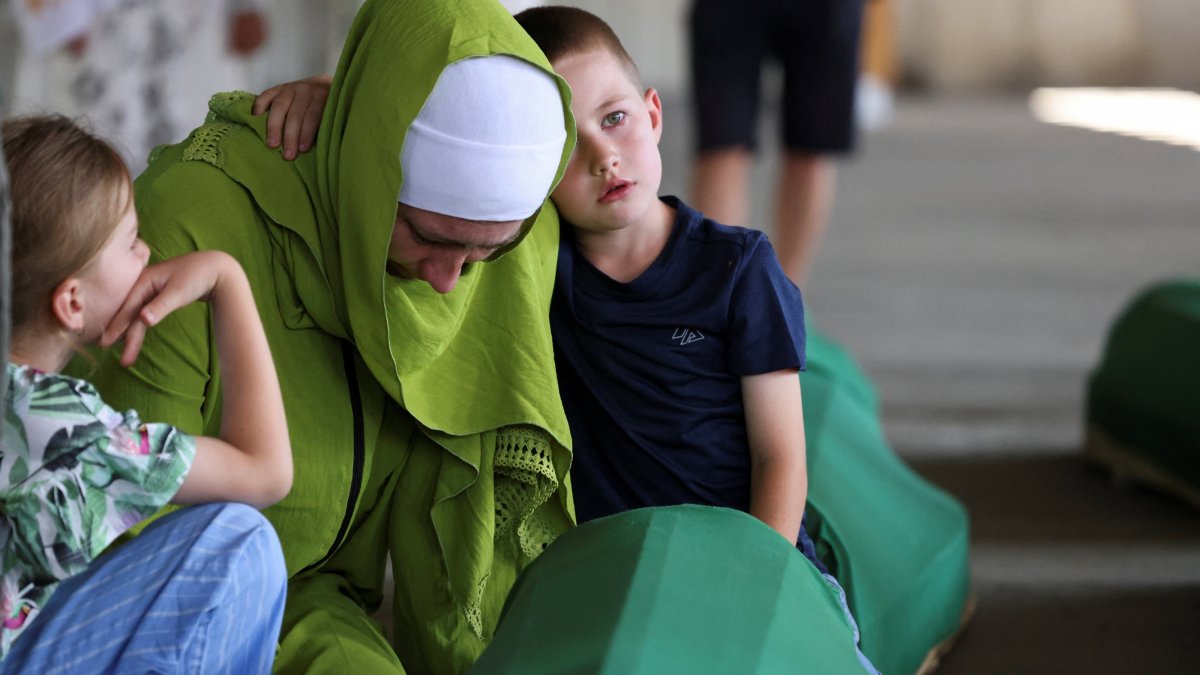
On July 11, as thousands gather beneath the white marble headstones of the Srebrenica-Potocari Memorial Centre, 10 more victims of Europe’s worst atrocity since World War II will be laid to rest. Most were young men in their 20s and 30s. They had mothers waiting for them, wives expecting them, children who would grow up without fathers. In July 1995, they fled through the forests of eastern Bosnia after the United Nations “safe area” of Srebrenica collapsed before the eyes of the international community. They believed they might still reach free territory.
Instead, they walked into history’s largest mass execution on European soil in half a century. Thirty-one years later, only fragments of their bodies have been recovered. Some families will bury only a few bones. The rest may never be found. That is why Srebrenica is not history. It remains an unfinished crime.
So many years later, around 80 families are still waiting for enough remains of their loved ones to conduct a burial. Many have recovered only a handful of bones. Others refuse burial altogether, hoping that one day another excavation will uncover enough to bury a son, husband or brother with dignity.
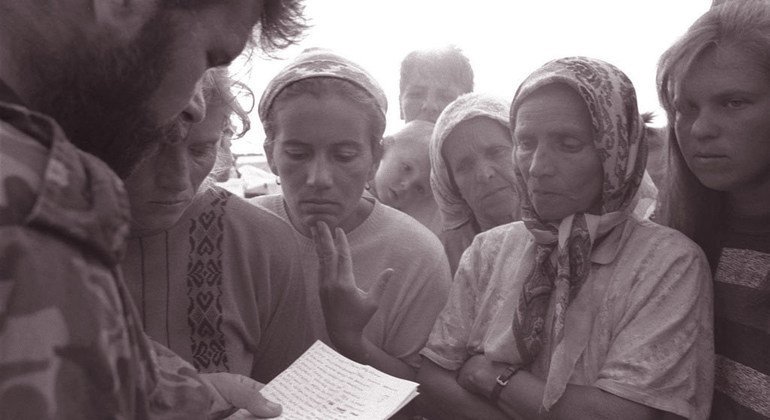
For these families, time itself has become another form of violence. Over the years, I have spoken with countless mothers and widows who have waited decades for a phone call from investigators. Again and again, they tell me the same thing: there can be no closure without a grave. Without a place for prayer. They feel forgotten.