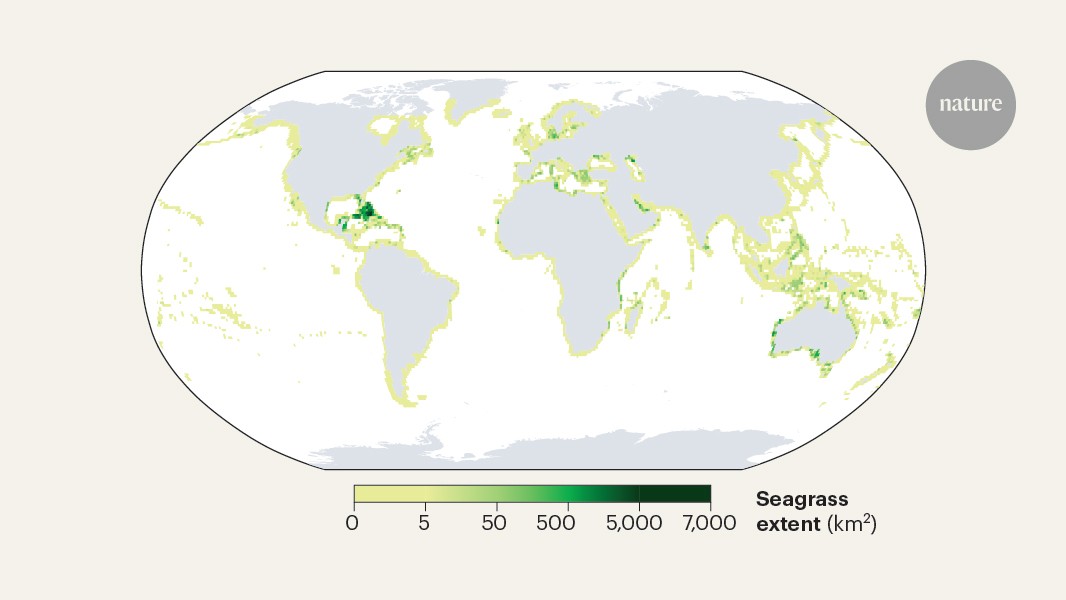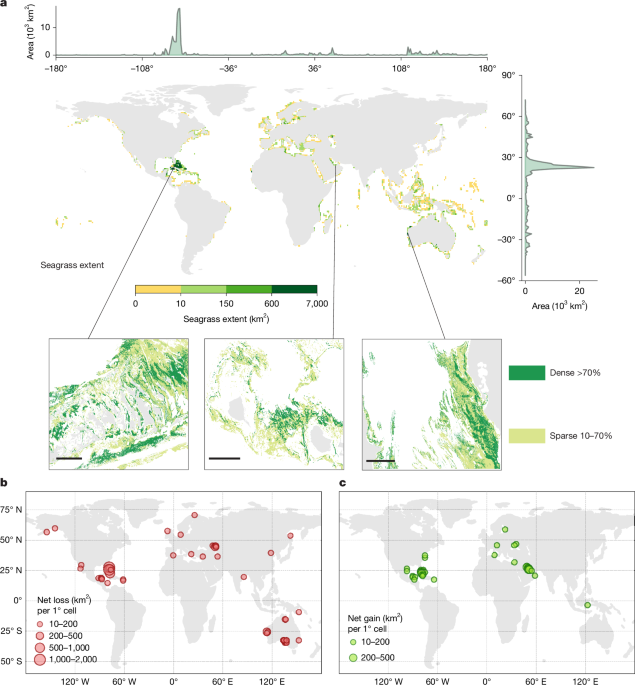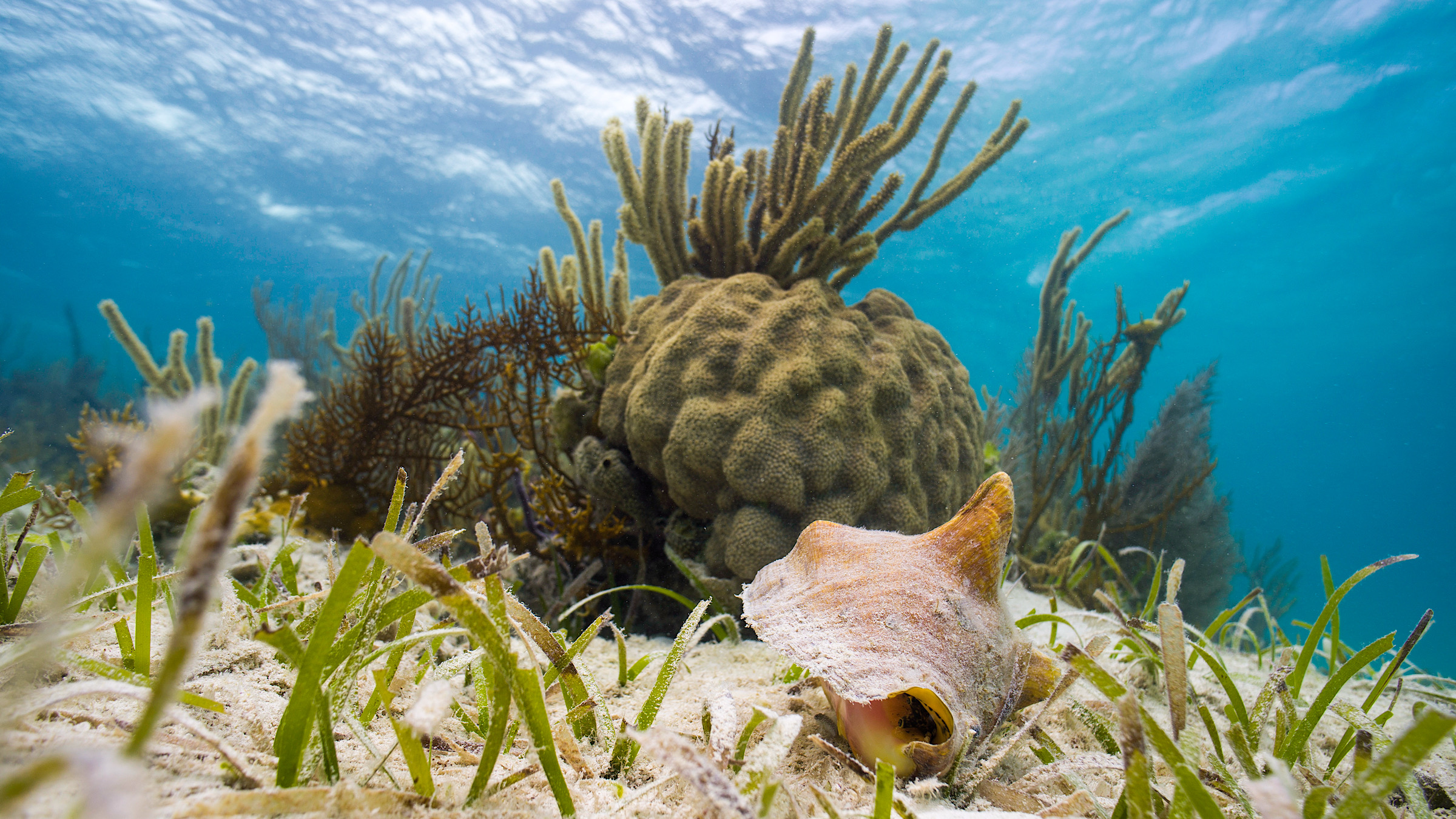
Scientists have produced the first high-resolution map of seagrass ecosystems around the world.Data from the map reveal that 70% of global seagrass cover is concentrated off the coasts of just five countries.The map also found that nearly 80% of seagrass loss happened outside marine protected areas, emphasizing the importance of targeted conservation action.Seagrass ecosystems play an important role in protecting coastlines and carbon sequestration; however, they face threats from hurricanes, coastal development, and marine heat waves.
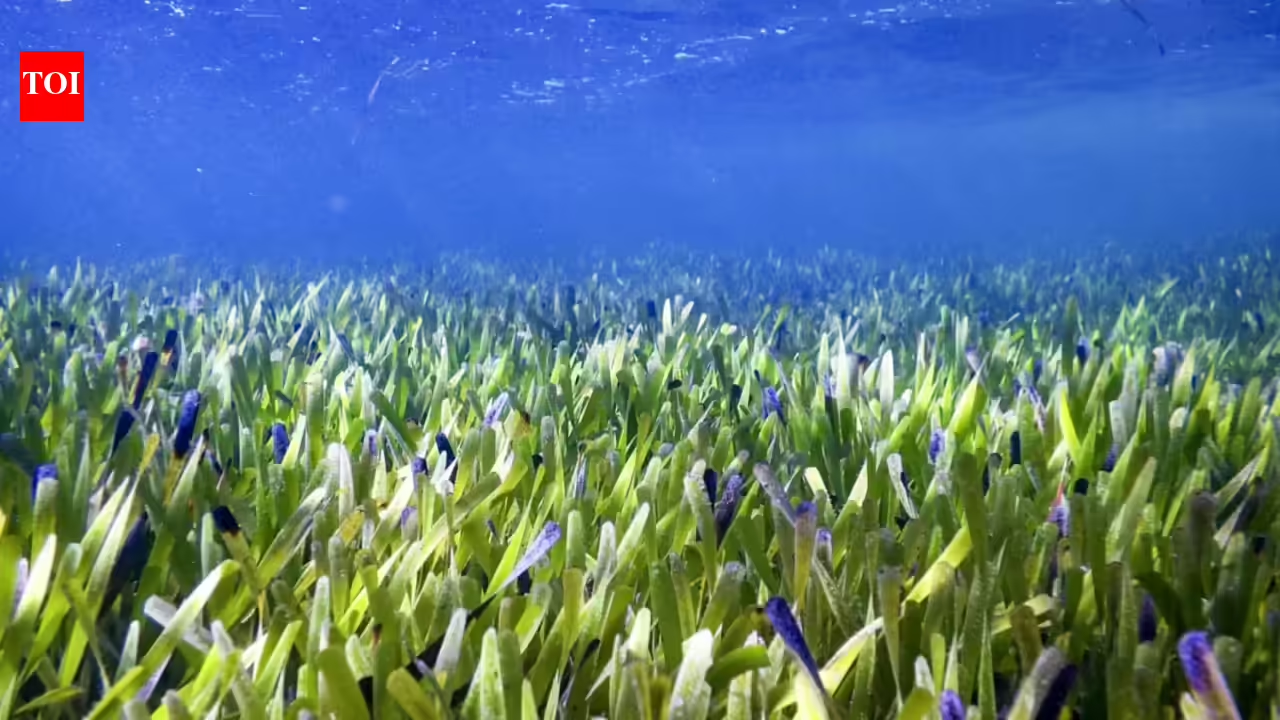
Almost 70% of the global extent of seagrass meadows is found off the coasts of just five countries. However, only 21% of this fall within marine protected areas.
These are some of the key findings from the first high-resolution map of seagrasses around the world.
Scientists at Arizona State University in the U.S. used satellite imagery and artificial intelligence to map seagrass cover over two periods, 2019-2020 and 2023-2024. According to a study, recently published in the journal Nature, the team identified “148,506 km2 of seagrass globally,” or about 57,340 square miles, a combined area larger than England, with the majority lying in subtidal areas.
“We wanted to map seagrass in a very accurate manner,” Jiwei Li, an assistant professor at ASU’s School of Ocean Futures, who led the study, told Mongabay in a video interview. “And tell people where the seagrass is and where there is potential to protect it.”