Patients, hospitals and drugmakers will shoulder the savings burden
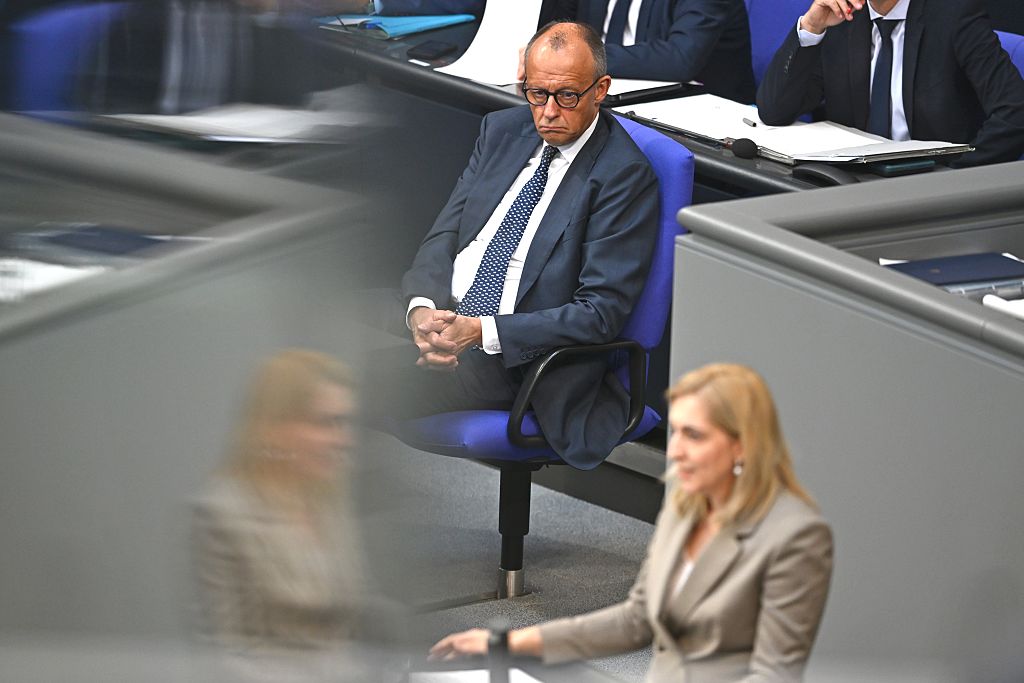
Despite fierce protests from the health sector and the opposition, the German parliament has approved a cost-cutting bill to bring health insurance spending under control.
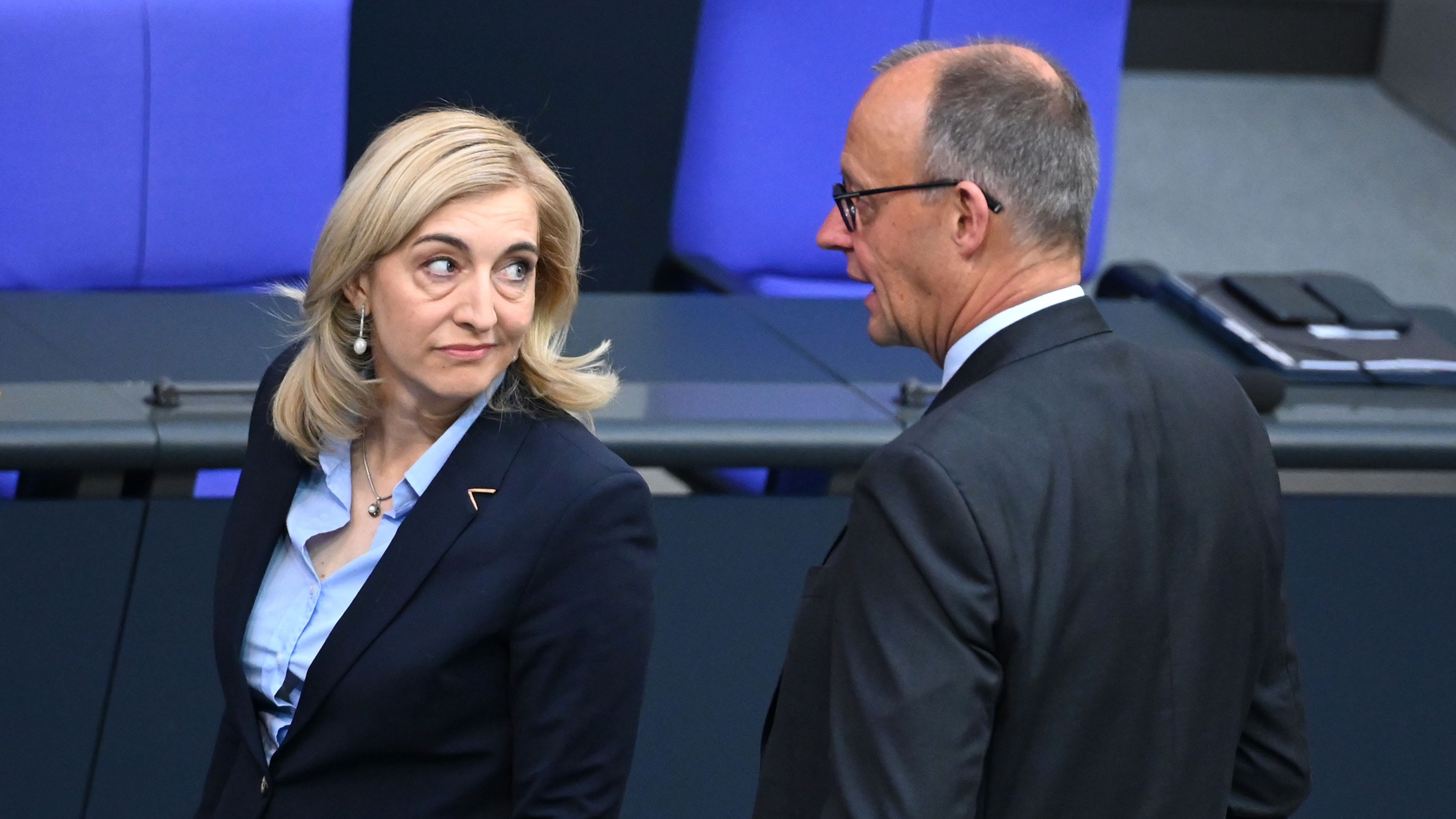
The new legislation, known as the GKV Beitragsstabilisierungsgesetz, is one of Chancellor Friedrich Merz’s flagship reform projects and is intended to prevent Germans from having to pay even more for health insurance. Currently, 17.5 per cent of gross salaries is contributed to the statutory health insurance system, with employers and employees sharing the cost equally.
The law will curb spending on doctors, hospitals, pharmacies and medicines. The pharmaceutical sector is also set to bear part of the burden, with the industry association vfa estimating a €4 billion hit to revenues in 2027 alone. Insured patients, in turn, will have to pay more for medicines, while free co-insurance for spouses will be restricted.
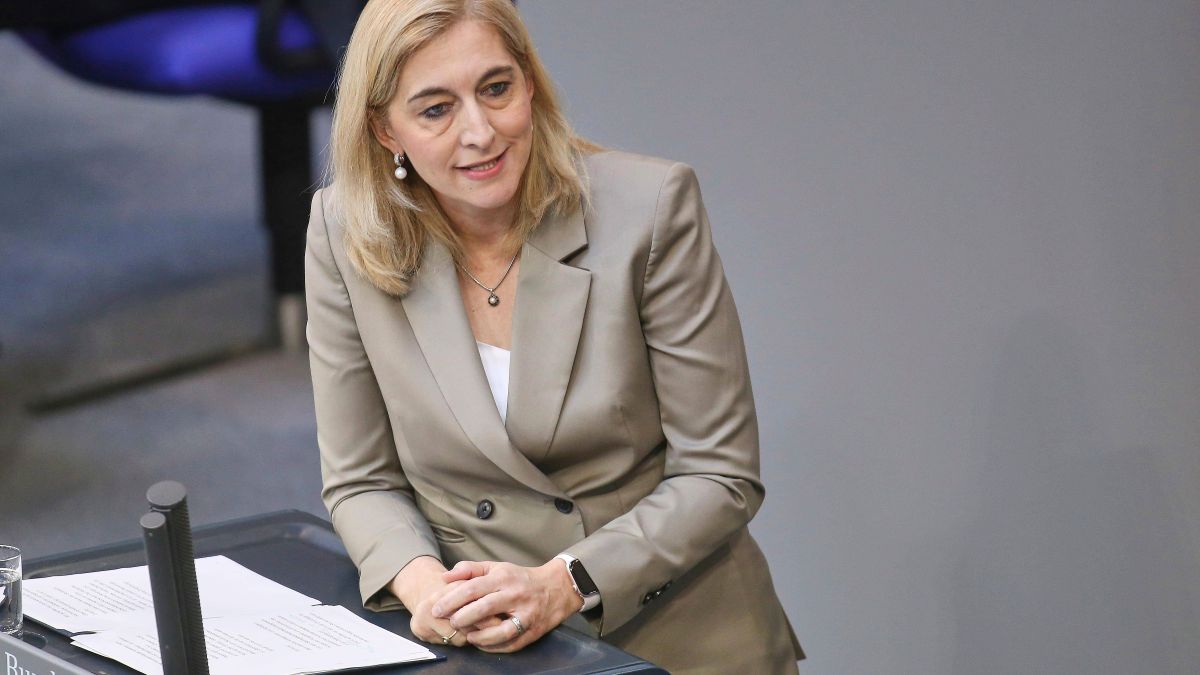
“With savings of almost €19 billion required in the coming year alone, it is clear that there will be noticeable changes and that this law will place demands on all sides,” Federal Health Minister Nina Warken said. “In future, we want to make do with the money we have and only pay for what is useful.”