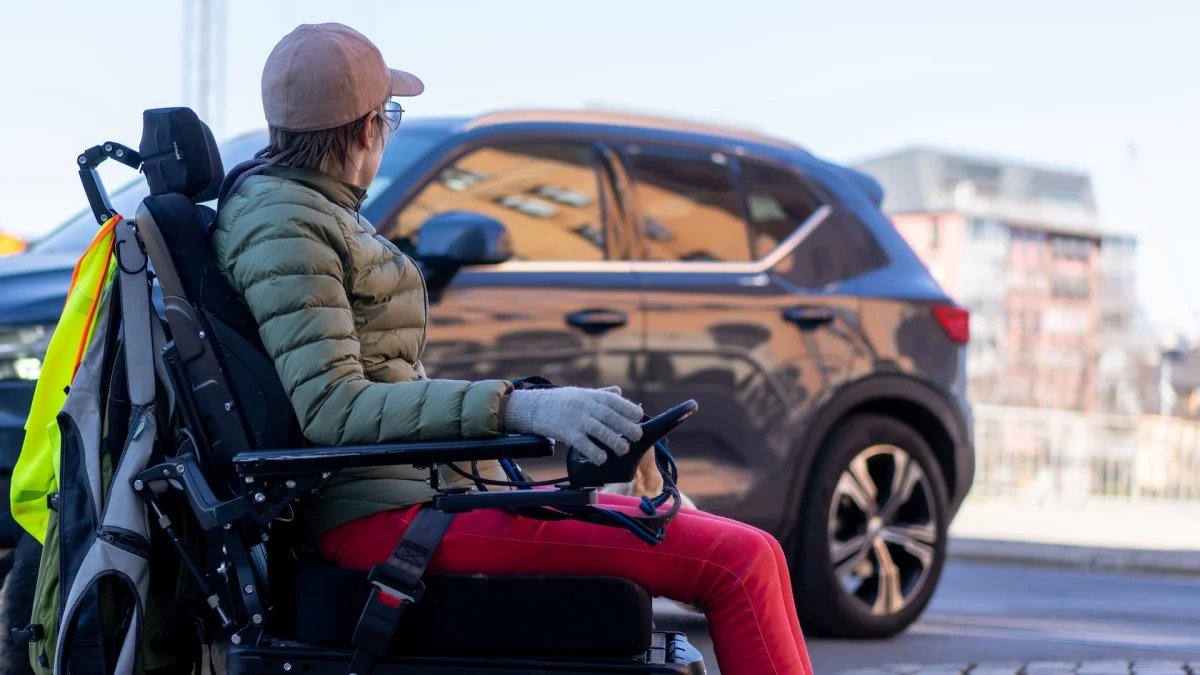
For most wheelchair users, everyday life is designed around the limits of accessible infrastructure.
A dropped kerb or a ramp may solve one obstacle, but steep hills, rocky trails, forest paths and staircases can still put entire destinations out of reach.
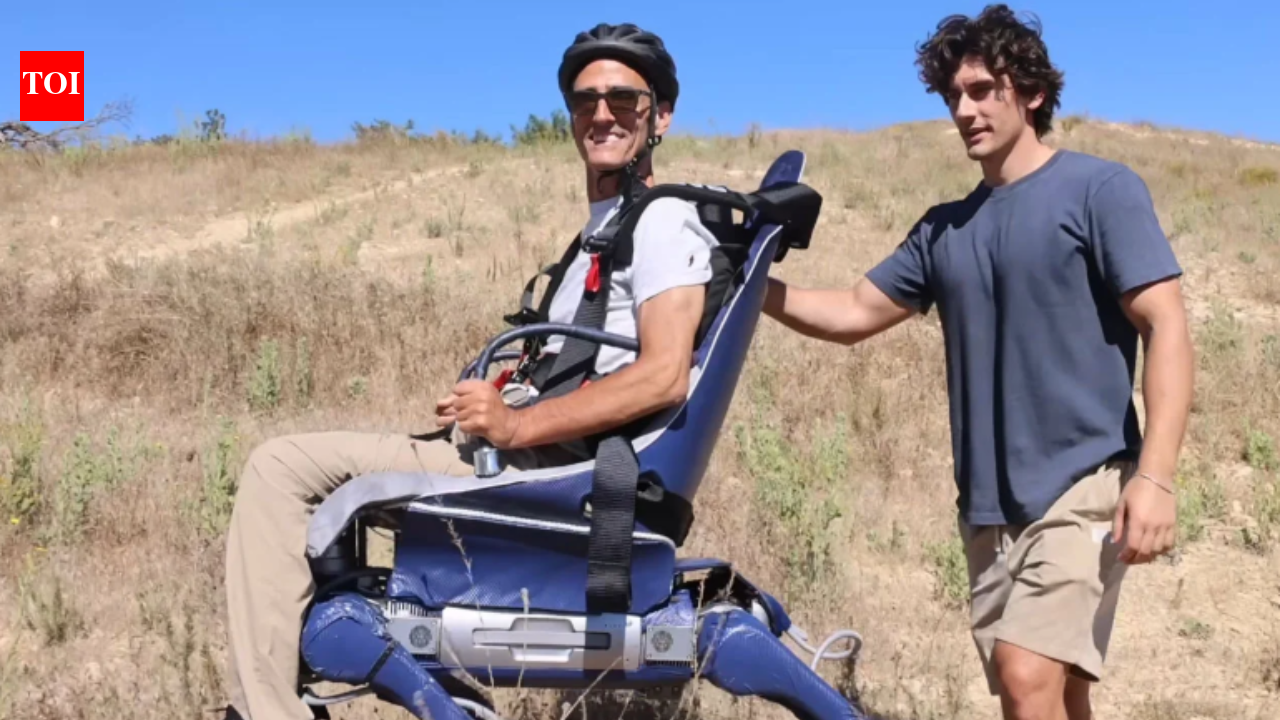
Rather than accept those limitations, American maker and engineer Jake Laser set out to build something entirely different for his father, who has lived with multiple sclerosis (MS) for the past 20 years.The result is what Laser calls the "bionic leg chair," a robotic mobility vehicle that combines advanced quadruped technology with a custom-built seat, allowing his father to travel across terrain that conventional wheelchairs cannot navigate.
By adapting an industrial robot rather than designing a mobility aid from scratch, Laser has demonstrated how robotics originally developed for industry could one day help redefine personal accessibility.An industrial robot becomes an all-terrain mobility aidAt the heart of the project is an industrial-grade quadruped robot built by Unitree, a robotics company known for developing agile, four-legged machines.
Unlike traditional robots that rely solely on legs, this platform uses a hybrid leg-and-wheel design, with powered wheels mounted beneath each robotic foot.That combination gives it the best of both worlds.