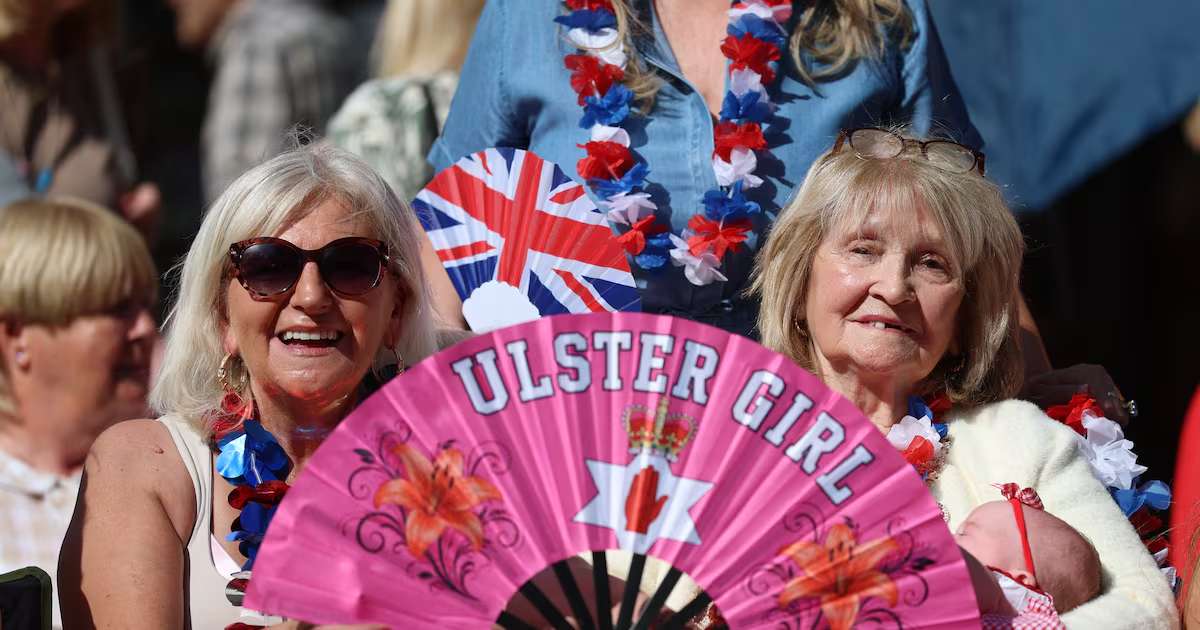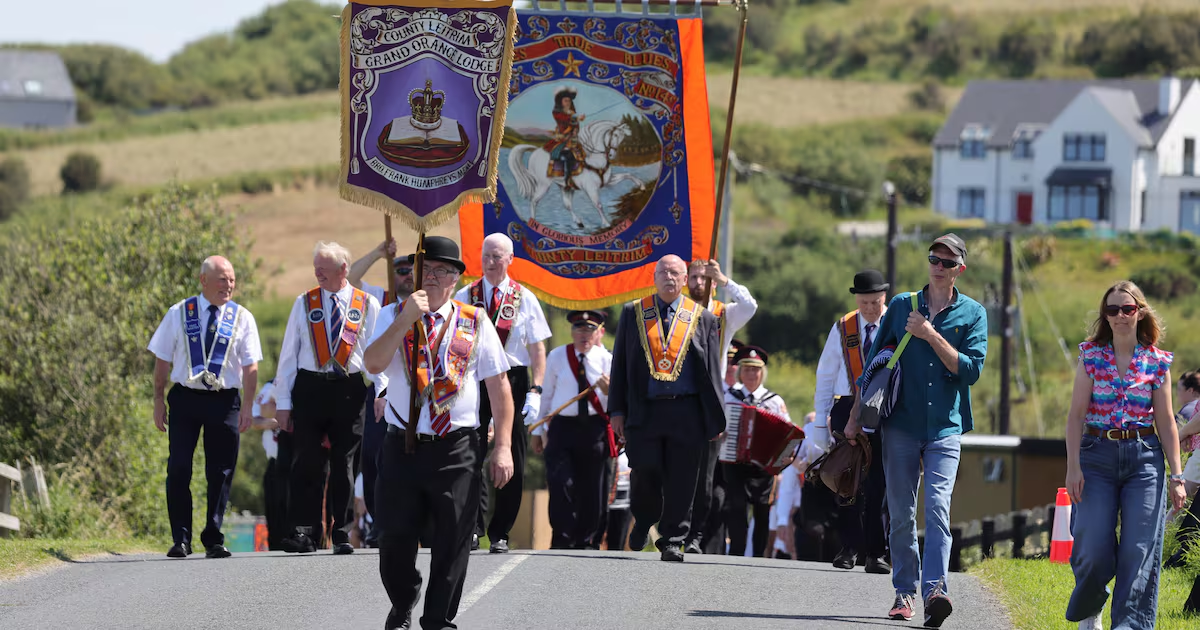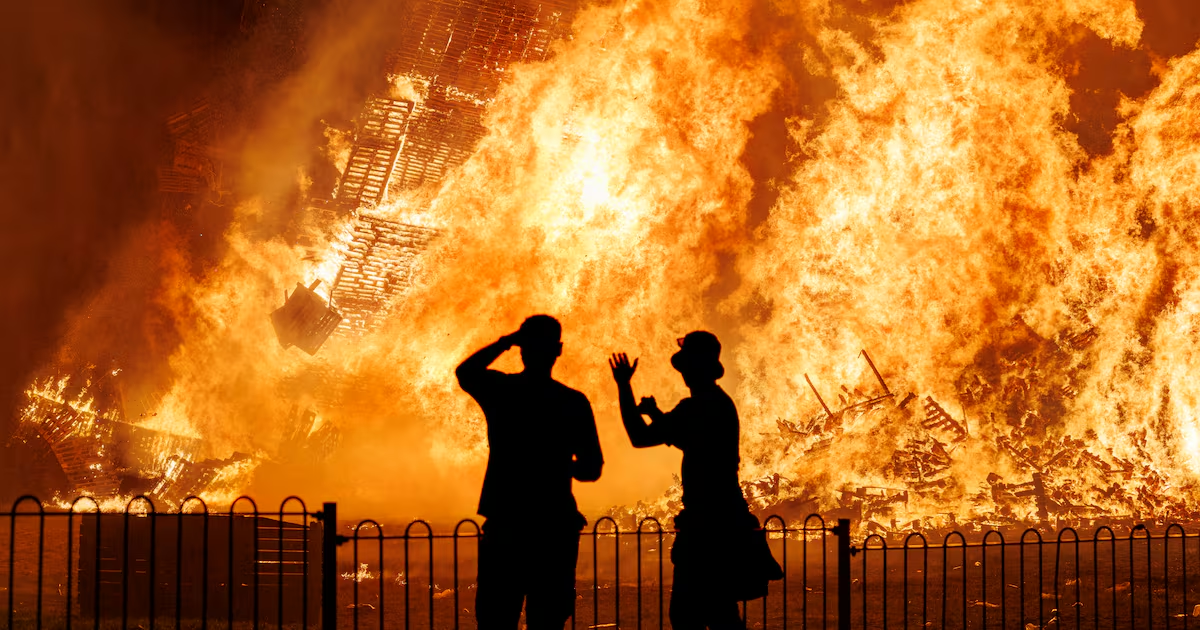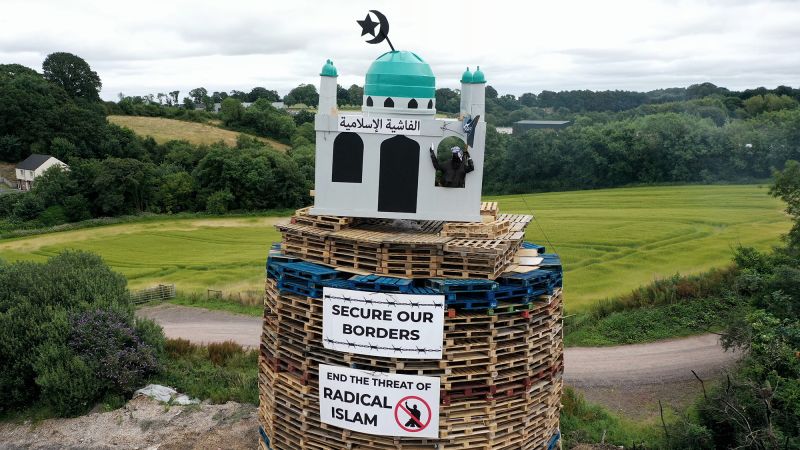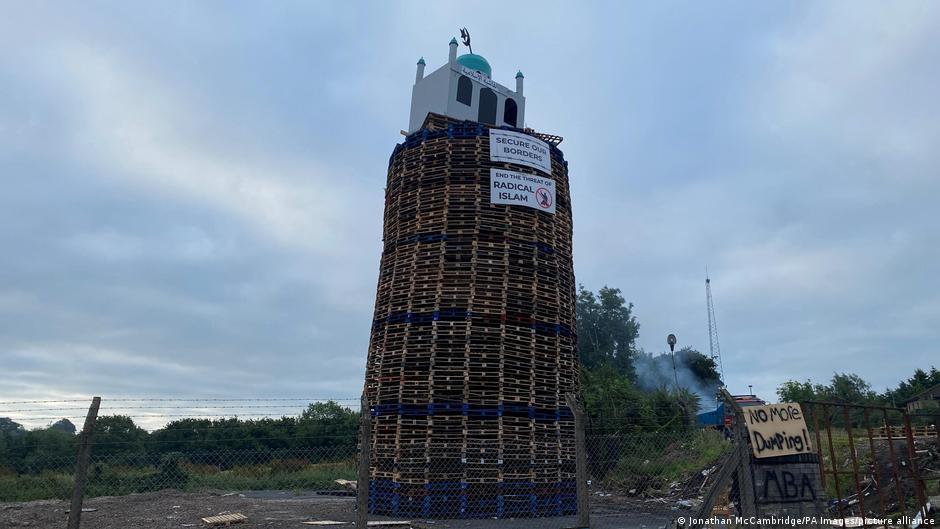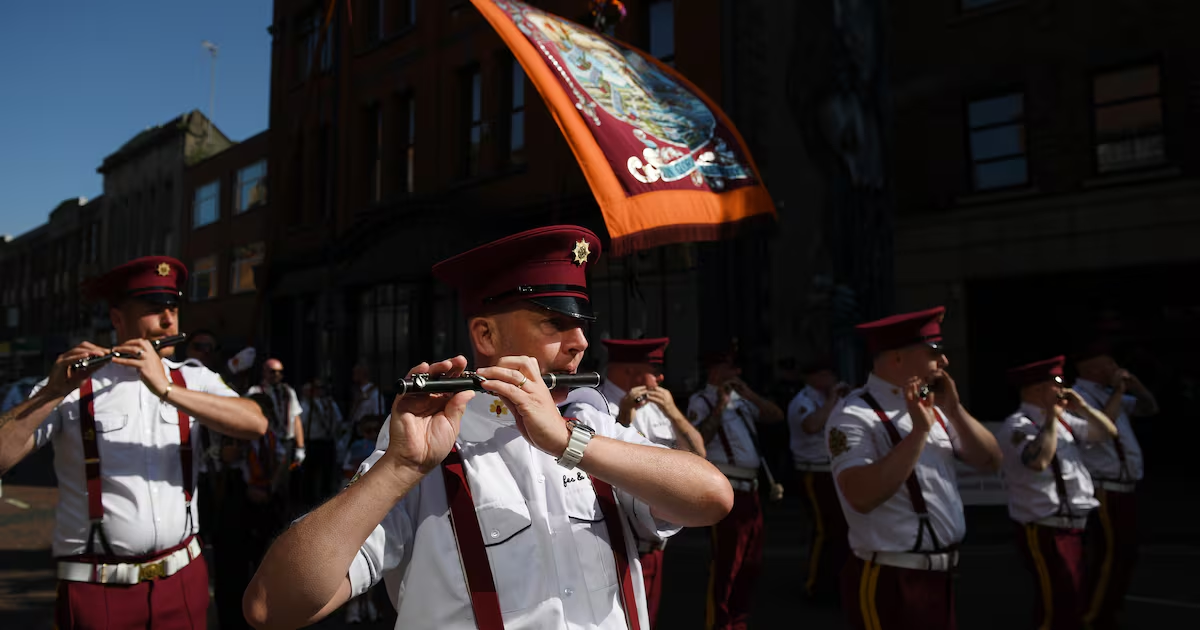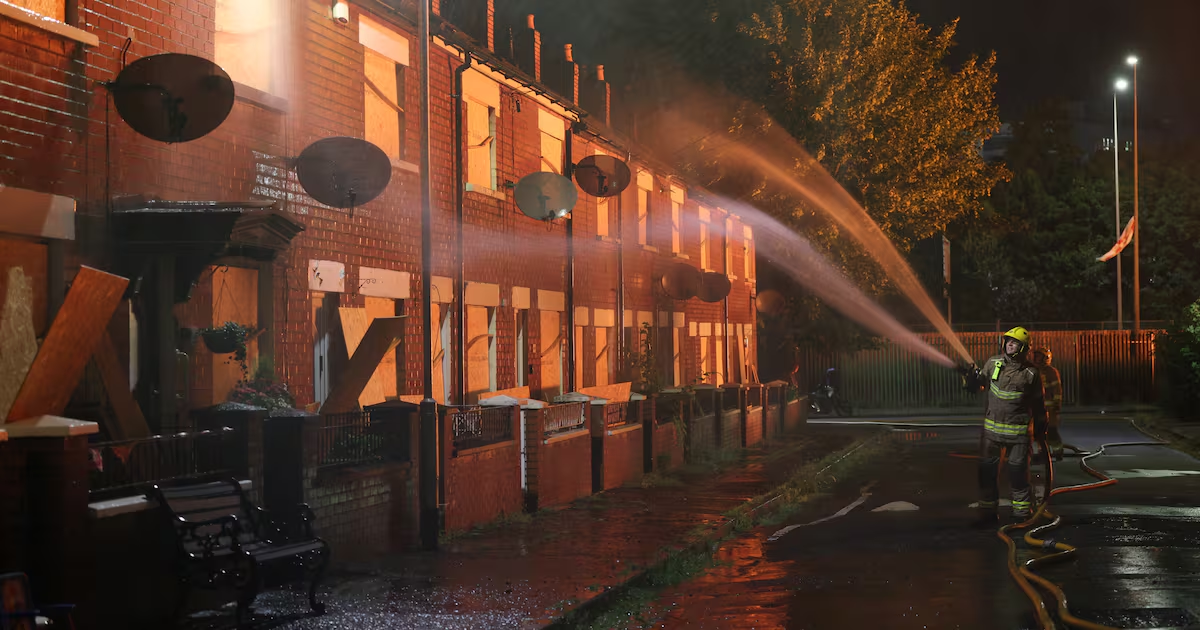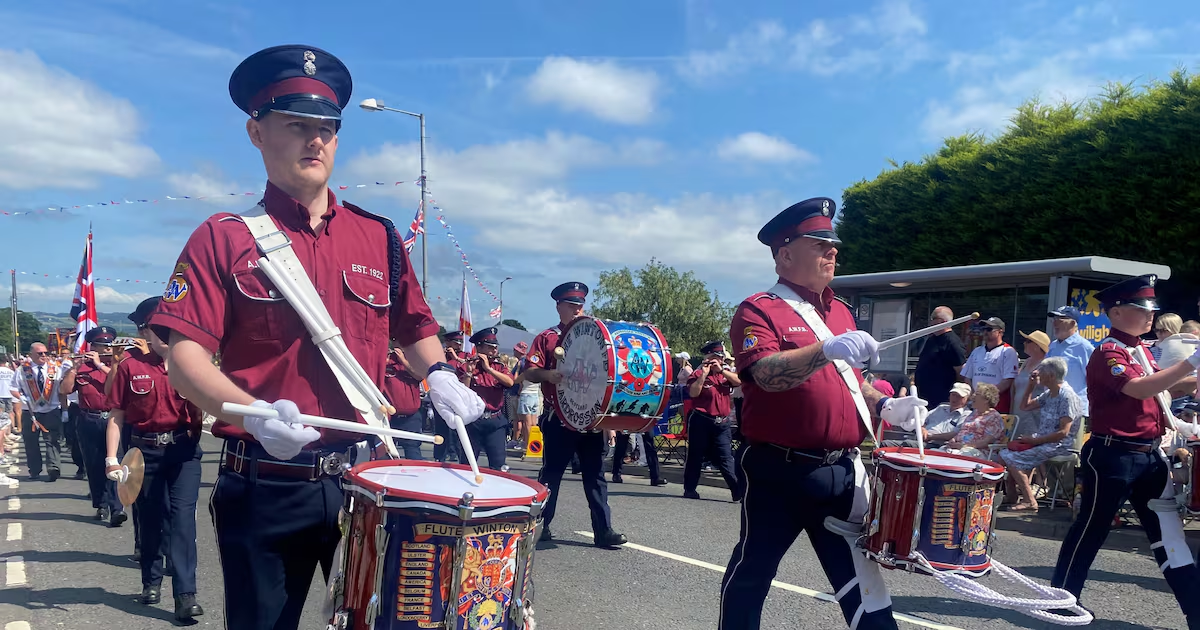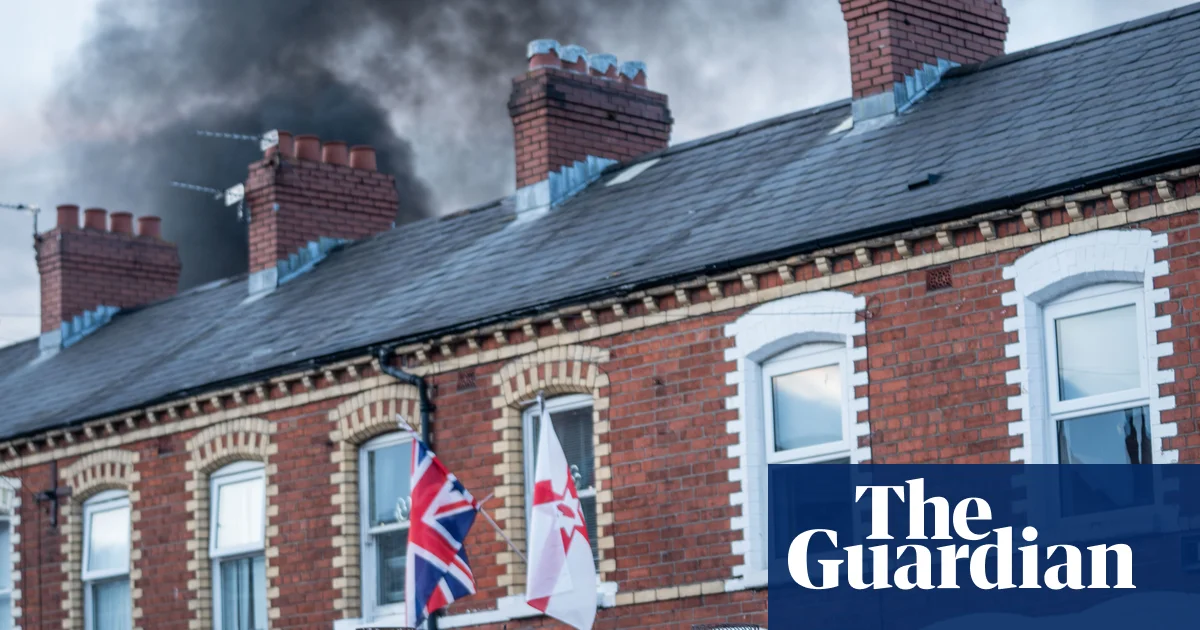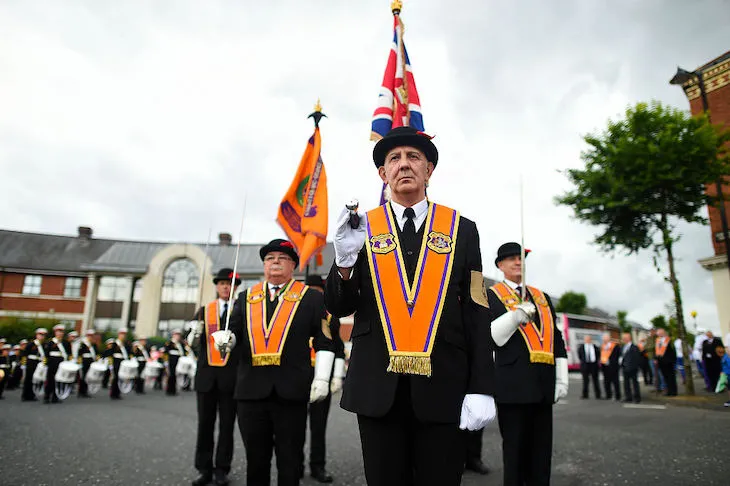
The annual Twelfth of July celebrations are about to take place in Northern Ireland, over a long and hopefully sunny Bank Holiday weekend. In some loyalist areas on Sunday night, there will be raucous street parties that culminate in the lighting of bonfires, some of them towering over 200 feet tall and constructed intricately from up to 300 rows of wooden pallets. Then, on Monday, members of the Orange Order will march through towns and villages across the province, to remember King William III’s victory in 1690 over James II, at the Battle of the Boyne.
In the decades since the trouble at Drumcree, the Orange Order has worked hard to improve its image
These traditions are frequently cited by critics as evidence that unionists in Ulster are ‘stuck in the past’ or used to imply that Northern Ireland’s sense of Britishness is alien to people in the rest of the UK. The parades, with their thundering Lambeg drums, military-style band uniforms and sash-clad Orangemen, can admittedly seem strange and aggressive to anyone who is not from the province or parts of the west of Scotland.
Some Irish nationalists have portrayed them, particularly in the past, as ‘coat-trailing’ exercises in intimidation. Infamously, in the 1990s, a stand-off over a Sunday morning parade to Drumcree church in Portadown sparked days of rioting and was linked to several deaths. The arguments over the march, which persist to this day, encapsulated many of the themes of other parading disputes that flared at that time.