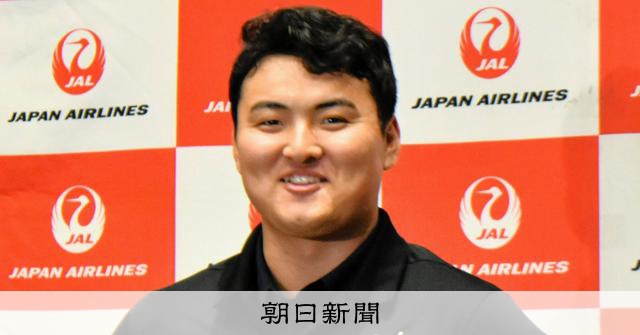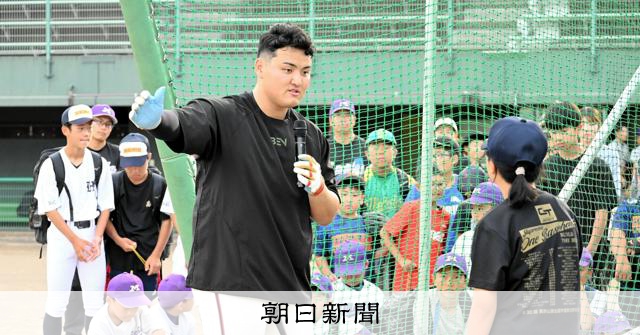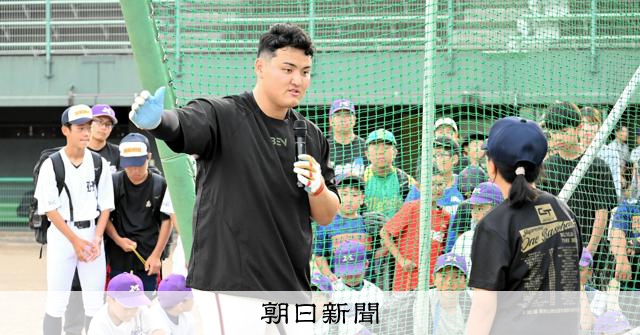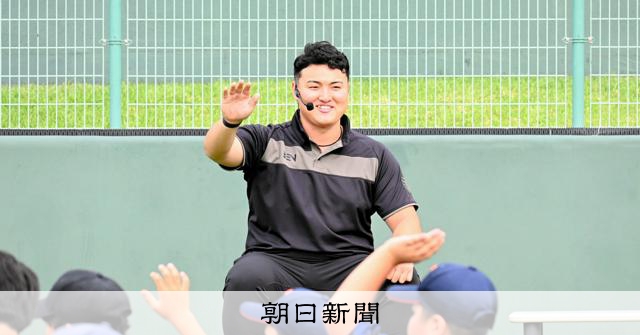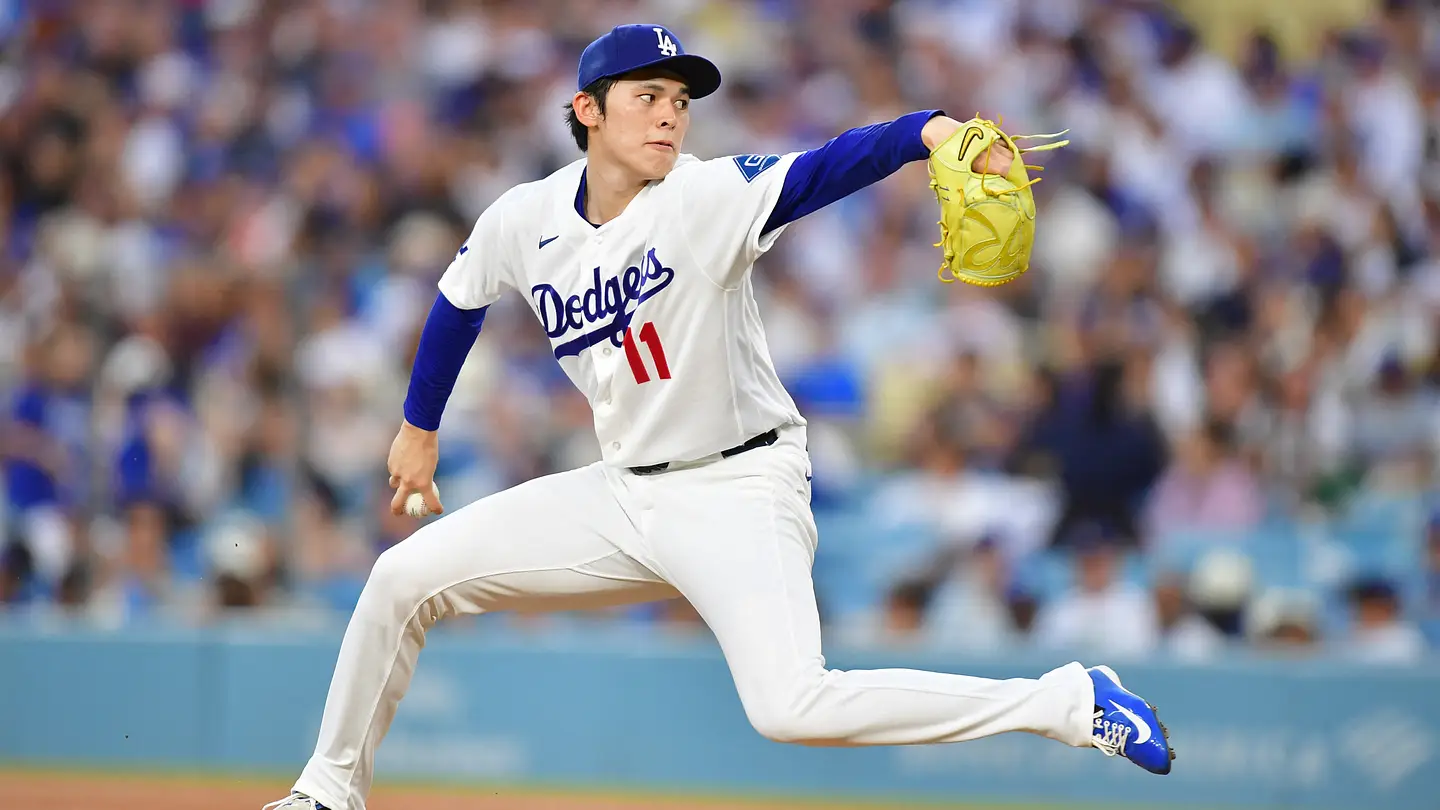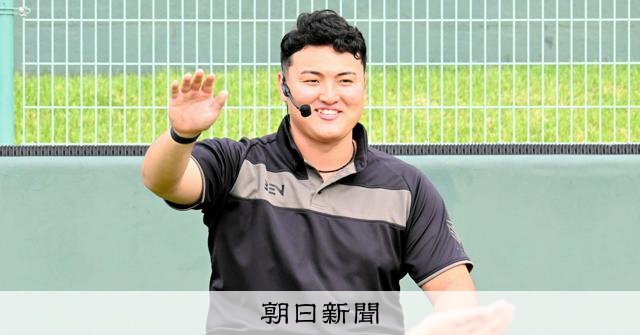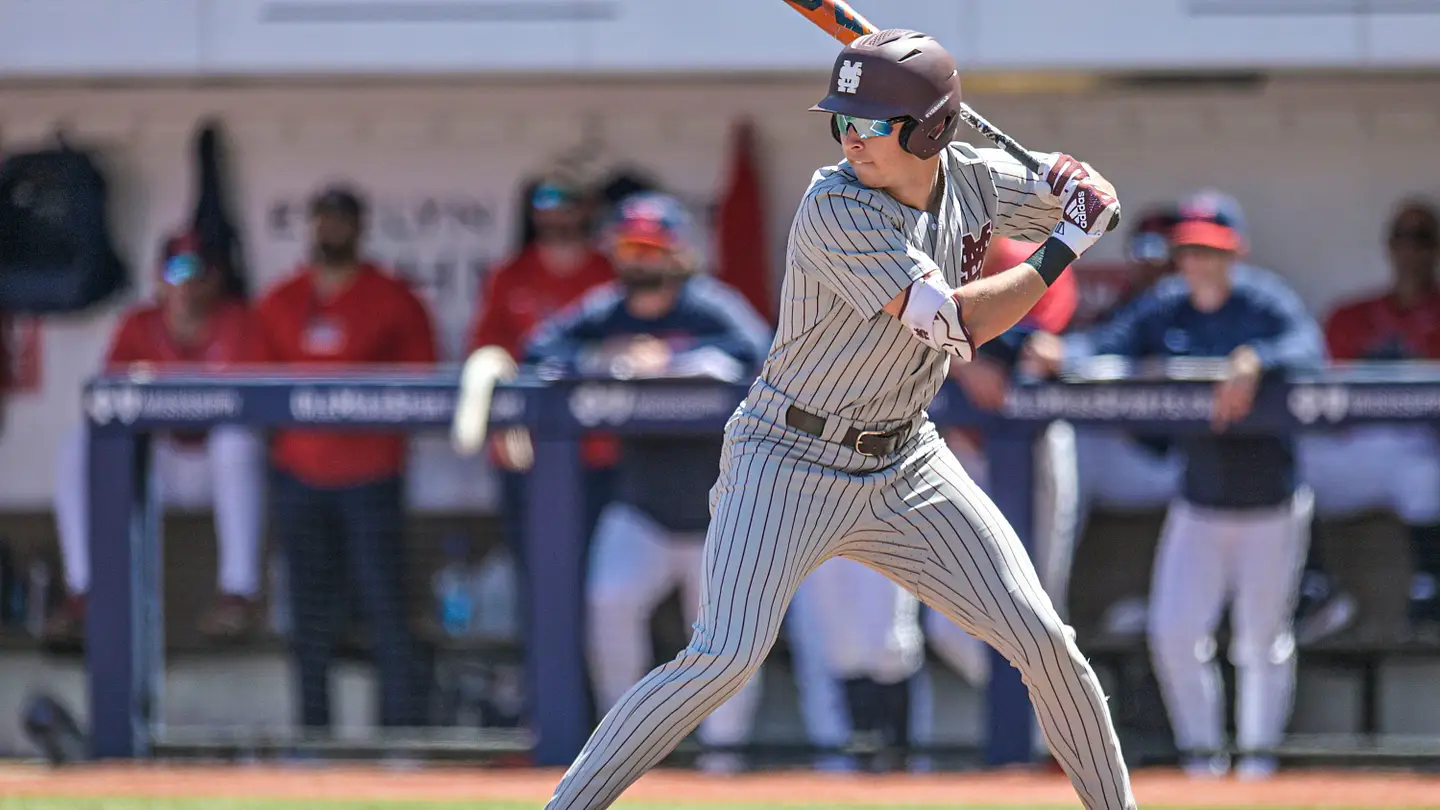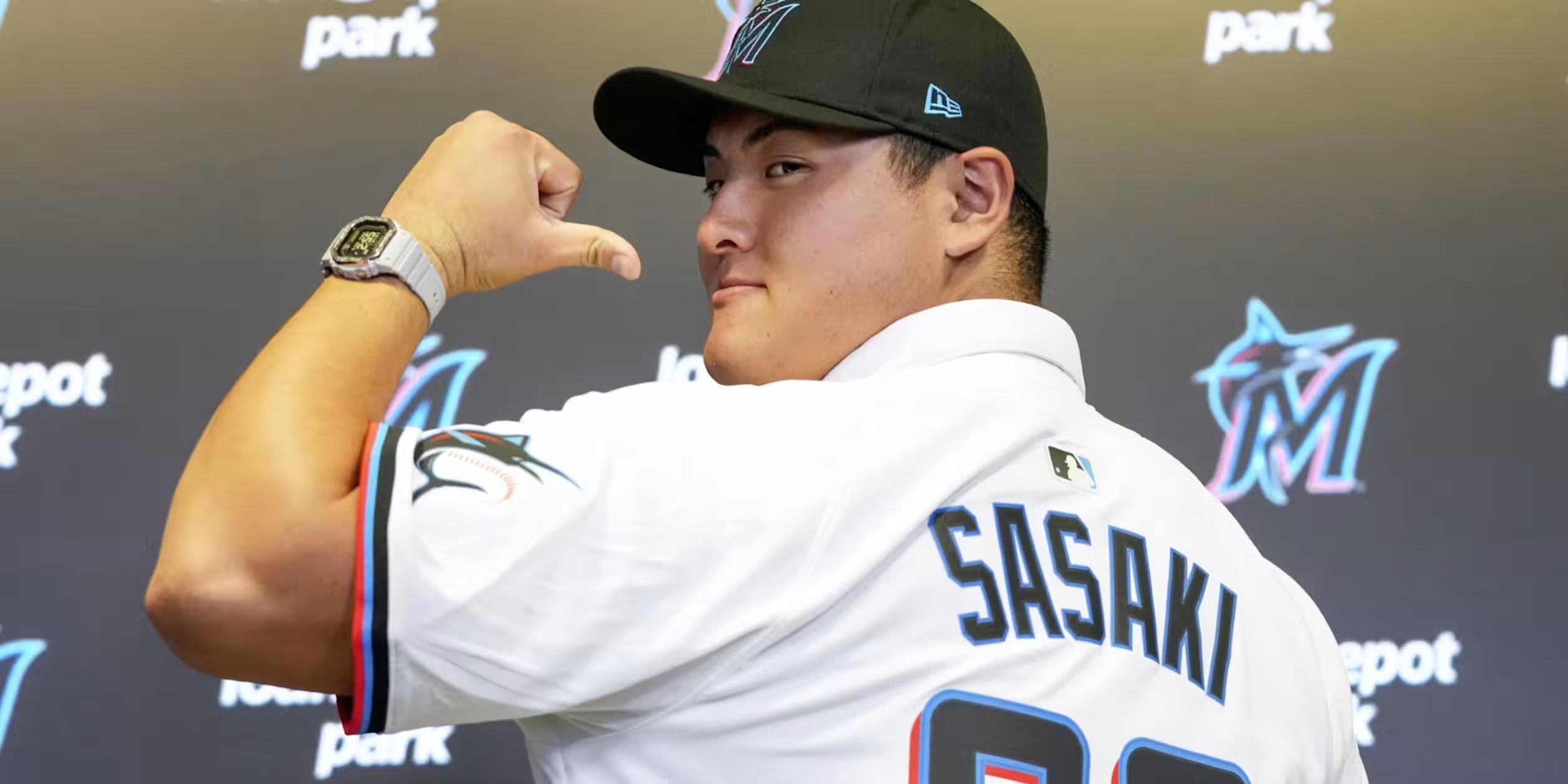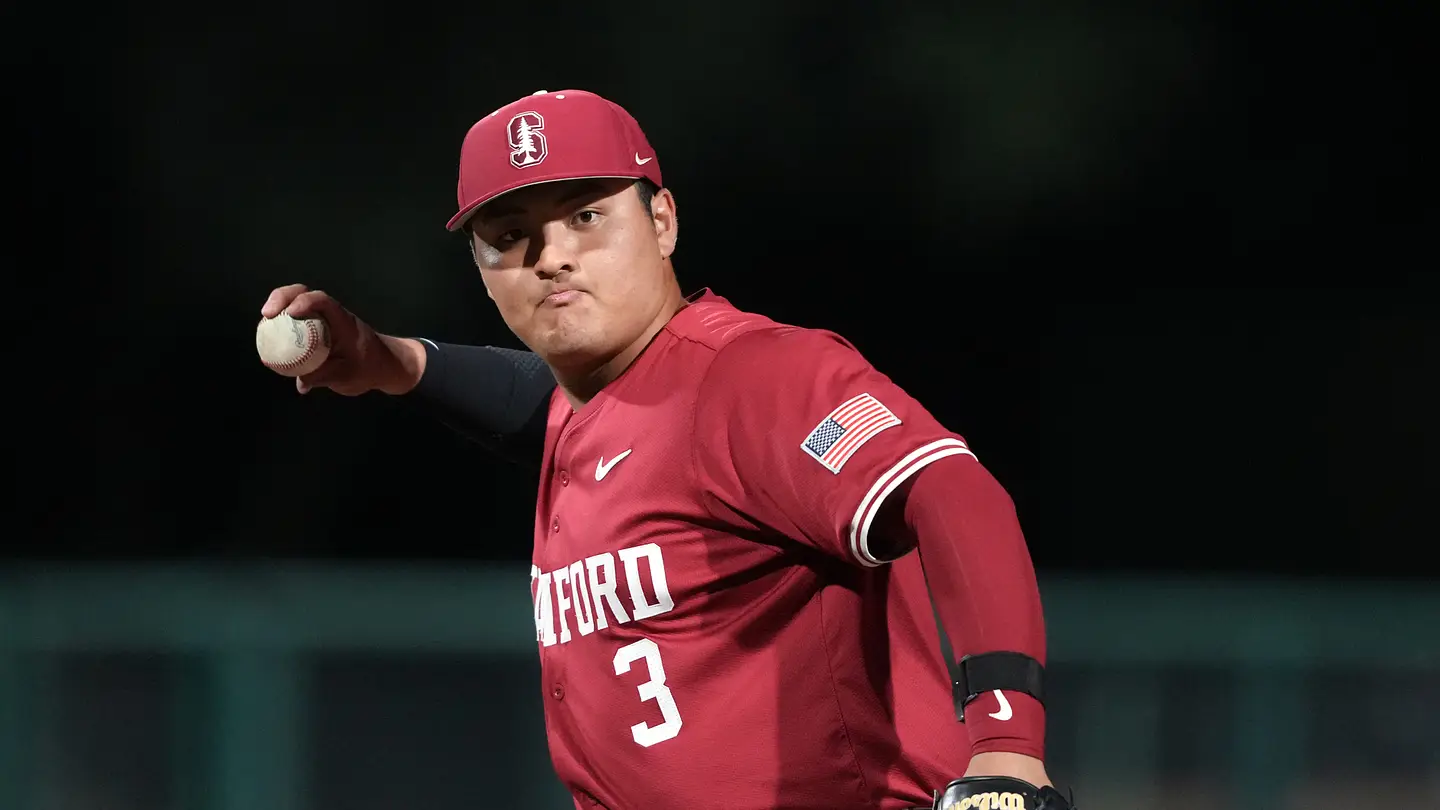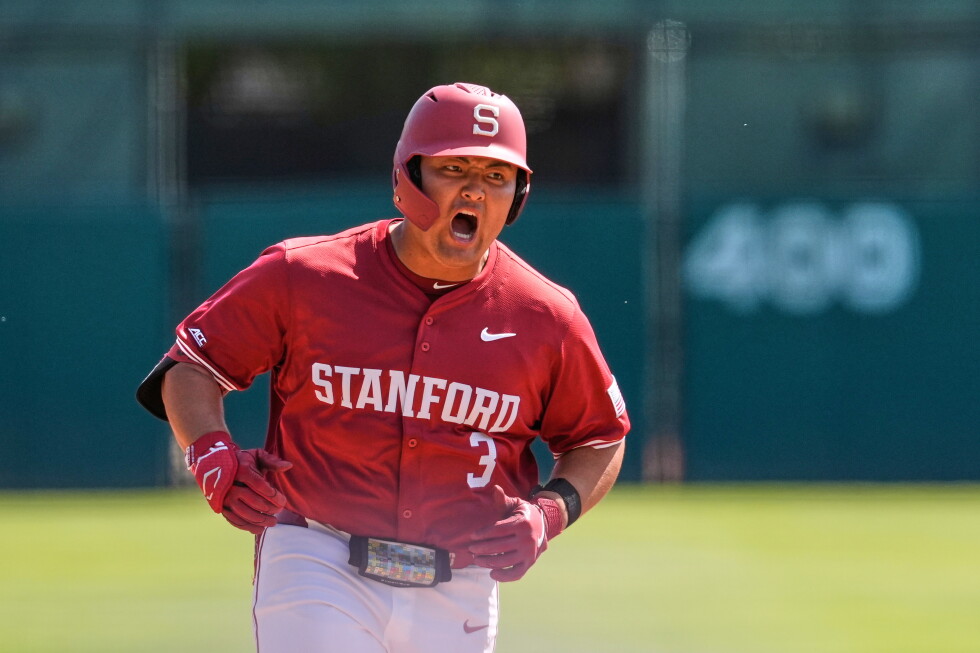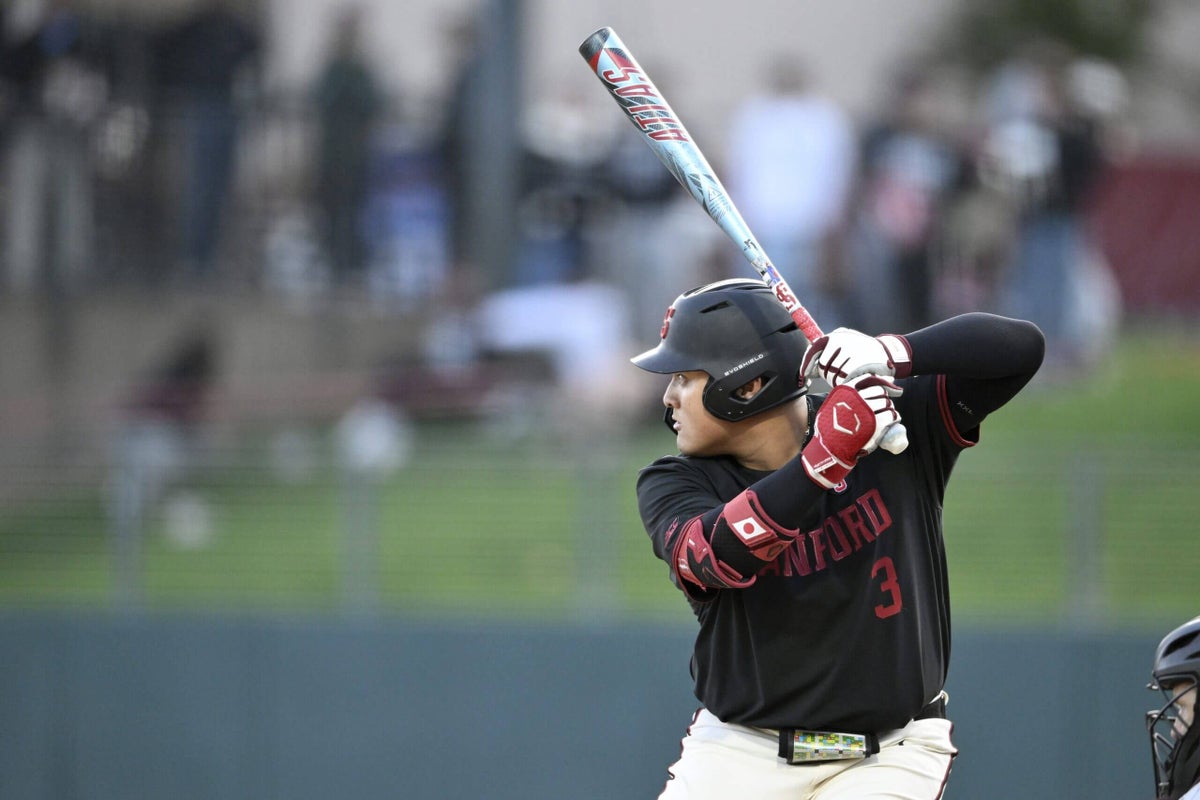
PHOENIX — The calm of a summer day in the sleepy Cape Cod town of Hyannis, Mass., was disrupted last July by the loud crack of slugger Rintaro Sasaki’s wood bat.Loren Hibbs, the head coach of the visiting Cotuit Kettleers of the Cape Cod League, swears with a laugh that the baseball must’ve hit an apex of 900 feet.“I’m exaggerating a little bit,” he said.Whether the ball would travel the necessary home-run distance to right at McKeon Field was never in question. That part, the power, comes easily for Sasaki, who is the high school home run record holder in Japan and was once one of the country’s most famous amateur baseball players.What comes next for Sasaki is the hard part: a life-altering decision that will have to be made before the end of July.In front of Sasaki are three choices:• Return to Japan and join Nippon Professional Baseball, Japan’s equivalent to Major League Baseball.• Sign with the MLB club that drafts him and turn pro in the United States.• Return to Stanford for his junior season and try to improve on the .262/.403/.549 line he posted for the Cardinal this season.“I would say I’m proud of myself,” Sasaki said of his first two seasons playing in Division I college baseball. “What do I do right now? I’m not sure this way is going to be the (successful) way or maybe the wrong way. I don’t know. It’s totally up to (critics).”Attention and scrutiny have followed Sasaki wherever he’s gone. His father, Hiroshi, coached Shohei Ohtani and Yusei Kikuchi when they were budding stars for Hanamaki-Higashi High School in Iwate Prefecture.The younger Sasaki can recall spending time with Ohtani and Kikuchi when they were relatively unknown to the larger baseball world. Over time, he’s leaned on them for advice as he charts his own path to the big leagues.“It’s so impressive what they’re doing,” Sasaki said. “My future goal (as a player) is playing those two guys.”His future, though, is uncertain.In 2024, Sasaki announced that he would forgo the NPB Draft to move to the United States, where he enrolled at Stanford as a student-athlete. At the California university, not only could he receive a college education, but he could accelerate his dreams via the MLB Draft, which the 21-year-old is eligible for this year after his sophomore season because of his age. Had he started his pro career in NPB, he wouldn’t have been eligible to come to the U.S. for nine years unless his Japanese club made him available in the posting system earlier.“I didn’t speak English two years ago. Nothing,” Sasaki said of his decision to head stateside shortly after graduating high school. “I spoke only Japanese. (In) 18 years, I’ve never (gone) to another country ever before. For me, this is the best way.”His unusual baseball path is similar to that of Masanori Murakami, the first Japanese player to ever appear in MLB, having gone straight from Japan to the San Francisco Giants, debuting in 1964. It also inspired Shotaro Morii, the Athletics’ No. 20-ranked prospect, who signed directly with the club, bypassing the NPB Draft a year after Sasaki went to Stanford.
Rintaro Sasaki, the Japanese high school phenom, reaches career crossroad at MLB Draft
Sasaki's path to the MLB Draft was unusual, as he went from Japan to Stanford with the goal of reaching MLB quicker. Will his plan work out?
1,457 words~7 min read