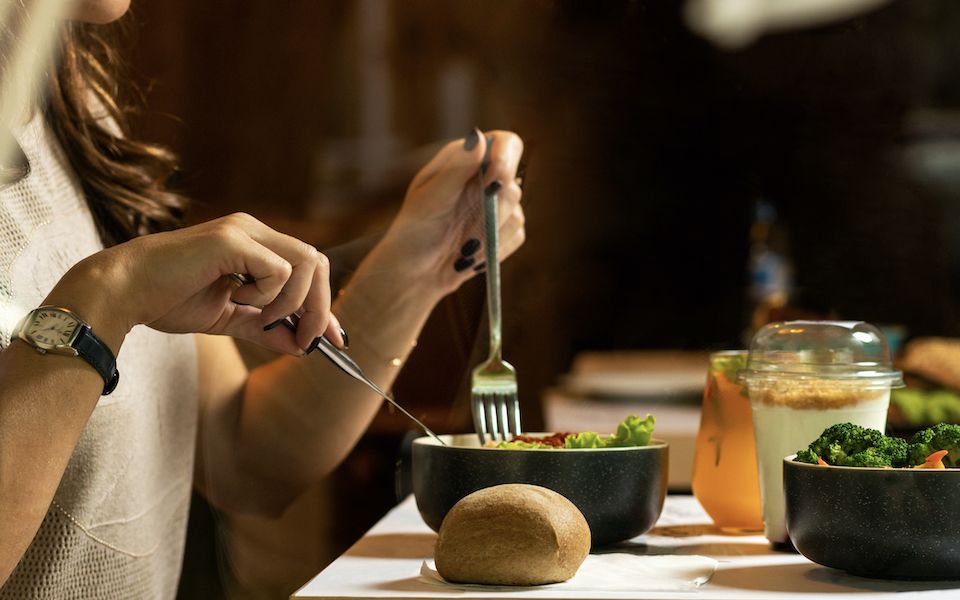
Greek households spend nearly the equivalent of a monthly minimum wage each year on ready-made food as changing lifestyles, limited time for cooking and the growth of delivery platforms reshape eating habits, according to a new study.
Households in Greece spend an average of 770 euros annually on prepared meals, or 14.79 euros per week, according to research by the Research Institute of Retail Consumer Goods (IELKA).
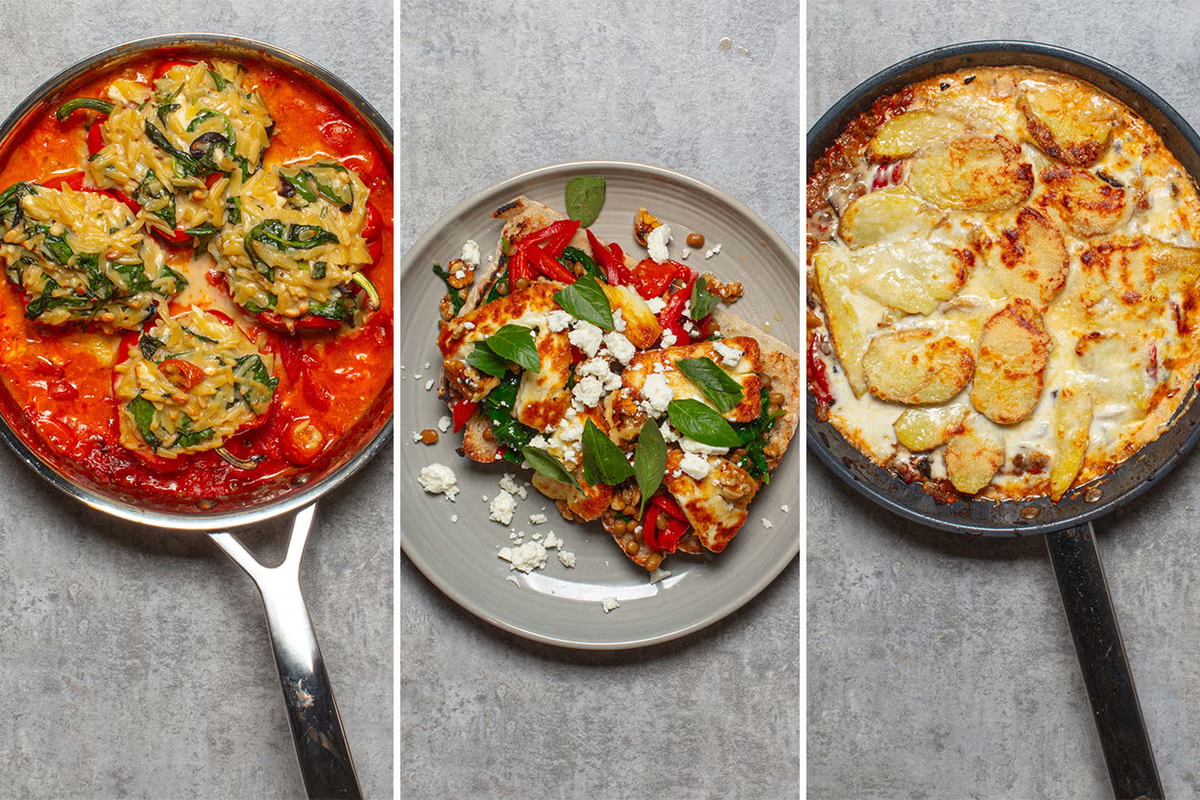
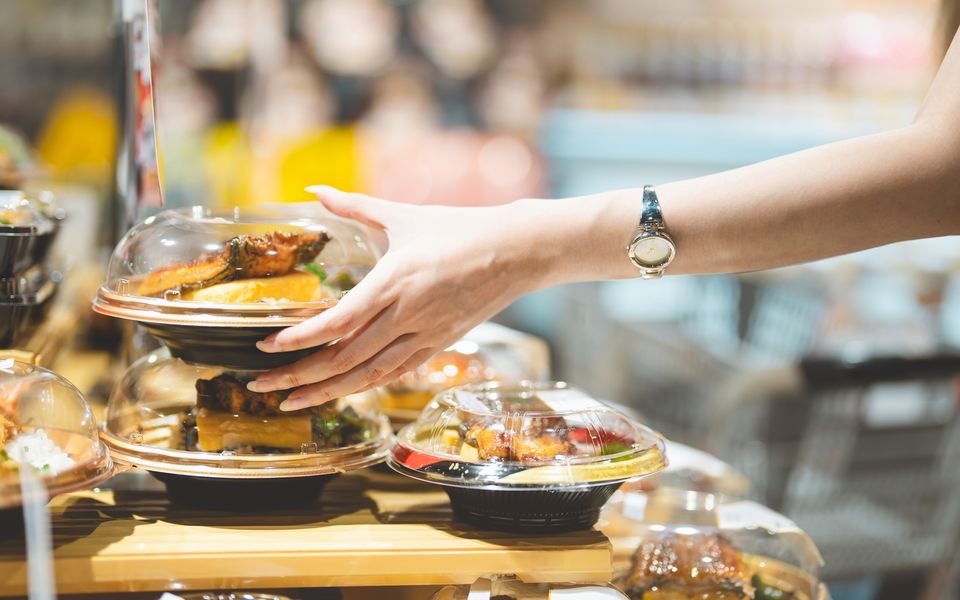
The market has expanded beyond traditional options such as souvlaki shops and pizzerias, with supermarkets increasingly offering prepared meals ranging from roasted chicken and pastries to salads, sandwiches and traditional dishes such as moussaka, pastitsio and stuffed vegetables.
After the coronavirus pandemic, when many consumers turned to home cooking, households largely returned to demanding work schedules that leave less time for meal preparation. The rise of food delivery platforms such as efood, Wolt and BOX has also contributed to increased consumption of ready-made meals.
IELKA’s survey found that the share of consumers who do not buy prepared food has fallen to 39%, from 45% in 2016. At the same time, purchases of ready-made food from supermarkets have nearly doubled, with 29% of consumers choosing that option, compared with 16% in 2016.