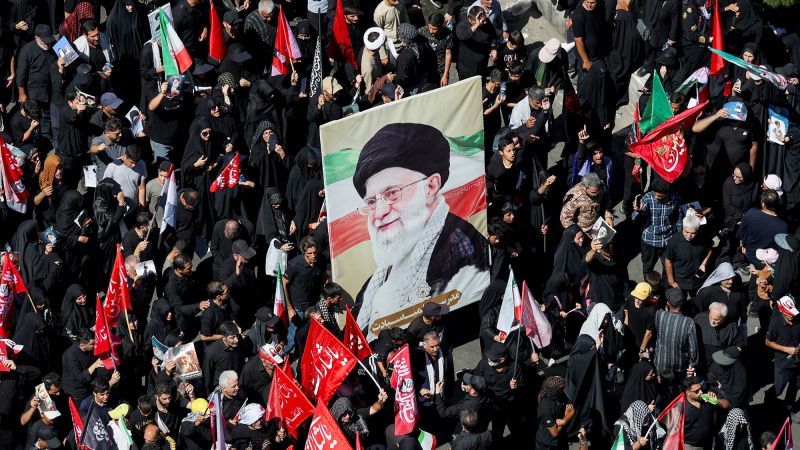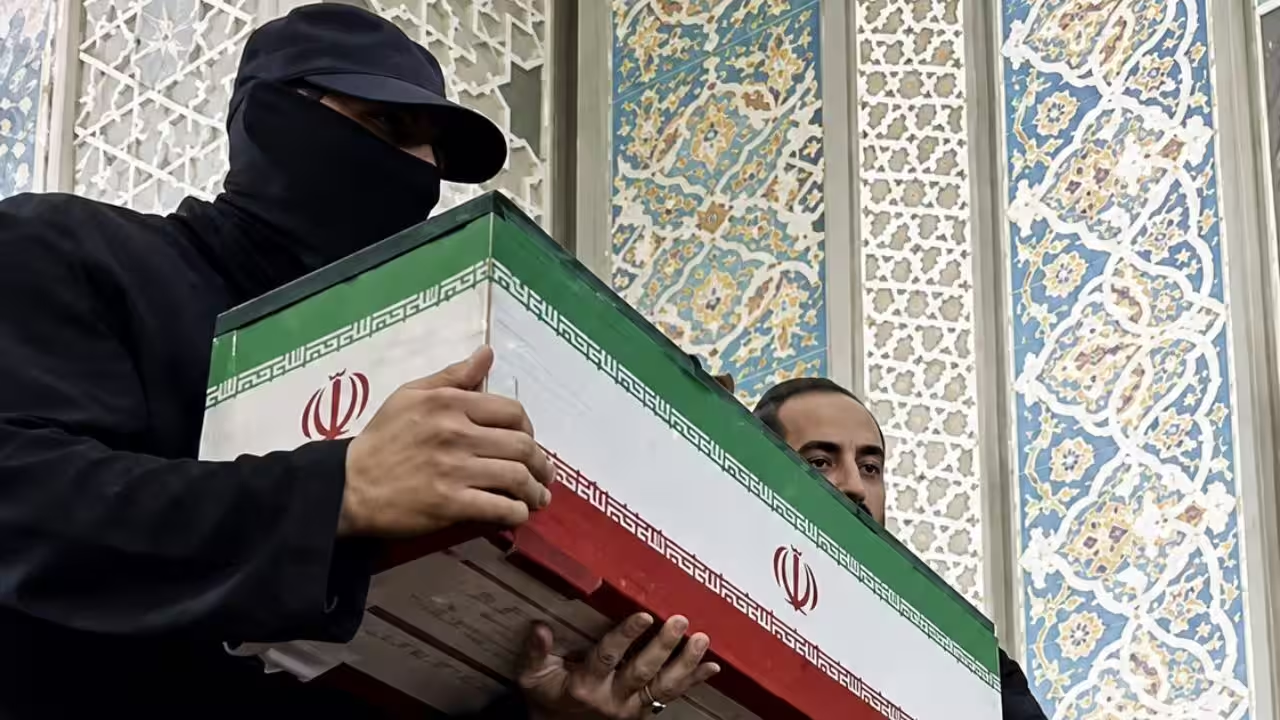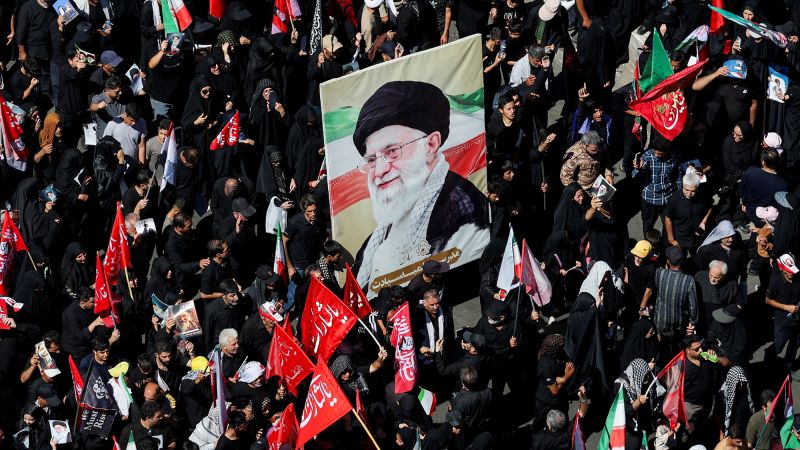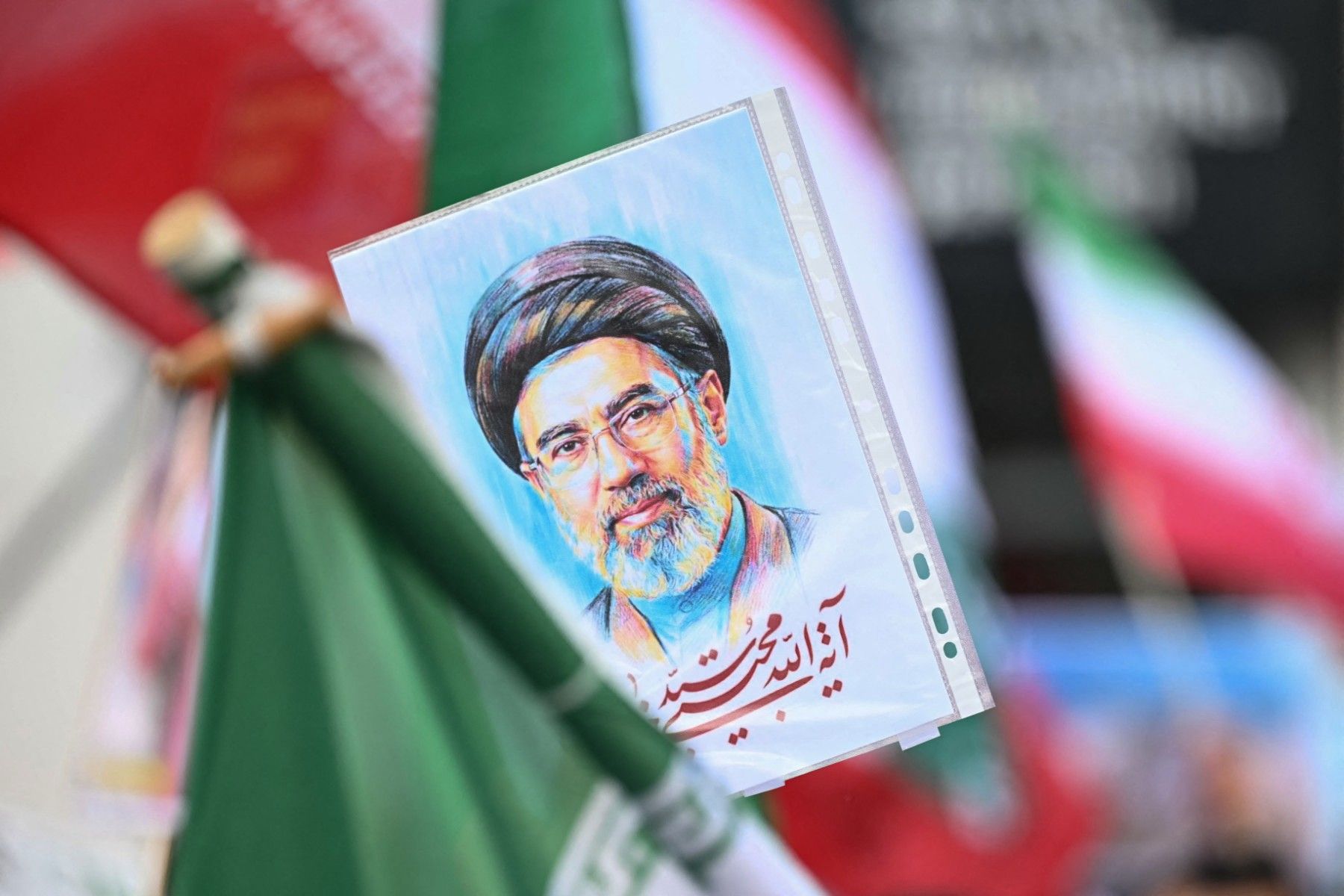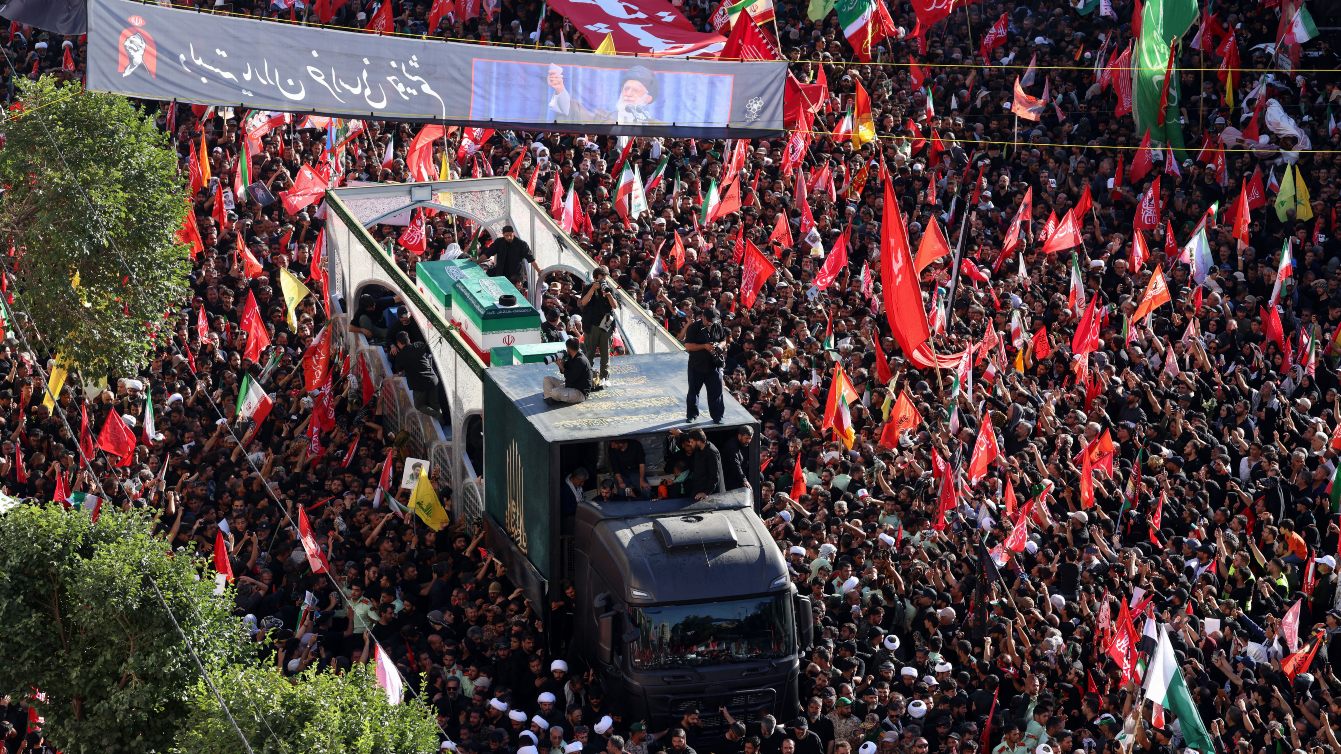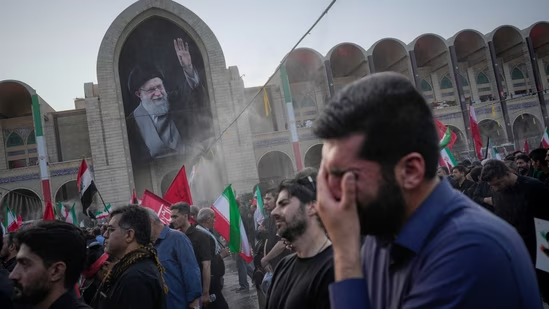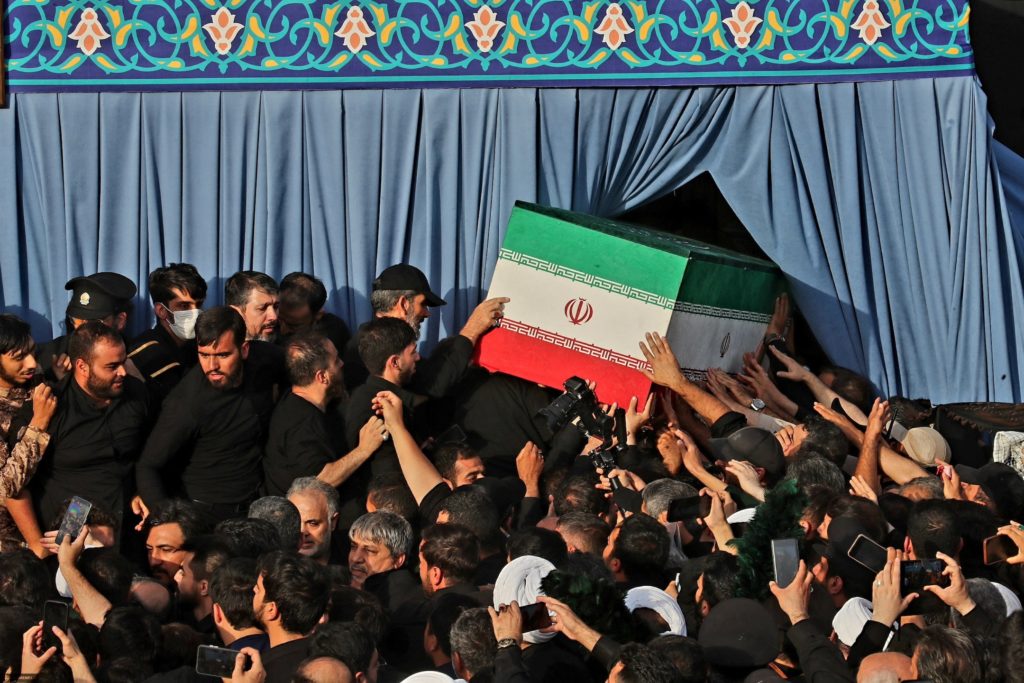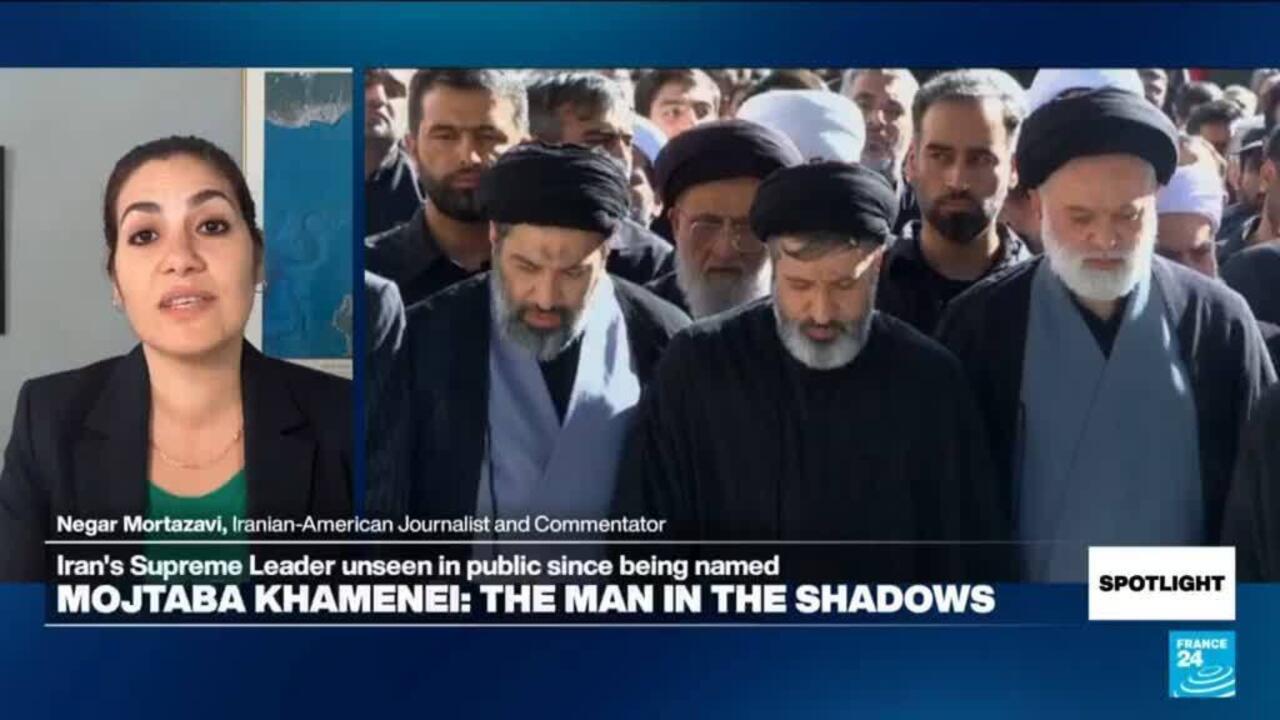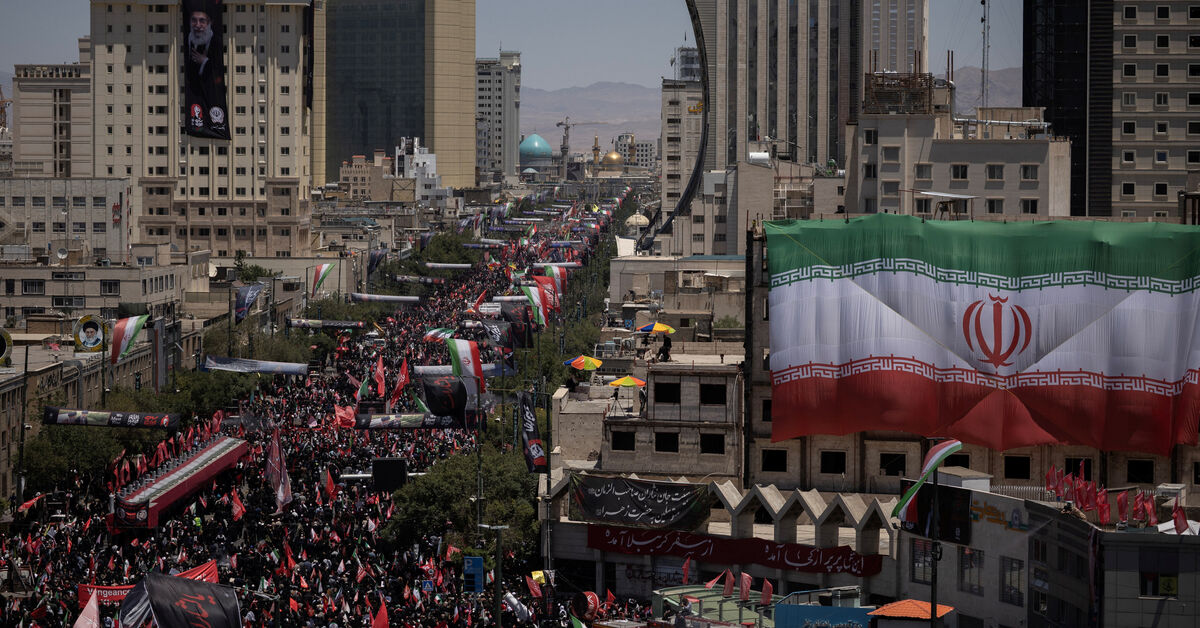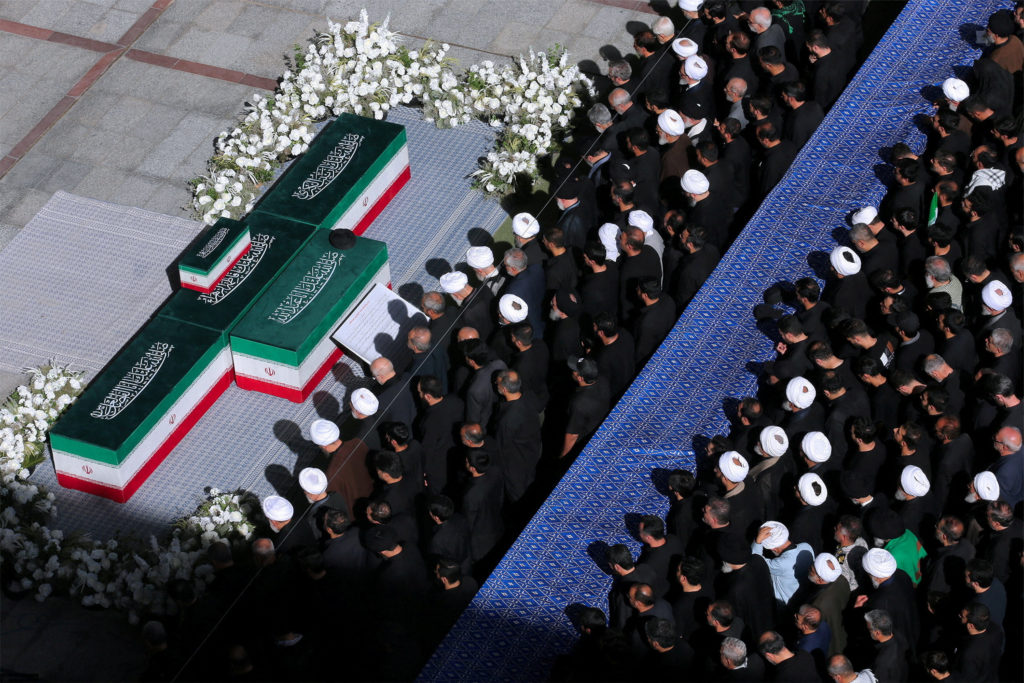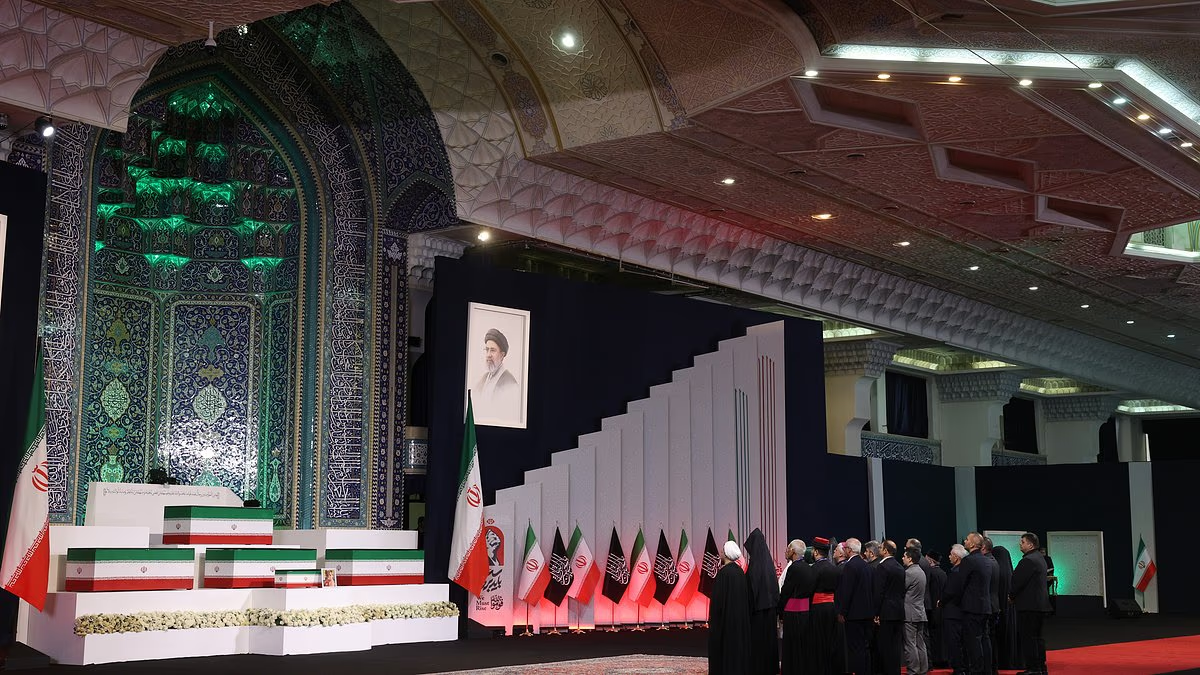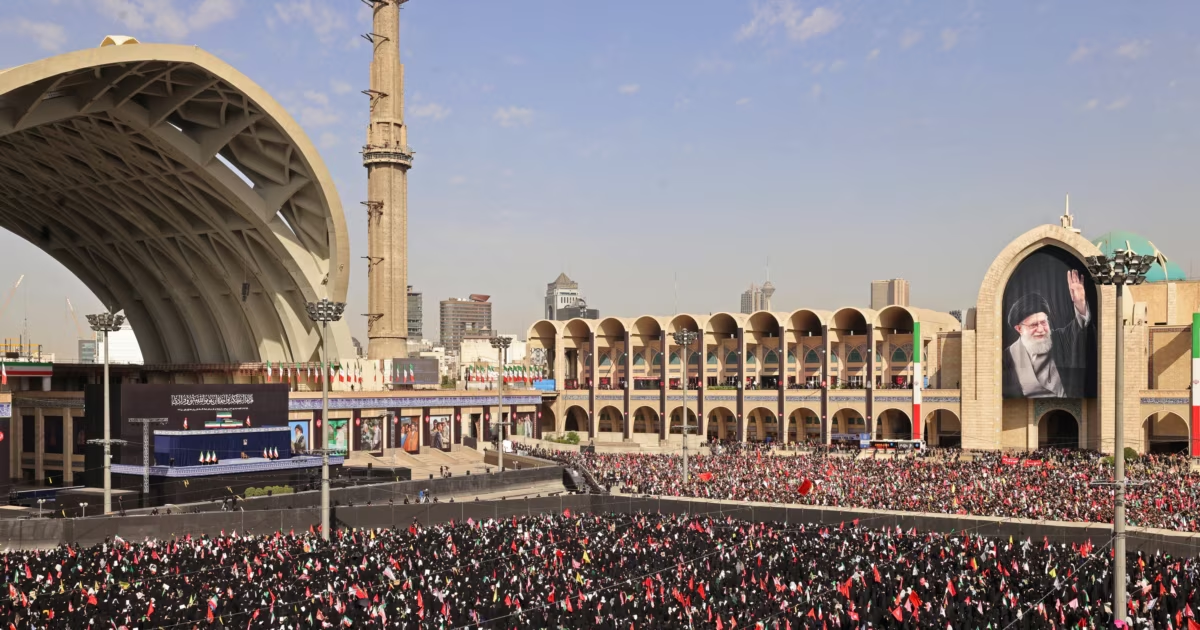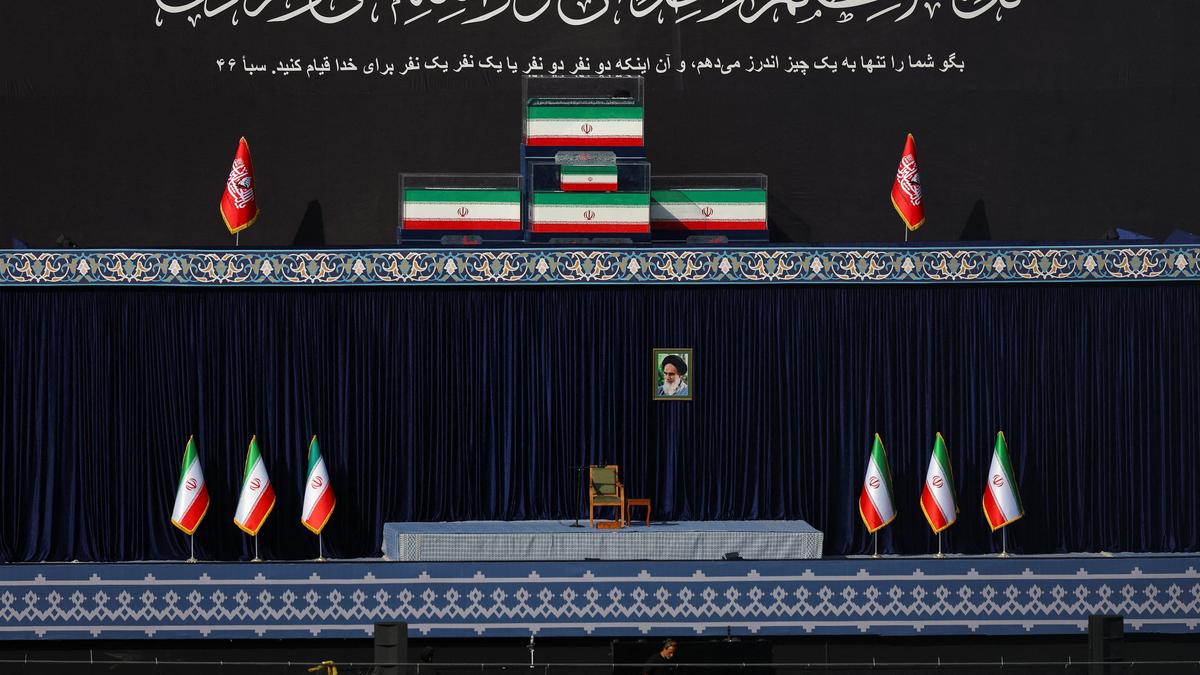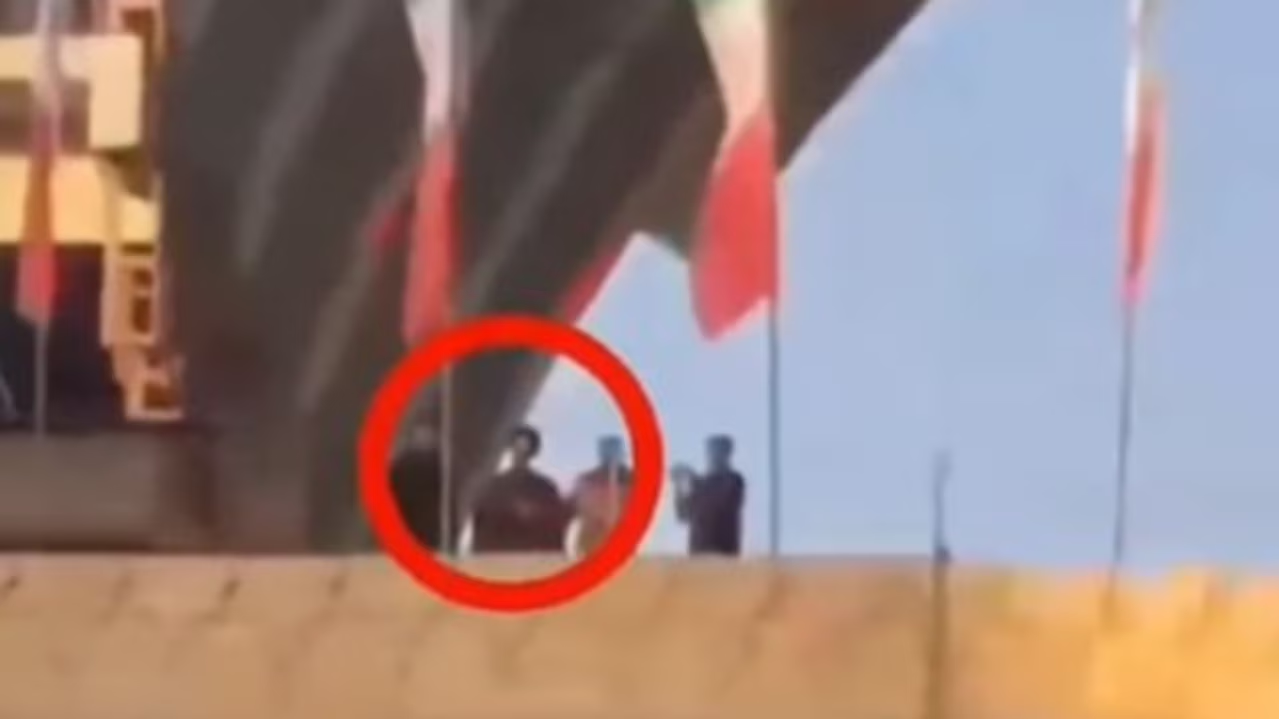
A lonely figure stands apart from the crowd.He’s on a distant balcony overlooking surging crowds surrounding a most sacred ceremony: the final passage of Iran’s Supreme Leader Ali Khamenei to the afterlife.He wears the Shiite clerical robes common to the ruling religious elite.He is distant. Remote. Alone.Despite being flanked by apparent guards.No facial features can be determined. Nor are there any other indicators of identity.But that hasn’t stopped Iranian mourners projecting their hopes upon this vague, grainy figure.Is this Ali Khamenei’s eldest son and heir?Has Ayatollah Seyyed Mojtaba Khamenei recovered from the serious wounds he suffered that day when US President Donald Trump launched his Operation Epic Fury campaign against Iran?Is this the first public appearance of their new Supreme Leader since his father, mother, sister and wife were killed in an Israeli air strike on February 28?The 56-year-old has not been seen since then.He’s not made any public statements. He hasn’t appeared in any new video or photo.Five months later, speculation is rising.Have his wounds disfigured or incapacitated him?Is he in the deepest possible hiding?Has he been secretly overthrown?Is he dead?The Grand AyatollahSupreme Leader Ali Khamenei was laid to rest in a sacred Tehran mosque on Thursday night Australian time. Exactly what took place there is unclear.Competing factions have been releasing AI-generated videos and photos to twist the proceedings in their own favour.Mojtaba features in many of them.One of Iran’s many ruling Shiite clerics, Reza Mousavi Vaez, has now claimed he was the mystery man so many had pinned their hopes on. But the romantic story of the embattled son defying the might of the US and Israel to farewell his father lingers on.His brothers, Mostafa, Meysam and Masoud, were there.They were shown crying as the coffins of their family members were paraded past on the last of six days of commemorations. But Mojtaba had good cause to remain hidden.Israeli Defence Minister Israel Katz has declared Iran’s third Ayatollah to be “marked for death”. And an outraged President Trump has once again unleashed his air force against Iranian “scum”.“I think it’s over,” he stated on Wednesday, consigning yet another ceasefire proposal to the waste paper basket. “I don’t want to deal with them anymore.“They’re scum. You know what scum is? They’re scum. They’re sick people. They’re led by sick people. And they’re vicious, violent people.”And that may be a problem of his own creation.Deep wounds“His Eminence is today the heir to the blood of his martyred father, his martyred mother, his martyred sister, and his martyred wife,” a state television announcement proclaimed in March.“He, who is a janbaz of the Ramadan War, inherits the path of the proud and steadfast martyrs of this land.”Janbaz is a significant word. It’s one used for seriously injured combat veterans.Mojtaba had been in the same house as his father when the bombs fell.But he was not in the same room.“I have heard that he was injured in his legs and hand and arm …. I think he is in the hospital because he is injured,” the Iranian ambassador to Cyprus, Alireza Salarian, said at the time.“I don’t think he is [able] to give a speech.”Mojtaba has communicated only with his military commanders and clerical leaders via handwritten messages ever since.It’s a tough way to run a modern government.Which is why doubts he is actually doing so have become so prevalent.Other senior leadership figures are missing.None of Iran’s four past presidents appeared at the funeral.And most official state media broadcasts centred on current President Masoud Pezeshkian and senior members of the Islamic Revolutionary Guard Corps (IRGC).Analysts suggest this is indicative of a dramatic power shift within the Iranian regime.Hints have emerged in Iranian state-controlled media that all is not well in Tehran’s halls of power. Some accuse Iran’s peace negotiators of defying Khamenei’s orders. Others accuse Foreign Minister Abbas Araghchi and President Pezeshkian of having executed a secret coup. “We are likely to witness an internal power struggle within the Revolutionary Guards, and Iran’s future direction will revolve around this axis,” French political scientist Mojtaba Najafi told European media.Unintended consequencesAyatollah Mojtaba Khamenei remains out of sight.And the members of Iran’s new ruling council are only a little less shy.That’s President Pezeshkian. The chief of the clerical Guardian Council, Ayatollah Alireza Arafi. And Chief Justice Gholam‑Hossein Mohseni‑Ejei.“More important, however, is the transformation in the ranks below them: a new generation of [Revolutionary Guard] commanders and civilian security officials,” argue Johns Hopkins University international analysts Dr Narges Bajoghli and Professor Vali Nasr. “They now hold key decision-making positions, and their nationalistic outlook on statecraft and security is redefining the Islamic Republic.”Military boots are replacing the slippers of clerical diplomats, bureaucrats and politicians assassinated or killed in recent years.“They govern with the confidence of leaders who believe they have successfully defended Iran in two wars against militarily superior powers, achieving something the revolution had only promised: a genuine weakening of American power in the Middle East,” the academics add.“The most significant victory for the new generation of leaders is simply that their strategy worked. The state survived decapitation. It withstood the punishing US and Israeli bombardment, asserted control over the Strait of Hormuz, and faced down a US naval blockade.”Middle East analyst Erfan Fard argues in the Small Wars Journal that the Revolutionary Guard is changing the nature of Iranian politics. “The Iran emerging after Khamenei is likely to be shaped less by radical theology than by military, intelligence, and coercive organisations whose influence has expanded steadily over the past two decades,” he writes.Ayatollah Ali Khamenei’s assassination accelerated the process. And it’s a difference of perspective that may already be playing out in ceasefire negotiations with the United States.But Mojtaba was himself once part of the Revolutionary Guard. He fought among its ranks during the Iran-Iraq war.Only after did he follow in his father’s footsteps and become a Shia cleric.“Iran’s future behaviour will be determined not only by its capabilities but also by the character of the political system that controls them,” Mr Fard adds.“A more militarised and insecure leadership may prove less predictable, less constrained by traditional political considerations, and more willing to accept risks that previous generations of Iranian decision-makers sought to avoid.”Jamie Seidel is a freelance writer
Mystery figure spotted at Iran leader’s funeral
A lonely figure stands apart from the crowd.
1,033 words~5 min read