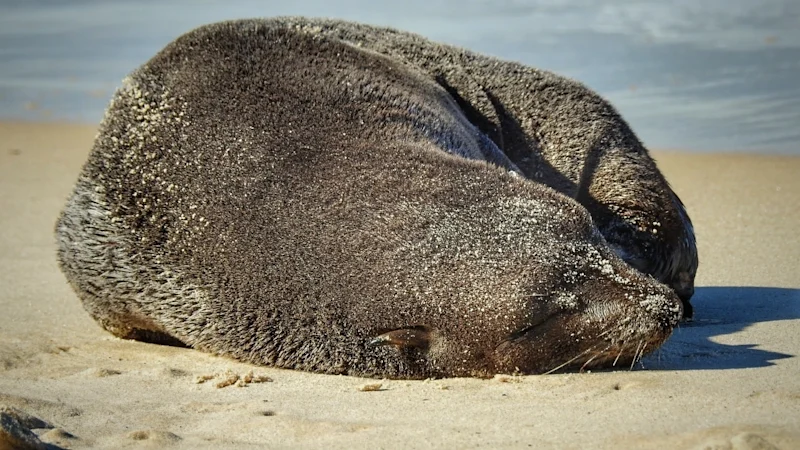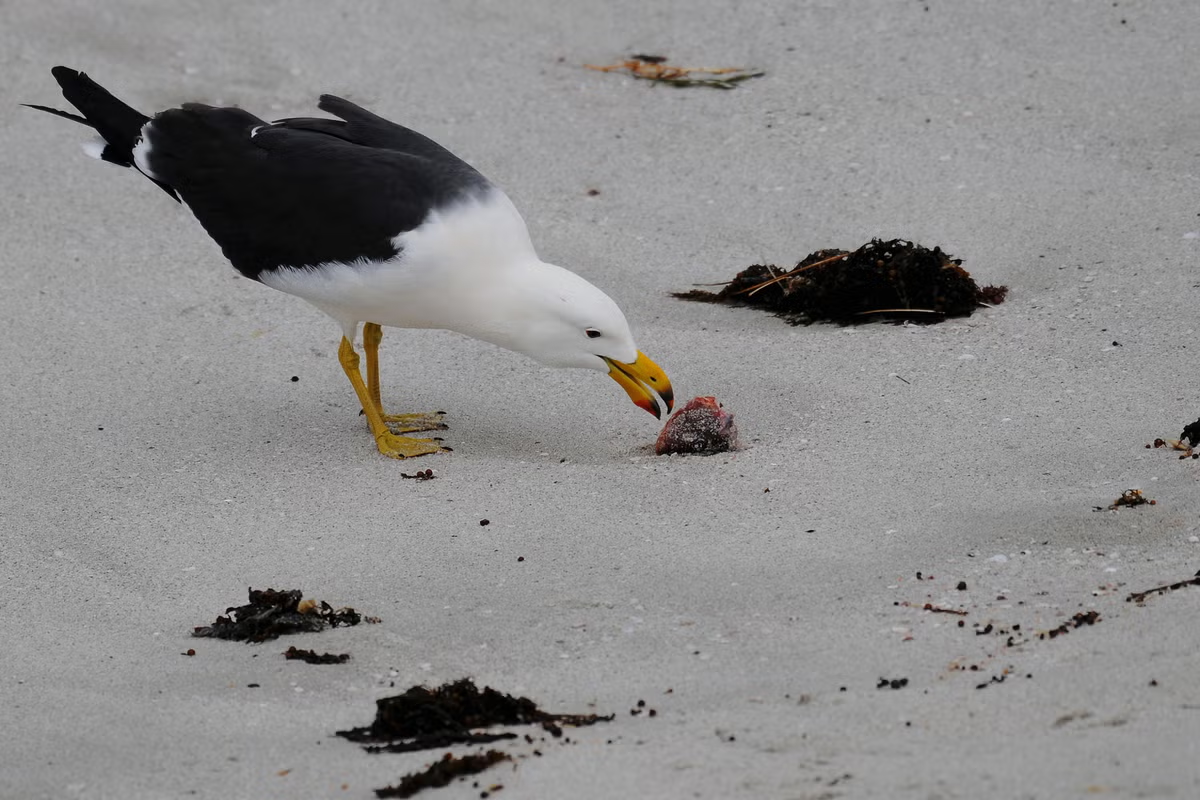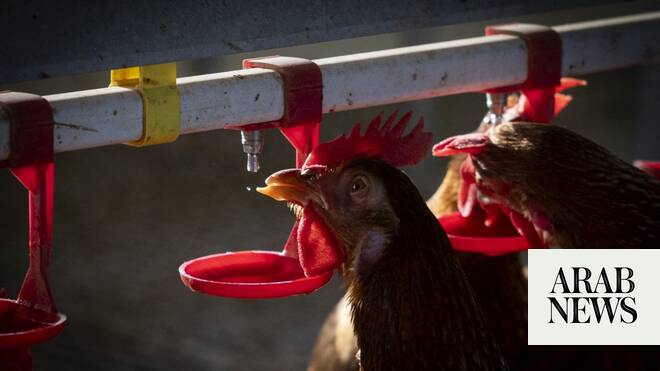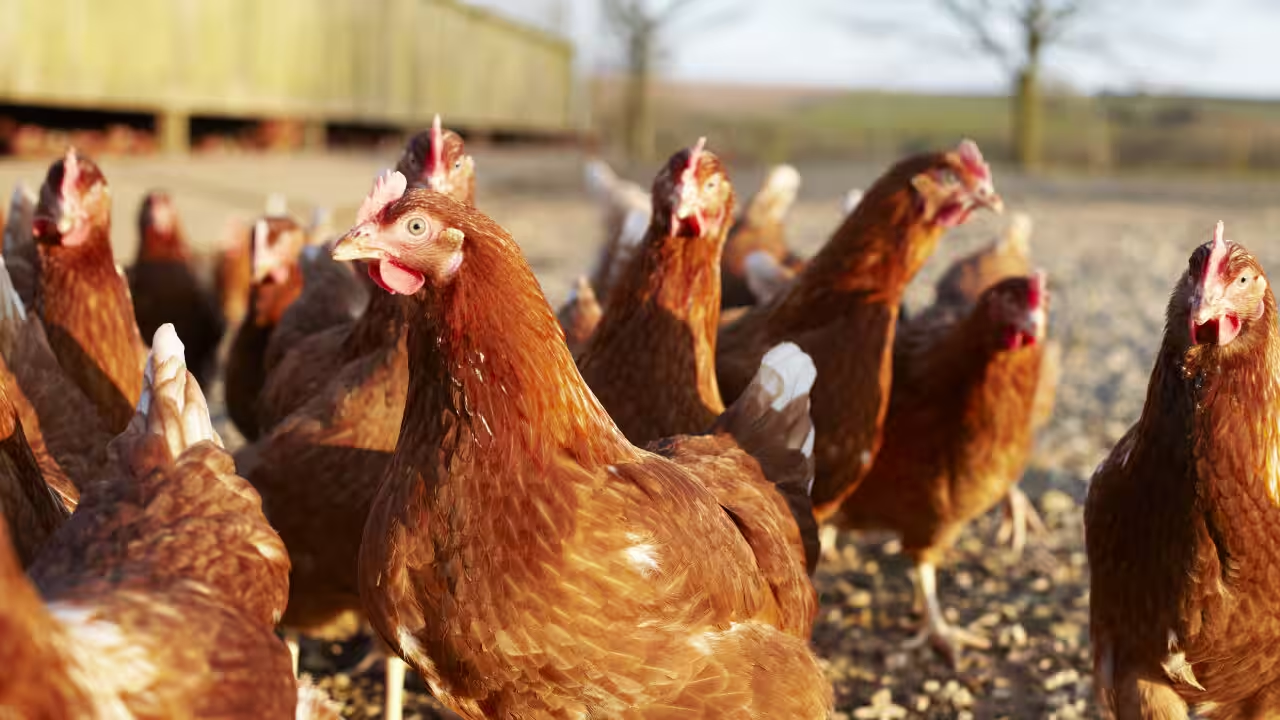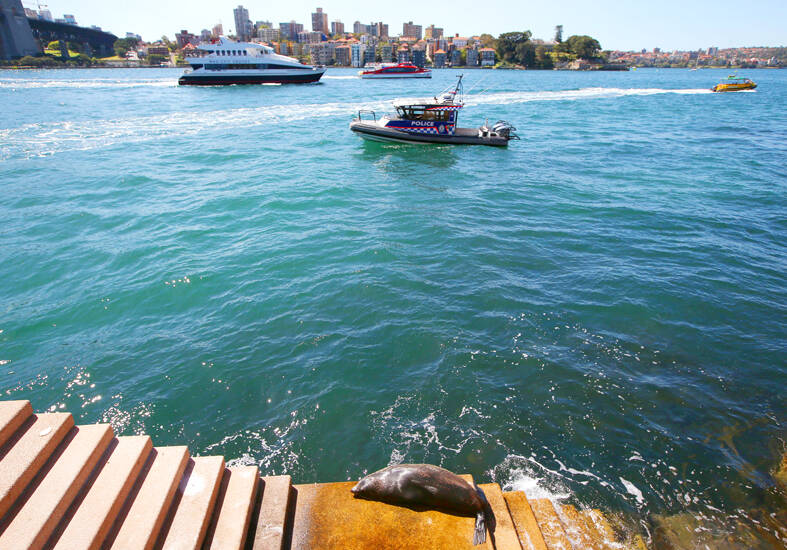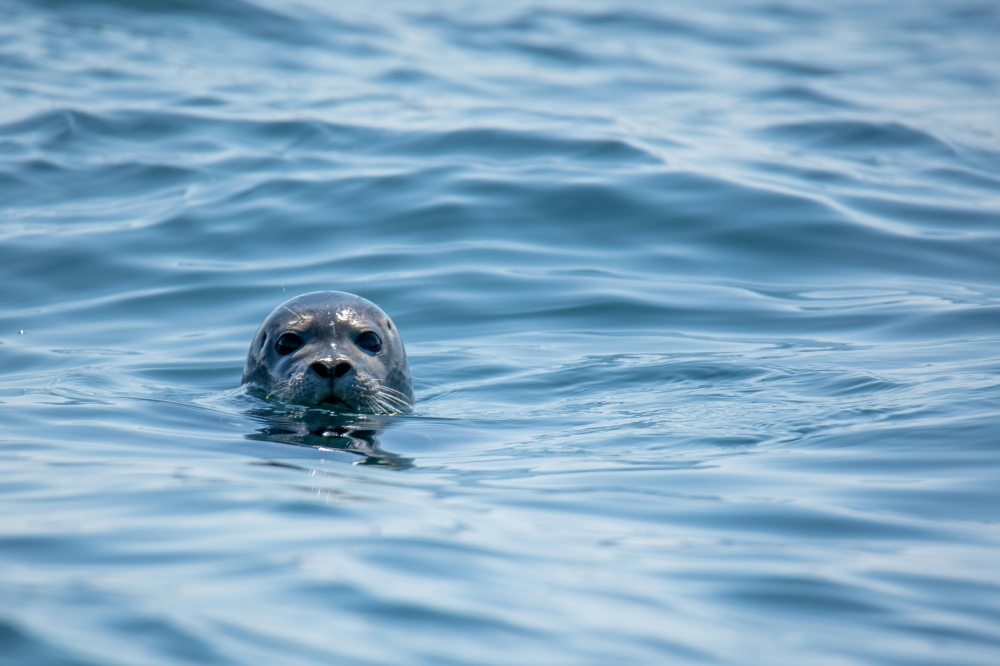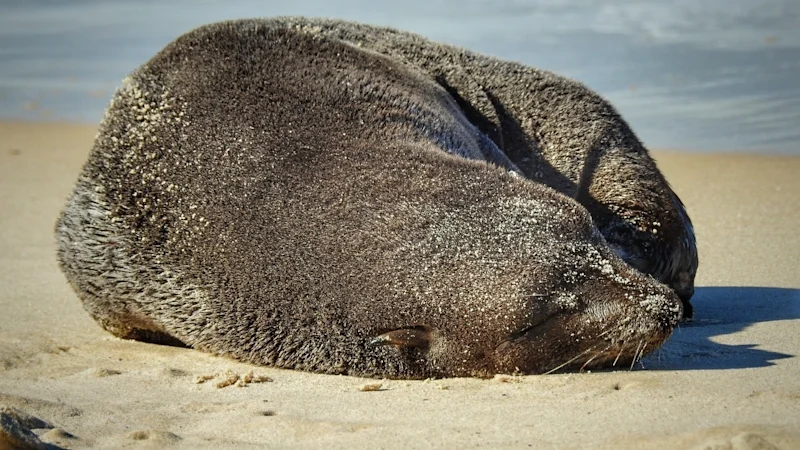
Updated July 10, 2026 — 5:22pm,first published 1:29pmA dead fur seal has tested negative for potential infection with H5N1 bird flu as the first case of the deadly virus in a local species was confirmed in South Australia.The detection of bird flu in a local bird marks a dramatic escalation in the risk to Australian wildlife, with experts warning that it reveals the virus’s potential to spread across the continent and the grave threat it poses to native animal populations and the poultry industry.A fur seal. Sharon HoltThe juvenile fur seal in NSW, found on the Central Coast, was examined on Friday for potential infection, but later tested negative.Sick or dead juvenile seals are a relatively common sight along the coast.The South Australian government also confirmed that a greater crested tern found at Robe, on South Australia’s Limestone Coast, had been infected with the H5N1 strain. Scientists suspected it may have been infected by an Antarctic migratory species.Agriculture Minister Julie Collins, who is responsible for biosecurity, said on Friday that testing has confirmed four more H5 bird flu cases in Australia, bringing the total to 12 detections.BirdLife Australia chief executive Kate Miller said the case of the infected tern was particularly alarming.“It is a really concerning development in the arrival of H5 bird flu into Australia. Until this point, the detections have been in those subantarctic seabirds. But the greater crested tern testing positive means that it’s now moved from those individual seabirds into a local bird,” said Miller.The government said there was no evidence that H5N1 bird flu was circulating in local wildlife.However, experts say it is highly unlikely that the 12 birds found on Australian beaches are the only ones that have landed on the nation’s 34,000 kilometres of coastline, warning an outbreak in local wildlife is almost inevitable in coming years.The virus has been brought to Australia by infected far-flying seabirds that contracted the virus in the Southern Ocean, after it spread rapidly around the bottom end of the world from South America before being flown thousands of kilometres across the bottom of the globe, touching on sub-Antarctic islands.The virus is a catastrophic threat to Australia’s native wildlife.It arrived in South America in 2022 and has killed more than 30,000 South American sea lions, 17,000 southern elephant seal pups and unknown numbers of porpoises, dolphins and otters, as well as at least 650,000 native birds.More than 13,000 seal pups were killed by the virus on Australia’s sub-Antarctic Heard Island territory, which was more than three-quarters of new births on the island.The Albanese government has compiled a list of more than 150 animals that are most at risk from an outbreak, including bird-eating raptors, including white-bellied sea eagles, powerful owls and wedge-tailed eagles; black swans, which have been found to have no genetic defence to the virus; Australian sea lions; rare parrots, including the tiny populations of orange-bellied and swift parrots; and Tasmanian devils as they eat carrion.It has also committed $113 million to prepare for an H5N1 outbreak, with an emphasis on teams to swiftly remove carcasses of infected animals to prevent further spread and stopping farmed poultry from mixing with wild birds.A greater crested tern was confirmed to have H5 bird flu.Neil Bowman However, environment advocates are calling for a $200 million fund dedicated to nature, which would fund culling of feral predators like cats and foxes and restoring critical habitat, as well as breeding programs.“This is a practical, no-regrets investment. It would leave Australia’s wildlife better equipped to survive bird flu while also making it more resilient to other environmental threats,” said Invasive Species Council chief executive Jack Gough.An outbreak in wildlife is likely to spread to farmed birds, resulting in mass culls and price rises for chicken meat and eggs. More than 170 million birds have been culled in the US since 2022 because of the outbreak and egg prices tripled by 2025.The virus is also a risk to pet birds and cats, which usually get extremely ill and die when infected. They should be kept indoors to avoid contact with infected animals.Signs of infection in cats include circling, tremors, seizures, blindness, severe depression, heavy discharge from the nose and eyes and difficulty breathing.The government says people who see sick or dead birds and other animals should not touch them, but instead record their location, take photos and videos and call 1800 675 888.Mike Foley is the climate and energy correspondent for The Age and The Sydney Morning Herald.Connect via email.Emily Kaine is a national news blogger at The Sydney Morning Herald.Connect via email.From our partners
Deadly bird flu detected in local bird as NSW seal tests negative
The detection of bird flu in a local species is a dramatic escalation in the threat posed to Australia by the deadly H5N1 virus.
762 words~3 min read