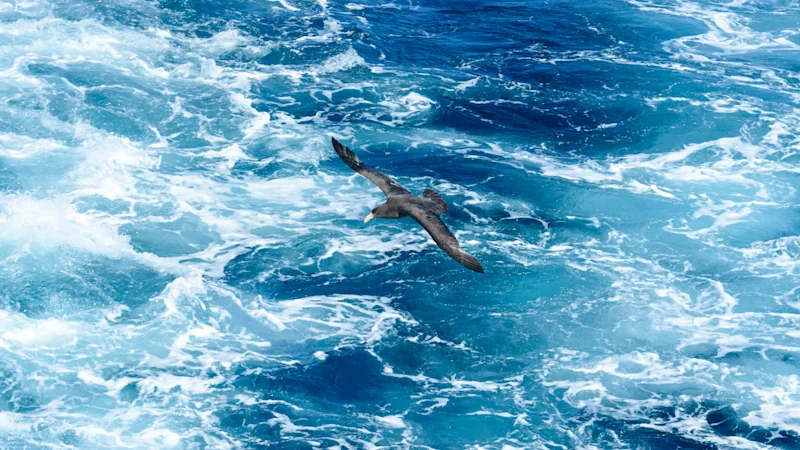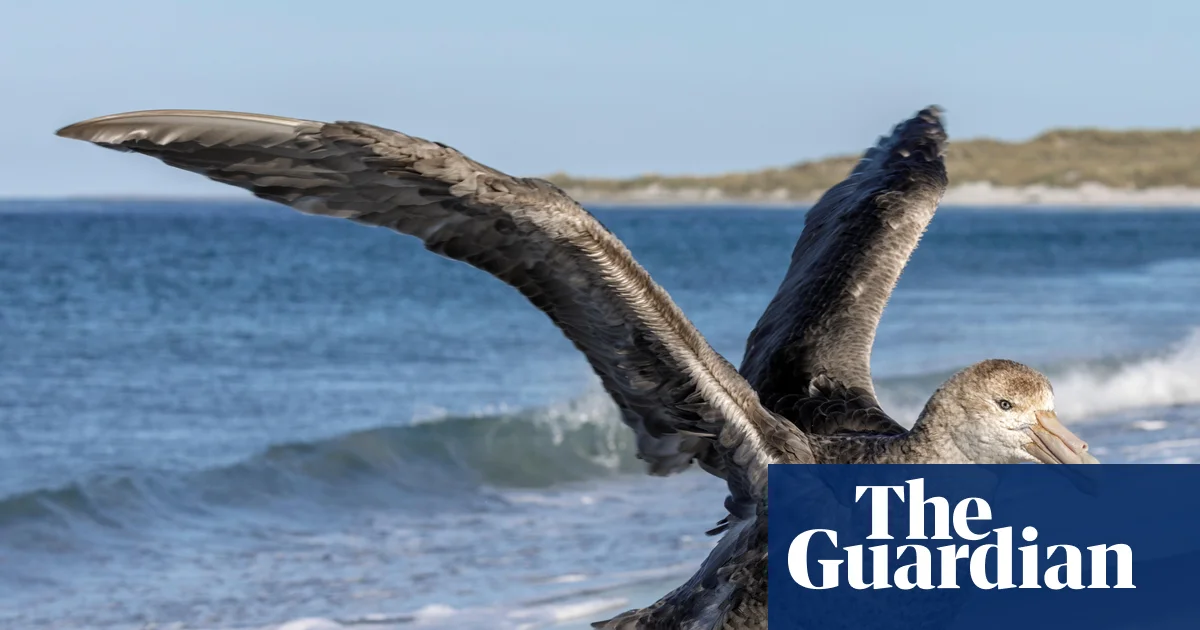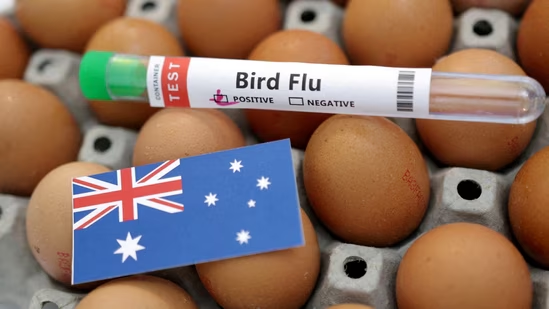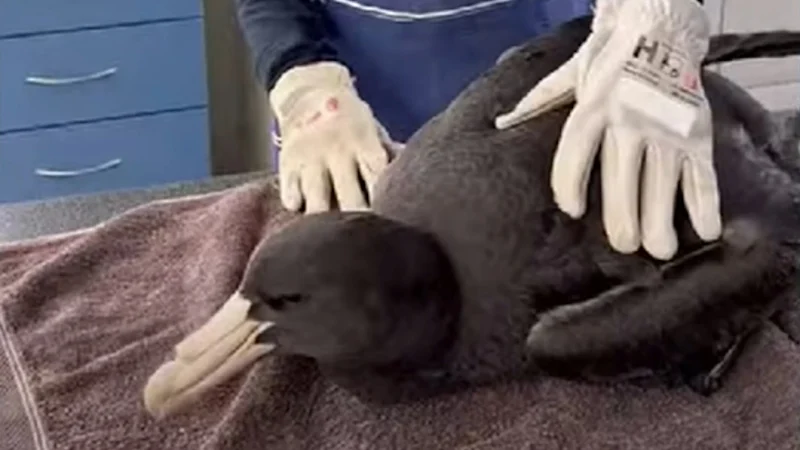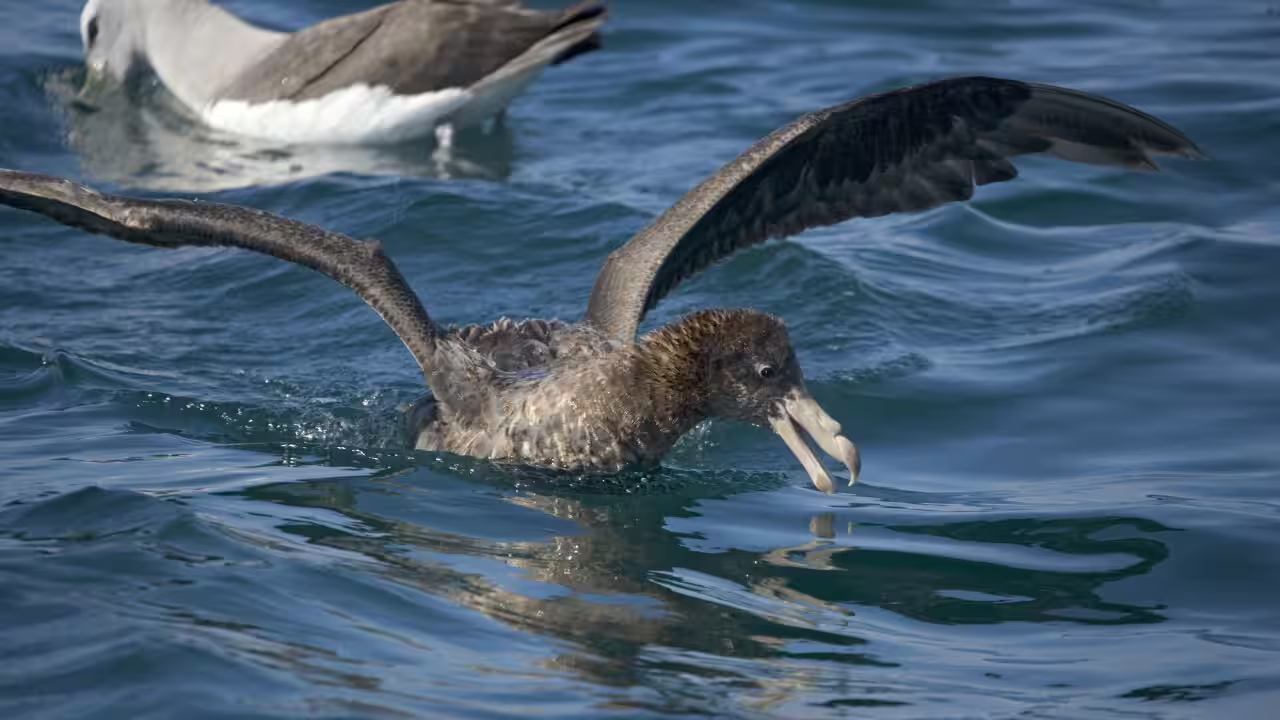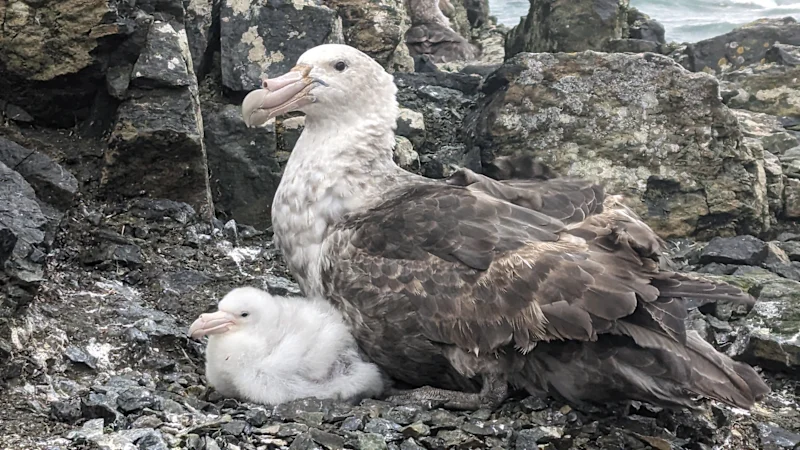
July 3, 2026 — 1:29pmA suspected positive case of H5 bird flu has been identified near Hawks Nest on the NSW Mid North Coast, the NSW government says.Samples from a giant petrel tested positive to H5 influenza in preliminary testing, and the CSIRO will undertake further testing to confirm whether it is the worst strain of the virus that has devastated wildlife and poultry farms overseas. The infection marks the first wild bird in NSW to return a suspected positive result for H5.NSW Agriculture Minister Tara Moriarty said the risk to humans remained low, and there had been bird-to-mammal transmission overseas but not human-to-human transmission.Bird flu had not been detected in commercial poultry flocks, captive birds or any other birds in NSW, and consumers should not panic-buy chicken or eggs, she said.“Over 500 people are now working on surveillance, so they’re checking this area of the state – around Hawks Nest and the Mid North Coast – and other high-risk parts of the state, looking for birds,” Moriarty said.Moriarty said there would not be extra precautions such as caging poultry or vaccinating wildlife unless the virus started spreading in the wild bird population.Dr Jo Coombe, the NSW Chief Veterinary Officer, said the virus had a “devastating impact” for wildlife and farmed birds overseas.A statement asked people to avoid contact with wild birds that had died by “unusual” means or were ill, record by taking photos or video and dropping a pin, and reporting to the Emergency Animal Disease Hotline on 1800 675 888. The dead bird in Hawks Nest was reported by a member of the public.NSW Agriculture Minister Tara Moriarty confirmed the suspected H5 bird flu case on Friday morning.9NewsThere are five confirmed cases of H5N1 in Australia, four in Western Australia and one in South Australia.All cases were in migratory seabirds that live most of their lives in the sub-Antarctic region, flew thousands of kilometres across the Southern Ocean and landed on the Australian shoreline.It is believed the virus has spread rapidly in seabirds around the bottom end of the world, starting from South America, moving to the sub-Antarctic South Georgia island, another 5000 kilometres to Crozet and Kerguelen Islands, then more than 400 kilometres to Heard Island.Tests show that at least some of the infected birds which have landed in Australia have had contact with a strain of the virus on Heard Island, where thousands of elephant seal pups have died from H5N1, which can also spread in mammals.Julia Davies of JD Backyard Hens has thousands of hens in Medowie, near the suspected bird flu case in Hawks Nest.It is possible that far-flying birds like the infected giant petrel found in Hawks Nest, NSW, have also come from the Southern Ocean and ridden a recent bout of stormy weather into the Tasman Sea.While only six cases of bird flu have been detected in Australia, it is highly unlikely that those birds found with the virus are the only ones that have landed on the nation’s 34,000 kilometres of coastline.Experts believe the virus would be catastrophic for Australia’s native wildlife, with dozens of species thought to be particularly susceptible.The virus has wreaked havoc on wild birds and mammals across the world, and the poultry industry in affected countries. More than 100 million chickens were killed in the US when H5N1 broke out, starting in 2022. Egg prices tripled by 2025, which was a significant contributor to inflation.The Albanese government committed $113 million to preparations to deal with an H5N1 incursion, with an emphasis on planning to swiftly identify an outbreak and responding to limit its spread.This includes teams to swiftly remove carcasses of infected animals to prevent further spread and stopping farmed poultry from mixing with wild birds.Invasive Species Council policy director Dr Carol Booth said Australia had spent years preparing for the arrival of H5 bird flu, which had already spread to every other continent. Authorities were detecting cases quickly and responding rapidly, but surveillance alone would not save wildlife if there was an outbreak in Australia, she said.“This killer disease has also been wiping out millions of birds around the world, including penguins in Antarctica. The impact this could have on Australia’s native birds and sea mammals as it continues to spread is frightening.“We are urgently calling on the Albanese government to invest $200 million in a wildlife resilience package that would accelerate feral cat and fox control, restore habitat, protect important breeding sites and expand threatened species recovery programs.”Paul, who declined to share his surname publicly, has 200,000 chickens on a farm near Newcastle. He said agriculture owners “shouldn’t be alarmed” until the suspected case is confirmed.“If everyone just firms up their biosecurity, everything will be OK,” he said.He is limiting the number of people on his property, and sanitising the tyres of any cars or delivery trucks required to enter.Julia Davies of JD’s Backyard Hens has thousands of birds in nearby Medowie.While she was concerned about the suspected case, she said there was no need to spread fear: “You’ve got to be sensible about it, but without freaking out.”Davies said her hens were netted off so couldn’t be affected by the arrival of any wild birds. She said she was taking her usual precautions, and was going to avoid all beaches for the time being.“You can’t put your head in the sand and pretend it’ll just blow away, but also you don’t panic, because it’s like the viruses that we deal with on a daily basis anyway – this one is just a bit nastier.”More to comeBe the first to know when major news happens. Sign up for breaking news alerts on email or turn on notifications in the app.Caitlin Fitzsimmons is the environment and climate reporter for The Sydney Morning Herald. She was previously the social affairs reporter and the Money editor.Connect via email.Max Maddison is a state political reporter at The Sydney Morning Herald.Mike Foley is the climate and energy correspondent for The Age and The Sydney Morning Herald.Connect via email.Rachel Rasker is the health reporter at The Sydney Morning Herald.Connect via email.From our partners
First suspected bird flu case in NSW, as state ramps up surveillance
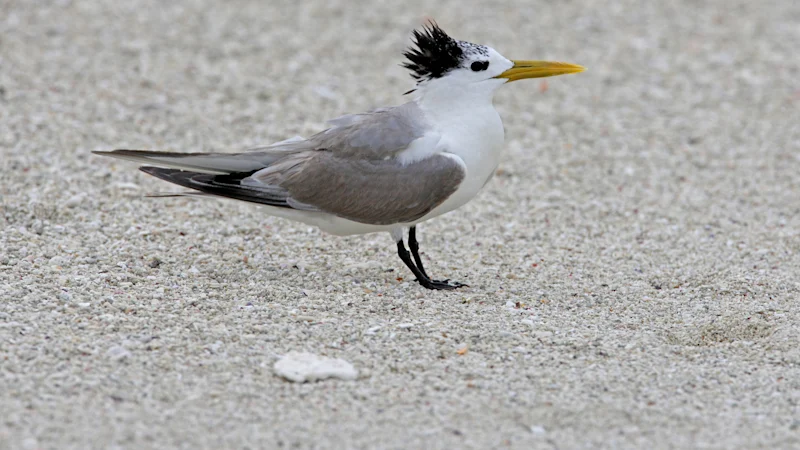
The dead seabird was found by a member of the public at Hawks Nest on the NSW Mid North Coast. The risk to humans remains low, but the H5 virus would be devastating to the poultry industry and wildlife.
1,013 words~5 min read