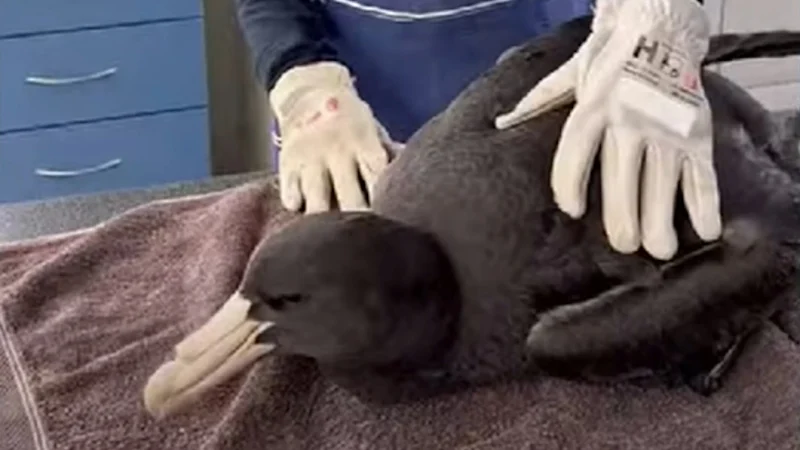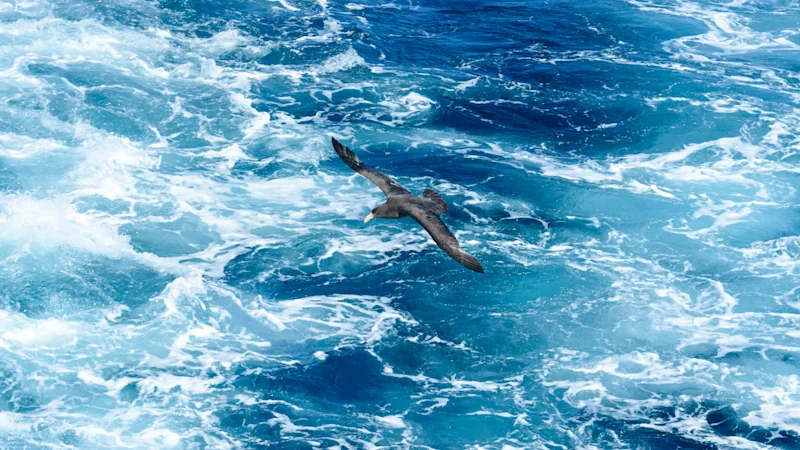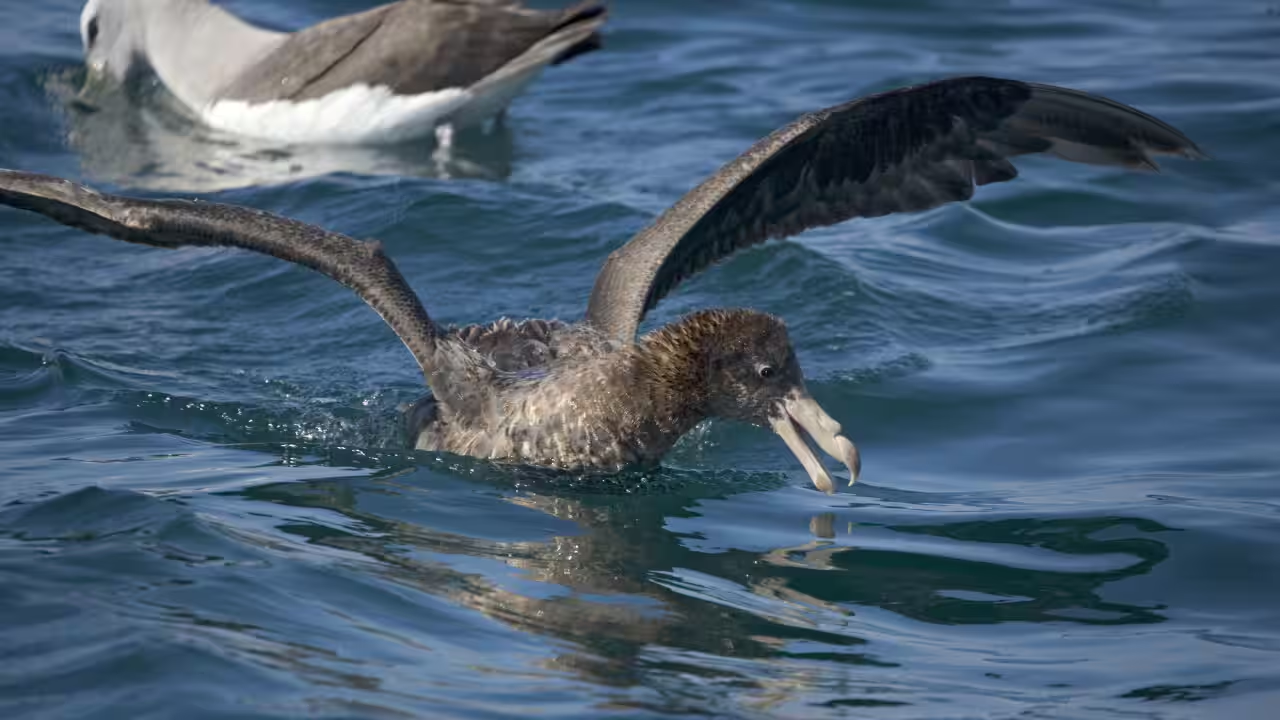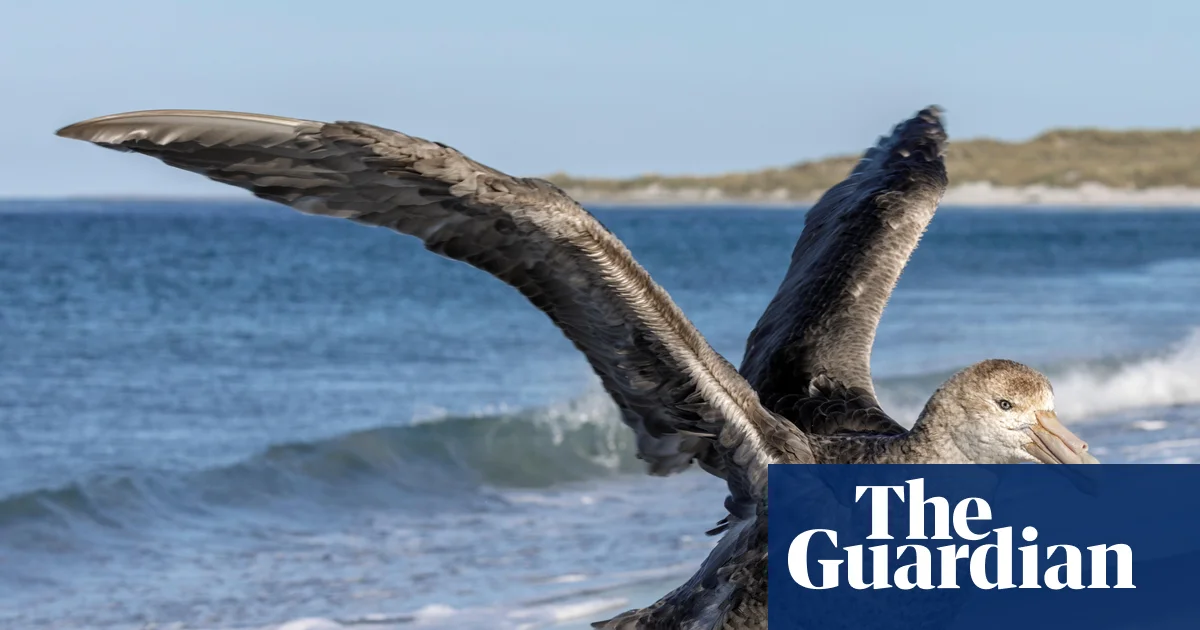
New South Wales has its first suspected case of the deadly H5 bird flu in a giant petrel that was found near Hawks Nest, north of Newcastle, on the state’s coast.If CSIRO testing confirms it is the highly pathogenic H5N1 strain, it would mark the first detection of the deadly disease on the Australian east coast.Five cases have already been confirmed since late June – four in Western Australia and one in South Australia – all in migratory subantarctic birds.The WA government said on Friday it had a fifth suspected case in the state, a dead giant petrel, found at Mullaloo in Perth’s northern suburbs and the government was increasing H5 surveillance at metropolitan beaches.The NSW agriculture minister, Tara Moriarty, said the disease had so far not been detected in any poultry flocks, captive or other wild birds in NSW. The bird was found unwell by a member of the public who contacted authorities.Sign up for the Breaking News Australia emailShe said initial testing at NSW labs had confirmed the petrel was positive for H5 influenza. Testing by the Australian Centre for Disease Preparedness was needed to confirm it was the highly pathogenic strain of the disease that has devastated wildlife populations globally.“This latest development is incredibly concerning for both agriculture and for wildlife,” Moriarty said.“The impact of H5 worldwide on wild birds and poultry has been devastating. But NSW and the rest of the country have been preparing for this moment for many years.”The New South Wales government said last week it had surveillance in place for early detection after the arrival of deadly H5 bird flu in other parts of the country.Moriarty said NSW was working with the federal and other state and territory governments. A state coordination centre at the Department of Primary Industry and Regional Development in Orange was managing surveillance operations.She urged anyone who saw a sick or dead bird to contact the emergency hotline and report its location.“There are no other birds that have been found to be positive for H5 at the moment, but we are now increasing our surveillance,” she said.The minister said the government had trained more than 500 people in government and private veterinary services in surveillance for the disease.“So they’re checking this area of the state, around Hawks Nest and the mid-north coast and other high-risk parts of the state, looking for birds,” Moriarty said on Friday.skip past newsletter promotionafter newsletter promotion“That includes fisheries officers, people in national parks, people in agriculture – looking for birds that might look ill, so that we can see if there are any more.”The NSW chief veterinary officer, Dr Jo Coombe, said “this is an isolated case at this stage”.“It doesn’t mean it’s going to be the last case, but at this point there is no evidence of spread to any wild birds,” she said.Coombe said symptoms of deadly H5 bird flu included lethargy, respiratory signs such as watery eyes or difficulty breathing, and paralysis or difficulty walking.She warned people to avoid contact with sick or dead birds and requested they record the location and report it to authorities.The Invasive Species Council renewed its call for an urgent $200m in federal funding for conservation measures to support the bird flu response by reducing other threats to wild species.“The best defence we have is to make Australia’s wildlife as resilient as possible before widespread outbreaks occur. That means rebuilding healthy populations that are better able to withstand disease and recover afterwards,” the council’s policy director, Carol Booth, said.The federal agriculture minister, Julie Collins, chaired a meeting of agriculture ministers on Friday to discuss the ongoing H5 bird flu response.She thanked members of the public for reporting unwell and dead birds since the first detection in WA and said “the fact that we’ve got these detections early on is, I think, an incredible testament to the Australian public”.She reiterated there had been no detections so far in poultry.“We have been working with the poultry and the egg industries to do everything that we can do to mitigate against any incursions in our agricultural systems,” Collins said.“And we continue to do that work with the states and territories, and with the industry.”
NSW records first suspected case of deadly H5 bird flu as virus reaches Australia’s east coast
Migratory giant petrel discovered near Hawks Nest north of Newcastle infected with H5. Testing under way to determine if it’s highly pathogenic H5N1 strain
696 words~3 min read