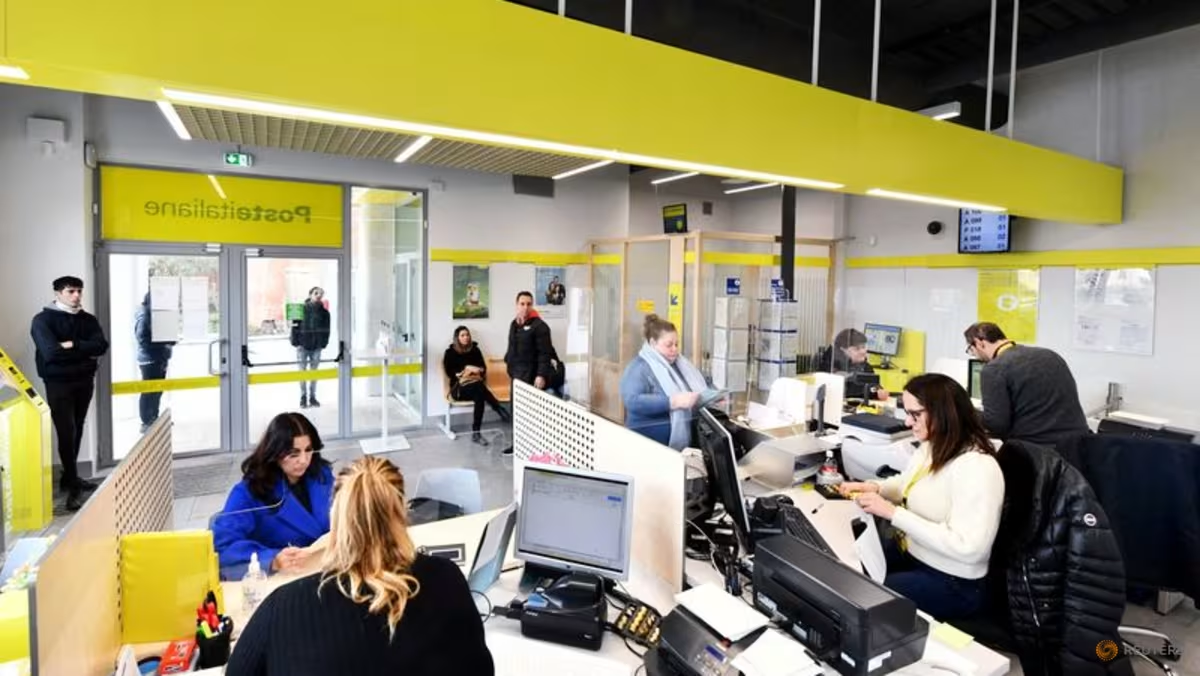
Italy’s postal service has spent a century and a half moving letters, parcels and pension payments around the country. Now it wants to move data. Poste Italiane, which still hands out state pensions through roughly 12,600 branches, has cast itself as an unlikely contender in Europe’s scramble to build the infrastructure behind AI.
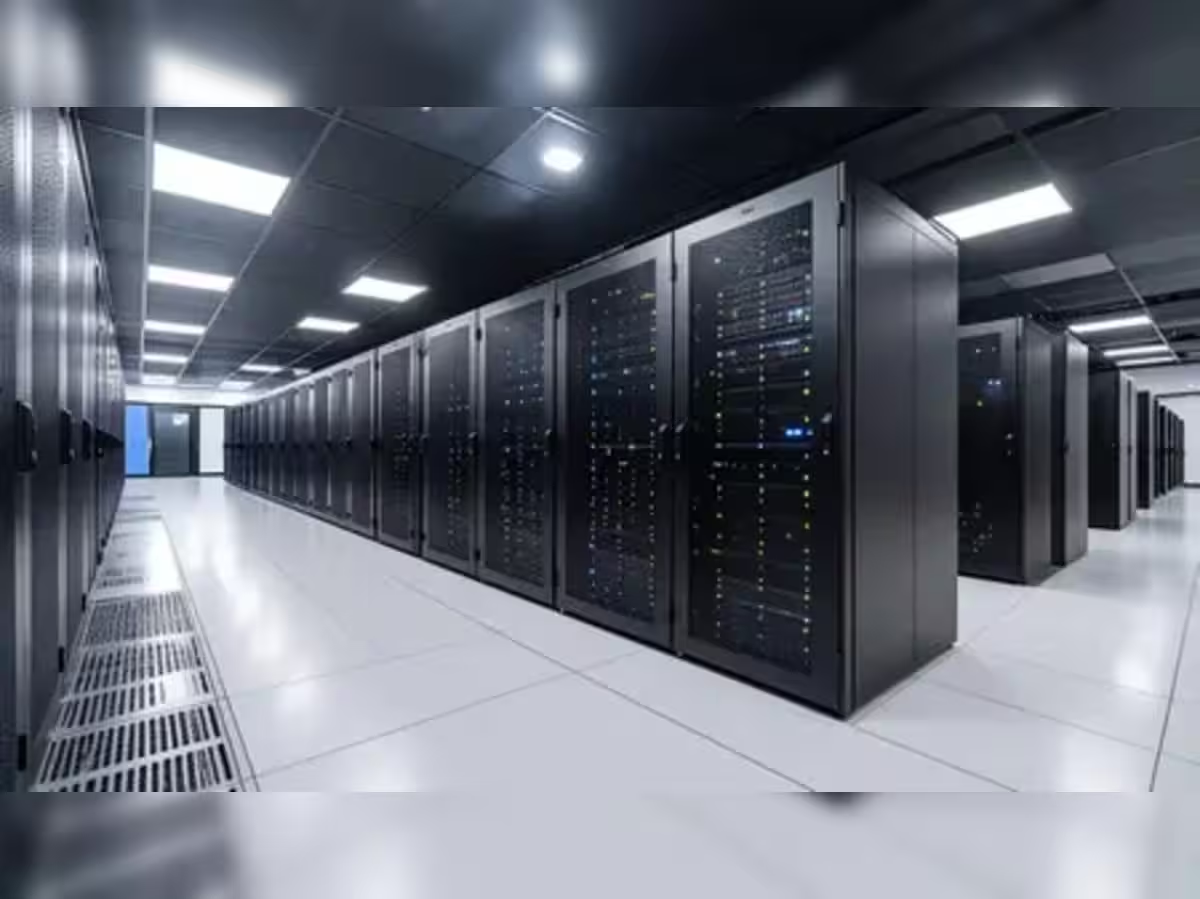
The bet rests on Telecom Italia. Poste has been steadily tightening its grip on the former state monopoly, and it is now the largest shareholder in a group it frames as the nucleus of a bigger, state-backed digital champion. The company argues that a combined Poste-TIM could put Italian computing capacity on Italian soil rather than renting it from American hyperscalers.
The logic is as much geographic as financial. Poste says the enlarged group could layer new capacity onto TIM’s existing data centres and telecom exchanges, then push processing power outward by turning former mail-sorting hubs into local edge-computing sites.
The pitch is that a network built to deliver post is, conveniently, already spread across every corner of the country.
That geography is the argument. Edge computing, which keeps data close to where it is generated rather than routing it to a handful of distant megacentres, rewards exactly the kind of dense, distributed footprint a postal operator has spent decades assembling.