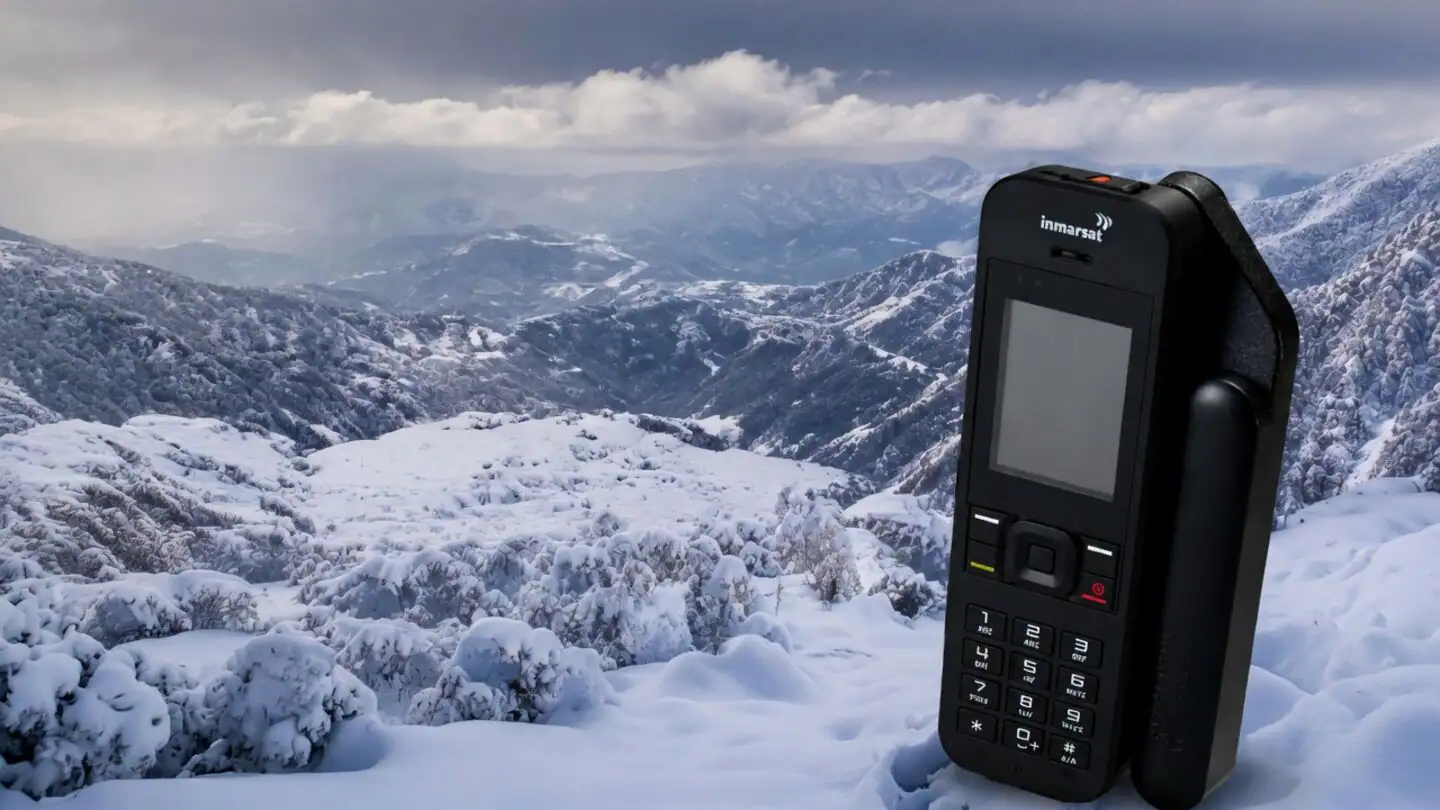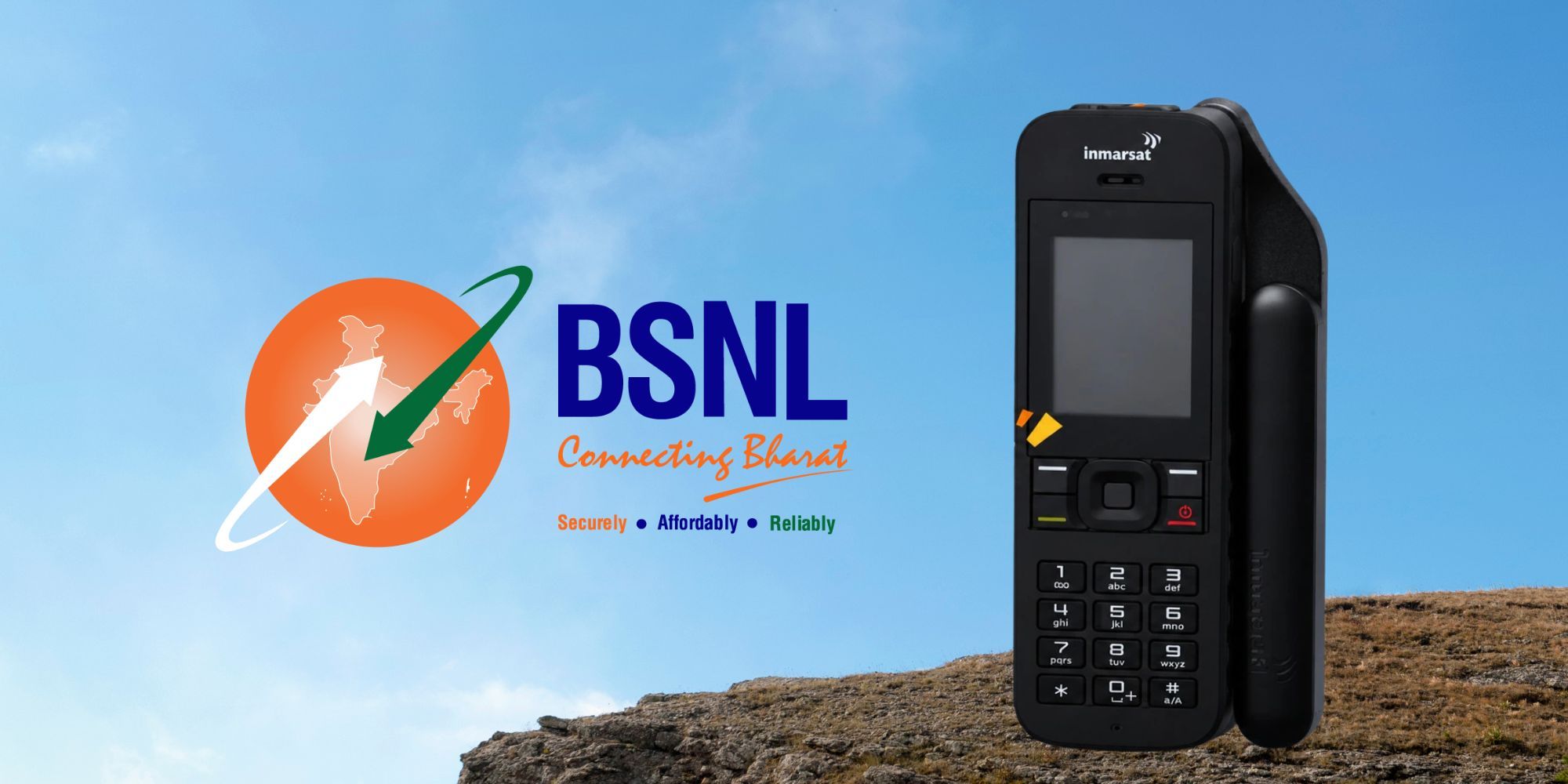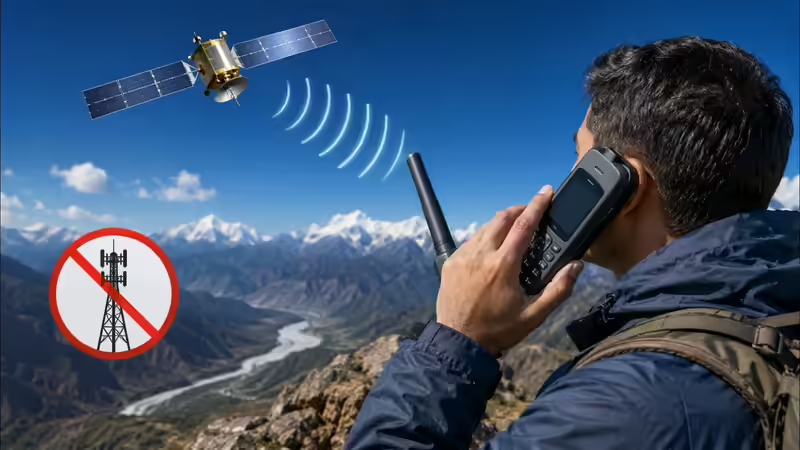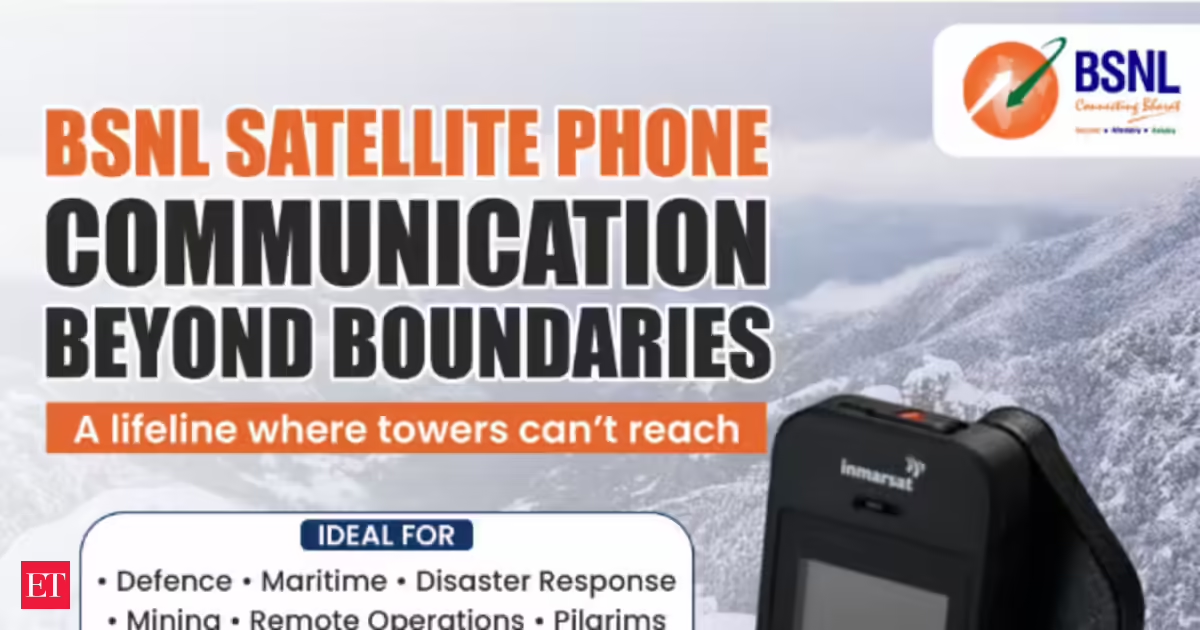
BSNL has launched a new satellite phone in a push to expand satellite communication services for defence personnel, maritime operations and users in remote areas. Priced at Rs 1,34,166, the handset has quickly become a talking point, with many comparing its cost to Apple's iPhone 17 Pro. However, the satellite phone is designed for an entirely different purpose, offering reliable communication in areas where conventional mobile networks are unavailable. Unlike a premium smartphone, the BSNL satellite phone is built for organisations and professionals operating in remote, off-grid and emergency situations where conventional mobile networks are unavailable. It offers direct satellite connectivity for voice calls and SMS instead of relying on cellular towers.— BSNLCorporate (@BSNLCorporate) What is the BSNL satellite phone? The handset is part of BSNL's Global Satellite Phone Service (GSPS). Rather than connecting to nearby mobile towers, it communicates directly with satellites, enabling users to make voice calls and send SMS from areas without conventional cellular coverage. According to BSNL, the device is intended for defence personnel, maritime operations, disaster response teams, mining companies, remote industrial sites, pilgrims and adventure travellers. It is also designed for emergency situations where terrestrial telecom infrastructure is damaged or unavailable. The handset features a rugged design, long battery life, voice calling capabilities and an SOS emergency function for use in demanding environments. Why does the BSNL satellite phone cost so much? The high price is primarily due to the technology required for satellite communication. Unlike smartphones that connect to nearby mobile towers, the BSNL satellite phone communicates directly with satellites operated by global providers such as Inmarsat. This requires specialised hardware, dedicated antennas and satellite communication equipment, which are significantly more expensive than the components used in conventional smartphones. Satellite phones are also manufactured in much smaller volumes than smartphones, contributing to their higher production costs. In addition to the handset price, users must subscribe to satellite communication plans, which cost considerably more than regular mobile plans. How is it different from Apple's satellite feature? Apple's iPhones offer Emergency SOS via satellite in select countries for situations where users have no access to cellular or Wi-Fi networks. The feature allows users to contact emergency services or share their location through satellite connectivity. The BSNL satellite phone serves a different purpose. It is a dedicated satellite communication device that supports regular voice calls and SMS through satellite networks without depending on mobile towers. It is designed for continuous communication in remote locations rather than occasional emergency use. In simple terms, Apple's satellite feature is intended for emergencies, while the BSNL satellite phone is built for full-time satellite communication. Who can buy the BSNL satellite phone? Satellite phones are strictly regulated in India. Anyone wishing to purchase or use one must first obtain approval from the Department of Telecommunications. Using a satellite phone without authorisation can result in legal action.BSNL satellite service and tariff detailsAccording to an official statement issued on February 11, BSNL has been offering voice calling and SMS services through its Global Satellite Phone Service (GSPS) to the general public and private enterprises since January 1, 2018.The statement noted that the Department of Telecommunications (DoT) issued guidelines for satellite-based services on June 12, 2017. Under these guidelines, BSNL is required to complete the prescribed customer acquisition process applicable to mobile connections.The guidelines also require BSNL to obtain details from subscribers, including the intended place of use, duration of use and the purpose for which the satellite handset will be used. According to the statement, GSPS provides secure communication as information is transmitted in encrypted form.For postpaid users, government entities can subscribe to plans starting at Rs 3,500 per month, while commercial users can opt for plans priced at Rs 5,835 and Rs 11,670 per month. These plans include 16, 30 and 60 minutes of free talk time or SMS, depending on the tariff selected.Under prepaid plans, government entities can choose a Rs 3,500 monthly plan with 20 minutes of free talk time or an annual plan priced at Rs 38,500 offering 240 free minutes. Commercial users can subscribe to a Rs 5,835 monthly plan with 30 free minutes or an annual plan costing Rs 64,185 that includes 360 free minutes.After the free usage limit is exhausted, government users are charged Rs 18 per minute or SMS, while commercial users pay Rs 25 per minute or SMS.BSNL also offers prepaid top-up vouchers in denominations of Rs 200, Rs 500, Rs 1,000, Rs 5,000 and Rs 10,000.
Why is BSNL selling a phone that costs more than Apple's iPhone 17 Pro and charges Rs 18 per minute for calls?
BSNL has launched a satellite phone in India for Rs 1,34,166. This device offers direct satellite connectivity for voice and SMS services. It is designed for professionals in remote and emergency situations. The high cost reflects specialized technology and smaller production volumes. Users must obtain government approval and subscribe to costly satellite plans.
743 words~3 min read