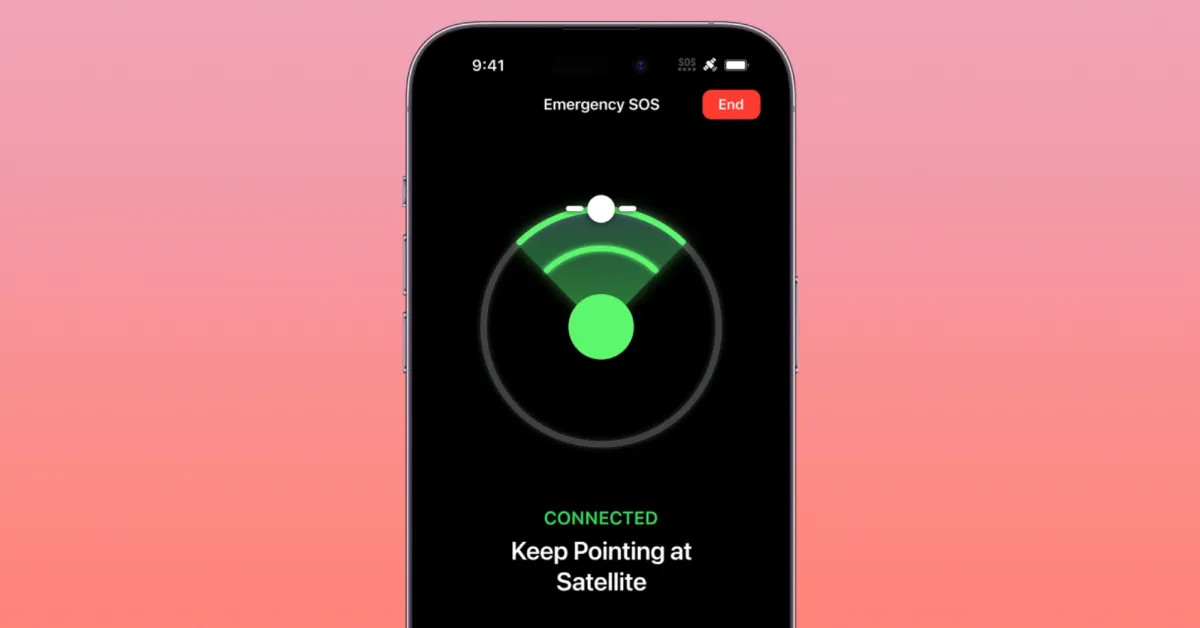
New Delhi: Apple has suggested avoiding any hardware modifications or recertification of its smartphones for offering direct-to-device (D2D) satellite connectivity in India, while also emphasising that protecting existing terrestrial networks is a priority for the company.The iPhone maker conveyed comments to the Department of Telecommunications (DoT) as part of consultations that took place a few months ago on D2D technology, government officials told ET. Apart from Apple, Google, and some other stakeholders also shared views with DoT."While most of the stakeholders in general favour development of non-terrestrial technologies like D2D connectivity, they have highlighted the current challenges restraining smartphone use through satellite," said a person privy to the details.Officials said the discussions between DoT and industry were informal in nature.TIL CreativesHandset Technology ComplianceD2D service to Pick UpThe consultation was an attempt to understand the technology before initiating a formal process on the regulatory framework.During the talks, Apple stressed on challenges related to cross-border coordination and ensuring compliance with nations that don’t authorise satellite usage.Similarly, Google has specified current issues restraining smartphone usage via satellite, like power limitations of handset batteries, antenna constraints on small devices, complex integration with existing terrestrial networks, signal strength and the potential need for handset modifications for offering D2D services. Apple and Google didn’t respond to queries.Majority of the stakeholders have suggested waiting for a few years till the ecosystem matures before notifying spectrum bands for offering D2D services.The D2D service is expected to pick up pace globally in a few years when the International Telecom Union (ITU) identifies spectrum bands for it at the World Radiocommunication Conference (WRC-27), to be held in October-November 2027 in China.ITU, the United Nations’ specialised agency for information and communication technologies, conducts WRC every three to four years to review, and, if necessary, revise the radio regulations and any associated frequency assignment and allotment plans. The last WRC happened in Dubai in 2023 during which a portion of 6 GHz was opened for mobility services across the world.The Telecom Regulatory Authority of India, too, has also issued a consultation paper with questions on D2D technology. The regulator is looking to ascertain if D2D services should be provided using spectrum meant for mobile satellite service or airwaves available for mobile services like 4G and 5G.Once allowed, people can use their smartphones to connect directly to satellites, making connectivity ubiquitous, even in the absence of terrestrial signals.Currently, the US, Canada, Australia and some European countries are among those adopting rules for supplementing phone coverage through D2D satellite services. In the US, Elon Musk-owned Starlink has partnered with telecom operator T Mobile to provide D2D service, enabling phones to connect directly with Starlink satellites for connectivity in remote areas that lack cell coverage.Satcom firms such as AST SpaceMobile and Viasat also plan to offer D2D services.
Apple flags handset modification hurdles for satellite D2D rollout in India
Apple advises against hardware changes for direct-to-device satellite links in India. The company prioritizes current mobile networks. Other tech giants like Google also shared views with the Department of Telecommunications. Discussions explored challenges and the future of satellite connectivity for smartphones. India is considering regulations for this emerging technology.
463 words~2 min read