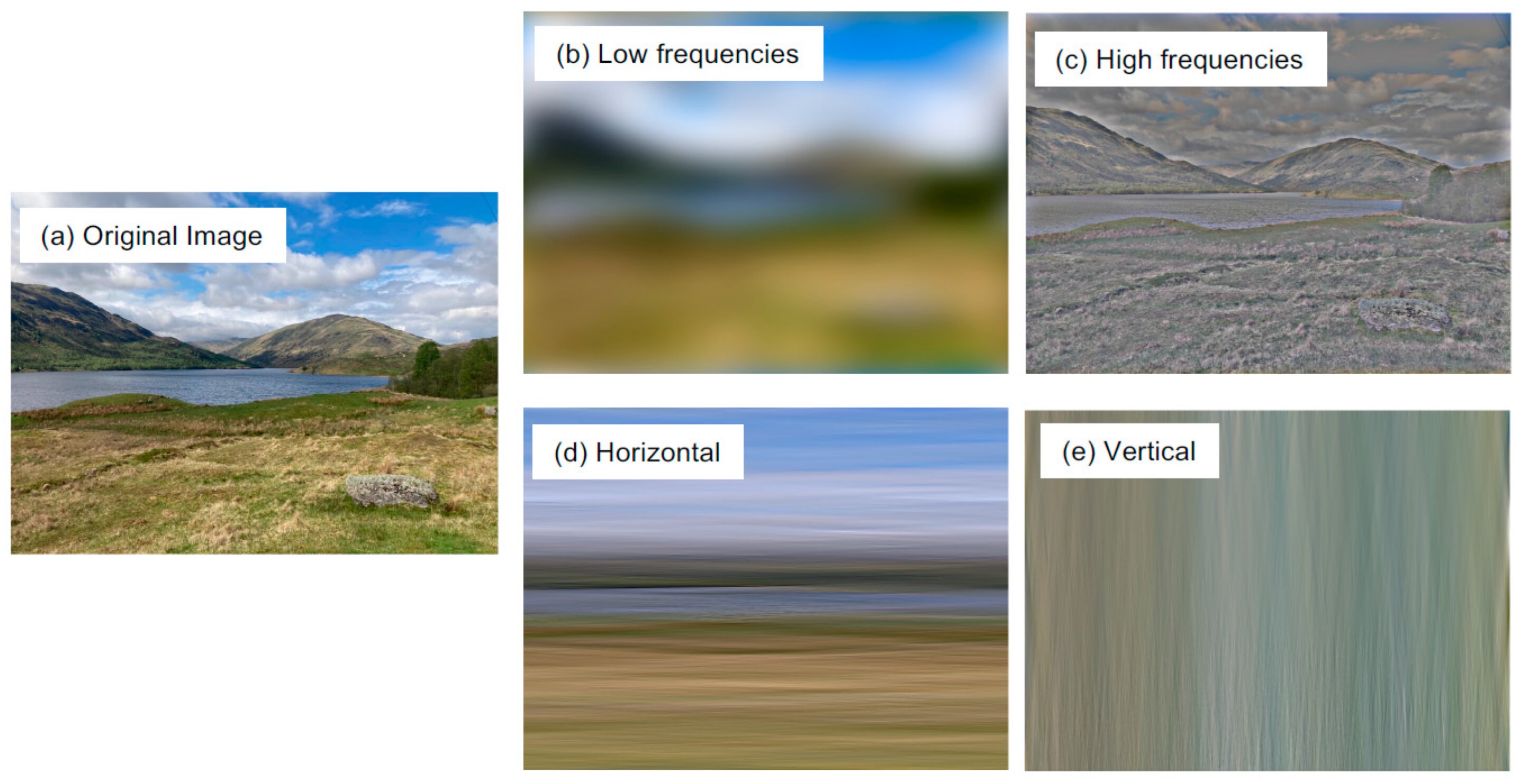
The decomposition of images via the Fourier transform. Credit: Vision (2026). DOI: 10.3390/vision10020034
Modern, human-made environments that feature certain design elements can overload the brain, causing visual discomfort and stress, according to a new University of Stirling study. Visual discomfort refers to the unpleasant feelings or strain people experience when viewing certain images or environments. This can range from eyestrain to migraine, difficulty reading, or feelings of being overwhelmed in situations where others experience no issues at all.
The international review published in the journal Vision, led by Professor Paul Hibbard of the University of Stirling's Faculty of Natural Sciences and Emeritus Professor Arnold Wilkins of the University of Essex, has found that some seemingly ordinary environments can affect people more than we realize.
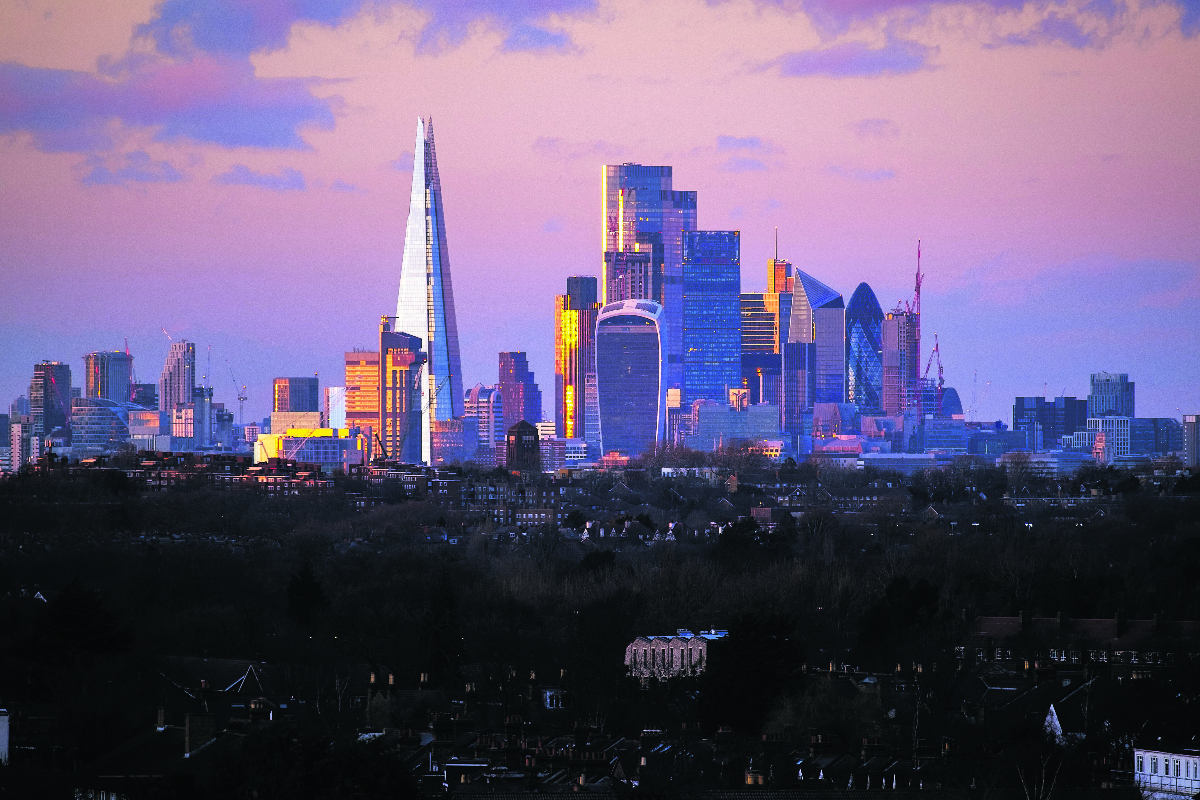
Striped patterns, cluttered interiors, high-contrast colors, flickering lights and even packed supermarket shelves can all contribute to visual discomfort, helping to explain why some spaces can feel uncomfortable or distressing.
The findings, which involved collaboration among experts in psychology, optometry, lighting, architecture and other fields, suggest this could be because modern, human-made environments differ significantly from the natural scenes the visual system has evolved to process efficiently.