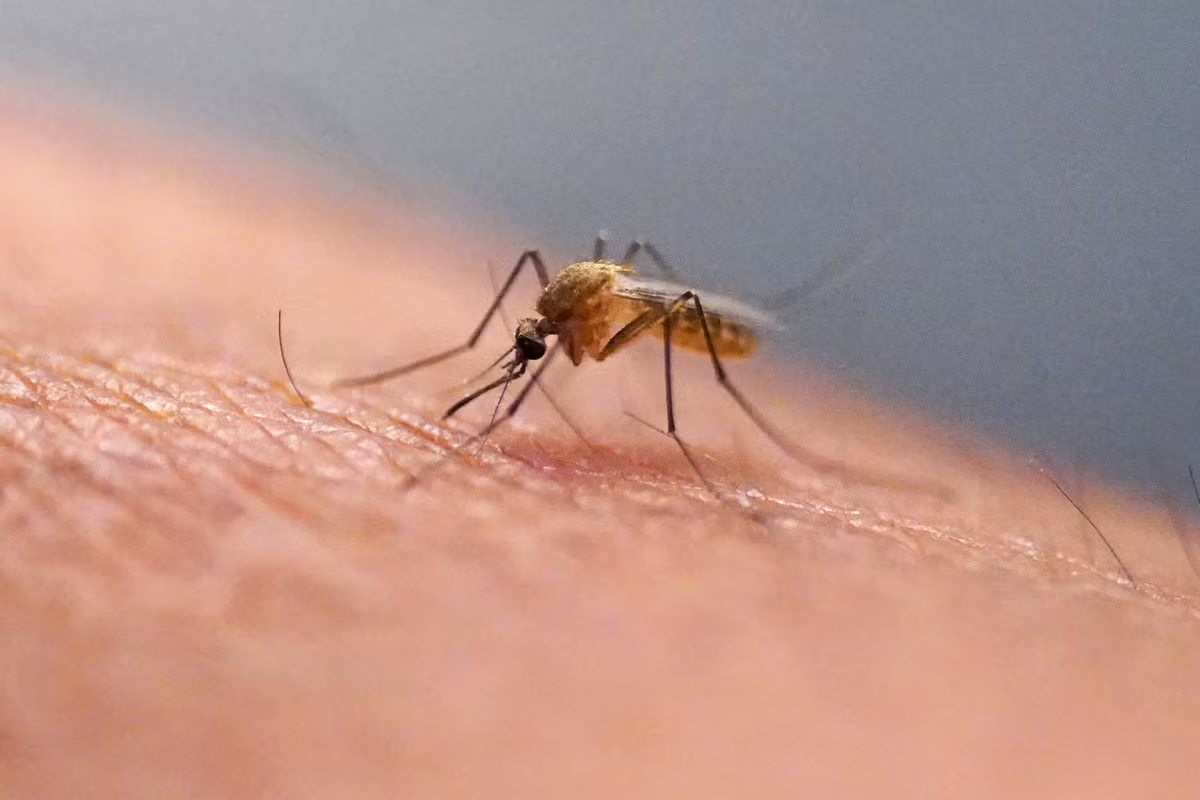
Dengue is caused by the dengue virus and transmitted by mosquito bites. Traditionally endemic in tropical regions such as Latin America and the Caribbean, as well as Southeast Asia, local transmission across several countries in mainland Europe has been documented since 2010. In particular, the mosquito species Aedes albopictus, which is now well established in southern Europe, can act as a dengue vector even though the main dengue vector is Aedes aegypti.
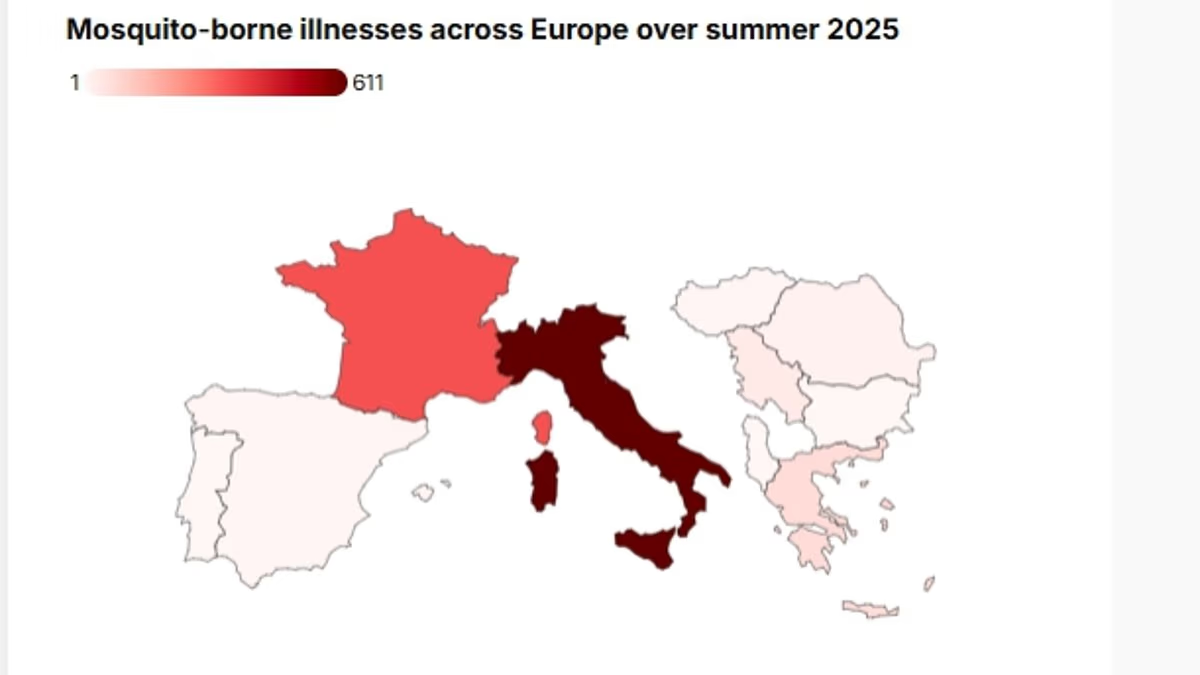
In their article published in Eurosurveillance, a team has analyzed data from a dengue outbreak across three municipalities in Italy between July and October 2024. The outbreak resulted in 296 probable and confirmed locally acquired infections with dengue virus serotype 2, of which 286 occurred among residents in the municipalities of Fano, Cavezzo and Ortona.
The authors aimed to characterize possible transmission patterns of this outbreak to understand how the virus can spread in specific settings and surroundings in Europe. Even though the extensive investigations could not identify the primary case that initiated local transmission, the study found that 270 of the reported cases were probably exposed near someone who was already infected. For the remaining 26 cases, no likely exposure site could be identified.